Support our educational content for free when you purchase through links on our site. Learn more
🥋 Top 10 Martial Arts for Kids: The Ultimate 2026 Guide

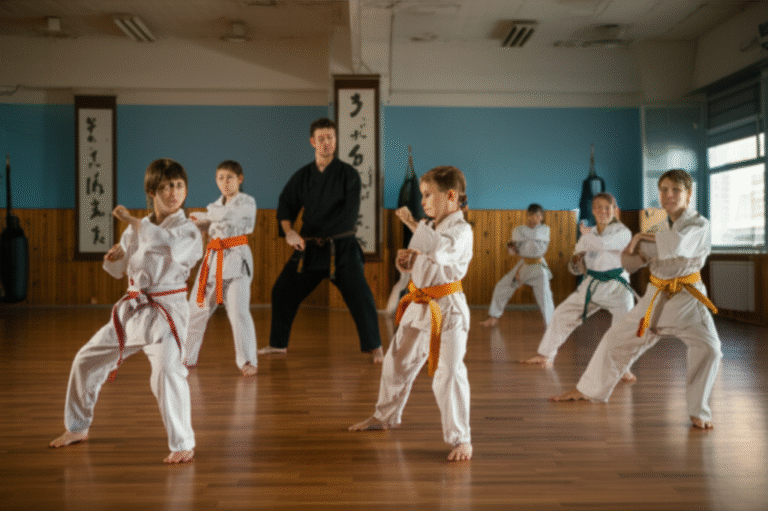
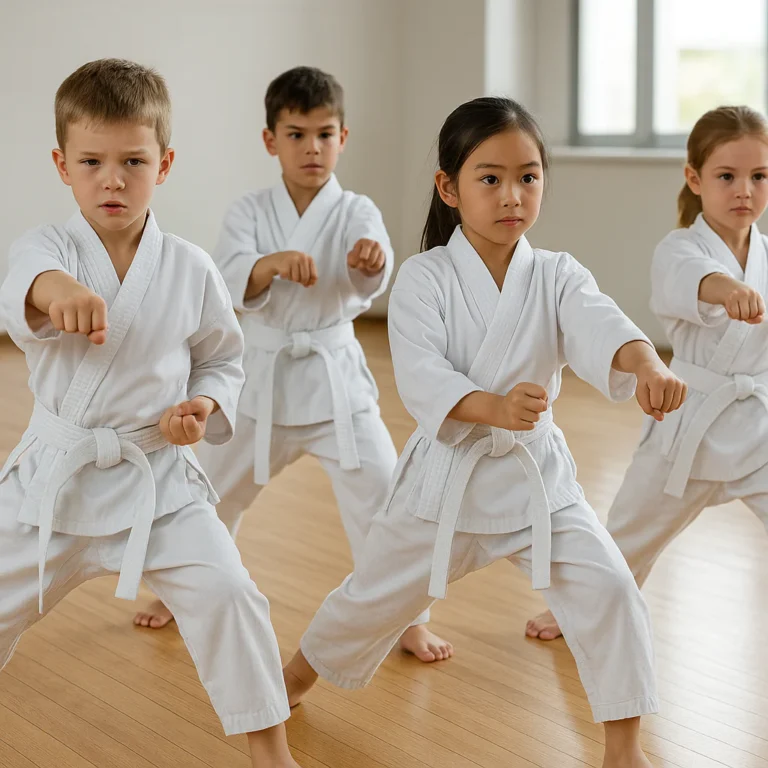
Martial arts is the single most effective tool for building unshakeable confidence, discipline, and self-defense skills in children, provided you choose the right style for their personality. Whether your child is a shy introvert or a bundle of boundless energy, there is a specific discipline designed to unlock their potential.
We’ve seen it time and again at Karate MMA™: a timid 6-year-old walks into a dojo afraid to speak, only to leave months later breaking boards with a roar. It’s not magic; it’s the transformative power of martial arts for kids.
Did you know that nearly 9 million children in the U.S. are currently training in martial arts? That’s more than the population of some entire states! Yet, with so many options ranging from Karate to Krav Maga, picking the right one can feel like navigating a minefield.
Don’t worry, we’ve done the heavy lifting. From the high-flying kicks of Taekwondo to the strategic grappling of Brazilian Jiu-Jitsu, we break down exactly which art fits your child’s unique needs.
Key Takeaways
- Confidence is King: Martial arts builds self-esteem through tangible progress, helping kids overcome shyness and fear.
- Discipline Over Agression: Contrary to myths, training teaches self-control and de-escalation, making kids less likely to pick fights.
- Safety First: The injury rate in supervised youth martial arts is lower than in soccer or basketball, thanks to strict safety protocols.
- Right Fit Matters: The “best” style depends on your child’s temperament; Karate for structure, BJ for problem-solving, and Taekwondo for energy.
- Start Early: Most kids are ready to begin between ages 4 and 6, focusing on fun and basic motor skills before complex techniques.
Table of Contents
- ⚡️ Quick Tips and Facts
- 📜 A Brief History of Martial Arts for Children
- 🧠 Why Kids Need Martial Arts: The Ultimate Benefits Guide
- 🥋 Top 10 Best Martial Arts Styles for Kids
- 1. Karate: The Foundation of Discipline
- 2. Taekwondo: High Kicks and Confidence
- 3. Brazilian Jiu-Jitsu (BJ): The Gentle Art for Small Fighters
- 4. Judo: Throwing Trouble into the Mat
- 5. Muay Thai: The Art of Eight Limbs for Youth
- 6. Aikido: Redirecting Energy, Not Force
- 7. Capoeira: Dance, Acrobatics, and Culture
- 8. Kung Fu: Ancient Wisdom for Modern Kids
- 9. Krav Maga: Real-World Self-Defense for Teens
- 10. MMA for Kids: Blending Styles Safely
- 🏆 How to Choose the Right Dojo for Your Child
- 🥊 Sparring in Kids’ Martial Arts: Safety First, Fun Second
- 🚑 Common Injuries in Youth Martial Arts: What Parents Must Know
- Cuts, Scrapes, and Overuse Woes
- Bruises, Fractures, and the Concussion Question
- 🛡️ Essential Protective Gear and Equipment Checklist
- 👨 👩 👧 👦 Parent’s Guide: Should You Let Your Kids Do MMA?
- 🌍 Martial Arts for Kids Around the World: Popularity Trends
- 💡 Quick Tips and Facts for New Parents
- 📚 More Information and Resources
- 👤 About the Karate MMA™ Team
- ✅ Conclusion
- 🔗 Recommended Links
- ❓ FAQ: Frequently Asked Questions
- 📖 Reference Links
⚡️ Quick Tips and Facts
Before we strap on the headgear or tie the first belt, let’s cut through the noise. You’ve probably heard that martial arts is just about learning to punch things, or maybe it’s some ancient, mystical path to enlightenment. Spoiler alert: It’s actually a powerhouse for building confidence, discipline, and physical fitness in kids, but it’s not a magic wand.
Here is the lowdown from our team at Karate MMA™:
- 📈 The Numbers Game: According to the American Academy of Pediatrics, there are an estimated 8.7 million kids participating in martial arts annually in the U.S. That’s a lot of tiny warriors! Source: HealthyChildren.org
- 🧠 Brain vs. Brawn: It’s not just about the kicks. Studies show that martial arts training significantly improves cognitive skills, including focus, memory, and academic performance.
- 🛡️ Safety First: Contrary to what action movies tell you, the injury rate for kids in martial arts is actually lower than in soccer, basketball, or football. Most injuries are minor scrapes or bruises.
- 🚫 The “MA” Myth: While Mixed Martial Arts (MA) is huge for adults, we generally discourage full-contact MMA for very young children. They need to master the fundamentals of a single style first.
- 🎯 Age Appropriateness: The “best” age to start is usually between 4 and 6, but it depends entirely on the child’s ability to follow instructions and control their impulses.
Wait, but what if your child has ADHD? Or what if they are being bullied? Does karate fix that? We’ll get to the nitty-gritty of self-defense and behavioral benefits in a moment, but first, let’s look at where this all began.
📜 A Brief History of Martial Arts for Children

You might think teaching kids to fight is a modern trend, but humans have been training the little ones for millennia. The concept of martial arts for kids isn’t about creating child soldiers; it’s about character building.
In ancient Japan, young samurai began training in Budo (the martial way) as early as age 5. They didn’t start with lethal strikes; they started with Kata (forms) and Zazen (meditation) to learn stillness. Similarly, in China, young monks in the Shaolin Temple were taught Kung Fu not just to fight, but to protect the temple and cultivate inner peace.
Fast forward to the 20th century, and the focus shifted. In the 1970s, as martial arts exploded in the West, instructors realized that the rigid, adult-focused training methods weren’t working for kids. They needed fun, games, and structured play.
“Martial arts can be some of the most rewarding sports that children can participate in.” — HealthyChildren.org
Today, modern dojos blend these ancient traditions with child psychology. We don’t just teach a kid how to throw a punch; we teach them when not to throw it. This evolution from “fighting” to “self-improvement” is why martial arts remains a top choice for parents today.
If you want to dive deeper into the roots of our favorite style, check out our breakdown of Karate History and Evolution.
🧠 Why Kids Need Martial Arts: The Ultimate Benefits Guide
Why should you sign your kid up for a dojo instead of soccer or swimming? Because martial arts hits a sweet spot that other sports often miss: holistic development.
🌟 Confidence and Self-Estem
In a world where kids are constantly told “no” or compared to others, martial arts offers a clear path to success. Every time a child earns a new stripe or belt, they get a tangible dopamine hit. They learn that hard work equals results.
- The “I Can” Factor: A shy 7-year-old who learns to break a board often walks taller the next day.
- Resilience: Falling down and getting back up is part of the curriculum. They learn that failure isn’t fatal; it’s just a lesson.
🧘 ♂️ Discipline and Focus
Let’s be real: kids have shorter attention spans than ever. Martial arts demands hyper-focus. You can’t do a perfect roundhouse kick if your mind is on your iPad.
- Respect: The bowing, the addressing of instructors as “Sensei,” and the etiquette in the dojo teach respect for authority and peers.
- Goal Setting: The belt system is the ultimate lesson in long-term goal setting.
🛡️ Self-Defense and Bulying
This is the big one. Parents often ask, “Will this make my child aggressive?” The answer is no. In fact, it often does the opposite.
- De-escalation: We teach kids that the best fight is the one that never happens.
- Physical Capability: If a child knows they can defend themselves, they are less likely to be targeted by bullies. It’s a psychological shield as much as a physical one.
Curiosity Check: But what if your child is naturally hyperactive? Does the rigid structure of martial arts help them, or will they hate it? Stick around, because we’re about to break down the best styles for different personality types.
🥋 Top 10 Best Martial Arts Styles for Kids
Not all martial arts are created equal. Some are great for flexibility, others for discipline, and some for pure fun. Here is our expert breakdown of the Top 10 styles, ranked by how well they suit children.
1. Karate: The Foundation of Discipline
Origin: Japan 🇯🇵
Focus: Striking (punches, kicks, knee strikes) and forms (Kata).
Why it’s great for kids: Karate is the gold standard for structure. It teaches respect, focus, and self-control. The belt system is incredibly motivating for kids.
- Pros: Excellent for building confidence, clear progression, widely available.
- Cons: Can be repetitive; some schools focus too much on competition and not enough on self-defense.
- Best For: Kids who need structure and want to learn a traditional art.
2. Taekwondo: High Kicks and Confidence
Origin: Korea 🇰🇷
Focus: High, fast kicks and jumping/spinning techniques.
Why it’s great for kids: It’s dynamic and athletic. Kids love the acrobatic nature of the kicks. It’s great for flexibility and leg strength.
- Pros: High energy, great for cardio, Olympic sport status.
- Cons: Less focus on hand strikes and grappling; can be hard on growing knees if not supervised.
- Best For: Active kids who love to jump and kick.
3. Brazilian Jiu-Jitsu (BJ): The Gentle Art for Small Fighters
Origin: Brazil 🇧🇷
Focus: Grapling, ground fighting, and submissions.
Why it’s great for kids: BJJ is often called “human chess.” It teaches kids to use leverage rather than strength. A smaller kid can defeat a bigger opponent, which is a huge confidence booster.
- Pros: Minimal striking (safer for kids), excellent for problem-solving, great for self-defense.
- Cons: Can be physically demanding on joints; requires close contact.
- Best For: Kids who prefer grappling over striking or are smaller than their peers.
4. Judo: Throwing Trouble into the Mat
Origin: Japan 🇯🇵
Focus: Throws, takedowns, and pining.
Why it’s great for kids: Judo teaches balance and how to fall safely (breakfalls). It’s less about hitting and more about controlling an opponent.
- Pros: Teaches how to fall without getting hurt, great for core strength.
- Cons: High risk of finger injuries; less focus on striking.
- Best For: Kids who want to learn how to control an aggressor without striking.
5. Muay Thai: The Art of Eight Limbs for Youth
Origin: Thailand 🇹🇭
Focus: Strikes using fists, elbows, knees, and shins.
Why it’s great for kids: It’s a full-body workout. Modern youth programs focus heavily on fitness and technique rather than full-contact sparring.
- Pros: Incredible conditioning, practical self-defense, fun drills.
- Cons: Can be intense; requires good conditioning to avoid shin bruises.
- Best For: Older kids (10+) who want a high-intensity workout.
6. Aikido: Redirecting Energy, Not Force
Origin: Japan 🇯🇵
Focus: Joint locks, throws, and redirecting an attacker’s energy.
Why it’s great for kids: It’s non-agressive by nature. It teaches kids to neutralize an attack without hurting the attacker.
- Pros: Very safe, focuses on conflict resolution.
- Cons: Less effective in a real street fight against an untrained aggressor; can be boring for high-energy kids.
- Best For: Peaceful kids who want to learn self-defense without fighting.
7. Capoeira: Dance, Acrobatics, and Culture
Origin: Brazil 🇧🇷
Focus: Movement, music, acrobatics, and kicks.
Why it’s great for kids: It feels like a game! The “Roda” (circle) is filled with music and rhythm. It’s fantastic for coordination and cultural appreciation.
- Pros: Fun, musical, great for flexibility and rhythm.
- Cons: Less structured self-defense; can be chaotic for kids who need strict rules.
- Best For: Creative, musical, and highly active kids.
8. Kung Fu: Ancient Wisdom for Modern Kids
Origin: China 🇨🇳
Focus: Diverse styles, animal forms, flexibility, and internal energy.
Why it’s great for kids: It’s visually stunning and teaches a deep connection to history.
- Pros: Great for flexibility, creativity, and cultural learning.
- Cons: Quality varies wildly between schools; can be less practical for self-defense.
- Best For: Kids interested in history, culture, and fluid movement.
9. Krav Maga: Real-World Self-Defense for Teens
Origin: Israel 🇮🇱
Focus: Real-world self-defense, situational awareness, and neutralizing threats quickly.
Why it’s great for kids: It’s designed for survival. No rules, no points.
- Pros: Highly practical, focuses on awareness and de-escalation.
- Cons: Can be too aggressive for young kids; lacks the “sport” aspect that keeps kids engaged.
- Best For: Teens (13+) looking for serious self-defense skills.
10. MMA for Kids: Blending Styles Safely
Origin: Global 🌍
Focus: Combining striking and grappling.
Why it’s great for kids: When taught correctly, it gives a well-rounded skill set.
- Pros: Comprehensive training, prepares for any situation.
- Cons: High risk if not supervised; requires a solid foundation individual arts first.
- Best For: Older kids (12+) with a solid base in one or more arts.
Still unsure which one to pick? It depends on your child’s personality. A quiet, analytical kid might love BJ, while a high-energy kid might thrive in Taekwondo.
🏆 How to Choose the Right Dojo for Your Child
Finding the right school is more important than the style itself. A great Karate school is better than a bad MMA gym. Here is our checklist for parents:
- Observe a Class: Never sign up without watching. Look at the instructor’s demeanor. Are they patient? Do they yell? Do they treat the kids with respect?
- Check the Ratio: How many kids per instructor? For kids under 8, you want a ratio of no more than 10:1.
- Ask About Safety: Do they wear gear? How do they handle sparring? A good school will have a strict safety policy.
- The “Vibe” Check: Does your child feel welcome? Do the other kids look happy? If your kid is crying before class starts, it’s the wrong place.
- Instructor Credentials: Are they certified? Do they have experience teaching kids? Check their Fighter Profiles or background.
Pro Tip: Ask the instructor, “What do you do if a child is being bullied?” If they say “Punch them back,” run. If they say “We teach de-escalation and confidence,” stay.
🥊 Sparring in Kids’ Martial Arts: Safety First, Fun Second
Sparring is the part that scares parents the most. “Will my kid get hurt?” Let’s clear this up.
Sparring is not fighting. It’s a controlled drill to practice technique.
- Non-Contact: For beginners (white to blue belts), sparring is usually non-contact or light contact. The goal is touch the target, not hit it.
- Protective Gear: Kids wear headgear, mouthguards, chest protectors, and shin guards.
- Supervision: A referee is always present to stop the action immediately if it gets too rough.
The Progression:
- Forms (Kata): Learning the moves alone.
- Partner Drills: Practicing moves on a cooperative partner.
- Light Sparring: Controlled, light contact with full gear.
- Free Sparring: Only for advanced students, with strict rules.
Remember: No protective gear prevents concussions 10%. The best protection is good technique and controlled sparring.
🚑 Common Injuries in Youth Martial Arts: What Parents Must Know
Let’s be honest: kids get hurt. But how often, and how bad?
Cuts, Scrapes, and Overuse Woes
- Cuts & Scrapes: Common in barefoot styles like Taekwondo or Karate. Usually minor and heal quickly.
- Overuse Injuries: Repetitive kicking or punching can cause stress fractures or tendonitis. Rest is key. If a kid is in pain, they should stop.
Bruises, Fractures, and the Concussion Question
- Bruises: The most common injury. Usually from light sparring.
- Fractures: Rare in kids’ martial arts, but can happen if a kid falls wrong or gets hit with full force.
- Concussions: This is the big worry. While rare in non-contact sparring, they can happen. No helmet prevents a concussion. The best prevention is strict rules and stopping the fight immediately if a kid looks dazed.
Our Advice: If your child gets hit, watch for signs of concussion: confusion, vomiting, or dizziness. If in doubt, get them checked by a doctor.
🛡️ Essential Protective Gear and Equipment Checklist
You don’t need to spend a fortune, but you do need the right gear. Here is what your kid will likely need:
| Gear Item | Purpose | Recommended Brands |
|---|---|---|
| Mouthguard | Protects teeth and reduces concussion risk | Shock Doctor, Venum |
| Headgear | Protects ears and cuts (not concussions) | Title Boxing, Hayabusa |
| Chest Protector | Protects ribs and organs (for girls especially) | Adidas, Everlast |
| Shin Guards | Protects shins and insteps | Venum, Fairtex |
| Gloves | Protects hands and knuckles | Winning, Cleto Reyes |
| Uniform (Gi) | Traditional attire for Karate/Judo | Shureido, YMA |
👉 Shop
👨👩👧👦 Parent’s Guide: Should You Let Your Kids Do MMA?
This is the million-dollar question. MA (Mixed Martial Arts) combines striking and grappling. Is it safe for kids?
The Short Answer: Yes, but with major caveats.
- Age Matters: We generally recommend waiting until 12 or 13 before introducing full-contact MMA. Before that, kids should focus on one style (like Karate or BJJ) to build a solid foundation.
- The Risk: MMA has a higher injury rate than pure Karate or Taekwondo because it involves more contact.
- The Benefit: If taught correctly, it teaches a well-rounded skill set. A kid who knows how to strike and grapple is harder to bully.
Our Verdict: Start with a single art. Once they have their blue or purple belt, introduce MMA concepts in a controlled, non-contact environment. Never let a 7-year-old spar with full force.
🌍 Martial Arts for Kids Around the World: Popularity Trends
Martial arts isn’t just a U.S. thing. It’s a global phenomenon.
- Japan: Karate and Judo are still the most popular, with a focus on tradition.
- Brazil: BJJ is a national pastime, with kids starting as young as 4.
- USA: Taekwondo and Karate dominate, but MMA is growing fast among teens.
- Europe: Kickboxing and Judo are huge.
According to HealthyChildren.org, the popularity of martial arts for kids has remained steady, with a slight shift towards self-defense and fitness over pure competition.
💡 Quick Tips and Facts for New Parents
- Don’t Rush: It takes years to get a black belt. Don’t pressure your kid.
- Consistency is Key: One class a week is better than nothing, but two or three is ideal.
- Be a Fan: Cheer for your kid, not just their wins.
- Ask Questions: If you don’t understand a technique, ask the instructor.
- Check the Karate Techniques blog for more tips on home practice.
📚 More Information and Resources
Want to learn more? Check out these resources:
- Karate Belts and Rankings: Understand the journey from white to black belt. Read more here.
- Fight Analysis and Breakdowns: See how pros apply these techniques. Check it out.
- MA Training: Tips for parents on how to support training at home. Explore here.
👤 About the Karate MMA™ Team
We are a team of seasoned martial artists, parents, and coaches who have spent decades on the mats. From teaching shy kids to become confident leaders, to analyzing the mechanics of a perfect roundhouse kick, we live and breathe martial arts. Our goal is to help you find the right path for your child.
✅ Conclusion

So, should you let your kids do martial arts? Absolutely.
Whether it’s the discipline of Karate, the agility of Taekwondo, or the problem-solving of BJ, martial arts offers a unique blend of physical and mental benefits that few other sports can match. It builds confidence, focus, and self-defense skills that will last a lifetime.
But remember: The key is finding the right school and the right style for your child. Don’t rush into full-contact MMA too early. Start with the basics, prioritize safety, and let the journey begin.
Final Thought: The best martial art for your child is the one they love to attend. If they’re smiling, learning, and growing, you’ve found the winner.
🔗 Recommended Links
Essential Gear for Your Little Warrior:
- Mouthguards: Amazon | Title Boxing
- Headgear: Amazon | Hayabusa
- Shin Guards: Amazon | Venum
- Kids Karate Uniforms: Amazon | Shureido
Books for Parents and Kids:
- The Way of the Warrior: A Guide to Martial Arts for Kids – Amazon
- Karate for Kids: A Step-by-Step Guide – Amazon
Find a Class Near You:
- Kids Martial Arts Classes NYC: Modern Martial Arts NYC – Serving Tribeca, UWS, and UES.
❓ FAQ: Frequently Asked Questions

Are martial arts safe for young children?
Yes, when taught by certified instructors who prioritize safety. Most injuries are minor, and the risk of serious injury is lower than in many team sports like soccer or football.
Read more about “🥋 12 Life-Changing Benefits of Karate for Kids (2026)”
What should a child wear to martial arts class?
For beginners, comfortable athletic wear (t-shirt and shorts) is usually fine. As they progress, they will need a Gi (uniform) specific to their style. Always check with the dojo first.
Read more about “🥊 10 Self Defense Classes That Actually Work in 2026”
How do I choose a martial arts school for my child?
Visit the school, observe a class, and talk to the instructor. Look for a positive environment, low student-to-teacher ratios, and a focus on character development over just fighting.
Read more about “🥋 Karate for Kids: The Ultimate Guide to Building Confidence (2026)”
Is karate good for kids with ADHD?
Yes! Karate’s structured environment and focus on discipline can be incredibly beneficial for kids with ADHD. It helps them learn to control their impulses and focus their energy.
What are the benefits of martial arts for children?
Benefits include improved confidence, discipline, physical fitness, self-defense skills, and better social skills.
Read more about “Karate vs Judo 🥋: The Ultimate Showdown for Self-Defense & Fitness (2026)”
At what age should a child start martial arts?
Most kids can start as young as 4 or 5, but it depends on their ability to follow instructions. For more intense styles like MMA, wait until they are 12 or 13.
Read more about “🥋 How Many Months to Learn Martial Arts? The Real Timeline (2026)”
What is the best martial art for a child to learn?
It depends on the child. Karate is great for discipline, Taekwondo for flexibility, and BJ for problem-solving. Try a few classes to see what they enjoy.
Read more about “🥋 15 Essential Karate Techniques for Beginners to Master (2026)”
Can martial arts improve a child’s focus and confidence?
Absolutely. The repetitive nature of training and the belt system help kids build focus and see tangible progress, boosting their confidence.
What should parents look for in a martial arts school for their child?
Look for certified instructors, a safe environment, a focus on character development, and a positive atmosphere.
Read more about “Is Judo a Good Sport? 15 Surprising Benefits You Need to Know 🥋 (2026)”
Are there any martial arts classes specifically designed for kids?
Yes, most dojos offer kids’ classes tailored to different age groups, focusing on fun, games, and age-appropriate techniques.
Read more about “Judo vs. Jiu-Jitsu: The Ultimate Showdown (2026) 🥋”
How does karate help in developing discipline in children?
Karate teaches respect, self-control, and goal setting through its structured curriculum and belt system.
Read more about “🥋 What Is the Best Martial Art to Do? 12 Top Styles for 2026”
Which martial art is best for kids’ self-defense?
Krav Maga and BJ are excellent for self-defense, but Karate and Taekwondo also teach effective striking and awareness.
Read more about “🥋 The Ultimate Martial Arts List: 12 Global Styles Ranked (2026)”
At what age should children start learning martial arts?
Generally, 4 to 6 years old is the sweet spot for starting, but it varies by child.
Read more about “Can Anyone Learn Karate? The Truth About Age & Ability 🥋”
What are the benefits of martial arts for kids?
They include physical fitness, mental focus, self-confidence, self-defense, and social skills.
Read more about “🥊 Karate vs. Kung Fu: Which One Is Better for You? (2026)”
📖 Reference Links
- American Academy of Pediatrics: Martial Arts for Kids
- Modern Martial Arts NYC: Kids Martial Arts Classes
- Karate MMA™: Karate Techniques
- Karate MMA™: Fighter Profiles
- Karate MMA™: Fight Analysis and Breakdowns
- Karate MMA™: MA Training
- Karate MMA™: Karate Belts and Rankings
- Karate MMA™: Karate History