Support our educational content for free when you purchase through links on our site. Learn more
7 Ways Karate Fighters Adapt for MMA (2026) 🥋

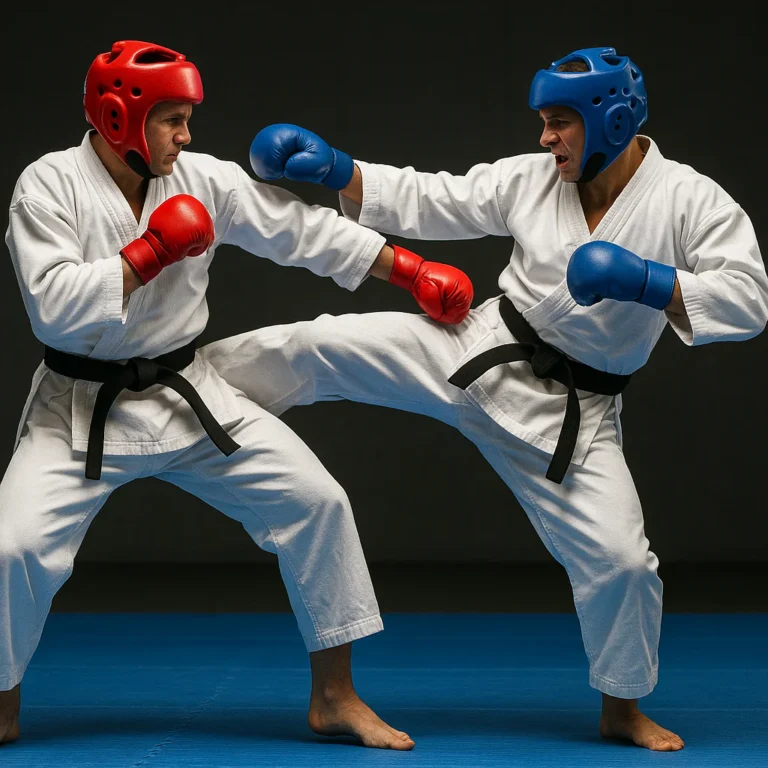
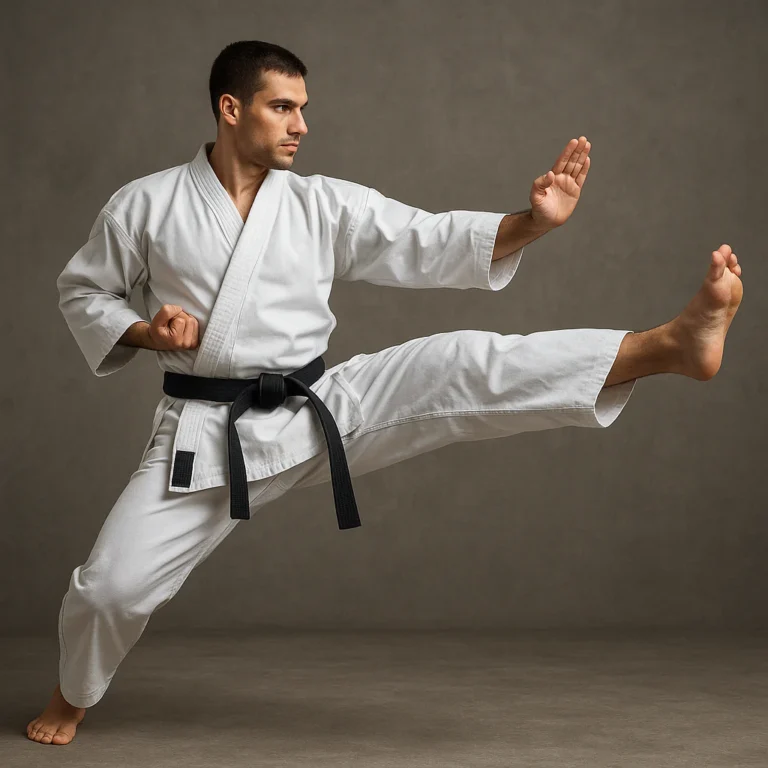
Remember the first time you watched a traditional Karateka step into the Octagon? The bladed stance, the high kicks, the silence before the storm—it looked beautiful, but often ended in a takedown within seconds. For years, the narrative was clear: Karate doesn’t work in MMA. But then came the evolution. We’ve seen legends like Lyoto Machida and Stephen “Wonderboy” Thompson turn the script, proving that with the right adaptations, the ancient art of Karate can not only survive but dominate the modern cage.
So, how exactly do they bridge the gap between the dojo and the cage? It’s not about abandoning tradition; it’s about contextualizing it. In this deep dive, we break down the 7 critical modifications every Karate fighter must make to survive the grapple, manage the distance, and land the knockout. From tweaking your stance to integrating wrestling defense, we’ll reveal the secrets that turn a point-fighter into a mixed martial arts champion. Ready to stop guessing and start fighting like a pro? Let’s get into the 7 ways Karate fighters adapt their skills for MMA success.
Key Takeaways
- Stance is Everything: The traditional bladed stance must evolve into a blended, lower stance to defend against takedowns and low kicks.
- Continuous Flow: Success requires shifting from “hit-and-stop” point fighting to continuous striking combinations and follow-up grappling.
- Hybrid Mastery: Pure Karate fails in the cage; the most effective fighters blend Karate striking with elite Wrestling and Brazilian Jiu-Jitsu.
- Distance Control: Mastering unorthodox footwork and lateral movement is the key to neutralizing graplers and setting up devastating counter-strikes.
Table of Contents
- ⚡️ Quick Tips and Facts
- 🥋 From Dojo to Octagon: The Evolution of Karate in MMA
- 🧠 The Karate Mindset: Adapting Traditional Strategy for Modern Combat
- 🥊 Top 7 Ways Karate Fighters Adapt Their Skills for MMA Success
- 🔥 Case Studies: Legends Who Mastered the Hybrid Style
- Lyoto Machida: The Karate Kid of the Octagon
- Stephen “Wonderboy” Thompson: The Karate Master’s Precision
- Georges St-Pierre: The Evolution of a Karate-Inspired Champion
- ⚠️ Common Pitfalls: Why Traditional Karate Fails in the Cage
- 🛠️ Training Drills: Bridging the Gap Between Sport and Street
- 🧐 FAQ: Your Burning Questions About Karate in MMA Answered
- 🔗 Recommended Links
- 📚 Reference Links
- 💡 Conclusion
⚡️ Quick Tips and Facts
Before we dive into the deep end of the octagon, let’s hit the fast lane with some essential truths about Karate in MMA. If you think a high kick from a dojo will automatically knock out a wrestler, you’re in for a rude awakening! Here’s the tea:
- Stance is King (and Queen): The traditional bladed stance is a liability against takedowns. Adaptation is non-negotiable.
- Distance Management: Karateka live in the “long range.” MMA fighters need to master the “clinch” and “ground” ranges too.
- The “One-Two” Myth: You can’t just throw a single point-fighting combo and expect to win. Continuous flow is the name of the game.
- Defense First: In the cage, a missed kick means a takedown. In the dojo, it just means a point deduction.
- Hybridization Wins: Pure Karate rarely works. Karate + BJJ + Wrestling is the golden ticket.
💡 Did you know? The very first UFC champions were often graplers, but it was the rise of Lyoto Machida that proved a Karate base could dominate the elite level, provided it was heavily modified. For a deeper dive into how we bridge these worlds, check out our guide on Karate MMA.
🥋 From Dojo to Octagon: The Evolution of Karate in MMA
The journey from the quiet, meditative halls of a traditional dojo to the chaotic, high-stakes environment of the Octagon is nothing short of a martial arts metamorphosis.
In the early days of MMA (think UFC 1-10), the narrative was simple: “Graplers beat Strikers.” Karate practitioners, accustomed to kumite (sparring) where you stop after a point, found themselves getting taken down, ground-and-pounded, or submitted within seconds. The traditional front stance (zenkutsu dachi) left the groin and legs exposed to low kicks and takedowns.
However, the tide turned. We’ve seen a fascinating evolution where the ecological dynamics of the cage forced Karateka to evolve. It wasn’t about abandoning tradition; it was about contextualizing it.
- The Era of Isolation: Early Karate fighters tried to replicate dojo sparring. It failed.
- The Era of Integration: Fighters like Lyoto Machida and Stephen “Wonderboy” Thompson began blending Karate footwork with wrestling defense and BJJ submissions.
- The Modern Hybrid: Today, a “Karate fighter” in MMA is actually a mixed martial artist who uses Karate as their primary striking engine, supported by a robust grappling base.
As noted in recent academic discussions on ecological dynamics frameworks, the environment dictates the movement. The cage is a smaller, more dangerous environment than a dojo, requiring adaptive movement rather than rigid forms.
🧠 The Karate Mindset: Adapting Traditional Strategy for Modern Combat
You might ask, “Can the mindset of a traditional Karateka survive the brutality of MMA?” The answer is a resounding yes, but only if you tweak the software.
The Shift from “Point” to “Flow”
In traditional WKF (World Karate Federation) sparring, the goal is to score a clean point and stop. In MMA, the goal is to finish the fight or control the opponent.
- Old Mindset: “Hit and stop.”
- New Mindset: “Hit, move, and follow up.”
We’ve seen too many fighters throw a beautiful Mae Geri (front kick) and stand there waiting for the referee to call “Yame!” In the cage, that split second of hesitation is when your opponent shoots for a double-leg takedown.
The “Ghost” Mentality
One of the greatest assets Karate brings to MMA is the concept of mai (distance) and zanshin (awareness).
- Zanshin: This is the state of total awareness. In MMA, it means knowing exactly where your opponent’s hands are, where their hips are, and anticipating the takedown before it happens.
- Mai: Karateka are masters of controlling distance. They know exactly how far they need to be to land a kick without getting caught.
🤔 But here’s the catch: How do you maintain this awareness when you’re being choked from the back? We’ll get to that in the Training Drills section.
🥊 Top 7 Ways Karate Fighters Adapt Their Skills for MMA Success
So, how exactly do they do it? We’ve broken down the seven critical adaptations that separate the dojo dreamers from the cage champions.
1. Modifying the Stance: From Bladed to Blended
The traditional bladed stance (side-on) is great for protecting the centerline in point fighting, but it’s a death trap in MMA.
- The Problem: A bladed stance exposes the lead leg to low kicks and makes it hard to sprawl against a takedown.
- The Adaptation: Modern Karate fighters adopt a blended stance. They keep the hips slightly turned but lower their center of gravity and keep their hands higher to defend the head.
- The Result: You can still throw cross-counter strikes, but you can also sprawl instantly.
2. Closing the Distance: Managing Range Against Grapplers
Karateka are used to fighting from a distance. Grapplers want to be in your pocket.
- The Strategy: Use footwork to stay just out of reach, then explode in for a strike and immediately retreat.
- The “Hit and Run”: This is the bread and butter of the Karate MMA style. You don’t trade; you pierce and pivot.
3. Integrating Takedown Defense with Striking
This is the make-or-break skill.
- The Drill: Practice throwing a Gyaku Zuki (reverse punch) and immediately dropping your level to sprawl.
- The Reality: If you can’t defend a takedown, your Karate is useless. Fighters like Georges St-Pierre mastered this by blending Karate footwork with elite wrestling.
4. Adapting Kicks for Mixed Martial Arts Rulesets
High kicks are beautiful, but risky.
- The Adjustment: Karate fighters in MMA focus on body kicks and low kicks to the lead leg.
- The Exception: The head kick is still a weapon, but it’s thrown with a quick exit or from a bladed angle to minimize exposure.
- The Low Kick: A Mawashi Geri to the thigh can cripple a wrestler’s ability to shoot.
5. Utilizing Unorthodox Angles and Footwork
This is where Karate shines.
- The “Hop”: The famous Machida hop isn’t just for show; it’s a way to reset distance and confuse the opponent’s rhythm.
- Lateral Movement: Instead of moving forward and backward, Karate fighters move laterally, making it hard for graplers to cut off the cage.
6. Transitioning from Point Fighting to Continuous Flow
You can’t stop after a hit.
- The Combo: Instead of a single strike, throw a 1-2-3 combo (Jab-Cross-Hook) or a kick-punch-kick sequence.
- The Follow-up: If the first strike lands, follow up with a takedown or a ground-and-pound sequence.
7. Blending Karate with Brazilian Jiu-Jitsu and Wrestling
No one fights with just Karate anymore.
- The Hybrid: The most successful Karate fighters are BJJ black belts or wrestling champions who use Karate for striking.
- The Synergy: Karate creates the opening; BJJ finishes the fight.
🔥 Case Studies: Legends Who Mastered the Hybrid Style
Let’s look at the masters who proved that Karate can work in the cage.
Lyoto Machida: The Karate Kid of the Octagon
Lyoto Machida is the gold standard for Karate in MMA.
- Style: He used a bladed stance, unorthodox footwork, and counter-striking.
- Key Moment: His victory over Rashad Evans at UFC 129 showcased his ability to make opponents miss and counter with surgical precision.
- The Adaptation: Machida didn’t just stand there; he danced around the cage, using his Karate background to control the distance and avoid takedowns.
Stephen “Wonderboy” Thompson: The Karate Master’s Precision
Stephen Thompson brought a point-fighting style to the welterweight division.
- Style: He uses long-range kicks and unorthodox angles.
- Key Moment: His fight against Jorge Masvidal at UFC 26 was a masterclass in distance management.
- The Adaptation: Thompson learned to sprawl and defend takedowns, turning his Karate into a complete MMA game.
Georges St-Pierre: The Evolution of a Karate-Inspired Champion
GSP started with Karate and evolved into a complete mixed martial artist.
- Style: He used Karate footwork to set up his wrestling and striking.
- Key Moment: His fight against Matt Hughes showed how Karate footwork could neutralize a wrestler.
- The Adaptation: GSP blended his Karate base with wrestling and BJ, creating a style that was nearly unbeatable.
For more on these legends, check out our Fight Analysis and Breakdowns and Fighter Profiles.
⚠️ Common Pitfalls: Why Traditional Karate Fails in the Cage
Why do so many traditional Karate fighters fail in MMA? It’s not because Karate is bad; it’s because they don’t adapt.
- The “Stop” Reflex: Throwing a strike and waiting for the referee to call “Yame!” is a recipe for disaster.
- The High Stance: Standing too upright makes you an easy target for takedowns.
- The Lack of Grapling: If you can’t defend a takedown, you’re done.
- The Rigid Footwork: Moving in a straight line is a death sentence in the cage.
🚫 Don’t be that guy: If you’re a traditional Karateka, you must train in wrestling and BJJ. There is no shortcut.
🛠️ Training Drills: Bridging the Gap Between Sport and Street
Ready to adapt? Here are the drills we use at Karate MMA™ to bridge the gap.
Drill 1: The “Sprawl-and-Strike” Combo
- Step 1: Throw a Mae Geri (front kick) to the body.
- Step 2: Immediately drop your level and sprawl as if defending a takedown.
- Step 3: Get back up and throw a Gyaku Zuki (reverse punch).
- Goal: Train your body to transition from striking to grappling instantly.
Drill 2: The “Lateral Escape”
- Step 1: Have a partner try to cut you off in the cage.
- Step 2: Use Karate footwork to move laterally, not forward or backward.
- Step 3: Throw a Mawashi Geri (roundhouse kick) to the body and retreat.
- Goal: Master the art of distance management and unorthodox angles.
Drill 3: The “Continuous Flow” Sparring
- Step 1: Spar with a partner, but no stopping after a hit.
- Step 2: If you land a strike, follow up with a takedown or a ground-and-pound sequence.
- Step 3: Focus on flow rather than points.
- Goal: Break the “point-fighting” mindset and develop continuous flow.
Drill 4: The “Low Kick” Defense
- Step 1: Have a partner throw low kicks.
- Step 2: Practice checking the kicks with your shin.
- Step 3: Immediately counter with a Mawashi Geri to the body.
- Goal: Learn to absorb and counter low kicks, a common tactic in MMA.
🎥 Watch this: In the video below, we break down 10 Devastating Karate Techniques Every MMA Fighter Should Know, including Ude Uchi, Ura Ken, Ashi Barai, Gyaku Mawashi Geri, Ura Mawashi Geri, Mae Geri, Mawashi Geri, Kansetsu Geri, Hiji Ate, and Morote Zuki. See how these techniques are adapted for the cage!
🎬 Featured Video: 10 Devastating Karate Techniques Every MMA Fighter Should Know
Recommended Gear for Training
To get the most out of these drills, you need the right gear. Here are our top picks:
- MA Gloves: Essential for grappling and striking.
Venum Elite MMA Gloves: Amazon | Venum Official - Shin Guards: Protect your shins during low kick drills.
Hayabusa T3 Shin Guards: Amazon | Hayabusa Official - MA Shorts: Allow for full range of motion.
Rebok UFC Fight Kit Shorts: Amazon | Rebok Official
🧐 FAQ: Your Burning Questions About Karate in MMA Answered

Can karate be effective in MMA without modifications?
No. Traditional Karate, with its rigid stances and point-fighting rules, is ineffective in MMA without significant modifications. The cage environment demands adaptability, grapling defense, and continuous flow.
What karate techniques are banned in MMA?
Most Karate techniques are legal, but eye gouges, groin strikes (in some organizations), and small joint manipulation are banned. However, headbuts and spine strikes are also illegal. Always check the specific rules of the organization.
Read more about “Karate vs MMA: 5 Shocking Differences Revealed (2026) 🥋🥊”
How do MMA fighters incorporate karate footwork?
MA fighters use Karate footwork to control distance, create angles, and avoid takedowns. They often use lateral movement and unorthodox angles to confuse opponents.
Read more about “🥋 Top 15 Karate UFC Fighters Who Revolutionized the Octagon (2026)”
Which famous MMA fighters have a karate background?
- Lyoto Machida
- Stephen “Wonderboy” Thompson
- Georges St-Pierre
- Chuck Liddell (trained in Karate)
- Bas Ruten (trained in Karate)
Read more about “🥋 Top 5 Karate Styles Dominating MMA (2026)”
Why is traditional karate considered less effective in MMA?
Traditional Karate is considered less effective because it focuses on point fighting, rigid stances, and lack of grappling defense. In MMA, you need to be able to defend takedowns, grapple, and flow between striking and grappling.
Read more about “🥋 15 Karate Techniques That Dominate MMA (2026)”
How do karate practitioners adjust their stance for MMA?
Karate practitioners adjust their stance by lowering their center of gravity, blending the bladed stance, and keeping their hands higher to defend the head. They also focus on lateral movement to avoid takedowns.
Read more about “🥋 Top 10 Karate Styles for MMA: The Ultimate 2026 Guide”
What are the best karate strikes for mixed martial arts?
The best Karate strikes for MMA are:
- Mae Geri (Front Kick) to the body
- Mawashi Geri (Roundhouse Kick) to the body and head
- Gyaku Zuki (Reverse Punch)
- Ura Mawashi Geri (Hook Kick)
- Hiji Ate (Elbow Strike)
Read more about “🥋 Can Karate Work in MMA? 15 Proven Techniques That Dominate (2026)”
💡 Conclusion

So, can a Karate fighter adapt their skills for MMA? Absolutely. But it’s not about copying the dojo; it’s about evolving the art. The most successful Karate fighters in MMA are those who blend their traditional skills with wrestling, BJ, and modern striking.
The key is adaptability. You must be willing to modify your stance, integrate takedown defense, and flow between striking and grappling. If you’re a traditional Karateka, don’t be afraid to step out of your comfort zone. The cage is a different beast, but with the right mindset and training, you can dominate it.
🏆 Final Thought: The future of Karate in MMA is bright, but only for those who are willing to evolve. Will you be the next Lyoto Machida or Stephen Thompson? The cage is waiting.
🔗 Recommended Links
Ready to take your training to the next level? Here are some top picks for gear and resources:
- MA Gloves:
Venum Elite MMA Gloves: Amazon | Venum Official
Hayabusa T3 MMA Gloves: Amazon | Hayabusa Official - Shin Guards:
Hayabusa T3 Shin Guards: Amazon | Hayabusa Official
RDX MMA Shin Guards: Amazon | RDX Official - MA Shorts:
Rebok UFC Fight Kit Shorts: Amazon | Rebok Official
Venum Challenger 3.0 MMA Shorts: Amazon | Venum Official - Books:
“Karate for MMA” by Lyoto Machida: Amazon
“The Art of Karate” by Gichin Funakoshi: Amazon
📚 Reference Links
For further reading and verification, check out these reputable sources:
- UFC Official Website: UFC.com
- World Karate Federation (WKF): WKF.org
- Journal of Sports Sciences: Taylor & Francis
- Ecological Dynamics in MMA: Applying an ecological dynamics framework to mixed martial arts
- Karate MMA™ Categories:
- Karate Techniques
- Fighter Profiles
- Fight Analysis and Breakdowns
- Karate Belts and Rankings
- Karate and MMA News