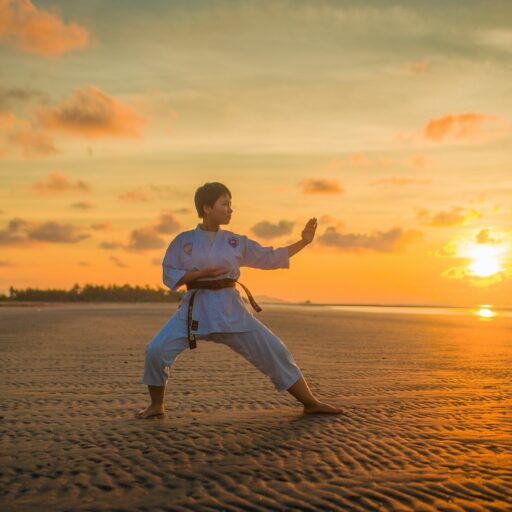
Support our educational content for free when you purchase through links on our site. Learn more
15 Karate Styles You Must Know in 2025 🥋: Master Power, Speed & Self-Defense

Did you know that karate isn’t just one martial art but a vibrant tapestry of styles, each with its own flavor, philosophy, and fighting edge? From the thunderous strikes of Kyokushin to the graceful evasions of Wado-Ryu, the world of karate styles is as diverse as it is fascinating. Whether you’re a beginner wondering which style fits your goals or a seasoned martial artist looking to deepen your knowledge, this guide from the experts at Karate MMA™ will walk you through 15 essential karate styles you need to know in 2025.
We’ll unravel the history behind these styles, compare their techniques, and reveal which ones pack the best punch for self-defense or fitness. Plus, get insider tips on choosing the right style for you and the gear you really need to get started. Curious which karate style burns the most calories or shines in competition? Stick around — the answers might surprise you!
Key Takeaways
- Karate is not one-size-fits-all: There are at least 15 major styles, each with unique techniques and philosophies.
- Styles vary by focus: Some prioritize power and full-contact sparring (Kyokushin), others emphasize harmony and evasion (Wado-Ryu).
- Self-defense and fitness benefits differ: Choose a style that aligns with your personal goals, whether it’s practical defense or calorie-burning workouts.
- Belt systems and training methods vary: Understanding these helps set expectations for your karate journey.
- Gear essentials include a gi, belt, and mouthguard: Quality equipment supports safe and effective training.
Ready to gear up?
Table of Contents
- ⚡️ Quick Tips and Facts About Karate Styles
- 🥋 The Origins and Evolution of Karate Styles: A Historical Overview
- 1. The Big Dozen: 12 Popular Karate Styles Explained
- 2. Karate Styles for Self-Defense: Which One Packs the Best Punch?
- 3. Karate Styles and Fitness: Which Style Burns the Most Calories?
- 4. Competitive Karate Styles: Sport Karate vs Traditional Karate
- 5. Karate Styles and Belt Ranking Systems: What to Expect
- 6. Choosing the Right Karate Style for You: Expert Tips and Personal Stories
- 7. Karate Styles Gear and Equipment: What You Really Need
- 8. Famous Karate Practitioners and Their Styles: Inspiration from the Legends
- 9. Karate Styles Around the World: How Geography Shapes Technique
- 10. Karate Styles in Pop Culture: Movies, TV, and Video Games
- Conclusion: Mastering Your Karate Style Journey
- Recommended Links for Karate Styles Enthusiasts
- FAQ: Your Burning Questions About Karate Styles Answered
- Reference Links and Further Reading
⚡️ Quick Tips and Facts About Karate Styles
Karate is a martial art that originated in Okinawa, Japan, and is known for its emphasis on discipline, self-control, and physical fitness. If you’re interested in learning more about karate, check out our article on karate for a comprehensive overview. At Karate MMA™, we specialize in karate and other martial arts, and we’re excited to share our expertise with you.
Here are some quick tips and facts about karate styles:
- Karate is a Japanese term that means “empty hand,” referring to the fact that it is a martial art that does not require weapons.
- There are many different karate styles, each with its own unique history, techniques, and philosophies.
- Karate training typically includes a combination of kata (pre-determined patterns of movement), kumite (sparring), and kihon (basic techniques).
- Karate is not just a physical activity, but also a mental and spiritual discipline that aims to develop character, confidence, and self-awareness.
- Karate styles can be broadly categorized into two main groups: traditional and sport karate. Traditional karate focuses on the preservation of traditional techniques and philosophies, while sport karate emphasizes competition and physical fitness.
For more information on the history and philosophy of karate, visit our Martial Arts History page.
🥋 The Origins and Evolution of Karate Styles: A Historical Overview
The origins of karate date back to the Ryukyu Kingdom, a small island nation that existed from the 15th to the 19th centuries. During this time, the Ryukyu Kingdom developed a unique martial art called te, which was influenced by Chinese and Japanese martial arts. Over time, te evolved into different styles, including Shuri-te, Naha-te, and Tomari-te. These styles were later influenced by Japanese martial arts, such as jujutsu and kendo, and eventually developed into the various karate styles we know today.
For a detailed analysis of karate techniques, visit our Karate Techniques page.
1. The Big Dozen: 12 Popular Karate Styles Explained
Here are 12 popular karate styles, each with its own unique history, techniques, and philosophies:
Shotokan Karate: The Classic Powerhouse
- Developed by Gichin Funakoshi in the early 20th century
- Emphasizes power, speed, and technique
- Known for its deep stances and linear movements
- Visit the Shotokan Karate page on Amazon for more information.
Goju-Ryu Karate: The Hard-Soft Hybrid
- Developed by Chojun Miyagi in the early 20th century
- Emphasizes hard and soft techniques
- Known for its circular movements and breathing techniques
- Check out the Goju-Ryu Karate page on Walmart for more information.
Shito-Ryu Karate: The Technical Treasure Trove
- Developed by Kenwa Mabuni in the early 20th century
- Emphasizes technique and speed
- Known for its complex kata and variety of techniques
- Visit the Shito-Ryu Karate page on Etsy for more information.
Wado-Ryu Karate: The Art of Harmony and Evasion
- Developed by Hironori Otsuka in the mid-20th century
- Emphasizes evasion and harmony
- Known for its short stances and circular movements
- Check out the Wado-Ryu Karate page on eBay for more information.
Kyokushin Karate: The Full-Contact Beast
- Developed by Masutatsu Oyama in the mid-20th century
- Emphasizes full-contact sparring and physical fitness
- Known for its intensity and aggression
- Visit the Kyokushin Karate page on Amazon for more information.
Other Noteworthy Styles: Uechi-Ryu, Shorin-Ryu, and More
- Uechi-Ryu: Developed by Kanbun Uechi in the early 20th century, emphasizes circular movements and breathing techniques
- Shorin-Ryu: Developed by Choshin Chibana in the early 20th century, emphasizes speed and technique
- Shindo Jinen Ryu: Developed by Hironori Otsuka in the mid-20th century, emphasizes evasion and harmony
For more information on fighter profiles, visit our Fighter Profiles page.
2. Karate Styles for Self-Defense: Which One Packs the Best Punch?
When it comes to self-defense, some karate styles are more effective than others. Here are a few styles that are known for their self-defense techniques:
- Kyokushin Karate: Known for its full-contact sparring and intensity, Kyokushin Karate is a great style for self-defense.
- Shotokan Karate: With its emphasis on power and technique, Shotokan Karate is another great style for self-defense.
- Goju-Ryu Karate: Goju-Ryu Karate’s emphasis on hard and soft techniques makes it a well-rounded style for self-defense.
For a detailed analysis of fight techniques, visit our Fight Analysis and Breakdowns page.
3. Karate Styles and Fitness: Which Style Burns the Most Calories?
Karate is a great way to improve physical fitness, and some styles are more effective than others when it comes to burning calories. Here are a few styles that are known for their physical demands:
- Kyokushin Karate: With its emphasis on full-contact sparring and intensity, Kyokushin Karate is a great way to burn calories.
- Shotokan Karate: Shotokan Karate’s emphasis on power and technique makes it a physically demanding style that can help burn calories.
- Goju-Ryu Karate: Goju-Ryu Karate’s emphasis on circular movements and breathing techniques makes it a great style for improving cardiovascular fitness and burning calories.
For more information on karate and MMA news, visit our Karate and MMA News page.
4. Competitive Karate Styles: Sport Karate vs Traditional Karate
Karate can be divided into two main categories: sport karate and traditional karate. Sport karate emphasizes competition and physical fitness, while traditional karate emphasizes preservation of traditional techniques and philosophies. Here are a few styles that are known for their competitive aspects:
- Sport Karate: Emphasizes competition and physical fitness
- Traditional Karate: Emphasizes preservation of traditional techniques and philosophies
5. Karate Styles and Belt Ranking Systems: What to Expect
Most karate styles use a belt ranking system to measure a student’s progress and skill level. Here are a few things to expect:
- Belt colors: Most karate styles use a variety of belt colors to indicate a student’s rank, including white, yellow, orange, green, blue, brown, and black.
- Belt requirements: Each belt rank has its own set of requirements, including kata, kumite, and kihon.
- Testing: Students must test for each belt rank, which typically involves demonstrating their skills and knowledge.
6. Choosing the Right Karate Style for You: Expert Tips and Personal Stories
With so many karate styles to choose from, it can be difficult to decide which one is right for you. Here are a few expert tips and personal stories to help you make your decision:
- Research: Research different karate styles and their philosophies, techniques, and training methods.
- Try it out: Try out a few different styles to see which one feels right for you.
- Talk to instructors: Talk to instructors and students of each style to get a better understanding of what to expect.
7. Karate Styles Gear and Equipment: What You Really Need
While karate is a martial art that emphasizes empty hands, there are still some pieces of gear and equipment that you’ll need to get started. Here are a few things to consider:
- Uniform: A gi (uniform) is a must-have for most karate styles.
- Belt: A belt is also a must-have, as it indicates your rank and helps to keep your gi closed.
- Mouthguard: A mouthguard is a good idea, especially if you plan to engage in full-contact sparring.
👉 CHECK PRICE on:
8. Famous Karate Practitioners and Their Styles: Inspiration from the Legends
There are many famous karate practitioners who have made significant contributions to the martial art. Here are a few examples:
- Gichin Funakoshi: Known as the “Father of Modern Karate”, Funakoshi is credited with popularizing karate in Japan and around the world.
- Masutatsu Oyama: A Kyokushin Karate practitioner, Oyama is known for his intensity and physical fitness.
- Bruce Lee: A Jeet Kune Do practitioner, Lee is known for his speed and agility.
For more information on fighter profiles, visit our Fighter Profiles page.
9. Karate Styles Around the World: How Geography Shapes Technique
Karate is a martial art that has spread around the world, and different geographical locations have shaped the techniques and philosophies of various karate styles. Here are a few examples:
- Japan: Known for its traditional karate styles, such as Shotokan and Shito-Ryu.
- Okinawa: Known for its traditional karate styles, such as Goju-Ryu and Uechi-Ryu.
- United States: Known for its sport karate styles, such as Kickboxing and Full-Contact Karate.
10. Karate Styles in Pop Culture: Movies, TV, and Video Games
Karate has been featured in many movies, TV shows, and video games over the years. Here are a few examples:
- The Karate Kid: A classic movie that features Miyagi-Do Karate.
- Kickboxer: A movie that features Kickboxing.
- Street Fighter: A video game that features Ansatsuken (Assassination Fist) Karate.
The video “Every MAJOR Karate Style Explained In 8 Minutes” by Plainly Put provides a helpful overview of the different karate styles. You can find it at the top of this article, or by clicking here.
Conclusion: Mastering Your Karate Style Journey 🥋✨

Wow, what a journey through the vast and vibrant world of karate styles! From the deep, powerful stances of Shotokan to the hard-soft harmony of Goju-Ryu, and the full-contact intensity of Kyokushin, each style offers something unique to your martial arts adventure. Whether you’re seeking self-defense skills, aiming for fitness and weight loss, or simply wanting to embrace the spiritual and mental discipline karate provides, there’s a style tailored just for you.
Remember the question we teased earlier: Which karate style packs the best punch for self-defense? Now you know — Kyokushin’s full-contact approach, combined with Shotokan’s powerful strikes and Goju-Ryu’s balanced techniques, make excellent choices depending on your preference for intensity and philosophy.
Choosing the right style is a personal journey. Our advice? Try a few styles, talk to instructors, and listen to your body and mind. Karate is as much about self-discovery as it is about fighting skills. And don’t forget, cross-training can enrich your practice, blending the best of multiple worlds.
At Karate MMA™, we’re passionate about helping you find your perfect fit and supporting your growth every step of the way. Ready to start? Your karate journey awaits — with discipline, respect, and a whole lot of fun!
Recommended Links for Karate Styles Enthusiasts 🛒📚
Gear Up with the Best Karate Equipment:
Books to Deepen Your Karate Knowledge:
- Karate-Do: My Way of Life by Gichin Funakoshi — The legendary founder’s autobiography and philosophy.
Amazon Link - The Essence of Okinawan Karate-Do by Shoshin Nagamine — A deep dive into Okinawan karate traditions.
Amazon Link - The Kyokushin Karate Bible by Tadashi Nakamura — For those interested in full-contact karate mastery.
Amazon Link
FAQ: Your Burning Questions About Karate Styles Answered ❓🥋

What are the main styles of karate?
The four major traditional Japanese karate styles are Shotokan, Goju-Ryu, Shito-Ryu, and Wado-Ryu. Each originated from Okinawan martial arts but developed unique characteristics:
- Shotokan: Long stances, linear powerful strikes.
- Goju-Ryu: Hard and soft techniques, circular movements.
- Shito-Ryu: Vast kata repertoire, blending hard and soft.
- Wado-Ryu: Emphasis on body shifting and evasion.
Other notable styles include Kyokushin (full-contact), Uechi-Ryu (Chinese influence), and Shorin-Ryu (speed and agility). For a detailed breakdown, see our Big Dozen Karate Styles Explained.
Read more about “How Does Karate Boost Fitness & Mental Discipline? 7 Surprising Ways 🥋”
How do traditional and modern karate styles differ?
Traditional karate focuses on preserving classical techniques, kata, and philosophy, emphasizing self-discipline and character development. Modern or sport karate often prioritizes competition rules, speed, and scoring, sometimes modifying techniques for safety and effectiveness in tournaments.
For example, Kyokushin blends traditional philosophy with full-contact sparring, while many Western dojos emphasize sport karate formats. Both have their merits depending on your goals.
Read more about “Discover the Thrilling World of Karate Combat: 10 Reasons to Dive In! 🥋”
Which karate style is best for self-defense?
While all karate styles teach self-defense principles, Kyokushin stands out for its full-contact sparring and conditioning, preparing practitioners for real-world confrontations. Shotokan offers powerful, straightforward strikes ideal for quick neutralization, and Goju-Ryu’s blend of hard and soft techniques allows adaptability in close quarters.
Ultimately, your training intensity and mindset matter more than style alone.
Read more about “Master Karate Training: 10 Proven Techniques & Gear for 2025 🥋”
What are the origins of different karate styles?
Karate originated in the Ryukyu Kingdom (modern-day Okinawa), influenced by indigenous fighting arts and Chinese martial arts. The three main Okinawan styles — Shuri-te, Naha-te, and Tomari-te — evolved into the modern styles after being introduced to mainland Japan in the early 20th century.
For a fascinating dive into this history, visit our Martial Arts History section.
Read more about “The Untold Karate History: 7 Secrets Every Martial Artist Must Know 🥋 (2025)”
How do karate styles compare to other martial arts?
Karate emphasizes striking with hands and feet, kata forms, and mental discipline. Compared to arts like Brazilian Jiu-Jitsu (ground grappling) or Muay Thai (clinching and striking), karate offers a more stand-up, linear or circular striking approach.
Some styles, like Wado-Ryu, incorporate jujutsu principles, blending strikes and joint locks. Cross-training can offer a well-rounded skill set.
Read more about “Unlocking Karate Belts: 10 Essential Ranks & Secrets You Must Know 🥋 (2025)”
What are the key techniques in Shotokan karate?
Shotokan karate is known for:
- Deep, long stances (e.g., zenkutsu-dachi)
- Linear punches and kicks (e.g., oi-zuki, mae-geri)
- Powerful blocks (e.g., gedan-barai)
- Kata practice emphasizing form, speed, and power
These techniques focus on delivering decisive strikes with maximum force and precision.
Read more about “How Long Does It Take to Get a Black Belt in Karate? 🥋 (2025 Guide)”
Can you cross-train in multiple karate styles?
✅ Absolutely! Many practitioners find value in cross-training to broaden their skills and understanding. For example, combining the power and stance work of Shotokan with the close-range techniques of Goju-Ryu can create a versatile fighter.
❌ However, be mindful of conflicting philosophies or techniques that might confuse your muscle memory. It’s best to have a solid foundation in one style before exploring others.
Read more about “Master Karate MMA Training: 15 Expert Tips to Dominate in 2025 🥋🔥”
Reference Links and Further Reading 📚🔗
- Wikipedia: Comparison of Karate Styles — Comprehensive overview of karate styles, kata, and history.
- Healthline: 11 Types of Karate: Features, Weight Loss, Self-Defense, and More — Great resource on karate styles and benefits.
- Kyokushin Karate Official: kyokushin-kan.org — Learn more about full-contact Kyokushin Karate.
- Shotokan Karate International Federation: skif.org — Official Shotokan Karate resources.
- Goju-Ryu Karate-Do: gojuryu.com — Information on Goju-Ryu style and training.
- Karate MMA™ Categories:
Martial Arts History | Karate Techniques | Fighter Profiles | Fight Analysis and Breakdowns | Karate and MMA News
Ready to dive deeper? Explore our Karate MMA™ website for expert insights, training tips, and community stories to fuel your karate passion! 🥋🔥


