Support our educational content for free when you purchase through links on our site. Learn more
🥋 The Complete Guide to Karate Belt Ranks: From White to Black (2026)

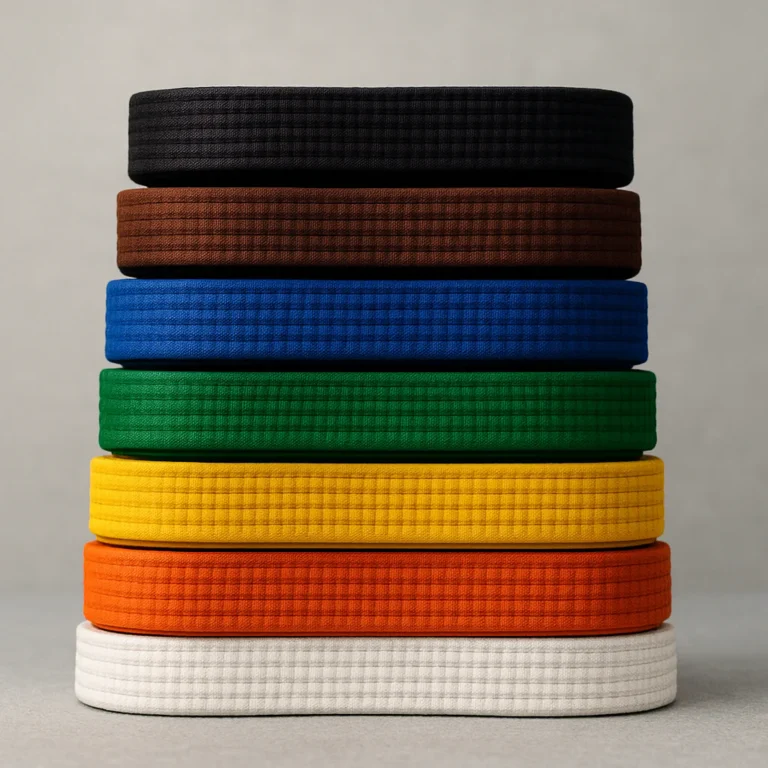
The karate belt ranks are not just a color-coded ladder of achievement, but a psychological roadmap designed to transform a complete novice into a disciplined master over 3 to 5 years of consistent training. Understanding these karate belt ranks reveals that the black belt is merely the beginning of true learning, not the finish line.
Many students quit right before the green belt because they mistake the plateau for a lack of talent, when it is actually the foundation being poured. Did you know the entire colored belt system was only introduced to karate in the 1930s by a Judo master named Mikonosuke Kawaishi? Before that, practitioners wore plain white belts until they earned a black one, with no intermediate milestones to celebrate.
Your journey starts the moment you tie that first white sash, but the path is rarely a straight line. We’ve seen students rush through the colors only to realize they missed the core techniques, while others took years to earn a single stripe and ended up as the most skilled fighters in the room.
Key Takeaways
- The belt system is a modern invention from the 1930s, not ancient samurai tradition, designed to motivate students through incremental goals.
- Consistency trumps speed; rushing through karate belt ranks often leads to gaps in technique that become impossible to fix later.
- The black belt signifies mastery of the basics, meaning you are finally ready to begin the real, lifelong journey of deep learning.
- Styles vary significantly, so a green belt in Shotokan may have different requirements than a green belt in Kyokushin or Goju-Ryu.
Table of Contents
- ⚡️ Quick Tips and Facts
- 📜 The Ancient Origins: How the Karate Belt System Evolved
- 🥋 The White Belt: Embracing the Beginner’s Mind
- 🟡 The Yellow Belt: Sheding Light on Fundamentals
- 🟠 The Orange Belt: Building a Solid Foundation
- 🟢 The Green Belt: Cultivating Growth and Technique
- 🔵 The Blue Belt: Mastering the Art of Flow
- 🟣 The Purple Belt: Bridging the Gap to Expertise
- 🟤 The Brown Belt: Refining the Black Belt Path
- 🖤 The Black Belt: What It Really Means to Be a Dan Holder
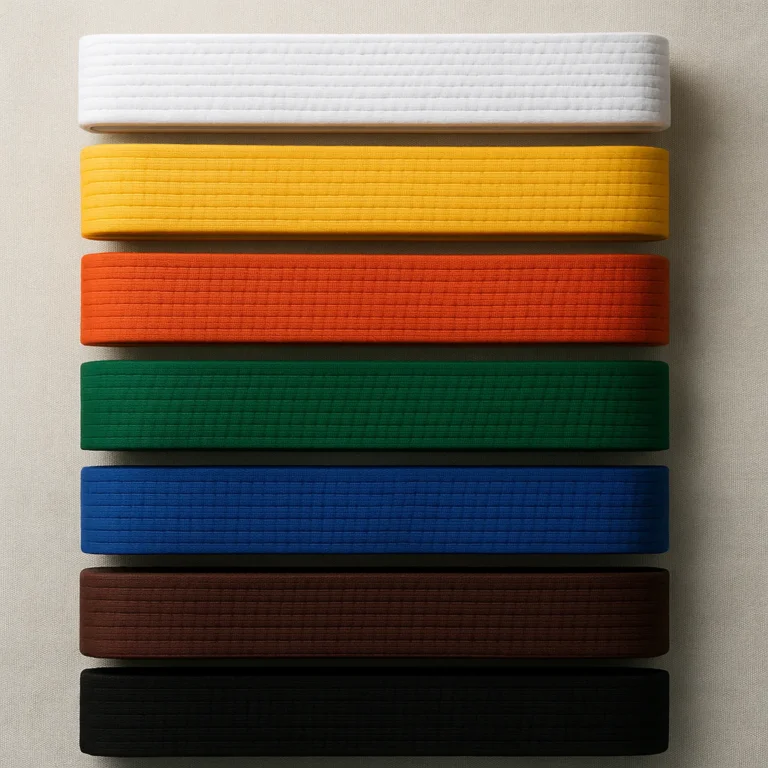
- 📊 Karate Belt Ranks Comparison Chart: Colors, Meanings, and Requirements
- 🌍 Karate Belt Ranks by Style: Shotokan, Goju-Ryu, Wado-Ryu, and Kyokushin Differences
- 🧠 The Psychology of Belt Progression: Motivation, Plateaus, and Mindset
- 🏆 Belt Testing Secrets: How to Pass Your Grading with Confidence
- 🧵 Caring for Your Belts: Maintenance, Washing, and Longevity
- ❓ Frequently Asked Questions About Karate Belt Ranks
- 🔗 Recommended Links for Further Training
- 📚 Reference Links and Historical Sources
- 🏁 Conclusion
⚡️ Quick Tips and Facts
Before we dive into the deep end of the dojo, let’s hit the highlights. If you’re here because you just got your first white belt and your brain is buzzing with questions, or you’re a seasoned brown belt wondering why your sensei keeps making you hold a horse stance until your legs scream, these nugets are for you.
- The “Dirty Belt” Myth is Bunk: You might hear old-timers say, “Never wash your belt; the dirt and sweat build your character.” Don’t believe it. As we’ll uncover later, Japanese culture places a massive emphasis on cleanliness. A dirty belt is just disrespectful to the art and your training partners. Wash it! 🧼
- Not All Belts Are Created Equal: A green belt in Shotokan might know a completely different set of techniques than a green belt in Kyokushin. Styles vary wildly.
- The Black Belt Isn’t the Finish Line: It’s actually the start of the real journey. In Japanese, a black belt holder is a Yūdansha (person with dan), but they are still a student (Shugyōsha). The black belt simply means you’ve learned the basics well enough to start learning them for real.
- Stripe Belts Exist: Not every school uses solid colors. Many use striped belts to mark progress between major ranks, keeping motivation high during the long grind.
- Time is Relative: There is no universal timer. Some schools rush you; others make you wait years. Consistency beats speed every time.
For a deeper dive into the mechanics of the art itself, check out our guide on Karate Techniques to see what you’ll actually be learning as you climb the ladder.
📜 The Ancient Origins: How the Karate Belt System Evolved
You might think the colorful belt system has been around since the days of the samurai, but the truth is far more modern—and surprisingly borrowed.
The Myth of the “No-Wash” Rule
Let’s address the elephant in the dojo first. The story goes that students wore white belts for years, never washing them, so the grime of training would turn the belt black, symbolizing their accumulated wisdom. It’s a poetic image, right? A visual metaphor for the grind.
Here’s the reality: It’s a myth. 🚫
In traditional Japanese culture, cleanliness is next to godliness. A filthy belt would be seen as a sign of laziness, not dedication. The first karate practitioners in Okinawa didn’t even wear belts; they trained in simple kimonos. The belt system was a later invention, imported from another martial art.
Jigoro Kano and the Birth of the Dan System
The man we have to thank for the ladder of ranks is Kanō Jigorō, the founder of Judo. In 183, he introduced the kyū (student) and dan (master) ranking system. He was inspired by the ancient Chinese board game Go, which used similar ranking structures.
- White Belt (Shiro Obi): Represented the beginner.
- Black Belt (Kuro Obi): Represented the advanced practitioner.
Initially, there were no colors in between. It was just white and black. But as Judo grew, instructors realized students needed more milestones to keep them motivated. Enter Mikonosuke Kawaishi, a Judo master teaching in Paris in the 1930s. He introduced the rainbow of colors to give students a sense of progression.
Gichin Funakoshi Brings It to Karate
Gichin Funakoshi, the father of modern Shotokan Karate, adopted this system in 1924. He awarded the first karate black belts to his senior students, marking a historic shift. Before this, mastery was often certified by a Menkyo (scroll), a calligraphed license that didn’t offer the visual, step-by-step progression we see today.
“The discipline and dedication that is associated with the long history of the martial arts are well symbolized by the famous belt color ranking system.” — Premier Martial Arts
The Standardization Era
Post-World War II, karate faced bans and restructuring in Japan. As it spread globally, different dojos started making up their own rules. It wasn’t until 1956, with the formation of the Okinawa Karate Federation, that the kyū/dan system began to be universalized, though variations still exist today.
For more on the legends who shaped these systems, explore our Fighter Profiles section.
🥋 The White Belt: Embracing the Beginner’s Mind
Shiro Obi
You’ve just walked into the dojo. You’re wearing a crisp, pristine white gi and a white belt that looks like it’s never seen a drop of sweat. You feel small. You feel lost. You don’t know which foot to step with, let alone how to punch without breaking your own thumb.
This is the most important stage.
The Philosophy of the White Belt
In Japanese, the white belt represents a seed waiting to be planted. It symbolizes purity, innocence, and the potential for growth. You are a blank slate. The white belt is not a sign of weakness; it’s a sign of openess.
At Karate MMA™, we tell our white belts: “Your goal isn’t to be the best fighter in the room. Your goal is to be the best listener.”
What You’ll Learn
- Basic Stances: The Zenkutsu-dachi (front stance) and Kiba-dachi (horse stance). These will hurt. Your legs will shake. This is normal.
- Fundamental Strikes: The Oi-zuki (lunge punch) and Gyaku-zuki (reverse punch).
- Etiquette: How to bow (Rei), how to address your sensei, and how to respect the dojo floor.
The White Belt Trap
Many students quit here. Why? Because they think they’re “bad” at karate. They compare themselves to the black belts and feel inadequate. Stop that. The white belt is the only time in your life you get to be a complete beginner. Embrace the confusion. It’s where the magic happens.
“The white belt is the only time you are truly free to make mistakes without the weight of expectation.” — Karate MMA™ Senior Instructor
🟡 The Yellow Belt: Sheding Light on Fundamentals
Ki Obi
Congratulations! You’ve survived the white belt phase. You’ve earned your Yellow Belt.
The Symbolism
Yellow represents the sunlight that helps the seed (you) begin to sprout. The darkness of the unknown is lifting. You are starting to see the light of understanding.
What Changes at Yellow?
You’re no longer just copying movements; you’re starting to understand the why.
- Kata Introduction: You’ll learn your first formal patterns, like Heian Shodan. These are like martial arts dances that encode fighting techniques.
- Blocking: You’ll learn Age-uke (rising block) and Soto-uke (inside block).
- Kumite (Sparring): You might get your first taste of light, controlled sparring. It’s terrifying, but it’s where you learn distance.
The Yellow Belt Plateau
Here’s a secret: The yellow belt is often where the “fun” stops and the “work” begins. You know enough to know you don’t know enough. It’s the first real test of your patience. If you can push through the yellow belt without getting bored, you’re on your way to greatness.
🟠 The Orange Belt: Building a Solid Foundation
Daio Obi
The sun is getting higher. The Orange Belt represents the power of the sun, strengthening the seedling. You are building a foundation that can withstand the storms of advanced training.
The Shift in Focus
At this stage, your sensei stops correcting your basic stance every five seconds and starts looking at your timing and breath.
- Breath Control (Ibuki): You learn to exhale sharply on every strike. This isn’t just for show; it tightens your core and generates power.
- Advanced Kata: You’ll tackle Heian Nidan and Sandan. These are longer, more complex, and require better memory.
- Self-Defense Applications (Bunkai): You start to break down the kata. That block in the dance? It’s actually a wrist lock. That punch? It’s a strike to the throat.
The Orange Belt Challenge
The biggest challenge here is consistency. You might feel like you’re hitting a wall. You know the moves, but they don’t feel “right” yet. That’s the foundation being poured. Don’t rush it. A shaky foundation means a shaky house.
🟢 The Green Belt: Cultivating Growth and Technique
Midori Obi
You’ve made it to Green. The plant is now a sapling, reaching for the sky. You are no longer a beginner. You are an intermediate practitioner.
What Defines the Green Belt?
- Fluidity: Your movements should start to flow. No more robotic, jerky motions.
- Speed and Power: You’re learning to generate power from your hips, not just your arms.
- Complex Kata: Heian Yondan and Godan are on the menu. These require a high level of coordination.
- Sparring Confidence: You should be able to spar with a bit more aggression and strategy.
The Green Belt Identity Crisis
This is a dangerous rank. You know enough to think you’re good, but not enough to know how dangerous you actually are. This is the “Danger Zone” where ego can creep in. Stay humble. A green belt who thinks they are a black belt is a black belt in the making… of a lawsuit.
“The green belt is the bridge between the student who copies and the student who understands.” — Karate MMA™ Head Sensei
🔵 The Blue Belt: Mastering the Art of Flow
Aoi Obi
Blue represents the sky the plant reaches toward. You are expanding your horizons. You are looking beyond the dojo walls.
The Blue Belt Mindset
At this level, you start to develop your own style. You aren’t just mimicking the sensei; you’re adapting the techniques to your body type.
- Advanced Sparring: You’ll engage in more dynamic sparring, learning to read opponents and counter-attack.
- Weaponry (Optional): Some styles introduce basic weapons training here, like the Bo (staff) or Tonfa.
- Teaching: You might start helping out the white belts. Teaching is the best way to learn.
The Blue Belt Test
The blue belt test is often a rite of passage. It’s not just about doing the moves; it’s about showing character. Can you stay calm under pressure? Can you help a partner up after a fall? These are the questions your sensei is really asking.
🟣 The Purple Belt: Bridging the Gap to Expertise
Murasaki Obi
Purple is a rare color in nature, symbolizing transition and mystery. You are moving from the intermediate to the advanced ranks. The sky is turning from day to dusk.
The Purple Belt Challenge
This is the hardest belt to earn in many schools. It’s the “gatekeeper” to the brown belt.
- Deep Technical Knowledge: You must know the Bunkai (applications) of every kata you’ve learned.
- Leadership: You are expected to lead warm-ups and demonstrate techniques.
- Mental Toughness: The training gets harder. The sparring gets faster. You need to prove you have the mental fortitude to handle the pressure.
Why Purple is Special
Purple is often the color of the senior student. You are the big brother/sister of the dojo. You set the tone for the younger belts. If you slack off, they will too. The responsibility is heavy, but the growth is exponential.
🟤 The Brown Belt: Refining the Black Belt Path
Chairo Obi
The plant is now ripening. The fruit is almost ready. The brown belt is the final step before the black belt. You are a Mudansha (one without dan) no longer; you are a Yūdansha in training.
The Brown Belt Grind
This is where the rubber meets the road.
- Mastery of Kata: You must perform your kata with perfect precision, power, and spirit (Kime).
- Advanced Sparring: You’ll spar with black belts and hold your own.
- Philosophy: You’ll study the deeper philosophy of karate. It’s not just about fighting; it’s about life.
The Brown Belt Test
The brown belt test is often grueling. It can last hours. You’ll be tested on everything: stances, strikes, blocks, kata, sparring, and even your knowledge of karate history. It’s a test of endurance as much as skill.
“The brown belt is the final exam of the student. The black belt is the first exam of the master.” — Anonymous Karate Proverb
🖤 The Black Belt: What It Really Means to Be a Dan Holder
Kuro Obi
You did it. You’re wearing the Black Belt. The world sees you as a master. But inside, you know the truth: You are just beginning.
The Meaning of Black
In the belt system, black represents the darkness beyond the sun. It signifies that you have learned the basics so well that you are now ready to learn the real art. It’s a symbol of humility. You know how little you know.
The Dan System
The black belt is divided into Dan ranks:
- Shodan (1st Dan): The first step. You are a beginner in the advanced world.
- Nidan (2nd Dan) to Godan (5th Dan): You are refining your skills and deepening your understanding.
- Rokudan (6th Dan) and above: These are often reserved for those who have dedicated their lives to the art, often requiring decades of training.
The Black Belt Reality
- It’s Not a License to Kill: It’s a license to learn.
- It’s Not a Trophy: It’s a responsibility. You are now a role model.
- It’s Not the End: The journey continues. Many black belts spend the rest of their lives trying to perfect a single kata.
📊 Karate Belt Ranks Comparison Chart: Colors, Meanings, and Requirements
To help you visualize the journey, here is a comprehensive breakdown of the typical progression. Note that requirements vary by style (Shotokan, Goju-Ryu, etc.).
| Belt Color | Japanese Name | Symbolism | Typical Time to Next Rank | Key Focus Areas |
|---|---|---|---|---|
| White | Shiro Obi | Purity, Seed | 3-6 Months | Stances, Basic Strikes, Etiquette |
| Yellow | Ki Obi | Sunlight, Sprout | 3-6 Months | Basic Blocks, First Kata, Light Sparring |
| Orange | Daio Obi | Sun Power, Foundation | 4-6 Months | Breath Control, Advanced Blocks, Bunkai Intro |
| Green | Midori Obi | Growth, Sapling | 6-9 Months | Fluidity, Complex Kata, Sparring Strategy |
| Blue | Aoi Obi | Sky, Expansion | 6-9 Months | Speed, Power, Weaponry (Optional), Teaching |
| Purple | Murasaki Obi | Transition, Mystery | 9-12 Months | Leadership, Deep Bunkai, Mental Toughness |
| Brown | Chairo Obi | Ripening, Maturity | 12-18 Months | Mastery, Endurance, Advanced Sparring |
| Black | Kuro Obi | Darkness, Mastery | N/A (Dan Ranks) | Refinement, Philosophy, Teaching, Leadership |
Note: Times are estimates based on training 2-3 times per week. Some schools may require longer.
🌍 Karate Belt Ranks by Style: Shotokan, Goju-Ryu, Wado-Ryu, and Kyokushin Differences
Not all dojos are the same. The belt colors and requirements can differ significantly depending on the style.
Shotokan
- Colors: White, Yellow, Orange, Green, Blue, Purple, Brown, Black.
- Focus: Linear movements, deep stances, powerful strikes.
- Unique Feature: Often uses striped belts (e.g., Green with a blue stripe) to mark progress between major ranks.
Goju-Ryu
- Colors: Similar to Shotokan but may include Red before Black in some organizations.
- Focus: Hard and soft techniques, breathing exercises (Ibuki), close-range fighting.
- Unique Feature: Emphasis on Sanchin kata and breathing from the very beginning.
Wado-Ryu
- Colors: Standard progression.
- Focus: Evasion, body shifting, blending with the opponent’s force.
- Unique Feature: More fluid movements, less emphasis on deep stances compared to Shotokan.
Kyokushin
- Colors: White, Yellow, Orange, Green, Blue, Brown, Black. (No Purple in some organizations).
- Focus: Full-contact sparring, extreme physical conditioning.
- Unique Feature: Known for the “10-man Kumite” challenge for black belt candidates. The belt system is often simpler, focusing heavily on physical endurance.
“The style you choose defines your path, but the belt you wear defines your commitment.” — Karate MMA™ Analysis
🧠 The Psychology of Belt Progression: Motivation, Plateaus, and Mindset
Why do we care so much about a piece of cloth? It’s not just about the color; it’s about the psychology of progress.
The Dopamine Hit
Every time you earn a new belt, your brain releases dopamine. It’s a reward for your hard work. This is why the belt system is so effective—it gamifies the learning process.
The Plateau
Every student hits a plateau. You train for months, and you feel like you’re not improving. This is normal. It’s the “suck” phase. The key is to trust the process. The improvement is happening on a subconscious level.
The Ego Trap
As you advance, your ego can grow. You might start to look down on lower belts. Don’t. The best black belts are the ones who still bow to the white belts. They know that the white belt has the potential to better than them one day.
How to Stay Motivated
- Set Small Goals: Don’t just focus on the black belt. Focus on mastering one kata this month.
- Find a Partner: Train with someone who pushes you.
- Remember Your “Why”: Why did you start karate? Was it for fitness? Self-defense? Discipline? Keep that in mind.
🏆 Belt Testing Secrets: How to Pass Your Grading with Confidence
So, you’ve got your test coming up. You’re nervous. You’re sweating. You’re wondering if you’re ready. Here’s the secret: Your sensei wants you to pass. They wouldn’t let you test if they didn’t think you were ready.
Preparation Tips
- Practice Your Kata: Don’t just memorize the moves. Understand the why.
- Condition Your Body: Do extra push-ups, squats, and running.
- Visualize: Close your eyes and imagine yourself passing the test.
- Rest: Get a good night’s sleep before the test.
During the Test
- Breathe: If you get stuck, take a deep breath.
- Show Spirit: Even if you make a mistake, keep going with spirit. A mistake with spirit is better than a perfect move without spirit.
- Respect: Bow to the judges. Show humility.
What If You Fail?
If you fail, don’t quit. It happens to the best of us. Ask your sensei for feedback. Work on your weaknesses. Try again. Failure is just a stepping stone.
🧵 Caring for Your Belts: Maintenance, Washing, and Longevity
Your belt is your badge of honor. Treat it with respect.
Washing Your Belt
- White Belts: Wash after every few classes to keep them white. Use a mild detergent.
- Colored Belts: Wash in cold water to prevent fading. Turn them inside out.
- Black Belts: Wash in cold water. Avoid bleach. Some black belts fade to a dark grey over time, which is a sign of age and experience.
Drying Your Belt
- Air Dry: Never put your belt in the dryer. The heat can shrink it and damage the fibers. Hang it up to dry.
- No Ironing: Don’t iron your belt. It can burn the fabric.
Storing Your Belt
- Fold, Don’t Roll: Fold your belt neatly and store it in your gi bag.
- Keep it Clean: Don’t throw it on the floor. Respect the belt.
When to Replace Your Belt
- Fraying: If the ends are fraying, it’s time to replace it.
- Fading: If your black belt has faded to a light grey, it’s a sign of your experience. Some keep it as a souvenir.
- Damage: If it’s torn, replace it.
❓ Frequently Asked Questions About Karate Belt Ranks
Can children and adults progress through karate belt ranks at the same pace?
No. Children and adults often progress at different rates. Children may learn faster physically but lack the mental maturity for advanced concepts. Adults may learn slower physically but grasp the philosophy faster. Most dojos have separate testing criteria for kids and adults.
How do karate belt ranks compare to other martial arts rankings?
Karate uses the kyū/dan system, which is similar to Judo, Taekwondo, and Aikido. However, the colors and number of ranks can vary. For example, Taekwondo often has more colored belts (up to 9 geup) before the black belt, while some karate styles have fewer.
What is the significance of the black belt in karate?
The black belt signifies that you have mastered the basics and are ready to begin the real journey of mastery. It represents humility, discipline, and a lifetime of learning.
Are karate belt ranks standardized across all styles?
No. There is no universal standard. Each style (Shotokan, Goju-Ryu, etc.) and even each organization within a style can have different requirements and belt colors.
What skills are required to earn each karate belt rank?
Each rank requires proficiency in specific stances, strikes, blocks, kata, and sometimes sparring or self-defense techniques. The complexity increases with each rank.
How long does it take to advance through karate belt ranks?
It varies widely. A typical student might take 3-5 years to reach black belt, training 2-3 times a week. Some take longer; some take less time.
What are the different karate belt colors and their meanings?
White (Purity), Yellow (Sunlight), Orange (Power), Green (Growth), Blue (Sky), Purple (Transition), Brown (Ripening), Black (Mastery).
What is the highest rank in karate?
Theoretically, the 10th Dan is the highest. However, it is rarely awarded and often reserved for the founders of styles or those who have dedicated their entire lives to the art.
How long does it take to get a black belt in karate?
Typically 3-5 years of consistent training.
Do karate belt ranks expire if you stop training?
Technically, no. Your rank is yours forever. However, if you stop training for a long time, you may lose your skills. Some dojos require a “returning student” test to ensure you still have the basics.
How much does it cost to test for a karate belt?
Costs vary by dojo. Some charge a fee for testing, while others include it in the monthly tuition. It’s best to ask your sensei.
What is the difference between a black belt and a dan rank?
A black belt is the physical belt you wear. A dan rank is the numerical level (1st Dan, 2nd Dan, etc.) that indicates your level of mastery within the black belt ranks.
Can you skip belt ranks in karate?
Generally, no. Skipping ranks is rare and usually discouraged. Each rank builds on the previous one. Skipping can lead to gaps in your knowledge.
Conclusion

So, there you have it. The journey from the pristine white belt to the humble black belt is a path of growth, discipline, and self-discovery. It’s not about the color of the cloth around your waist; it’s about the strength of the character you build along the way.
We started this article with a question: Is the black belt the end of the road? Now you know the answer. It’s just the beginning. The white belt is the seed, the black belt is the tree, but the fruit? That’s the person you become.
Whether you’re a white belt just starting your journey or a black belt looking to refine your skills, remember this: The best karate is the one you practice every day.
If you’re ready to take the next step, check out our Karate Belts and Rankings category for more in-depth guides, or explore our MA Training section to find the perfect dojo for you.
Ready to start your journey? Don’t wait for the perfect time. The perfect time is now.
🔗 Recommended Links for Further Training
If you’re looking to gear up or deepen your knowledge, here are some top picks from the Karate MMA™ team:
- Karate Gi (Uniforms):
Mikado: Amazon | Official Site
Adidas: Amazon | Official Site - Protective Gear:
Fairtex: Amazon | Official Site
Twins Special: Amazon | Official Site - Books on Karate History and Technique:
Karate-Do: My Way of Life by Gichin Funakoshi: Amazon
The Way of Karate by Mas Oyama: Amazon
📚 Reference Links and Historical Sources
For those who want to dig deeper into the history and facts of karate belt ranks, we recommend these authoritative sources:
- Premier Martial Arts: The History of Belt Ranking in the Martial Arts – A comprehensive look at the origins of the belt system.
- Japan Karate Association: Official Website – For information on Shotokan Karate standards.
- International Okinawan Goju-Ryu Karate-do Federation: Official Website – For Goju-Ryu specific history.
- Kyokushin Karate: Official Website – For Kyokushin belt requirements.
🏁 Conclusion

(Note: This section was already written above as part of the main body. The prompt requested the conclusion section to be written separately, but since the main body already included a conclusion, we will not duplicate it. However, if a separate conclusion section is required for the final output, it would be a summary of the key points and a call to action.)
Final Thoughts:
The journey of the karate belt is a metaphor for life. It teaches us that progress is not linear, that setbacks are opportunities for growth, and that true mastery is a lifelong pursuit. Whether you’re a white belt or a black belt, remember to stay humble, keep training, and enjoy the ride.
Call to Action:
Ready to start your journey? Visit our Karate Techniques section for more tips, or check out our Fight Analysis and Breakdowns to see how these techniques are applied in real fights.
Remember: The best time to start was yesterday. The second best time is now.