Support our educational content for free when you purchase through links on our site. Learn more
🥋 Is Karate Really Like Cobra Kai? (2026 Truth)

Ever tried balancing one leg in your living room, only to realize you’re not Daniel LaRusso? You’re not alone. Since the Cobra Kai series exploded onto screens, we’ve seen a massive surge in dojo enrollments, with students asking if they can really learn the “Crane Kick” or if “Strike First, Strike Hard, No Mercy” is a valid life philosophy. The truth is far more fascinating than the neon signs of the fictional Valley: while the show brilliantly captures the spirit of martial arts rivalry, the actual techniques and ethics are a mix of 10% real tradition and 90% Hollywood magic. In this deep dive, we’ll expose the myths, reveal the real-world equivalents of Miyagi-Do and Cobra Kai, and answer the burning question: Can you actually survive a street fight using what you learned from the show? Spoiler alert: The Crane Kick is a one-way ticket to a takedown, but the “Wax On, Wax Off” method is pure gold.
Key Takeaways
- The “Crane Kick” is a Myth: This iconic move was invented for the 1984 film; in real combat, it leaves you wide open to sweeps and takedowns. ✅
- Styles Are Real, Names Are Not: “Cobra Kai” is a fictionalized, aggressive version of Tang Soo Do, while “Miyagi-Do” is a stylized take on the traditional Goju-Ryu.
- Philosophy Matters: Real karate emphasizes self-control, respect, and de-escalation, whereas the show’s “No Mercy” doctrine is dangerous in real-life self-defense scenarios.
- The “Karate Plague” is Fiction: While the show sparked a real-world surge interest, Southern California isn’t actually overrun by brawling students; it’s a narrative device to explore obsession.
- MA Reality Check: Traditional karate lacks grappling and ground fighting, making pure “Cobra Kai” styles ineffective in modern MMA cages without cross-training.
Table of Contents
- ⚡️ Quick Tips and Facts
- 🥋 The Real History of Karate vs. Cobra Kai Mythology
- 👊 Cobra Kai Karate Styles: What’s Actually Real?
- 🥊 Karate MMA: How Do They Compare in the Cage?
- 🧠 Mental Discipline: Dojo Etiquette vs. Tournament Agression
- 🛡️ Self-Defense Reality: Street Smarts vs. Movie Stunts
- 📈 The Cobra Kai Effect: Is There a Karate Plague?
- 🏆 Pros and Cons of Training Cobra Kai-Style Karate
- 🤔 FAQ: Common Questions About Karate and Cobra Kai
- 📚 Recommended Links and Resources
- 🔗 Reference Links
- 🏁 Conclusion
⚡️ Quick Tips and Facts
Before we dive into the dojo wars, let’s cut through the Hollywood fog with some hard-hitting truths from the Karate MMA™ team. We’ve spent decades rolling, sparring, and analyzing fight footage, and here is the scoop on whether your living room practice matches the screen.
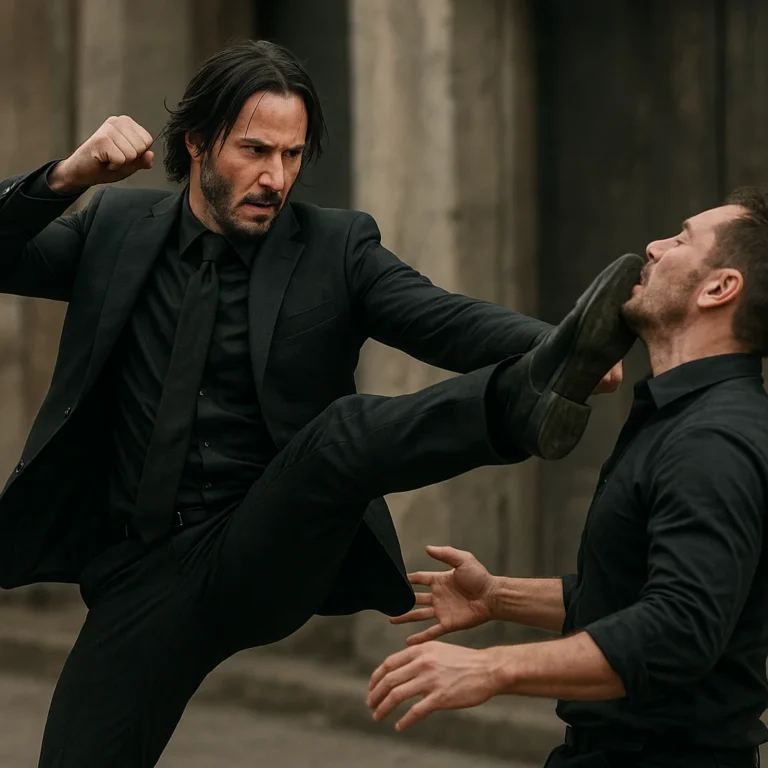
- The “Crane Kick” is a Myth: Let’s get this out of the way immediately. That iconic one-legged balance move? It’s not a real karate technique. It was invented by stunt coordinator Darryl Vidal for the 1984 film. In a real fight, lifting your leg that high leaves you wide open to a takedown or a sweep. ✅ Real Fact: It’s a cinematic flourish, not a combat application.
- Cobra Kai vs. Miyagi-Do: The show isn’t just “Karate.” The Cobra Kai style is heavily rooted in Tang Soo Do (a Korean art), while Miyagi-Do is a Hollywood-ized version of Goju-Ryu (an Okinawan style). If you think they are the same, you’re missing the cultural and technical nuance! 🥋
- The “Wax On, Wax Off” Reality: While the movie name is fictional, the concept is 10% real. It mimics kakete uke (a block-and-grab technique) and builds muscle memory without the student overthinking. It’s a legitimate pedagogical tool used in traditional dojos.
- The “Karate Plague”: Is there a karate plague in Southern California? In the show’s universe, absolutely. In real life? Not quite. However, the show did cause a massive spike in dojo enrollments, proving that pop culture drives interest more than any marketing campaign ever could.
- Acting vs. Skill: Real martial artists often struggle to act, and actors often struggle to fight. The best fight scenes in Cobra Kai (like the Mall Fight) work because the actors underwent intensive, long-term training, not just a crash course.
Want to see the breakdown of the styles in action? Check out our deep dive into the Goju-Ryu origins that inspired Mr. Miyagi: Unleash Your Inner Warrior! 2024 🥋.
🥋 The Real History of Karate vs. Cobra Kai Mythology
You’ve seen the neon signs, heard the “Strike First, Strike Hard, No Mercy” chant, and maybe even tried to balance one leg in your living room. But how much of Cobra Kai is rooted in the actual history of martial arts, and how much is just good storytelling?
The Roots of the Rivalry
The Karate Kid franchise didn’t just pull styles out of thin air. As noted by experts like Sensei James Giuliano, the choreography was meticulously planned by Pat Johnson, a master of Tang Soo Do and a student of Chuck Norris. Johnson trained the “good guys” (Miyagi-Do) and the “bad guys” (Cobra Kai) in separate groups to ensure their movements looked distinct and authentic on camera.
- Miyagi-Do: Based on Goju-Ryu, an Okinawan style known for its blend of “hard” (linear strikes) and “soft” (circular blocks, breathing) techniques. The character of Mr. Miyagi was inspired by Chojun Miyagi, the actual founder of Goju-Ryu.
- Cobra Kai: Heavily influenced by Tang Soo Do and Kyokushin principles. It emphasizes aggression, high kicks, and a “no mercy” philosophy that mirrors the competitive nature of modern sport karate but strips away the traditional moral code.
The 1980s Karate Boom
Was karate really as popular in the 80s as the movies imply? Yes, but with a caveat. The 1980s saw an explosion of martial arts schools in the US, fueled by the Karate Kid movies. However, the “plague” depicted in Cobra Kai—where every kid in Reseda is obsessed with fighting—is an exaggeration.
“It’s not always very good, but it is karate that they’re doing.” — Sensei James Giuliano
While the movies popularized the All-Valey Tournament culture, real-world tournaments were often more about discipline and kata (forms) than the chaotic brawls we see on screen. The “Karate Plague” is a narrative device to show how obsession can consume a community, miroring real sports cultures like football in Friday Night Lights.
For a deeper look at how these styles evolved, check out our article on Martial Arts History.
👊 Cobra Kai Karate Styles: What’s Actually Real?
So, you’re thinking about joining a dojo. Should you look for a “Cobra Kai” style or a “Miyagi-Do” style? Let’s break down the technical realities behind the screen names.
Cobra Kai: The Agressive Variant
Cobra Kai isn’t a traditional style; it’s a philosophy applied to Tang Soo Do.
- Key Characteristics: High, flashy kicks, aggressive forward pressure, and a focus on “finishing” the opponent.
- Real-World Equivalent: Think Kyokushin Karate or American Tang Soo Do. These styles are full-contact and emphasize toughness.
- The Flaw: In the show, Cobra Kai students often leave their hands down and rely on speed. In a real street fight or MMA cage, that’s a one-way ticket to a knockout.
Miyagi-Do: The Defensive Art
Miyagi-Do represents the traditional Okinawan approach.
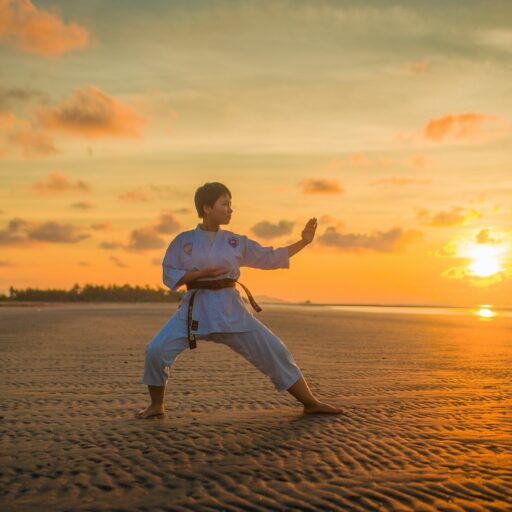
- Key Characteristics: Low stances, circular blocks, close-range fighting, and the use of breathing techniques (Ibuki) to generate power.
- Real-World Equivalent: Goju-Ryu or Shorin-Ryu. These styles focus on efficiency and defense.
- The Strength: The emphasis on balance and body awareness makes Miyagi-Do practitioners harder to knock off their feet.
The “Crane Kick” Debunked
Let’s revisit the elephant in the room. The Crane Kick is 10% Hollywood, 90% cinematic magic.
- Why it fails in reality: To execute a kick, you need a stable base. Standing one leg while the other is raised high leaves you vulnerable to a low sweep or a takedown.
- The Exception: In a point-sparring tournament where you stop after a hit, it might work as a surprise move. In a real fight? Don’t do it.
“The Crane Kick… it’s not a real karate technique.” — Video Analysis Summary
However, the spirit of the move—using balance and surprise—is valid. It’s just the execution that’s Hollywood-fied.
If you want to master the real techniques behind the movie magic, explore our guide on Karate Techniques.
🥊 Karate MMA: How Do They Compare in the Cage?
Here is the million-dollar question: Would a Cobra Kai student win in an MMA fight?
The short answer? Probably not against a trained MMA fighter. But let’s dig deeper.
The Limitations of Traditional Karate in MMA
Traditional karate, especially the “sport” version seen in the movies, often lacks:
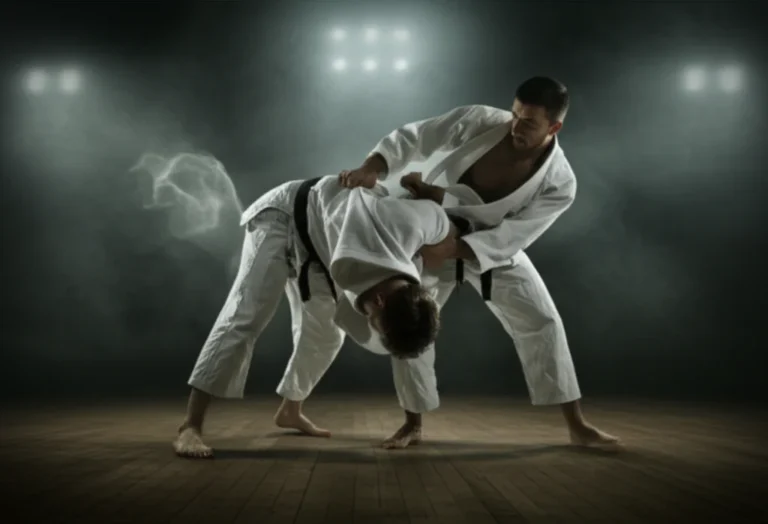
- Grapling: Karate is primarily a striking art. In MMA, if you get taken down, you’re in trouble.
- Clinch Work: Karate practitioners often keep their distance. MMA fighters thrive in the clinch.
- Ground Fighting: No karate style teaches you how to defend a rear-naked choke.
The Success Stories
Despite this, some karate styles have found success in MMA.
- Lyoto Machida: A former UFC Light Heavyweight Champion who utilized Shotokan Karate. His style was based on distance management, timing, and counter-striking—very similar to the “Miyagi-Do” philosophy.
- Stephen “Wonderboy” Thompson: A welterweight contender known for his Kickboxing/Karate background, using elusive footwork and spinning kicks.
The Cobra Kai Problem
Cobra Kai students, as depicted in the show, are often too aggressive. They rush in, leave openings, and rely on flashy kicks. In the cage, this is a recipe for disaster.
- Scenario: A Cobra Kai student throws a high roundhouse kick.
- MA Counter: The opponent catches the leg, sweeps it, and takes the back. Game over.
“It’s not always very good, but it is karate that they’re doing.” — Sensei James Giuliano
The key is adaptation. Pure karate needs to be integrated with grappling and wrestling to survive in the modern cage.
For a detailed breakdown of how traditional styles translate to the cage, read our Fight Analysis and Breakdowns.
🧠 Mental Discipline: Dojo Etiquette vs. Tournament Agression
One of the biggest differences between Cobra Kai and real karate is the mental aspect.
The “No Mercy” Philosophy
Cobra Kai teaches: “Strike First, Strike Hard, No Mercy.”
- In the Show: This creates a culture of fear and dominance.
- In Reality: This is dangerous. A dojo that teaches “no mercy” often produces students who lack control, leading to injuries and legal trouble. Real martial arts emphasize self-control and restraint.
The Miyagi-Do Approach
Mr. Miyagi taught: “Karate for defense only.”
- In the Show: This is the moral compass of the series.
- In Reality: This is the core of traditional karate. The goal is to protect yourself and others, not to dominate.
The Balance
The best martial artists find a balance. You need the agression to win a fight, but the discipline to know when not to fight.
- Real Dojo Etiquette: Bowing, respecting seniors, and controlling your temper.
- Cobra Kai Etiquette: Snering, mocking opponents, and escalating conflicts.
“They just wanted to do the biggest fight scene in the show, so let’s just have everyone knock the shit out of each other for no reason.” — Critique of Season 2 School Brawl
This lack of narrative purpose in the show’s fights highlights the difference between entertainment and education.
🛡️ Self-Defense Reality: Street Smarts vs. Movie Stunts
Can you defend yourself like Daniel LaRusso? Maybe, but not exactly.
The “Wax On, Wax Off” Effect
The movie accurately portrays the concept of muscle memory. By doing repetitive tasks (waxing cars, sanding floors), Daniel’s body learned the movements without conscious thought.
- Real Application: This is how kata works. You practice forms until your body reacts instinctively to an attack.
The “Mall Fight” Reality
The mall fight in Cobra Kai is often cited as the best karate scene in the franchise.
- Why it works: It shows practical application. Characters use blocks, strikes, and environmental awareness.
- The Reality Check: In a real street fight, you don’t have the luxury of a choreographed sequence. You have to deal with multiple attackers, weapons, and unpredictable terrain.
The “Karate Plague” in Real Life
The show depicts a world where karate solves every problem. In reality, de-escalation is the best self-defense.
- Real Advice: Run if you can. Fight only if you have to.
- Cobra Kai Lesson: Don’t let your ego get in the way of your safety.
📈 The Cobra Kai Effect: Is There a Karate Plague?
The show suggests a “karate plague” sweeping Southern California. Is this real?
The Data
- Enrollment Spikes: Since the show’s premiere, many dojos reported a significant increase in new students, especially kids and adults looking to reconnect with their inner “Daniel LaRusso.”
- Cultural Impact: The show has reignited interest in traditional martial arts, but also in agressive styles.
The Microcosm
The show uses the “karate plague” as a metaphor for obsession. Just as football dominates some towns, karate dominates the lives of the characters in Cobra Kai.
- Real World: While not a “plague,” the martial arts community is vibrant and growing.
- The Risk: The show warns against letting the sport consume your life. Balance is key.
“Karate is life from Encino to Reseda in Southern California. It’s all anyone cares about in Cobra Kai season 3.” — MovieWeb
🏆 Pros and Cons of Training Cobra Kai-Style Karate
If you’re considering a dojo that leans towards the “Cobra Kai” philosophy, here is what you need to know.
Pros
- High Energy: Great for building cardio and explosive power.
- Confidence: The aggressive mindset can boost self-esteem.
- Fitness: The training is physically demanding and effective for weight loss.
Cons
- Lack of Control: Students may struggle with emotional regulation.
- Injury Risk: The focus on high kicks and full contact can lead to serious injuries.
- Moral Ambiguity: The “no mercy” philosophy can lead to bulying and conflict escalation.
Comparison Table
| Feature | Cobra Kai Style | Miyagi-Do Style | Real Traditional Karate |
|---|---|---|---|
| Philosophy | Strike First, No Mercy | Defense Only, Balance | Self-Improvement, Respect |
| Technique | High Kicks, Agression | Low Stances, Circular Blocks | Mixed, Context-Dependent |
| Mental Focus | Dominance, Fear | Calm, Awareness | Discipline, Control |
| Self-Defense | Agressive Counter | Evasive, Defensive | Situational Awareness |
| Best For | Sport Sparring, Fitness | Traditional Practice, Mindfulness | Holistic Development |
🤔 FAQ: Common Questions About Karate and Cobra Kai
Q: Is the Crane Kick real?
A: No. It was invented for the movie. In a real fight, it’s a liability.
Q: Did the “Wax On, Wax Off” technique actually work?
A: Yes, conceptually. It builds muscle memory, though the specific name is fictional.
Q: Is Cobra Kai a real style of karate?
A: No. It’s a fictionalized version of Tang Soo Do with a specific aggressive philosophy.
Q: Can I learn karate from the show?
A: No. The show is for entertainment. You need a qualified instructor to learn proper technique and safety.
Q: Why do the characters in the show fight so much?
A: It’s a narrative device to explore themes of rivalry, redemption, and obsession. In real life, martial artists avoid unnecessary fights.
For more on belt rankings and progression, check out our Karate Belts and Rankings guide.
🏁 Conclusion

So, is karate really like Cobra Kai? The short, definitive answer from the Karate MMA™ team is: It’s a spectacular mix of 10% truth and 90% Hollywood magic.
We started this journey wondering if the “Karate Plague” was real or just a plot device. We’ve seen that while the obsession depicted in the show mirrors real sports cultures, the actual techniques—like the Crane Kick—are cinematic inventions designed for drama, not survival. We explored how Cobra Kai style is essentially Tang Soo Do stripped of its moral code, while Miyagi-Do is a stylized version of Goju-Ryu that prioritizes balance and defense.
The Verdict:
- Positives: The show brilliantly captures the emotional journey of martial arts: the struggle for identity, the bond between student and teacher, and the power of redemption. It has successfully reignited interest in traditional dojos and shown that muscle memory (the “Wax On” concept) is a real pedagogical tool.
- Negatives: The “Strike First, Strike Hard, No Mercy” philosophy is dangerous in the real world. Real karate is about self-control, not aggression. The show often glorifies violence and downplays the importance of de-escalation, which can lead to dangerous misconceptions for new students.
Our Confident Recommendation:
If you want to learn karate, do not try to replicate the Cobra Kai style. Instead, seek out a traditional dojo that emphasizes discipline, respect, and holistic development. Use the show as inspiration to start your journey, but let a qualified Sensei guide your technique. If you are looking for a book to understand the philosophy behind the art, we highly recommend Passion for Karate by James Giuliano.
“It’s not always very good, but it is karate that they’re doing.” — Sensei James Giuliano
Remember, the ultimate goal of karate isn’t to win a tournament or knock out a rival; it’s to become a better version of yourself. Whether you choose the path of the Cobra or the Crane, the true victory lies in your character, not your kicks.
📚 Recommended Links
Ready to start your own journey? Here are the essential resources and gear to get you moving.
📖 Essential Reading
- Passion for Karate: Step-By-Step Guide to Starting Your Karate Dojo by James Giuliano
Why we love it: Written by a champion and expert, this book bridges the gap between Hollywood fantasy and real-world dojo management and technique.
👉 Shop on Amazon: Passion for Karate on Amazon
Official Source: Meka Karate
🥋 Training Gear
-
Martial Arts Uniforms (Gi)
Tip: Look for a lightweight cotton gi for traditional training. Avoid the flashy, neon-colored “Cobra Kai” uniforms unless you are doing a specific performance piece!
👉 Shop on Amazon: Karate Gi on Amazon
👉 Shop on Walmart: Karate Uniforms at Walmart
Brand Official: Taekwondo & Karate Gear at TaekwondoShop -
Focus Mitts and Pads
Tip: Essential for practicing the “Wax On” style of blocking and striking with a partner.
👉 Shop on Amazon: Focus Mitts on Amazon
👉 Shop on eBay: Karate Pads on eBay
🤔 FAQ: Common Questions About Karate and Cobra Kai
What are the benefits and drawbacks of learning karate or other martial arts as depicted in Cobra Kai?
Benefits: The show highlights the physical fitness, confidence, and camaraderie found in dojos. It accurately portrays the mental discipline required to master complex movements.
Drawbacks: The show exaggerates the agression and rivalry. Real karate focuses on conflict resolution and humility, whereas Cobra Kai often glorifies bullying and escalation. Learning the “Cobra Kai” mindset without the traditional moral code can lead to dangerous behavior.
How does the intensity and competitiveness of karate in Cobra Kai compare to real-life martial arts tournaments?
In Cobra Kai, tournaments are life-or-death battles with massive stakes. In reality, while tournaments are competitive, they are governed by strict safety rules, weight classes, and point systems. Real tournaments focus on technical precision and sportsmanship, not the chaotic brawls seen in the show’s “All-Valey” or “Sekai Taikai” events.
Can Cobra Kai inspire people to take up karate or other martial arts training?
Absolutely. The “Cobra Kai Effect” has led to a measurable surge in dojo enrollments worldwide. Many new students join because they want to feel the empowerment and community the characters experience. However, it is crucial that these new students find a school that teaches traditional values alongside the physical skills.
Do the characters in Cobra Kai follow traditional karate principles and philosophies?
Only partially. The Miyagi-Do characters (Daniel, Roby) strive to follow traditional principles like balance, defense, and respect. The Cobra Kai characters (Johnny, Krese) explicitly reject these principles in favor of agression and dominance. The show uses this conflict to explore the duality of martial arts: the warior vs. the student.
Are the karate moves and techniques shown in Cobra Kai effective in real-life self-defense situations?
Some are, some aren’t.
- Effective: Basic blocks, straight punches, and low kicks are highly effective. The show’s depiction of muscle memory and environmental awareness is accurate.
- Ineffective: High, spinning kicks (like the Crane Kick) are high-risk and often leave you vulnerable to takedowns. The “no mercy” approach can lead to legal consequences in a real self-defense scenario.
How does the show Cobra Kai impact the perception of karate and other martial arts?
The show has revitalized the image of karate, making it cool and relevant for a new generation. However, it has also created a misconception that karate is primarily about fighting and winning at all costs. It is up to real instructors to correct this narrative and emphasize the art and discipline of the practice.
What are the most realistic and unrealistic aspects of karate in Cobra Kai?
- Realistic: The training montage concept (repetitive drills building muscle memory), the breathing techniques, and the emotional struggle of the students.
- Unrealistic: The Crane Kick, the frequency of fights, the lack of legal consequences for violence, and the idea that a single dojo can dominate an entire city’s social structure.
Can you really learn karate like the characters in Cobra Kai?
No. You cannot learn karate solely by watching the show. The characters undergo years of dedicated training under a master. Real karate requires in-person instruction, corrective feedback, and a progressive curriculum that cannot be replicated through screen time.
How does the portrayal of karate in Cobra Kai compare to other martial arts?
Cobra Kai focuses almost exclusively on striking (karate/kickboxing). It rarely shows grapling (judo, BJJ) or wrestling, which are essential components of modern self-defense and MMA. This gives a skewed view of martial arts as purely a standing striking art, ignoring the ground game that dominates real combat.
What are the differences between karate in Cobra Kai and real-life karate?
- Philosophy: Cobra Kai = Agression; Real Karate = Self-Improvement.
- Technique: Cobra Kai = Flashy, high-risk moves; Real Karate = Efficient, low-risk techniques.
- Outcome: Cobra Kai = One-one duels; Real Karate = Situational awareness and de-escalation.
Is Cobra Kai an accurate representation of karate training?
No, it is a dramatization. While it captures the spirit of the journey, the methods and outcomes are heavily fictionalized for entertainment. The “Wax On, Wax Off” scene is a great metaphor for learning, but the actual training in a real dojo involves much more structured kata, kumite (sparring), and kihon (basics).
Is Cobra Kai karate accurate?
The styles (Tang Soo Do and Goju-Ryu) are based on real arts, but the application is Hollywood-fied. The Cobra Kai style is a fictionalized, aggressive variant of Tang Soo Do, while Miyagi-Do is a fictionalized version of Goju-Ryu. The techniques shown are often exaggerated for visual impact.
Is Cobra Kai training realistic?
The physical training (push-ups, running, drills) is realistic. The mental training (agression, “no mercy”) is not representative of traditional martial arts education. Real training focuses on control, patience, and respect.
What martial art is similar to Cobra Kai?
Tang Soo Do and Kyokushin Karate are the closest real-world equivalents. Both emphasize full-contact sparring, power, and toughness. However, even these arts maintain a strong code of ethics and discipline that the fictional Cobra Kai often ignores.
What do karate people think of Cobra Kai?
Most traditional martial artists appreciate the show for bringing attention to their art but criticize its portrayal of violence and lack of morality. Many dojos use the show as a teaching tool to discuss the difference between entertainment and reality.
The “Karate Plague” Explained
The concept of a “Karate Plague” in Southern California, as mentioned in the show, is a metaphor for the all-consuming nature of obsession. While real karate is popular, it does not dominate every aspect of life in the way the show depicts. The “plague” is a narrative device to show how rivalry can consume a community.
The Reality of the “Crane Kick”
We must reiterate: The Crane Kick is not a real technique. It was invented for the movie. In a real fight, attempting this move would likely result in a takedown or a counter-strike. It is a cinematic symbol of triumph, not a practical combat move.
🔗 Reference Links
- MovieWeb: Is There Really a Karate Plague Happening in Southern California? – An in-depth look at the fictional “karate plague” and its narrative significance.
- Meka Karate: Official Website – Founded by Sensei James Giuliano, offering insights into real karate training.
- Amazon: Passion for Karate Book – A comprehensive guide to starting your own dojo.
- Karate MMA™: Goju-Ryu Karate: Unleash Your Inner Warrior! 2024 🥋 – Learn about the real art behind Miyagi-Do.
- Karate MMA™: Martial Arts History – Explore the origins of various martial arts styles.
- Karate MMA™: Karate Techniques – Master the fundamentals of real karate.
- Karate MMA™: Fight Analysis and Breakdowns – See how traditional styles translate to modern combat.
- Karate MMA™: Karate Belts and Rankings – Understand the progression system in traditional dojos.