Support our educational content for free when you purchase through links on our site. Learn more
15 Surprising Benefits of Martial Arts for Kids & Adults 🥋 (2025)


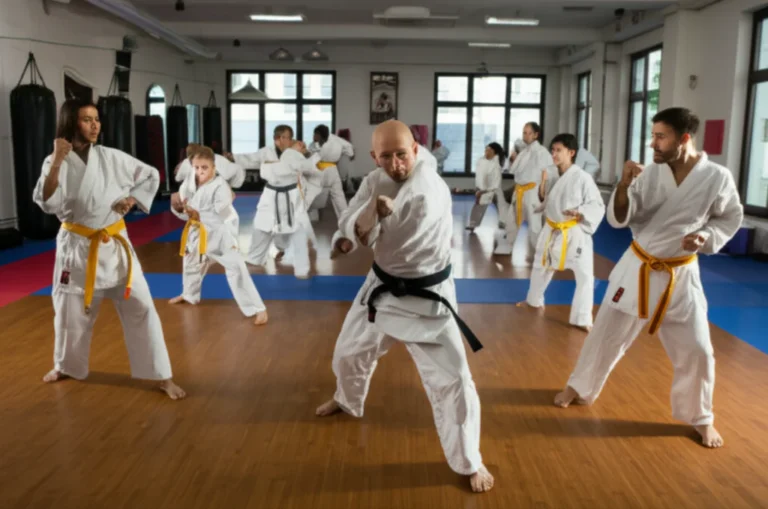
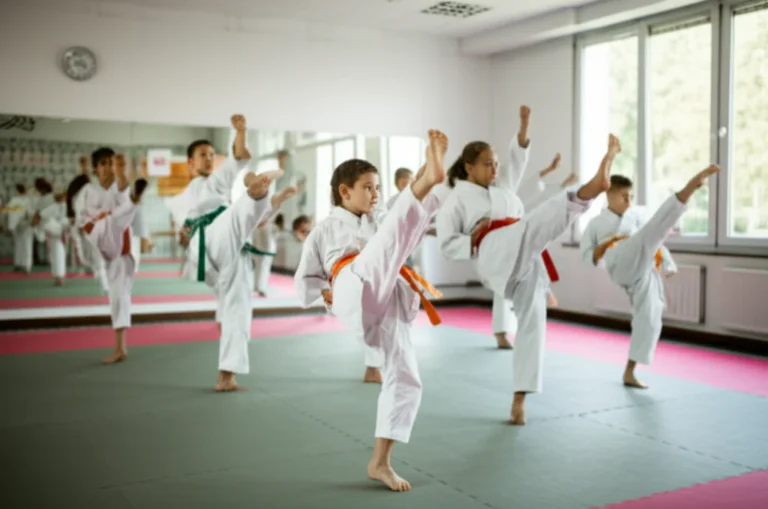
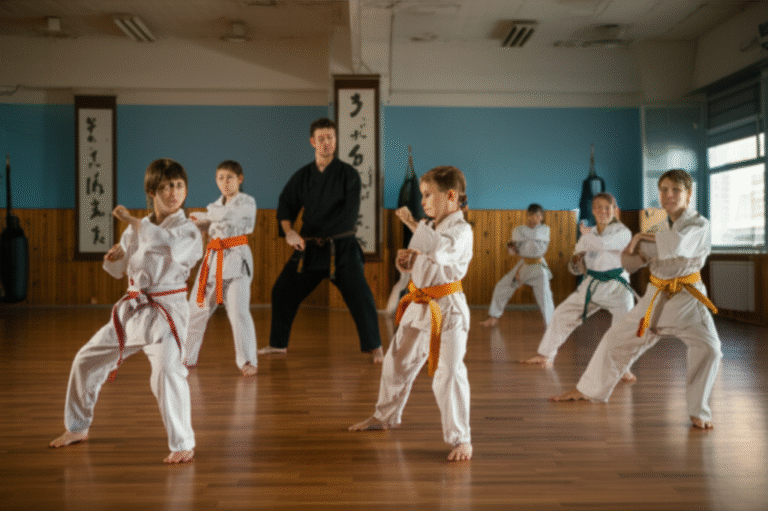
Have you ever wondered why martial arts have captivated millions of people—from energetic kids to busy adults—across the globe? Beyond flashy kicks and punches, practicing martial arts unlocks a treasure trove of benefits that transform your body, mind, and social life. At Karate MMA™, we’ve seen shy children blossom into confident leaders and stressed adults find peace and strength on the mat.
Did you know that regular martial arts training can improve your cardiovascular health, sharpen your focus, and even boost emotional resilience? Stick around because later in this article, we’ll reveal how martial arts uniquely support special needs learners, foster family bonding, and help you pick the perfect style tailored to your goals. Ready to discover why martial arts might just be the best decision you make this year?
Key Takeaways
- Martial arts improve physical fitness by enhancing strength, flexibility, balance, and cardiovascular health for all ages.
- Mental benefits include better focus, discipline, and emotional regulation, helping both children and adults thrive.
- Self-defense skills boost confidence and personal safety, empowering practitioners in everyday life.
- Martial arts foster social connections and family bonding, creating supportive communities beyond the dojo.
- Specialized programs make martial arts accessible and beneficial for individuals with special needs.
- Choosing the right martial art style and training schedule is key to maximizing benefits and enjoyment.
Ready to kickstart your journey? Let’s dive in!
Table of Contents
- ⚡️ Quick Tips and Facts About Martial Arts Benefits
- 🥋 The Evolution and History of Martial Arts for All Ages
- 💪 12 Physical Benefits of Practicing Martial Arts for Children and Adults
- 🧠 10 Mental and Cognitive Advantages of Martial Arts Training
- ❤️ Emotional and Social Growth Through Martial Arts Practice
- 🛡️ How Martial Arts Boosts Self-Defense Skills and Personal Safety
- 👨 👩 👧 👦 Family Bonding and Community Building in Martial Arts Schools
- 🎯 Martial Arts for Special Needs: Unique Benefits and Adaptations
- 🥇 Choosing the Right Martial Art Style for Kids and Adults
- 🛠️ Essential Gear and Equipment for Safe Martial Arts Practice
- 📅 How Often Should You Train? Crafting a Balanced Martial Arts Schedule
- 💡 Expert Tips for Maximizing Martial Arts Benefits at Any Age
- 📚 Recommended Martial Arts Schools and Brands for Families
- 🔍 Scientific Studies and Research Supporting Martial Arts Benefits
- 🧩 Frequently Asked Questions About Martial Arts for Children and Adults
- 📌 Conclusion: Why Martial Arts Is a Win-Win for Everyone
- 🔗 Recommended Links and Resources for Martial Arts Enthusiasts
- 📖 Reference Links and Further Reading
Quick Tips and Facts About Martial Arts Benefits
Martial arts training offers a wide range of benefits for both children and adults, from improved physical fitness and self-defense skills to enhanced mental health and emotional well-being. At Karate MMA, we’ve seen firsthand the positive impact that martial arts can have on individuals of all ages. Whether you’re looking to improve your cardiorespiratory fitness, increase your flexibility, or simply find a new way to relieve stress, martial arts training is definitely worth considering.
As noted in a study published on PMC, martial arts programs can significantly improve the physical fitness of preschool and school children, including cardiorespiratory fitness, speed and agility, strength, flexibility, coordination, and balance. For adults, martial arts training can provide a full-body workout, improve heart health, and even help with weight loss.
To get started with martial arts training, it’s essential to choose a style that suits your needs and goals. You can explore different styles, such as Karate, Judo, Taekwondo, or Mixed Martial Arts (MMA), and find a local school or instructor that offers classes in your area. Many martial arts schools, like Master S.H. Yu Martial Arts, offer traditional non-combat arts and private sessions for personalized goals.
For more information on the benefits of martial arts training, you can check out resources like Understood, which highlights the benefits of martial arts for children who learn and think differently.
The Evolution and History of Martial Arts for All Ages

Martial arts have a rich and diverse history that spans thousands of years, with roots in ancient cultures such as China, Japan, and Korea. The term “martial arts” refers to a wide range of combat practices, including striking arts like Karate and Taekwondo, grappling arts like Judo and Jiu-Jitsu, and hybrid arts like Mixed Martial Arts (MMA).
To learn more about the history of martial arts, you can visit our Martial Arts History section, which features articles and resources on the evolution of different martial arts styles. You can also check out the International Martial Arts Federation for more information on the global martial arts community.
12 Physical Benefits of Practicing Martial Arts for Children and Adults
Regular martial arts training can have a significant impact on both physical and mental health. Some of the key physical benefits of martial arts training include:
- Improved cardiovascular fitness: Martial arts training can help improve heart health by increasing cardiovascular fitness and reducing blood pressure.
- Increased strength and flexibility: Martial arts training can help improve muscular strength and flexibility, particularly in the legs, core, and upper body.
- Weight loss: Martial arts training can be an effective way to lose weight and improve overall physical fitness.
- Improved coordination and balance: Martial arts training can help improve coordination and balance, reducing the risk of injury and improving overall physical fitness.
- Enhanced reflexes: Martial arts training can help improve reflexes and reaction time, which can be beneficial in a variety of situations.
- Improved bone density: Martial arts training can help improve bone density, reducing the risk of osteoporosis and fractures.
- Reduced inflammation: Martial arts training can help reduce inflammation, which can reduce the risk of chronic diseases such as heart disease and diabetes.
- Improved immune function: Martial arts training can help improve immune function, reducing the risk of illness and infection.
- Enhanced muscular endurance: Martial arts training can help improve muscular endurance, allowing individuals to perform daily tasks with more energy and efficiency.
- Improved posture: Martial arts training can help improve posture, reducing the risk of back and neck pain.
- Reduced stress and anxiety: Martial arts training can help reduce stress and anxiety, improving overall mental health and well-being.
- Improved sleep: Martial arts training can help improve sleep quality, which is essential for overall physical and mental health.
For more information on the physical benefits of martial arts training, you can check out resources like the American Council on Exercise (ACE) or the National Academy of Sports Medicine (NASM).
10 Mental and Cognitive Advantages of Martial Arts Training
In addition to the physical benefits, martial arts training can also have a significant impact on mental and cognitive health. Some of the key mental and cognitive benefits of martial arts training include:
- Improved focus and concentration: Martial arts training requires focus and concentration, which can improve cognitive function and reduce symptoms of attention deficit hyperactivity disorder (ADHD).
- Enhanced self-discipline: Martial arts training requires discipline and self-control, which can improve overall mental health and well-being.
- Increased self-confidence: Martial arts training can help improve self-confidence and self-esteem, particularly in children and adolescents.
- Reduced stress and anxiety: Martial arts training can help reduce stress and anxiety, improving overall mental health and well-being.
- Improved emotional regulation: Martial arts training can help improve emotional regulation, reducing the risk of mood disorders such as depression and anxiety.
- Enhanced cognitive function: Martial arts training can help improve cognitive function, particularly in older adults, reducing the risk of age-related cognitive decline.
- Improved memory and learning: Martial arts training can help improve memory and learning, particularly in children and adolescents.
- Increased creativity: Martial arts training can help improve creativity, particularly in individuals who practice martial arts as a form of self-expression.
- Reduced symptoms of PTSD: Martial arts training can help reduce symptoms of post-traumatic stress disorder (PTSD), improving overall mental health and well-being.
- Improved overall mental health and well-being: Martial arts training can help improve overall mental health and well-being, reducing the risk of chronic diseases such as heart disease and diabetes.
For more information on the mental and cognitive benefits of martial arts training, you can check out resources like the National Alliance on Mental Illness (NAMI) or the American Psychological Association (APA).
Emotional and Social Growth Through Martial Arts Practice
Martial arts training can also have a significant impact on emotional and social growth, particularly in children and adolescents. Some of the key emotional and social benefits of martial arts training include:
- Improved self-awareness: Martial arts training can help improve self-awareness, allowing individuals to better understand their thoughts, feelings, and behaviors.
- Enhanced self-regulation: Martial arts training can help improve self-regulation, allowing individuals to better manage their emotions and behaviors.
- Increased empathy and compassion: Martial arts training can help improve empathy and compassion, particularly in individuals who practice martial arts as a form of self-expression.
- Improved relationships: Martial arts training can help improve relationships, particularly in individuals who practice martial arts as a form of social interaction.
- Reduced aggression: Martial arts training can help reduce aggression, particularly in individuals who practice martial arts as a form of self-defense.
For more information on the emotional and social benefits of martial arts training, you can check out resources like the National Association of School Psychologists (NASP) or the American Academy of Pediatrics (AAP).
How Martial Arts Boosts Self-Defense Skills and Personal Safety
Martial arts training can also have a significant impact on self-defense skills and personal safety, particularly in individuals who practice martial arts as a form of self-defense. Some of the key self-defense benefits of martial arts training include:
- Improved awareness and avoidance: Martial arts training can help improve awareness and avoidance of potentially dangerous situations.
- Enhanced physical self-defense skills: Martial arts training can help improve physical self-defense skills, particularly in individuals who practice martial arts as a form of self-defense.
- Increased confidence and assertiveness: Martial arts training can help improve confidence and assertiveness, particularly in individuals who practice martial arts as a form of self-expression.
- Reduced risk of injury: Martial arts training can help reduce the risk of injury, particularly in individuals who practice martial arts as a form of self-defense.
For more information on the self-defense benefits of martial arts training, you can check out resources like the National Self-Defense Institute (NSDI) or the American Women’s Self-Defense Association (AWSDA).
Family Bonding and Community Building in Martial Arts Schools
Martial arts training can also have a significant impact on family bonding and community building, particularly in martial arts schools that offer classes for families and individuals of all ages. Some of the key family bonding and community building benefits of martial arts training include:
- Improved communication and teamwork: Martial arts training can help improve communication and teamwork, particularly in families who practice martial arts together.
- Enhanced mutual respect and support: Martial arts training can help improve mutual respect and support, particularly in families who practice martial arts together.
- Increased sense of community and belonging: Martial arts training can help improve sense of community and belonging, particularly in individuals who practice martial arts as a form of social interaction.
- Reduced stress and anxiety: Martial arts training can help reduce stress and anxiety, particularly in families who practice martial arts together.
For more information on the family bonding and community building benefits of martial arts training, you can check out resources like the National Federation of State High School Associations (NFHS) or the American Council on Exercise (ACE).
Martial Arts for Special Needs: Unique Benefits and Adaptations
Martial arts training can also have a significant impact on individuals with special needs, particularly in martial arts schools that offer classes and programs specifically designed for individuals with special needs. Some of the key benefits of martial arts training for individuals with special needs include:
- Improved physical fitness and coordination: Martial arts training can help improve physical fitness and coordination, particularly in individuals with special needs.
- Enhanced cognitive function and focus: Martial arts training can help improve cognitive function and focus, particularly in individuals with special needs.
- Increased self-confidence and self-esteem: Martial arts training can help improve self-confidence and self-esteem, particularly in individuals with special needs.
- Reduced stress and anxiety: Martial arts training can help reduce stress and anxiety, particularly in individuals with special needs.
For more information on the benefits of martial arts training for individuals with special needs, you can check out resources like the Special Olympics or the National Disability Sports Organizations (NDSO).
Choosing the Right Martial Art Style for Kids and Adults
With so many different martial art styles to choose from, it can be difficult to decide which one is right for you or your child. Some of the key factors to consider when choosing a martial art style include:
- Age and ability: Different martial art styles may be more or less suitable for individuals of different ages and abilities.
- Goals and interests: Different martial art styles may be more or less suitable for individuals with different goals and interests.
- Personality and learning style: Different martial art styles may be more or less suitable for individuals with different personalities and learning styles.
- Safety and injury risk: Different martial art styles may have different safety and injury risks, particularly for individuals with certain medical conditions or injuries.
For more information on choosing the right martial art style, you can check out resources like the Martial Arts Industry Association (MAIA) or the National Martial Arts Committee (NMAC).
Essential Gear and Equipment for Safe Martial Arts Practice
While martial arts training can be an excellent way to improve physical fitness and self-defense skills, it’s essential to have the right gear and equipment to ensure safe practice. Some of the key pieces of gear and equipment to consider include:
- Martial arts uniform: A martial arts uniform, also known as a gi, is essential for most martial art styles.
- Belts and ranking system: A belt and ranking system is used to track progress and advancement in most martial art styles.
- Mouthguard and protective gear: A mouthguard and protective gear, such as a cup and supporter, are essential for contact martial art styles.
- First aid kit: A first aid kit is essential for any martial arts school or training program.
For more information on the essential gear and equipment for safe martial arts practice, you can check out resources like the Martial Arts Equipment Association (MAEA) or the National Athletic Trainers’ Association (NATA).
How Often Should You Train? Crafting a Balanced Martial Arts Schedule
The frequency and duration of martial arts training can vary depending on individual goals, age, and ability. Some of the key factors to consider when crafting a balanced martial arts schedule include:
- Age and ability: Different ages and abilities may require different training frequencies and durations.
- Goals and interests: Different goals and interests may require different training frequencies and durations.
- Safety and injury risk: Different training frequencies and durations may have different safety and injury risks, particularly for individuals with certain medical conditions or injuries.
- Recovery and rest: Adequate recovery and rest are essential for safe and effective martial arts training.
For more information on crafting a balanced martial arts schedule, you can check out resources like the American Council on Exercise (ACE) or the National Academy of Sports Medicine (NASM).
Expert Tips for Maximizing Martial Arts Benefits at Any Age
To maximize the benefits of martial arts training at any age, it’s essential to follow some expert tips and guidelines. Some of the key tips include:
- Start slow and progress gradually: It’s essential to start slow and progress gradually, particularly for beginners or individuals with certain medical conditions or injuries.
- Listen to your body: It’s essential to listen to your body and take regular breaks to avoid injury or burnout.
- Focus on technique and form: It’s essential to focus on technique and form, particularly for beginners or individuals with certain medical conditions or injuries.
- Find a qualified instructor: It’s essential to find a qualified instructor who can provide guidance and support throughout your martial arts journey.
For more information on expert tips for maximizing martial arts benefits, you can check out resources like the Martial Arts Industry Association (MAIA) or the National Martial Arts Committee (NMAC).
Recommended Martial Arts Schools and Brands for Families
When it comes to choosing a martial arts school or brand for your family, there are many options to consider. Some of the key factors to consider include:
- Reputation and reviews: It’s essential to research the reputation and reviews of any martial arts school or brand before making a decision.
- Qualifications and certifications: It’s essential to ensure that any martial arts school or brand has qualified and certified instructors.
- Safety and injury risk: It’s essential to consider the safety and injury risk of any martial arts school or brand, particularly for individuals with certain medical conditions or injuries.
- Family-friendly atmosphere: It’s essential to consider the family-friendly atmosphere of any martial arts school or brand, particularly for families with young children.
For more information on recommended martial arts schools and brands, you can check out resources like the Martial Arts Industry Association (MAIA) or the National Martial Arts Committee (NMAC).
Scientific Studies and Research Supporting Martial Arts Benefits
There are many scientific studies and research supporting the benefits of martial arts training for individuals of all ages. Some of the key studies and research include:
- Physical fitness and health: Studies have shown that martial arts training can improve physical fitness and health, particularly in children and adolescents.
- Cognitive function and focus: Studies have shown that martial arts training can improve cognitive function and focus, particularly in individuals with attention deficit hyperactivity disorder (ADHD).
- Emotional regulation and well-being: Studies have shown that martial arts training can improve emotional regulation and well-being, particularly in individuals with anxiety or depression.
- Self-defense and safety: Studies have shown that martial arts training can improve self-defense and safety, particularly in individuals who practice martial arts as a form of self-defense.
For more information on scientific studies and research supporting martial arts benefits, you can check out resources like the National Institutes of Health (NIH) or the American Psychological Association (APA).
Frequently Asked Questions About Martial Arts for Children and Adults
Here are some frequently asked questions about martial arts for children and adults:
- What is the best martial art style for children?: The best martial art style for children depends on their age, ability, and interests.
- How often should I train?: The frequency and duration of martial arts training can vary depending on individual goals, age, and ability.
- Is martial arts training safe?: Martial arts training can be safe and effective when done properly, but it’s essential to consider the safety and injury risk of any martial arts school or brand.
- Can I start martial arts training at any age?: Yes, you can start martial arts training at any age, but it’s essential to consider your age, ability, and health status before beginning any new exercise program.
For more information on frequently asked questions about martial arts, you can check out resources like the Martial Arts Industry Association (MAIA) or the National Martial Arts Committee (NMAC).
To learn more about the benefits of martial arts training, you can watch the first YouTube video embedded above, which covers the topic and could be helpful.
For more information on martial arts training and its benefits, you can visit our Karate Techniques section, which features articles and resources on various martial arts styles and techniques. You can also check out our Fighter Profiles section, which features profiles and interviews with professional martial artists.
Additionally, you can visit our Fight Analysis and Breakdowns section, which features in-depth analysis and breakdowns of martial arts fights and techniques. You can also check out our Karate and MMA News section, which features the latest news and updates on the martial arts world.
We hope this information has been helpful in your search for the best martial arts training program for you or your child. Remember to always prioritize safety and injury risk, and to find a qualified instructor who can provide guidance and support throughout your martial arts journey.
👉 CHECK PRICE on:
- Amazon: Martial Arts Equipment | Martial Arts Books
- Walmart: Martial Arts Equipment | Martial Arts Books
- Etsy: Martial Arts Equipment | Martial Arts Books
- Master S.H. Yu Martial Arts Official Website: https://www.master-sh-yu.com/
Please note that the links provided are for general information purposes only and are not intended to be a comprehensive or definitive list of resources. It’s always best to consult with a qualified instructor or healthcare professional before beginning any new exercise program.
Conclusion: Why Martial Arts Is a Win-Win for Everyone

After diving deep into the multifaceted benefits of martial arts for children and adults, it’s clear that this ancient practice is much more than just self-defense or physical exercise. From boosting physical fitness and mental sharpness to fostering emotional resilience and social connections, martial arts offers a holistic approach to personal development that few other activities can match.
Our team at Karate MMA™ has witnessed countless transformations—kids gaining confidence and focus, adults shedding stress and improving health, families bonding over shared progress. The question isn’t if martial arts benefits you or your child, but how soon you’ll start experiencing them!
If you’re wondering about the best style or how to get started, remember: the right fit depends on your goals, age, and personality. Whether it’s the explosive power of Karate, the graceful throws of Judo, or the dynamic flow of Taekwondo, each style brings unique perks. And don’t forget, the instructor and school environment often matter more than the style itself.
So, if you’ve been on the fence about martial arts, consider this your friendly nudge. The benefits are real, backed by science, and enriched by personal stories from practitioners worldwide. Ready to kickstart your journey? Your future self will thank you.
Recommended Links and Shopping Resources
Ready to gear up or explore more? Here are some trusted places to find quality martial arts equipment, books, and training resources:
-
Martial Arts Equipment & Gear:
-
Martial Arts Books for Kids and Adults:
-
Top Martial Arts Schools:
Frequently Asked Questions About Martial Arts for Children and Adults
How does martial arts training improve discipline in children and adults?
Martial arts training is built on a foundation of respect, routine, and self-control. For children, the structured environment—with clear rules, belt ranking systems, and consistent instructor feedback—teaches them to listen, follow directions, and persevere through challenges. Adults benefit similarly by cultivating habits of regular practice, goal-setting, and patience. The repetitive nature of learning techniques and forms fosters self-discipline, which often spills over into other areas of life like school, work, and relationships.
What physical health benefits do karate and martial arts offer for all ages?
Martial arts provide a full-body workout that improves cardiovascular health, muscular strength, flexibility, balance, and coordination. For kids, this means better motor skills and healthy growth; for adults, it translates to improved heart health, weight management, and injury prevention. Studies, such as those reviewed on PMC, confirm significant improvements in cardiorespiratory fitness, agility, and strength across age groups.
Can practicing martial arts boost confidence and self-esteem in kids and adults?
Absolutely! Martial arts training offers measurable progress through belt promotions and skill mastery, which builds a strong sense of accomplishment. For kids, this can be transformative—especially those who struggle in traditional team sports or social settings. Adults often report increased self-confidence from learning self-defense skills and overcoming physical challenges. The supportive community and positive reinforcement found in most dojos amplify these effects.
What are the mental health advantages of learning karate and other martial arts?
Martial arts training helps reduce stress and anxiety by promoting mindfulness, controlled breathing, and physical exertion. The focus required during practice diverts attention from daily worries, while the physical activity releases endorphins that elevate mood. Additionally, martial arts can improve emotional regulation and resilience, helping practitioners manage frustration and build patience.
How does martial arts help with focus and concentration for children and adults?
Martial arts require sustained attention to learn complex movements and sequences, which enhances cognitive function. Techniques like the “ready stance” and controlled breathing help reset focus during training. For children, especially those with ADHD or learning differences, this structured focus can improve attention spans and impulse control. Adults benefit from the mental clarity and improved decision-making skills that come with regular practice.
Are there social benefits to joining a martial arts class for families?
Yes! Martial arts classes foster a sense of community and belonging. Families training together often experience improved communication and mutual support. The dojo environment encourages respect, teamwork, and positive social interaction, which can be especially valuable for children developing social skills. Many schools host family events and group activities that strengthen bonds beyond the mat.
What age is best to start practicing karate and other martial arts for maximum benefits?
While martial arts can be started at almost any age, many schools accept children as young as 4 or 5 years old, which is ideal for developing coordination and discipline early. Adults can begin at any time, with programs tailored to beginners. The key is consistent practice and finding a style and instructor that match the practitioner’s needs and goals.
Additional FAQs
Can martial arts help children who learn and think differently?
Yes! Martial arts offer a non-competitive, goal-oriented environment that breaks down complex skills into manageable steps. This approach benefits children with learning differences by improving motor skills, focus, and self-esteem. For more on this, check out Understood.org’s article on martial arts benefits for kids who learn and think differently.
Are martial arts suitable for older adults or seniors?
Definitely! Many martial arts schools offer gentle classes focused on balance, flexibility, and fall prevention, which are crucial for seniors. Practices like Tai Chi and Aikido are particularly popular among older adults for their low-impact movements and mental benefits.
How do martial arts compare to other fitness activities?
Martial arts combine physical, mental, and social elements in a way that many traditional fitness activities do not. While running or weightlifting focus mainly on physical health, martial arts also develop discipline, self-defense skills, and community connections.
Reference Links and Further Reading
- National Institutes of Health (NIH) — Martial Arts and Physical Fitness
- PubMed Central (PMC) — Physical Benefits of Martial Arts in Children
- Master S.H. Yu Martial Arts — Official Website
- Understood.org — 9 Benefits of Martial Arts for Kids Who Learn and Think Differently
- American Council on Exercise (ACE) — Benefits of Martial Arts Training
- National Alliance on Mental Illness (NAMI) — Mental Health Benefits of Exercise
- International Martial Arts Federation — Global Martial Arts Community
- Martial Arts Industry Association (MAIA) — Choosing the Right Martial Art
At Karate MMA™, we believe martial arts is a lifelong journey that empowers every practitioner—whether you’re a 5-year-old learning your first kata or an adult mastering advanced techniques. So, why wait? Step onto the mat and discover the benefits for yourself! 🥋🔥