Support our educational content for free when you purchase through links on our site. Learn more
🥋 Martial Arts Movies: 12 Must-Watch Classics & Hidden Gems (2025)


Ever wondered how a single punch on screen can ignite a global passion for martial arts? From Bruce Lee’s legendary showdown with Chuck Norris to the breathtaking wire-fu ballet of Crouching Tiger, Hidden Dragon, martial arts movies have transcended mere entertainment to become cultural phenomena. But what makes these films so captivating? Is it the dazzling choreography, the timeless philosophies, or the unforgettable heroes who fight not just with fists but with heart?
In this ultimate 2025 guide, we dive deep into the history, styles, and subgenres of martial arts cinema, spotlighting 12 essential films that every fan—and newcomer—must see. Along the way, we’ll explore the stars who defined the genre, the art of stunt choreography, and even how these movies inspire real-world training. Ready to unlock the secrets behind the punches and kicks that have thrilled audiences for decades? Let’s get started!
Key Takeaways
- Martial arts movies blend thrilling action with rich cultural storytelling, offering more than just fight scenes—they inspire and educate.
- Bruce Lee, Jackie Chan, and Jet Li are iconic figures who revolutionized martial arts cinema and global pop culture.
- The genre spans diverse subgenres, from wuxia fantasy and kung fu comedy to gritty MMA action and samurai epics.
- 12 essential films, including Enter the Dragon, Ip Man, and The Raid: Redemption, showcase the best of martial arts storytelling and choreography.
- Behind every epic fight scene lies meticulous choreography and daring stunt work that push the boundaries of filmmaking.
- Martial arts movies have a lasting global impact, influencing fashion, music, and real-world martial arts training.
- The future promises more MMA-inspired films, global collaborations, and cutting-edge visual effects to keep the genre fresh and exciting.
👉 Shop Martial Arts Movie Essentials:
- Bruce Lee Films: Amazon | Walmart
- Jackie Chan Collection: Amazon | Walmart
- Ip Man Series: Amazon | Walmart
Table of Contents
- ⚡️ Quick Tips and Facts
- 🥋 The Kicking Off Point: A Brief History of Martial Arts Cinema
- ❤️🔥 Why We Love ‘Em: The Enduring Appeal of Martial Arts Films
- ☯️ Decoding the Styles: A Guide to Martial Arts Disciplines on Screen
- 🎬 From Shaw Brothers to Hollywood Blockbusters: Evolution of Martial Arts Movie Production
- 🏆 The Pantheon of Punch-Ups: Our Top Picks for Essential Martial Arts Movies (A Must-Watch List!)
- 1. Enter the Dragon (1973)
- 2. Crouching Tiger, Hidden Dragon (2000)
- 3. Drunken Master (1978)
- 4. Ip Man (2008)
- 5. Hero (2002)
- 6. Fist of Legend (1994)
- 7. The Raid: Redemption (2011)
- 8. Kill Bill: Vol. 1 (2003)
- 9. Once Upon a Time in China (1991)
- 10. Kung Fu Hustle (2004)
- 11. Police Story (1985)
- 12. Seven Samurai (1954)
- 🎭 Beyond the Fists: Exploring Diverse Martial Arts Movie Subgenres
- ✨ Iconic Figures & Legendary Legacies: The Stars Who Defined Martial Arts Cinema
- 💥 Behind the Scenes: The Art of Choreography and Stunt Work in Martial Arts Films
- 🌍 The Global Impact: How Martial Arts Movies Shaped Pop Culture Worldwide
- 💪 Training Like a Hero: Real-World Martial Arts Inspired by the Big Screen
- 🤔 Common Tropes & Clichés: Spotting the Patterns in Martial Arts Cinema
- 🚀 The Future of Fists: What’s Next for Martial Arts Movies?
- 🌟 Conclusion: The Unbreakable Spirit of Martial Arts Cinema
- 🔗 Recommended Links: Dive Deeper into the World of Fists and Fury
- 🔥 FAQ: Your Burning Questions About Martial Arts Movies Answered
- 📚 Reference Links: Our Sources for Cinematic Wisdom
⚡️ Quick Tips and Facts
Martial arts movies are a global phenomenon, captivating audiences with their thrilling action, captivating characters, and inspiring stories. They’re more than just fight scenes; they’re a window into different cultures, philosophies, and the human spirit’s potential for strength and resilience.
A Few Fun Facts About Martial Arts Movies:
- Bruce Lee is considered the father of modern martial arts cinema, revolutionizing the genre with his powerful fighting style and charisma. He’s credited with bringing Kung Fu to the global stage, inspiring countless others to take up martial arts. Learn more about Bruce Lee’s impact on martial arts.
- Jackie Chan is known for his death-defying stunts and hilarious comedic timing, blending action and humor in a unique way. He’s one of the most successful martial arts actors of all time, with a global following.
- Jet Li is renowned for his powerful and graceful fighting style, often showcasing wuxia techniques in his films. He’s known for his serious and dramatic roles, bringing a different dimension to the genre.
- Martial arts movies have influenced real-world martial arts training, inspiring people to learn different styles and develop their skills. Many martial arts schools have seen a surge in interest thanks to the popularity of these films.
🥋 The Kicking Off Point: A Brief History of Martial Arts Cinema

The roots of martial arts cinema go back to the early days of cinema itself, with Japanese samurai films and Chinese wuxia (martial arts fantasy) films laying the groundwork.
Early Influences:
- Japanese Samurai Films (Jidaigeki): These films, often featuring swordplay and bushido (the code of the samurai), were popular in Japan from the early 20th century. They provided a foundation for the action-packed fight scenes that would become a hallmark of martial arts movies.
- Chinese Wuxia Films: These films, often based on martial arts novels, featured supernatural elements and elaborate fight choreography. They introduced the world to the beauty and power of Chinese martial arts.
The Rise of Kung Fu Cinema:
- The 1970s: This decade saw the explosion of Hong Kong kung fu cinema, with Bruce Lee leading the charge. His films, like Enter the Dragon (1973), Fist of Fury (1972), and Way of the Dragon (1972), captivated audiences worldwide, introducing Kung Fu to a global audience.
- The Shaw Brothers Studio: This studio was instrumental in the development of Hong Kong kung fu cinema, producing numerous films featuring legendary actors like Jackie Chan, Jet Li, and Gordon Liu.
The Global Expansion:
- The 1980s and 1990s: Martial arts cinema continued to grow in popularity, with Jackie Chan and Jet Li becoming international stars. Films like Police Story (1985) and Crouching Tiger, Hidden Dragon (2000) further cemented the genre’s global appeal.
- Hollywood’s Embrace: Hollywood began to incorporate martial arts elements into its films, with The Matrix (1999) being a landmark example. This film, featuring revolutionary fight choreography by Yuen Woo-ping, helped to elevate the standards of action filmmaking.
❤️🔥 Why We Love ‘Em: The Enduring Appeal of Martial Arts Films
Martial arts movies have a special place in our hearts for many reasons. They offer a unique blend of action, drama, humor, and philosophy, making them both entertaining and thought-provoking.
The Thrill of the Fight:
- Visually Stunning Action: Martial arts movies are known for their spectacular fight sequences, showcasing the skill and athleticism of the actors. The choreography is often meticulously planned, creating a sense of realism and excitement.
- The Power of Underdog Stories: Many martial arts movies feature underdog characters who overcome adversity through their determination and martial arts skills. These stories resonate with audiences, inspiring them to believe in themselves and never give up.
Beyond the Fists:
- Exploration of Themes: Martial arts movies often explore deeper themes like honor, discipline, self-discovery, and the importance of inner strength. They can be inspiring and thought-provoking, leaving audiences with a sense of hope and empowerment.
- Cultural Immersion: These films offer a glimpse into different cultures and martial arts traditions, providing a window into diverse philosophies and ways of life. They can broaden our horizons and challenge our perspectives.
☯️ Decoding the Styles: A Guide to Martial Arts Disciplines on Screen
Martial arts movies showcase a wide range of styles, each with its own unique characteristics and techniques. Here’s a breakdown of some of the most popular styles you’ll see on screen:
Kung Fu (功夫):
- Origin: China
- Characteristics: Known for its powerful strikes, dynamic movements, and emphasis on internal energy (qi). It often incorporates weapons like swords, staffs, and nunchakus.
- Notable Films: Enter the Dragon, Fist of Fury, Drunken Master, Kung Fu Hustle
Karate (空手道):
- Origin: Japan
- Characteristics: Emphasizes striking techniques using hands, feet, elbows, and knees. It’s known for its powerful blocks and linear movements.
- Notable Films: The Karate Kid, Bloodsport, Best of the Best
Wushu (武術):
- Origin: China
- Characteristics: A modernized form of Chinese martial arts, combining elements of Kung Fu and other styles. It’s known for its athleticism, acrobatic movements, and spectacular fight choreography.
- Notable Films: Crouching Tiger, Hidden Dragon, Hero, House of Flying Daggers
Taekwondo (跆拳道):
- Origin: Korea
- Characteristics: Emphasizes kicking techniques, with a focus on speed and power. It’s known for its high kicks and dynamic movements.
- Notable Films: The Protector, The Raid: Redemption, The Raid 2
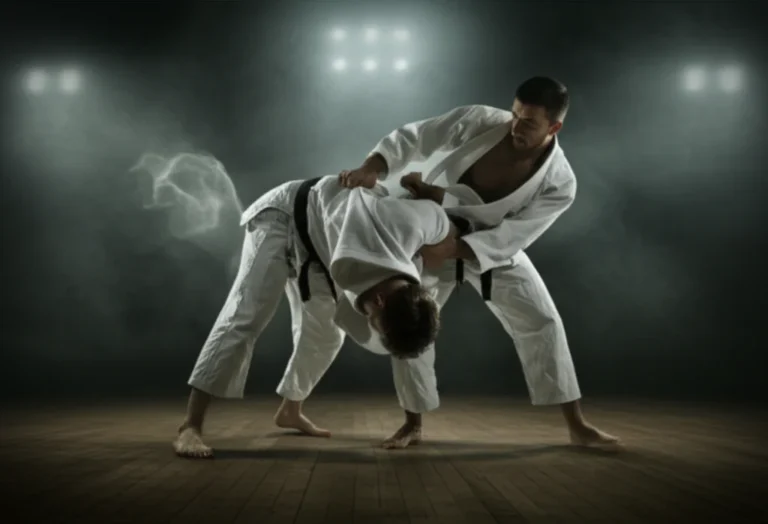
Judo (柔道):
- Origin: Japan
- Characteristics: Focuses on grappling and throwing techniques, using leverage and balance to control an opponent. It’s known for its powerful throws and submission holds.
- Notable Films: The Yakuza, Riki-Oh: The Story of Ricky, The Last Samurai
Muay Thai (มวยไทย):
- Origin: Thailand
- Characteristics: Known as the “Art of Eight Limbs,” it utilizes strikes with hands, feet, elbows, and knees. It’s known for its powerful kicks, clinching techniques, and aggressive fighting style.
- Notable Films: Ong-Bak: Muay Thai Warrior, The Protector, Warrior King
MMA (Mixed Martial Arts):
- Origin: Modern
- Characteristics: Combines elements of various martial arts styles, including striking, grappling, and submissions. It’s known for its versatility and adaptability.
- Notable Films: Warrior, Haywire, Never Back Down
🎬 From Shaw Brothers to Hollywood Blockbusters: Evolution of Martial Arts Movie Production
Martial arts movies have evolved significantly over the years, reflecting changes in technology, storytelling, and cultural influences.
The Golden Age of Hong Kong Cinema:
- Shaw Brothers Studio: This studio, founded in the 1950s, played a pivotal role in the development of Hong Kong kung fu cinema. They produced numerous films featuring legendary actors like Bruce Lee, Jackie Chan, and Jet Li, and helped to establish the genre’s unique style.
- The 1970s: This decade saw the rise of Bruce Lee, who revolutionized the genre with his powerful fighting style and charisma. His films, like Enter the Dragon, became international hits, introducing Kung Fu to a global audience.
- The 1980s and 1990s: Jackie Chan and Jet Li emerged as major stars, bringing their own unique styles and personalities to the genre. They pushed the boundaries of action filmmaking, incorporating stunts, humor, and elaborate fight choreography.
Hollywood’s Influence:
- The 1990s and 2000s: Hollywood began to embrace martial arts elements, with films like The Matrix (1999) and Crouching Tiger, Hidden Dragon (2000) showcasing the genre’s potential for spectacular action and storytelling.
- The Rise of MMA: The growing popularity of Mixed Martial Arts (MMA) in the 2000s led to a wave of MMA-themed films, like Warrior (2011) and Haywire (2011), which blended realistic fighting styles with dramatic storytelling.
The Future of Martial Arts Cinema:
- Technology and Innovation: Advances in special effects and digital filmmaking are allowing for even more spectacular and realistic fight sequences. We can expect to see even more innovative and visually stunning martial arts films in the future.
- Global Collaboration: Martial arts cinema is becoming increasingly global, with co-productions between Hollywood and Asian studios becoming more common. This is leading to a fusion of styles and perspectives, creating a more diverse and exciting landscape for the genre.
🏆 The Pantheon of Punch-Ups: Our Top Picks for Essential Martial Arts Movies (A Must-Watch List!)
Here are some of our favorite martial arts movies that we think every fan of the genre should see. These films showcase the best of the genre, from classic kung fu to modern MMA action.
1. Enter the Dragon (1973)
- Starring: Bruce Lee, John Saxon, Jim Kelly
- Director: Robert Clouse
- Synopsis: A legendary martial artist infiltrates a secret island tournament to expose a drug smuggling operation.
- Why It’s Essential: Bruce Lee’s breakout film, Enter the Dragon is a classic of the genre, featuring iconic fight scenes and Lee’s signature fighting style. It’s a must-see for any fan of martial arts cinema.
2. Crouching Tiger, Hidden Dragon (2000)
- Starring: Michelle Yeoh, Chow Yun-fat, Zhang Ziyi
- Director: Ang Lee
- Synopsis: A skilled warrior and her student clash over a stolen sword, leading to a series of breathtaking duels.
- Why It’s Essential: Crouching Tiger, Hidden Dragon is a masterpiece of wuxia cinema, blending stunning fight choreography with a compelling story of love, loss, and redemption. It won four Academy Awards, including Best Foreign Language Film.
3. Drunken Master (1978)
- Starring: Jackie Chan, Yuen Siu-tien
- Director: Yuen Woo-ping
- Synopsis: A mischievous young man learns the art of Drunken Fist from a legendary master.
- Why It’s Essential: Drunken Master is a classic Jackie Chan film, showcasing his signature comedic timing and death-defying stunts. It’s a hilarious and action-packed film that will leave you in stitches.
4. Ip Man (2008)
- Starring: Donnie Yen, Simon Yam, Lynn Hung
- Director: Wilson Yip
- Synopsis: A biographical film about Ip Man, the legendary Wing Chun master who trained Bruce Lee.
- Why It’s Essential: Ip Man is a powerful and inspiring film, showcasing Donnie Yen’s incredible martial arts skills and the spirit of Wing Chun. It’s a must-see for fans of traditional martial arts.
5. Hero (2002)
- Starring: Jet Li, Tony Leung Chiu-wai, Maggie Cheung
- Director: Zhang Yimou
- Synopsis: A nameless warrior recounts his story of assassinating three would-be assassins of the King of Qin.
- Why It’s Essential: Hero is a visually stunning film, featuring breathtaking fight choreography and a complex narrative. It’s a masterpiece of wuxia cinema, showcasing the beauty and power of Chinese martial arts.
6. Fist of Legend (1994)
- Starring: Jet Li, Quentin Tarantino,
- Director: Gordon Chan
- Synopsis: A young martial artist seeks revenge for the death of his master at the hands of a Japanese martial arts school.
- Why It’s Essential: Fist of Legend is a classic kung fu film, featuring Jet Li’s incredible fighting skills and a compelling story of revenge. It’s a must-see for fans of traditional kung fu.
7. The Raid: Redemption (2011)
- Starring: Iko Uwais, Joe Taslim, Donny Alamsyah
- Director: Gareth Evans
- Synopsis: An elite Indonesian SWAT team is trapped in a high-rise building controlled by a ruthless drug lord.
- Why It’s Essential: The Raid: Redemption is a modern action masterpiece, featuring intense and realistic fight sequences and a relentless pace. It’s a must-see for fans of action cinema.
8. Kill Bill: Vol. 1 (2003)
- Starring: Uma Thurman, Lucy Liu, Vivica A. Fox
- Director: Quentin Tarantino
- Synopsis: A former assassin seeks revenge on the people who betrayed her and left her for dead.
- Why It’s Essential: Kill Bill: Vol. 1 is a stylish and violent film, featuring a unique blend of martial arts, action, and comedy. It’s a must-see for fans of Tarantino’s work.
9. Once Upon a Time in China (1991)
- Starring: Jet Li, Rosamund Kwan,
- Director: Tsui Hark
- Synopsis: A legendary martial artist fights to protect his community from a corrupt official.
- Why It’s Essential: Once Upon a Time in China is a classic kung fu film, featuring Jet Li’s incredible fighting skills and a compelling story of justice. It’s a must-see for fans of traditional kung fu.
10. Kung Fu Hustle (2004)
- Starring: Stephen Chow,
- Director: Stephen Chow
- Synopsis: A small-time con man accidentally becomes a kung fu master and must defend his neighborhood from a powerful gang.
- Why It’s Essential: Kung Fu Hustle is a hilarious and action-packed film, featuring Stephen Chow’s unique brand of comedy and kung fu. It’s a must-see for fans of action comedy.
11. Police Story (1985)
- Starring: Jackie Chan, Brigitte Lin,
- Director: Jackie Chan
- Synopsis: A Hong Kong police officer goes undercover to infiltrate a drug ring, leading to a series of high-octane action sequences.
- Why It’s Essential: Police Story is a classic Jackie Chan film, showcasing his signature comedic timing and death-defying stunts. It’s a hilarious and action-packed film that will leave you in stitches.
12. Seven Samurai (1954)
- Starring: Toshiro Mifune, Takashi Shimura,
- Director: Akira Kurosawa
- Synopsis: A group of samurai are hired to protect a village from bandits.
- Why It’s Essential: Seven Samurai is a classic samurai film, featuring epic battle scenes and a compelling story of honor and sacrifice. It’s a must-see for fans of samurai cinema.
🎭 Beyond the Fists: Exploring Diverse Martial Arts Movie Subgenres
Martial arts cinema is a diverse genre, encompassing a wide range of subgenres that cater to different tastes. Here’s a look at some of the most popular subgenres:
1. Wuxia Films (武俠片)
- Characteristics: These films are set in historical China and often feature supernatural elements, elaborate fight choreography, and romantic storylines. They’re known for their epic scope and fantastical elements.
- Notable Films: Crouching Tiger, Hidden Dragon, Hero, House of Flying Daggers, The Grandmaster
2. Kung Fu Comedy
- Characteristics: These films blend action and humor, often featuring slapstick comedy, over-the-top fight scenes, and memorable characters. They’re known for their lighthearted tone and entertaining action.
- Notable Films: Drunken Master, Kung Fu Hustle, Shaolin Soccer, Police Story
3. Modern Action & MMA Films
- Characteristics: These films feature realistic fighting styles, often incorporating MMA techniques, and contemporary settings. They’re known for their intense action, gritty realism, and focus on modern martial arts.
- Notable Films: The Raid: Redemption, Warrior, Haywire, Never Back Down
4. Samurai Cinema (時代劇)
- Characteristics: These films are set in historical Japan and often feature samurai as the main characters. They’re known for their swordplay, bushido (the code of the samurai), and dramatic storylines.
- Notable Films: Seven Samurai, Yojimbo, Sanjuro, The Last Samurai
5. Blaxploitation Martial Arts
- Characteristics: These films, popular in the 1970s, featured African American martial artists and often dealt with themes of racism, exploitation, and empowerment. They’re known for their gritty realism and social commentary.
- Notable Films: Black Belt Jones, The Black Samurai, The Spook Who Sat By The Door
6. Supernatural & Fantasy Martial Arts
- Characteristics: These films combine martial arts action with supernatural elements, often featuring demons, ghosts, or magical powers. They’re known for their fantastical elements and spectacular fight choreography.
- Notable Films: The Legend of the 7 Golden Vampires, A Chinese Ghost Story, The Monkey King
7. Sports-Oriented Martial Arts Dramas
- Characteristics: These films focus on martial arts competitions and often explore the personal journeys of athletes. They’re known for their dramatic storylines, intense training sequences, and inspirational themes.
- Notable Films: The Karate Kid, Best of the Best, Warrior, The Fighter
✨ Iconic Figures & Legendary Legacies: The Stars Who Defined Martial Arts Cinema
Martial arts cinema has been graced by a constellation of iconic figures who have left an indelible mark on the genre. These actors, directors, and choreographers have pushed the boundaries of action filmmaking, inspiring generations of fans and filmmakers.
Bruce Lee (李小龙):
- Known for: His powerful and dynamic fighting style, charisma, and philosophical approach to martial arts. He revolutionized the genre with films like Enter the Dragon, Fist of Fury, and Way of the Dragon.
- Legacy: Lee’s legacy continues to inspire martial artists and filmmakers worldwide. He’s considered the father of modern martial arts cinema and his films continue to be enjoyed by audiences of all ages.
Jackie Chan (成龍):
- Known for: His death-defying stunts, hilarious comedic timing, and unique blend of action and humor. He’s one of the most successful martial arts actors of all time, with a global following.
- Legacy: Chan’s films have become synonymous with high-octane action and unforgettable stunts. He’s a true icon of the genre, inspiring countless others to pursue a career in martial arts and filmmaking.
Jet Li (李连杰):
- Known for: His powerful and graceful fighting style, often showcasing wuxia techniques in his films. He’s known for his serious and dramatic roles, bringing a different dimension to the genre.
- Legacy: Li’s films have captivated audiences with their spectacular fight choreography and compelling storylines. He’s a respected figure in the world of martial arts cinema, known for his skill and dedication.
Donnie Yen (甄子丹):
- Known for: His powerful and precise fighting style, often incorporating Wing Chun techniques. He’s known for his intense and dramatic roles, bringing a realistic and gritty approach to the genre.
- Legacy: Yen’s films have showcased his incredible martial arts skills and his ability to bring complex characters to life. He’s a rising star in the world of martial arts cinema, inspiring a new generation of fans.
Michelle Yeoh (楊紫瓊):
- Known for: Her athleticism, grace, and powerful performances. She’s one of the most respected female martial arts actors in the world, known for her groundbreaking roles in films like Crouching Tiger, Hidden Dragon and Tomorrow Never Dies.
- Legacy: Yeoh has broken down barriers for women in action cinema, proving that women can be just as powerful and dynamic as their male counterparts. She’s a true inspiration to aspiring martial artists and actresses worldwide.
Quentin Tarantino (昆汀·塔伦蒂诺):
- Known for: His unique style of filmmaking, which blends action, comedy, and violence. He’s known for his love of martial arts cinema and his innovative use of fight choreography.
- Legacy: Tarantino’s films have had a significant impact on the genre, introducing a new generation of audiences to the thrill and excitement of martial arts movies. He’s a true auteur of the genre, pushing the boundaries of storytelling and action filmmaking.
💥 Behind the Scenes: The Art of Choreography and Stunt Work in Martial Arts Films
Martial arts movies are known for their spectacular fight sequences, which are the result of meticulous choreography and death-defying stunts. These scenes are not just about violence and spectacle, but also about art, skill, and storytelling.
The Choreographers:
- Yuen Woo-ping (袁和平): One of the most respected fight choreographers in the world, known for his work on films like Crouching Tiger, Hidden Dragon, The Matrix, and Kill Bill. He’s a master of wuxia and kung fu choreography, creating visually stunning and innovative fight sequences.
- Jackie Chan (成龍): Chan is not only a renowned actor, but also a skilled choreographer and stuntman. He’s known for his unique style of action, which blends comedy, acrobatics, and martial arts.
- Donnie Yen (甄子丹): Yen is a skilled martial artist and fight choreographer, known for his realistic and gritty fight sequences. He often incorporates Wing Chun techniques into his choreography, creating a powerful and dynamic style.
The Stunt Performers:
- Jackie Chan (成龍): Chan is known for performing most of his own stunts, often pushing the boundaries of safety and realism. He’s a true master of stunt work, inspiring generations of stunt performers.
- Sammo Hung (洪金寶): Hung is a legendary actor, director, and stuntman, known for his athleticism and ability to perform dangerous stunts. He’s a pioneer of Hong Kong action cinema, helping to establish the genre’s unique style.
- Yuen Biao (元彪): Biao is a renowned stuntman and actor, known for his acrobatic skills and ability to perform complex stunts. He’s worked on numerous martial arts films, showcasing his talent and dedication.
The Importance of Training:
- Martial arts training: The actors and stunt performers in martial arts movies undergo rigorous training to prepare for their roles. They learn different martial arts styles, stunt techniques, and how to perform safely.
- Safety first: While the fight sequences in martial arts movies can be intense and dangerous, safety is always a priority. The actors and stunt performers are highly trained and work with experienced professionals to minimize the risk of injury.
🌍 The Global Impact: How Martial Arts Movies Shaped Pop Culture Worldwide
Martial arts movies have had a profound impact on pop culture worldwide, influencing everything from fashion and music to martial arts training and the way we view action cinema.
The Rise of Martial Arts Training:
- Bruce Lee’s influence: Lee’s films, like Enter the Dragon, sparked a global interest in martial arts. People around the world were inspired to learn Kung Fu, Karate, and other styles, leading to a boom in martial arts schools and training programs.
- The popularity of Jackie Chan: Chan’s films, with their unique blend of action and humor, further fueled the popularity of martial arts. His death-defying stunts and charismatic personality inspired countless others to take up martial arts.
Cultural Exchange and Appreciation:
- Introducing different cultures: Martial arts movies have introduced audiences to different cultures and martial arts traditions, broadening their horizons and fostering a greater appreciation for diversity.
- Breaking down barriers: These films have helped to break down cultural barriers, showcasing the universal appeal of martial arts and the human spirit’s potential for strength and resilience.
The Evolution of Action Cinema:
- Raising the bar: Martial arts movies have raised the bar for action filmmaking, pushing the boundaries of fight choreography, stunt work, and visual effects.
- Inspiring new filmmakers: These films have inspired a new generation of filmmakers to create their own action movies, pushing the genre in new and exciting directions.
💪 Training Like a Hero: Real-World Martial Arts Inspired by the Big Screen
Martial arts movies are not just entertainment; they can be a source of inspiration and motivation for those who want to learn real-world martial arts. Many people are inspired to take up martial arts after watching these films, and there are many real-world martial arts styles that are featured in these movies.
Kung Fu:
- Styles: Kung Fu encompasses a wide range of styles, including Shaolin Kung Fu, Wing Chun, and Northern Shaolin.
- Benefits: Kung Fu training can improve physical fitness, discipline, self-confidence, and self-defense skills.
Karate:
- Styles: Karate also encompasses a variety of styles, including Shotokan, Goju-ryu, and Kyokushin.
- Benefits: Karate training can improve physical fitness, coordination, focus, and self-defense skills.
Taekwondo:
- Styles: Taekwondo is known for its powerful kicking techniques and dynamic movements.
- Benefits: Taekwondo training can improve flexibility, balance, power, and self-defense skills.
Judo:
- Styles: Judo focuses on grappling and throwing techniques, using leverage and balance to control an opponent.
- Benefits: Judo training can improve strength, flexibility, balance, and self-defense skills.
Muay Thai:
- Styles: Muay Thai is known as the “Art of Eight Limbs,” utilizing strikes with hands, feet, elbows, and knees.
- Benefits: Muay Thai training can improve power, endurance, cardiovascular fitness, and self-defense skills.
MMA:
- Styles: MMA combines elements of various martial arts styles, including striking, grappling, and submissions.
- Benefits: MMA training can improve versatility, adaptability, fitness, and self-defense skills.
🤔 Common Tropes & Clichés: Spotting the Patterns in Martial Arts Cinema
Martial arts movies, like any genre, have their share of common tropes and clichés. These patterns can be entertaining and predictable, but they can also be overused and repetitive.
The Underdog Hero:
- The trope: The protagonist is often an underdog character who overcomes adversity through their determination and martial arts skills.
- Examples: The Karate Kid, Kung Fu Hustle, The Raid: Redemption
The Wise Master:
- The trope: The protagonist is often trained by a wise and experienced master who teaches them the ways of martial arts.
- Examples: Enter the Dragon, Drunken Master, Ip Man
The Final Showdown:
- The trope: The climax of the film often involves a final showdown between the protagonist and the antagonist, where the fate of the world (or at least the neighborhood) hangs in the balance.
- Examples: Enter the Dragon, Crouching Tiger, Hidden Dragon, The Raid: Redemption
The Love Interest:
- The trope: The protagonist often has a love interest who provides emotional support and encouragement.
- Examples: The Karate Kid, Crouching Tiger, Hidden Dragon, Ip Man
The Villain’s Motivation:
- The trope: The antagonist often has a complex motivation for their actions, which may be rooted in revenge, greed, or a desire for power.
- Examples: Enter the Dragon, Crouching Tiger, Hidden Dragon, The Raid: Redemption
🚀 The Future of Fists: What’s Next for Martial Arts Movies?
Martial arts cinema is constantly evolving, with new trends and technologies shaping the future of the genre. Here are some of the trends we’re seeing:
The Rise of MMA:
- Realistic fighting: MMA films are becoming increasingly popular, as audiences crave realistic and intense fight sequences.
- New stars: MMA fighters like Conor McGregor and Ronda Rousey are making their way into Hollywood, bringing their authentic fighting styles to the big screen.
Global Collaboration:
- Fusion of styles: We’re seeing more co-productions between Hollywood and Asian studios, leading to a fusion of styles and perspectives.
- Diverse storytelling: This collaboration is also leading to more diverse and nuanced storytelling, exploring different cultures and perspectives.
Technology and Innovation:
- Visual effects: Advances in visual effects are allowing for even more spectacular and realistic fight sequences.
- Immersive experiences: We’re seeing more immersive experiences in martial arts movies, with virtual reality and augmented reality being used to enhance the viewing experience.
The Future of the Genre:
- Continued growth: Martial arts cinema is poised for continued growth, with new audiences being introduced to the genre through streaming services and global distribution.
- New frontiers: We can expect to see new and innovative approaches to martial arts filmmaking, pushing the boundaries of storytelling and action cinema.
🌟 Conclusion: The Unbreakable Spirit of Martial Arts Cinema

From the thunderous punches of Bruce Lee to the acrobatic comedy of Jackie Chan, and the breathtaking wuxia elegance of Crouching Tiger, Hidden Dragon, martial arts movies have carved an indelible mark on global cinema. They’re not just about fights — they’re about culture, philosophy, perseverance, and storytelling.
At Karate MMA™, we’ve seen firsthand how these films inspire real-world martial artists to train harder, dream bigger, and embrace the spirit of discipline and honor. Whether you’re a fan of classic kung fu flicks, modern MMA thrillers, or samurai epics, there’s a martial arts movie out there that will ignite your passion.
The positives? These films offer spectacular choreography, rich cultural narratives, and timeless heroes who embody the martial arts spirit. The negatives? Sometimes the genre leans on clichés or over-the-top tropes, but even those can be part of the charm!
Our confident recommendation: Dive into the classics, explore the subgenres, and let martial arts cinema fuel your own journey — on screen and on the mat.
And remember, the next time you watch a fight scene, you’re witnessing the culmination of decades of tradition, innovation, and pure heart. 🥋🔥
🔗 Recommended Links: Dive Deeper into the World of Fists and Fury
Shop Martial Arts Movie Essentials & Gear:
- Bruce Lee Collection: Amazon | Walmart
- Jackie Chan Films: Amazon | Walmart
- Jet Li Movie Box Sets: Amazon | Walmart
- Ip Man Series: Amazon | Walmart
- The Raid Trilogy: Amazon | Walmart
- Kill Bill Collection: Amazon | Walmart
Must-Read Books on Martial Arts Cinema and History:
- Bruce Lee: A Life by Matthew Polly — Amazon
- The Shaolin Monastery: History, Religion, and the Chinese Martial Arts by Meir Shahar — Amazon
- Kung Fu Cult Masters by Leon Hunt — Amazon
- The Art of Action: Martial Arts in the Movies by Bey Logan — Amazon
🔥 FAQ: Your Burning Questions About Martial Arts Movies Answered

What are the best martial arts movies of all time?
The “best” can vary by taste, but universally acclaimed classics include Enter the Dragon, Crouching Tiger, Hidden Dragon, Drunken Master, Ip Man, and The Raid: Redemption. These films combine stellar choreography, compelling storytelling, and iconic performances. For a deep dive, check out our Top Picks.
Read more about “What’s the Real Difference Between Jujitsu and Judo? 7 Key Facts 🥋 (2025)”
How did martial arts movies become popular in Western culture?
The global rise began with Bruce Lee’s explosive charisma in the early 1970s. His films broke box office records and introduced Western audiences to authentic Kung Fu. Later, stars like Jackie Chan and Jet Li expanded the appeal with humor and epic storytelling. Hollywood’s embrace, especially with films like The Matrix, further cemented the genre’s place in Western pop culture.
Read more about “What Is Chinese Martial Arts Called? 12 Names You Must Know 🥋 (2025)”
What are the most influential martial arts movies in the history of cinema?
Influential titles include:
- The Burning of the Red Lotus Temple (1928) — pioneering kung fu film
- Enter the Dragon (1973) — global breakout for martial arts cinema
- Drunken Master (1978) — popularized kung fu comedy
- Crouching Tiger, Hidden Dragon (2000) — elevated wuxia to international acclaim
- The Matrix (1999) — revolutionized fight choreography in Hollywood
Which martial artist has starred in the most movies?
Jackie Chan holds the crown for the most prolific career, starring in over 150 films spanning decades. His unique blend of martial arts, stunt work, and comedy has made him a global icon.
What are some iconic martial arts movie fight scenes?
- Bruce Lee vs. Chuck Norris in Way of the Dragon (1972) — a legendary showdown
- The hallway fight in Oldboy (2003) — gritty and relentless
- The bamboo forest duel in Crouching Tiger, Hidden Dragon (2000) — visually poetic
- The stairwell fight in The Raid: Redemption (2011) — brutal and kinetic
- The bride vs. Crazy 88 in Kill Bill: Vol. 1 (2003) — stylized and epic
Can martial arts movies improve your actual martial arts skills?
❌ Watching alone won’t make you a martial artist, but ✅ martial arts movies can inspire and motivate you to train. They also provide visual examples of techniques and styles, though real training requires proper instruction and practice. For practical learning, explore our Karate Techniques and Fight Analysis sections.
Are there any martial arts movies based on true stories or historical events?
Yes! Films like Ip Man (about Bruce Lee’s Wing Chun master), The Last Samurai, and Fearless (about Huo Yuanjia) dramatize real martial artists’ lives and historical events, blending fact with cinematic flair. These films often highlight the philosophy and cultural context behind the martial arts.
How do martial arts movies differ across cultures?
Asian martial arts films often emphasize philosophy, tradition, and stylized choreography, while Western films tend to focus on realism, grit, and spectacle. For example, Hong Kong cinema blends comedy and acrobatics, Japanese samurai films emphasize honor and swordplay, and Hollywood mixes martial arts with broader action tropes.
What role do stunt performers play in martial arts movies?
Stunt performers are the unsung heroes who execute dangerous and complex fight sequences safely. Icons like Jackie Chan perform many of their own stunts, but professional stunt teams ensure the action looks authentic while minimizing injury risk. Their work is crucial to the genre’s success.
Read more about “The Ultimate Guide to 12 Must-Watch Judo Movies 🎥 …”
📚 Reference Links: Our Sources for Cinematic Wisdom
- Martial arts film – Wikipedia
- Netflix Martial Arts Movies Genre
- Sanshiro Sugata: The mother of martial arts movies? • Akira Kurosawa Info Forum
- Bruce Lee Official Website
- Jackie Chan Official Website
- Jet Li Official Website
- Donnie Yen Official Website
- Karate MMA™ Martial Arts History
- Karate MMA™ Fighter Profiles
- Karate MMA™ Karate Techniques
- Karate MMA™ Fight Analysis and Breakdowns
- Karate MMA™ Karate and MMA News
Ready to dive deeper? Our Martial Arts History and Fighter Profiles sections are packed with stories and insights that will keep your passion burning bright!