Support our educational content for free when you purchase through links on our site. Learn more
75 Must-Know Martial Arts Styles to Master in 2025 🥋

Ever wondered which martial arts truly stand out in today’s global arena? Whether you’re a curious beginner, a seasoned fighter, or just a fan of the fighting arts, this ultimate martial arts list will blow your mind. We’re not just talking about the usual suspects like Karate or Taekwondo — we dive deep into 75 powerful styles from every corner of the world, revealing hidden gems, practical self-defense systems, and the arts that shaped modern MMA.
Did you know that Brazilian Jiu-Jitsu revolutionized combat sports by proving technique beats brute strength? Or that Krav Maga was developed specifically for real-life street survival, not tournaments? Stick around as we unpack these fascinating stories, break down styles by fighting focus, and help you find the perfect martial art for your goals. Ready to explore the world’s most dynamic and diverse fighting systems? Let’s get started!
Key Takeaways
- Martial arts span striking, grappling, and weapons-based systems, each with unique benefits and applications.
- The best martial art depends on your personal goals: self-defense, fitness, competition, or cultural enrichment.
- Modern MMA blends multiple styles, reflecting the evolution of combat and training effectiveness.
- Practical self-defense arts like Krav Maga and BJJ emphasize real-world applicability and live training.
- Traditional arts such as Karate and Kung Fu offer discipline, mental growth, and rich cultural heritage.
- Choosing the right martial art involves research, trial classes, and trusting your instincts.
Ready to gear up and start training? Check out top brands like Hayabusa, Venum, and Fairtex for premium martial arts equipment that pros swear by!
Table of Contents
- ⚡️ Quick Tips and Facts About Martial Arts
- 🥋 The Evolution and History of Martial Arts Styles
- 🌍 Martial Arts Across Afro-Eurasia: Origins and Styles
- 🌊 Oceania’s Unique Martial Arts and Fighting Systems
- 🌎 The Americas: From Indigenous Fighting Arts to Modern MMA
- 🥊 Martial Arts Styles by Fighting Focus: Striking, Grappling, and Weapons
- 🛡️ Self-Defense and Practical Martial Arts: What Works in Real Life?
- 🏆 Martial Arts for Fitness, Discipline, and Mental Health
- 🎥 Popular Martial Arts in Movies, TV, and Pop Culture
- 🤔 How to Choose the Right Martial Art for You: Expert Tips
- 🛒 Top Martial Arts Gear and Brands Recommended by Pros
- 📚 Recommended Resources and Training Platforms
- ✅ Conclusion: Mastering the Martial Arts Landscape
- 🔗 Recommended Links for Further Exploration
- ❓ FAQ: Your Burning Martial Arts Questions Answered
- 📑 Reference Links and Credible Sources
Here is the main body of the article, written according to your specifications.
⚡️ Quick Tips and Facts About Martial Arts
Welcome to the ultimate dojo of knowledge! We’re the expert team at Karate MMA™, and we’ve spent our lives on the mats, in the ring, and studying the vast world of combat. Before we dive deep into our comprehensive martial arts list, let’s get you warmed up with some rapid-fire facts.
- It’s Not Just for Kids: While starting young has benefits, adults can absolutely learn martial arts at any age! Training is adaptable to various fitness levels and goals, offering improved fitness, stress relief, and self-defense skills. ✅
- Ancient Roots, Modern Branches: Some martial arts, like Wrestling, are ancient, with origins tracing back to ancient Egypt and Greece. Others, like Krav Maga and Brazilian Jiu-Jitsu, are modern developments from the 20th century.
- Not All Martial Arts Are for Fighting: Styles like Tai Chi are practiced by millions primarily for their health benefits, focusing on “slow, graceful movements promoting relaxation, balance, and inner harmony.”
- The “Best” Martial Art is…: …the one that’s right for you. This is the question that sparked the creation of the UFC, and the answer is always personal. It depends entirely on your goals: are you looking for self-defense, fitness, competition, or spiritual growth?
- It’s a Global Phenomenon: From the acrobatic kicks of Korean Taekwondo to the stick-fighting of Filipino Eskrima, every culture has its own unique combat traditions.
| Quick Facts Table | Details |
|---|---|
| Oldest Martial Art | Wrestling is often cited as one of the oldest, with depictions found in ancient civilizations. |
| Most Popular by Practitioners | Taekwondo boasts one of the highest numbers of practitioners worldwide, partly due to its Olympic sport status. |
| Deadliest (in theory) | Systems like Krav Maga are designed for maximum efficiency in real-world threats, often employing moves illegal in sport. |
| Best for Fitness | High-intensity arts like Muay Thai and Kickboxing are incredible for cardiovascular health and full-body conditioning. |
🥋 The Evolution and History of Martial Arts Styles

Ever wonder how a simple punch or kick evolved into the complex systems we see today? The history of martial arts is the history of humanity itself—a story of survival, warfare, discipline, and philosophy. It’s a topic we’re passionate about in our Martial Arts History section.
The earliest forms were born out of necessity. Think of ancient Greek Pankration, a brutal combat sport that inspired modern MMA, or the folk wrestling styles that exist in nearly every culture on Earth. These weren’t just sports; they were training for soldiers and a means of self-preservation.
As societies evolved, so did their fighting methods. In feudal Japan, the samurai developed Jiu-Jitsu to combat armored opponents, focusing on joint locks and throws when strikes were ineffective. In China, monks at the Shaolin Temple developed Kung Fu not just for defense, but as a path to “spiritual growth.”
The 20th century brought a massive shift. Global exchange and two World Wars led to the creation of hybrid systems. Bruce Lee shattered traditional boundaries with his philosophy of Jeet Kune Do, “the way of the intercepting fist,” which emphasized practicality and adaptability above all else. This set the stage for the ultimate hybrid: Mixed Martial Arts (MMA), which continues to evolve in real-time.
🌍 Martial Arts Across Afro-Eurasia: Origins and Styles
The vast continents of Africa, Europe, and Asia are the cradle of countless martial arts. From the disciplined dojos of Japan to the rugged training grounds of Israel, the diversity is staggering.
1. Traditional Asian Martial Arts: Karate, Kung Fu, Taekwondo, and More
When you think “martial arts,” you probably picture the iconic styles of Asia. Here at Karate MMA™, our roots are in Karate, an Okinawan art known for its powerful, linear strikes. We live and breathe the principles of discipline and self-improvement that are core to its philosophy. If you want to perfect your form, check out our Karate Techniques guides.
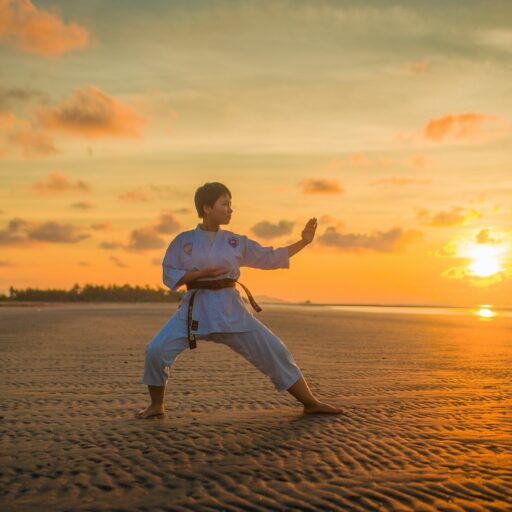
- Karate (Japan): Originating in Okinawa, Karate (“empty hand”) focuses on striking using fists, feet, knees, and open-hand techniques like the classic “karate chop.” It’s not just about fighting; it’s about building character.
- Kung Fu (China): This isn’t a single style but an umbrella term for hundreds of Chinese martial arts. As the Gymdesk article notes, “Kung Fu encompasses not only physical techniques but also philosophical aspects of discipline, respect, self-cultivation, and the pursuit of balance and harmony.” Some styles famously mimic animal movements!
- Taekwondo (Korea): Famous for its incredible kicking techniques! As the first YouTube video embedded in this article explains, Taekwondo is renowned for its high, fast, and dynamic kicks, making it visually spectacular and an Olympic sport.
- Muay Thai (Thailand): Known as “The Art of Eight Limbs,” this is a brutal and effective striking art. Practitioners use fists, elbows, knees, and shins, conditioning their bodies into human weapons. The physical demands are immense, but so are the rewards in power and endurance.
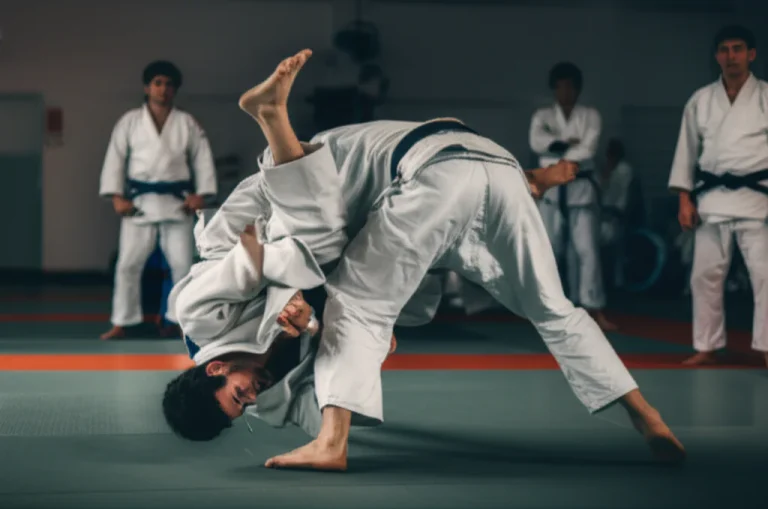
- Judo (Japan): Meaning “the gentle way,” Judo focuses on using an opponent’s momentum against them. Developed by Jigoro Kano, it’s a grappling art centered on throws, pins, and submissions. It’s a fantastic sport for learning leverage and control.
2. Middle Eastern and African Combat Traditions: Krav Maga, Dambe, and Others
Moving west, the focus often shifts from sport and philosophy to raw, practical application.
- Krav Maga (Israel): This is not a sport; it’s a survival system. Developed for the Israeli Defense Forces, Krav Maga is all about neutralizing threats as quickly as possible. It uses instinctive movements and isn’t afraid to get dirty. As the video summary points out, there are “no Krav Maga competitions” because its techniques, like eye pokes and groin strikes, would be illegal in any sport. It is brutally effective for real-world self-defense. ✅
- Dambe (West Africa): A traditional and brutal form of boxing originating from the Hausa people. Fighters wrap one fist (the “spear”) in rope and use it for striking, while the other hand (the “shield”) is open for defense. It’s a fascinating and intense cultural tradition.
- Sambo (Russia): A Soviet martial art and combat sport. The name literally translates to “self-defense without weapons.” It’s a hybrid system that merges the most effective techniques from Judo, wrestling, and other native styles. “Combat Sambo,” used by the military, is even more intense, allowing strikes that are banned in the sport version.
🌊 Oceania’s Unique Martial Arts and Fighting Systems
The islands of Oceania have developed unique fighting systems, often tied to tribal warfare and cultural dance.
- Coreeda (Australia): A form of wrestling that combines Aboriginal and Celtic styles, reflecting Australia’s history. It’s a unique blend that emphasizes balance and circular movement.
- Mau Rakau (New Zealand): The traditional martial art of the Māori people. It’s a weapons-based system, focusing on the taiaha (a long staff) and patu (a short club), and is deeply intertwined with Māori culture and heritage.
🌎 The Americas: From Indigenous Fighting Arts to Modern MMA
The New World has its own rich history, from the combat arts of indigenous peoples to the modern melting pot of Mixed Martial Arts.
3. Native American and Brazilian Martial Arts: Capoeira, Brazilian Jiu-Jitsu, and More
- Capoeira (Brazil): Is it a dance? Is it a fight? It’s both! Capoeira is an Afro-Brazilian martial art that combines “dance, acrobatics, and music.” It was cleverly disguised as a dance by enslaved Africans to hide their combat training from their captors. Its fluid, rhythmic movements and powerful kicks make it one of the most unique and beautiful martial arts on the planet.
- Brazilian Jiu-Jitsu (BJJ): A game-changer. Evolving from Japanese Jiu-Jitsu and Judo, the Gracie family in Brazil refined it into a ground-based grappling art that’s all about leverage. BJJ proved that a smaller, weaker person could defeat a larger opponent through technique, a concept that turned the martial arts world upside down. Its impact on MMA is immeasurable.
- Collegiate Wrestling (United States): A hugely popular and effective grappling art. While its roots are ancient, the American folkstyle system is a powerhouse for developing takedowns, control, and incredible physical conditioning. Many top MMA fighters, like some of the ones in our Fighter Profiles, have a strong wrestling base.
4. The Rise of Mixed Martial Arts (MMA) and Its Influences
And then came the Ultimate Fighting Championship (UFC). As the video summary perfectly states, the UFC was founded to “answer the long-debated question, ‘Which martial art is the best?'” In the early days, it was style vs. style. A sumo wrestler might fight a boxer. But very quickly, fighters realized they needed to be well-rounded.
You couldn’t just be a great striker; you’d get taken down and submitted by a BJJ practitioner. You couldn’t just be a grappler; a Muay Thai expert would pick you apart on your feet.
This forced evolution created the modern MMA fighter—an athlete skilled in multiple disciplines. They blend boxing, wrestling, BJJ, and Muay Thai into a seamless, effective system. We love breaking down these matchups in our Fight Analysis and Breakdowns section. MMA is the living, breathing answer to that age-old question: the “best” style is a blend of all of them.
🥊 Martial Arts Styles by Fighting Focus: Striking, Grappling, and Weapons
Feeling overwhelmed by all the choices? Let’s simplify it. Most martial arts can be broken down into three main categories based on their primary focus.
| Fighting Focus | Description | Key Examples | Best For… |
|---|---|---|---|
| Striking Arts | These arts teach you how to fight on your feet using punches, kicks, knees, and elbows. | Boxing, Karate, Taekwondo, Muay Thai, Kickboxing | Stand-up self-defense, cardiovascular fitness, developing power and speed. |
| Grappling Arts | These arts focus on takedowns, throws, pins, and submission holds (chokes, joint locks). | BJJ, Judo, Wrestling, Sambo | One-on-one control, self-defense against a larger opponent, building functional strength. |
| Weapons-Based Arts | These arts teach the use of weapons, from traditional swords and staffs to modern sticks and knives. | Eskrima/Kali/Arnis, Kendo, Silambam | Coordination, discipline, understanding distance and timing. Often translates to unarmed skills. |
Of course, many arts are hybrids. Hapkido, for instance, blends joint locks and throws with powerful strikes. And MMA is the ultimate hybrid, requiring proficiency in all ranges of combat.
🛡️ Self-Defense and Practical Martial Arts: What Works in Real Life?
This is the million-dollar question, isn’t it? If someone attacks you on the street, what’s going to save you?
Here’s the hard truth from our team: any training is better than no training. However, some arts are more directly applicable to self-defense than others.
- The Pressure-Tested Tier: ✅ Arts that are regularly practiced against resisting opponents are invaluable. This includes MMA, BJJ, Judo, Wrestling, Boxing, and Muay Thai. Why? Because you learn what actually works when someone is trying to stop you. BJJ is fantastic for controlling a single opponent on the ground, but what if they have friends? That’s a serious drawback to consider.
- The Specialist Tier: ✅ Systems like Krav Maga are designed from the ground up for the street. They don’t have rules. They teach you to deal with common attacks, multiple opponents, and weapons. The focus is 100% on survival.
- The Traditional Tier: 🤔 Arts like Aikido or traditional Kung Fu forms can be effective, but it often depends on the school and the instructor. Aikido’s focus on redirecting an opponent’s energy is a powerful concept, but if you never practice it against a fully resisting attacker, you won’t know if you can pull it off under pressure. ❌
Our advice? Look for a school that includes live, “aliveness” training or sparring. This is the single most important factor in determining if what you’re learning will work when it counts.
🏆 Martial Arts for Fitness, Discipline, and Mental Health
Let’s be honest, most of us aren’t training to become UFC champions. We’re looking for something more. And this is where martial arts truly shine.
The physical benefits are obvious. A good Muay Thai or BJJ class is one of the most intense workouts you will ever experience. You’ll see improvements in “cardiovascular endurance, strength, flexibility.”
But the mental benefits are even more profound.
- Discipline and Perseverance: Showing up to class on days you don’t feel like it. Pushing through a tough sparring session. Working for months or years to earn that next belt. This builds a mental fortitude that translates to every other aspect of your life.
- Stress Relief: There is no better way to forget about a bad day at work than by hitting pads or solving the complex physical puzzle of grappling. It’s a “productive outlet for stress” and promotes mindfulness.
- Confidence: Learning how to control your body and defend yourself builds a quiet confidence that changes how you carry yourself. It’s not about being aggressive; it’s about knowing you are capable.
🎥 Popular Martial Arts in Movies, TV, and Pop Culture
Hollywood has had a long love affair with martial arts. From the legendary Bruce Lee popularizing Kung Fu and his own Jeet Kune Do philosophy, to the Karate Kid franchise making a generation of kids want to learn the crane kick, pop culture has been a massive gateway for many of us.
- The “Flashy” Kicks: Taekwondo, with its “jumping and spinning high kicks,” is a filmmaker’s dream, which is why you see it so often on screen.
- The Rise of MMA: The John Wick movies have showcased a blend of Judo and tactical shooting, bringing grappling arts to the forefront of action cinema.
- The Wing Chun Explosion: The Ip Man film series, starring Donnie Yen, led to a massive surge in global interest for Wing Chun, the close-range Kung Fu style known for its rapid-fire punches.
While movies often exaggerate reality (sorry, you can’t learn it all from a training montage!), they capture the spirit and beauty of these arts and inspire millions to step onto the mat for the first time.
🤔 How to Choose the Right Martial Art for You: Expert Tips
Ready to start your journey? Awesome! But with so many options, how do you pick one? Follow our team’s step-by-step guide.
- Step 1: Define Your “Why”. Be brutally honest with yourself. What is your primary goal?
- Self-Defense? -> Look at Krav Maga, MMA, BJJ, Muay Thai.
- Fitness? -> Kickboxing, Muay Thai, and Wrestling will push your cardio to the limit.
- Discipline & Culture? -> Traditional arts like Karate, Judo, or Aikido are excellent choices.
- Competition? -> BJJ, Judo, Boxing, and Taekwondo have very active and accessible competition scenes.
- Step 2: Do Your Research. Watch videos. Read articles (like this one!). Get a feel for the different styles. The Gymdesk article wisely advises you to “research different styles, philosophies, and training approaches.”
- Step 3: Find Local Schools. A great instructor is more important than the style itself. Look for schools in your area. Check their reviews on Google Maps and Yelp. Look at their schedule and see if it fits your life.
- Step 4: Take a Trial Class! This is non-negotiable. Almost every reputable school offers a free trial class. Pay attention to the atmosphere. Is it welcoming? Are the instructors patient and knowledgeable? Do the other students seem like people you’d want to train with? Is the facility clean and safe?
- Step 5: Trust Your Gut. After the trial class, how do you feel? Excited? Energized? A little sore but eager to go back? If the answer is yes, you’ve probably found your new home.
🛒 Top Martial Arts Gear and Brands Recommended by Pros
You don’t need a lot of fancy gear to start, but investing in quality equipment will protect you and your training partners. Here’s what our pros at Karate MMA™ use and recommend.
Karate MMA™ Starter Kit Rating
| Feature | Rating (1-10) | Notes |
|---|---|---|
| Durability | 9/10 | We recommend brands known for withstanding tough training. |
| Comfort & Fit | 8/10 | A good fit is crucial for both safety and performance. |
| Protection | 9/10 | The primary job of gear is to keep you safe. Don’t skimp here. |
| Value | 8/10 | We prioritize gear that offers the best performance for its cost, not just the cheapest option. |
Essential Gear Breakdown
- For Striking (Boxing, Muay Thai, Karate):
- Gloves: Your most important purchase. For general training, 16oz gloves are the standard for providing good protection for both you and your partners.
- Hand Wraps: Protect the small bones in your hands. Non-negotiable.
- Mouthguard: Protect your teeth. Get a “boil and bite” one to start.
- Shin Guards: Essential for Muay Thai and Kickboxing sparring.
- For Grappling (BJJ, Judo):
- Gi (or Kimono): This is your uniform. Brands have different cuts, so it’s best to try one on if possible. BJJ and Judo gis have different weaves and cuts, so make sure you get the right one for your sport.
- Mouthguard: Yes, even in grappling! Protects from accidental knees and elbows.
- Top Brands We Trust:
- Hayabusa: Known for high-tech, premium quality gear, especially their T3 boxing gloves.
- Venum: A huge name in MMA and BJJ, offering stylish and durable gis and fight shorts.
- Fairtex: A legendary Thai brand. Their shin guards and gloves are considered the gold standard in Muay Thai.
- Fuji: A workhorse brand in BJJ and Judo. Their gis are known for being incredibly durable and offering great value.
👉 Shop Top Martial Arts Brands on:
- Hayabusa: Amazon | Hayabusa Official Website
- Venum: Amazon | Venum Official Website
- Fairtex: Amazon | Fairtex Official Website
- Fuji Sports: Amazon | Fuji Sports Official Website
📚 Recommended Resources and Training Platforms
Your training doesn’t stop when you leave the dojo. Supplement your learning with these fantastic resources.
- YouTube Channels:
- BJJ Fanatics: An incredible resource for grappling techniques from the world’s best.
- Lawrence Kenshin Striking Breakdowns: Deeply analytical videos on the striking techniques of elite fighters.
- FightTIPS: A great channel covering a wide range of martial arts with practical tips.
- Online Instructionals:
- BJJ Fanatics & Grapplers Guide: If you’re serious about BJJ, these platforms offer comprehensive instructionals from top-tier competitors and coaches.
- Forums and Communities:
- Reddit’s r/bjj, r/martialarts, r/mma: Great places to ask questions, share progress, and connect with other practitioners.
- News and Updates:
- Stay current with the latest happenings in the combat sports world by checking our own Karate and MMA News section! We keep you updated on everything you need to know.
✅ Conclusion: Mastering the Martial Arts Landscape

Phew! What a journey through the fascinating world of martial arts we’ve taken together. From the ancient wrestling pits of Afro-Eurasia to the electrifying octagons of modern MMA, the diversity and depth of martial arts are truly staggering. Whether you’re drawn to the disciplined strikes of Karate, the fluid dance-fight of Capoeira, or the no-nonsense practicality of Krav Maga, there’s a style out there perfectly suited to your goals and personality.
Throughout this article, we’ve answered the big questions: What styles exist? How did they evolve? Which ones work best for self-defense, fitness, or competition? And most importantly, how do you find your perfect fit?
Remember, the best martial art is the one you commit to. No style is inherently superior; each has strengths and weaknesses. The key is consistent training, a great instructor, and a community that supports your growth.
If you’re starting out, try a few trial classes, explore different styles, and listen to your gut. Your martial arts journey is as unique as you are — and it will reward you with physical fitness, mental resilience, and a lifetime of learning.
Ready to take the first step? Check out our recommended gear and resources, and dive into training with confidence. We’re here cheering you on every punch, kick, and grapple of the way! 🥋🔥
🔗 Recommended Links for Further Exploration
Ready to gear up or deepen your knowledge? Here are some top picks from our experts at Karate MMA™:
- 👉 Shop Top Martial Arts Brands:
- Hayabusa Gear: Amazon | Official Website
- Venum Equipment: Amazon | Official Website
- Fairtex Muay Thai Gear: Amazon | Official Website
- Fuji BJJ Gis: Amazon | Official Website
- Books to Deepen Your Martial Arts Understanding:
- The Way of the Warrior by Chris Crudelli — A beautifully illustrated history of martial arts worldwide. Amazon
- Brazilian Jiu-Jitsu: Theory and Technique by Renzo Gracie and Royler Gracie — The definitive guide to BJJ fundamentals. Amazon
- The Art of War by Sun Tzu — Classic treatise on strategy and combat philosophy. Amazon
- Further Reading:
❓ FAQ: Your Burning Martial Arts Questions Answered

What are the most popular martial arts styles?
The most popular martial arts worldwide include Karate, Taekwondo, Brazilian Jiu-Jitsu (BJJ), Muay Thai, Judo, and Boxing. Taekwondo is especially widespread due to its Olympic status, while BJJ’s popularity has surged thanks to MMA. Popularity often depends on regional culture, accessibility, and whether the art is practiced as a sport, self-defense system, or cultural tradition.
Read more about “15 Karate Styles You Must Know in 2025 🥋: Master Power, Speed & Self-Defense”
How do I choose the right martial art for me?
Choosing the right martial art starts with defining your goals. Are you seeking self-defense skills, fitness, competition, or personal growth? Research styles that align with those goals, visit local schools, and take trial classes. The quality of instruction and the training environment often matter more than the style itself. Trust your instincts and commit to consistent practice.
Read more about “Master Karate Training: 10 Proven Techniques & Gear for 2025 🥋”
What are the differences between Karate and other martial arts?
Karate is a striking art from Okinawa, Japan, emphasizing powerful punches, kicks, and open-hand techniques, often practiced with a strong focus on discipline and kata (forms). Compared to grappling arts like Judo or BJJ, Karate is primarily stand-up striking. Compared to arts like Taekwondo, Karate generally uses more hand techniques and linear movements, while Taekwondo emphasizes dynamic kicking. Each art has unique philosophies and training methods, so the differences also lie in culture and approach.
Read more about “Who Is the Father of Martial Arts? 🥋 6 Legends Who Shaped the Fight (2025)”
What are the benefits of learning martial arts like Karate?
Karate offers a blend of physical and mental benefits: improved strength, coordination, balance, and cardiovascular health; enhanced discipline, focus, and respect; and increased confidence and self-defense skills. The structured belt system provides clear goals and a sense of achievement. Karate training also fosters community and lifelong friendships.
Read more about “Is Boxing a Sport or Martial Art? 🥊 The Ultimate 12-Point Breakdown (2025)”
Which martial arts are best for self-defense?
For practical self-defense, arts that emphasize realistic scenarios and live training are best. This includes Krav Maga, MMA, Brazilian Jiu-Jitsu, Muay Thai, and Boxing. These arts teach you to handle resisting opponents and often include defenses against weapons and multiple attackers. Traditional arts can be effective if taught with realistic sparring, but always verify the school’s training methods.
Read more about “10 Must-Know Self Defense Classes to Boost Your Confidence 🥋 (2025)”
Is Karate considered an effective martial art?
Absolutely! Karate is effective for self-defense when trained properly, especially when combined with sparring and practical application drills. Its emphasis on powerful strikes, timing, and distance control makes it formidable. However, like any martial art, its effectiveness depends on the instructor, training intensity, and the student’s dedication.
Read more about “Can Anyone Learn Karate? 9 Surprising Truths for All Ages 🥋 (2025)”
What are some traditional Japanese martial arts besides Karate?
Japan has a rich martial arts heritage beyond Karate, including:
- Judo: Focuses on throws and grappling.
- Aikido: Emphasizes joint locks and redirection of force.
- Kendo: The art of Japanese swordsmanship using bamboo swords.
- Jujutsu: The classical art of unarmed and armed combat.
- Iaido: The art of drawing the sword smoothly and striking in one motion.
Each has unique philosophies and techniques, often rooted in samurai traditions.
Additional FAQs
Can adults start learning martial arts?
Yes! Martial arts are for all ages. Many schools offer beginner classes tailored to adults. Training improves fitness, mental health, and self-confidence regardless of age.
How long does it take to earn a black belt in Karate?
Typically, it takes 3 to 5 years of consistent training to earn a black belt, but this varies by school and individual dedication. Remember, the belt is a milestone, not the destination.
Are martial arts safe to practice?
When taught by qualified instructors with proper safety protocols, martial arts are generally safe. Injuries can happen but are minimized through controlled training, protective gear, and respect among practitioners.
Read more about “How Many Martial Arts Are There? Discover 180+ Styles & Their Unique Benefits … 🥋”
📑 Reference Links and Credible Sources
- Wikipedia: List of Martial Arts
- Gymdesk: Different Types of Martial Arts
- Martial Arts WA: 50 Powerful Martial Arts Styles You Need to Know About
- Hayabusa Official: https://www.hayabusafight.com/
- Venum Official: https://www.venum.com/
- Fairtex Official: https://fairtex.com/
- Fuji Sports Official: https://fujisports.com/
- Karate MMA™ Martial Arts History: https://www.karatemma.org/category/martial-arts-history/
- Karate MMA™ Karate Techniques: https://www.karatemma.org/category/karate-techniques/
- Karate MMA™ Fighter Profiles: https://www.karatemma.org/category/fighter-profiles/
- Karate MMA™ Fight Analysis and Breakdowns: https://www.karatemma.org/category/fight-analysis-and-breakdowns/
- Karate MMA™ Karate and MMA News: https://www.karatemma.org/category/karate-and-mma-news/
Ready to start your martial arts journey? Remember, every master was once a beginner. Lace up those gloves, bow to your instructor, and step into the world of martial arts with confidence! 🥋🔥