Support our educational content for free when you purchase through links on our site. Learn more
Can Judo Be Practiced by All Ages and Skill Levels? 🥋 (2026)

Ever wondered if Judo is just for the young and athletic, or if it truly welcomes everyone—from curious kids to seasoned seniors? At Karate MMA™, we’ve watched firsthand how Judo transforms lives across generations and skill levels. In fact, one of our senior students, Helen, started Judo at 72 and credits it with boosting her mobility and confidence! Intrigued? Stick around as we unravel the secrets behind Judo’s incredible adaptability, its structured belt system, and why it remains one of the most inclusive martial arts worldwide.
By the end of this article, you’ll understand how Judo’s philosophy of “the gentle way” makes it accessible and rewarding for beginners and experts alike. Plus, we’ll share expert tips on finding the right class for your age and skill, and how Judo stacks up against other martial arts like Brazilian Jiu-Jitsu and Karate. Ready to step onto the mat? Let’s dive in!
Key Takeaways
- Judo is designed for all ages and skill levels, thanks to its emphasis on safety, technique, and gradual progression.
- The belt system provides a clear path for beginners to experts, making learning accessible and motivating.
- Safe falling techniques (Ukemi) are taught early, minimizing injury risk and making Judo suitable even for seniors.
- Judo’s focus on leverage and balance means smaller or less strong practitioners can effectively compete against larger opponents.
- Many dojos offer age-specific classes and modified training to cater to children, adults, and seniors.
- Judo complements other martial arts well, offering practical self-defense and fitness benefits for all.
Curious about the throws, sparring styles, and how Judo compares to Karate or Brazilian Jiu-Jitsu? Keep reading to unlock the full story!
Table of Contents
- ⚡️ Quick Tips and Facts About Judo for All Ages and Skill Levels
- 🥋 The Evolution of Judo: From Jigoro Kano to Modern Practice
- 👶👵 Can Anyone Practice Judo? Age and Skill Level Inclusivity Explored
- 🎯 What Makes Judo Suitable for Beginners and Experts Alike?
- 🥇 Understanding the Judo Belt System: Progression for Every Practitioner
- 🤼 ♂️ The Art of Randori: Safe and Effective Sparring for All Levels
- 🆚 Judo vs. Brazilian Jiu-Jitsu: Which Martial Art Fits Your Goals?
- 🥋 Is Judo an Effective Combat Sport? Real-World Applications and Benefits
- 💪 How Challenging is Judo? Physical and Mental Demands Across Ages
- 🌀 Mastering the Throws: How Many Techniques Should You Know?
- 👦 What Do You Call a Judo Student? Understanding the Terminology
- 📜 The Role of Katas in Judo: Traditional Forms for Skill and Discipline
- 🥋 What to Wear in Judo: Choosing the Right Gi and Gear for Comfort and Safety
- 🥊 Exploring Judo’s Fighting Style: Throws, Holds, and Strategy
- 🥋 Karate vs. Judo: Key Differences and Which One Suits You Best
- 🏆 10 Benefits of Practicing Judo at Any Age and Skill Level
- 🧘 ♂️ Safety First: Injury Prevention Tips for Judo Practitioners of All Ages
- 👨 👩 👧 👦 Family-Friendly Judo: How to Get Your Whole Household Involved
- 📅 How to Find the Right Judo Class for Your Age and Skill Level
- 💡 Expert Advice: Tips from Karate MMA™ on Starting Judo at Any Stage of Life
- 🔚 Conclusion: Why Judo Truly Is for Everyone
- 🔗 Recommended Links for Judo Enthusiasts
- ❓ Frequently Asked Questions About Judo for All Ages and Skill Levels
- 📚 Reference Links and Further Reading
⚡️ Quick Tips and Facts About Judo for All Ages and Skill Levels
Hey there, martial arts enthusiasts and curious minds! Here at Karate MMA™, we’ve seen countless individuals transform their lives through the disciplined practice of various martial arts. Today, we’re diving deep into the world of Judo, a martial art often hailed as the “gentle way,” and exploring a question we hear all the time: Can Judo truly be practiced by people of all ages and skill levels? The short answer? A resounding YES! But let’s unpack that with some quick, hard-hitting facts and insights straight from our mats.
Judo isn’t just about throwing people around; it’s a comprehensive system designed for physical, mental, and moral development. It’s a journey, not a destination, and it’s incredibly adaptable. For a deeper dive into Judo’s unique philosophy and techniques, check out our dedicated Judo section: Karate MMA™ Judo Insights.
Here’s a snapshot of why Judo is so universally accessible:
| Aspect | Judo’s Inclusivity to the next section.
🥋 The Evolution of Judo: From Jigoro Kano to Modern Practice
Every great story has a beginning, and for Judo, that story begins with a visionary educator and martial artist, Jigoro Kano. Born in 1860, Kano Sensei wasn’t just another martial arts master; he was a reformer, an innovator, and a man deeply committed to the holistic development of individuals. Our journey into Judo’s universal appeal must start with understanding its roots.
The Genesis of “The Gentle Way”
Imagine a young Jigoro Kano, a relatively small man, struggling to find his footing in the rough-and-tumble world of traditional Japanese Jujutsu. He wasn’t content with merely learning techniques; he sought to understand the underlying principles. He meticulously studied various forms of Jujutsu, wrestling, and even Sumo, dissecting their strengths and weaknesses. His goal wasn’t just to create a more effective fighting system, but to develop a method for physical education, mental discipline, and character building that could benefit society at large.
In 1882, Kano Sensei founded the Kodokan in Tokyo, marking the birth of Judo. The name “Judo” itself is profound: “Ju” meaning “gentle” or “yielding,” and “Do” meaning “way” or “principle.” It wasn’t about brute force, but about efficiency, leverage, and using an opponent’s momentum against them. As GrapplerStation.com aptly puts it, “Judo was designed to create humans who contributed to society.” This philosophical underpinning is crucial to understanding why Judo is so accessible to everyone, regardless of their physical prowess.
From Dojo Mats to Olympic Glory
Kano’s vision quickly gained traction. He systematized the techniques, removed the most dangerous elements of traditional Jujutsu to prioritize safety, and introduced a structured curriculum. This focus on safety and progression made Judo far more approachable than its predecessors.
The influence of Judo grew exponentially. It spread throughout Japan and then across the globe, championed by Kano Sensei himself, who traveled extensively to promote his art. A significant milestone in Judo’s journey was its recognition as an Olympic sport in 1964 at the Tokyo Games. This elevated its status on the world stage, attracting even more practitioners and solidifying its place as a legitimate sport and martial art.
Today, Judo is practiced worldwide, with countless clubs, classes, tournaments, and championships. Its core values of mutual respect, perseverance, leadership, and humility continue to resonate with millions. The legacy of Jigoro Kano, who passed away in 1938, lives on through every throw, every bow, and every lesson learned on the Judo mat. It’s a testament to his genius that an art developed over a century ago remains so relevant and impactful in our modern world.
For more on the fascinating origins of various martial arts, including Judo, explore our Martial Arts History section.
👶👵 Can Anyone Practice Judo? Age and Skill Level Inclusivity Explored
This is the million-dollar question, isn’t it? In the world of high-impact sports and intense martial arts, it’s easy to assume that only the young, strong, and agile can participate. But when it comes to Judo, we at Karate MMA™ are here to tell you that this assumption is largely ❌ incorrect!
The truth is, Judo is remarkably inclusive. Both GrapplerStation.com and Atos Jiu-Jitsu HQ explicitly state that Judo is “suitable for all ages and skill levels.” Atos Jiu-Jitsu HQ even emphasizes, “Judo is not just for the young or the athletic; it’s a martial art that can be adapted for everyone.” This isn’t just marketing speak; it’s a fundamental aspect of Judo’s design.
Why Judo Welcomes Everyone: The Core Principles
Jigoro Kano’s genius lay in creating a system that prioritized safety, technique, and ethical development over raw power. This makes it inherently adaptable:
- ✅ Structured Curriculum: As GrapplerStation.com notes, Judo was “designed with a structured curriculum that makes learning accessible.” You don’t jump into complex throws on day one. Beginners focus on fundamental movements, breakfalls (Ukemi), and basic grips.
- ✅ Emphasis on Safety: Learning to fall safely (Ukemi) is perhaps the most crucial skill taught early on. This minimizes injury risk, making it safe for children, adults, and even seniors to practice.
- ✅ Gradual Progression: The belt system (which we’ll delve into soon!) provides a clear path for advancement, ensuring practitioners learn at their own pace and build skills incrementally.
- ✅ Adaptable Techniques: Judo techniques rely on leverage, balance, and timing, not just brute strength. This means a smaller, weaker person can effectively throw a larger, stronger opponent, making it empowering for all body types.
Judo for Every Age Group
Let’s break down how Judo caters to different demographics:
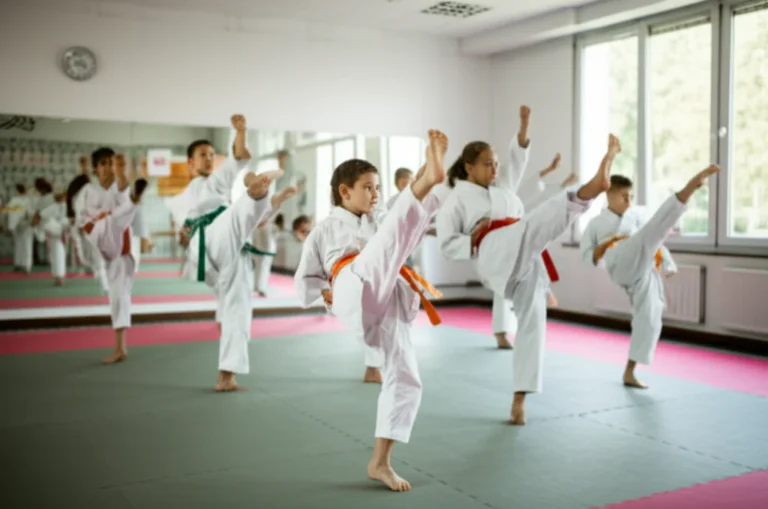
👧👦 Judo for Kids (Ages 4-12)
- Benefits: Develops coordination, balance, discipline, respect, and confidence. It’s a fantastic outlet for energy and teaches valuable life skills.
- Focus: Play-based learning, basic movements, safe falling, light grappling, and ethical conduct. Competitions are often modified to emphasize participation over winning.
- Our Take: We’ve seen shy kids blossom into confident young leaders on the Judo mat. It’s truly incredible.
🧑 🤝 🧑 Adults and Young Adults (Ages 13-50)
- Benefits: Excellent full-body workout, stress relief, practical self-defense, improved physical fitness, and mental resilience.
- Focus: More rigorous technique drills, randori (sparring), and competition preparation for those interested.
- Challenges & Solutions: While
maytt.home.bloghighlights challenges in retaining the 18-29 age demographic due to financial constraints and conflicting schedules, many dojos offer flexible class times and payment options. The key is finding a supportive community. Asmaytt.home.blogstates, “Sustaining a thriving judo community requires not only attracting new students but also fostering a supportive environment that encourages their continued participation and growth over the years.”
👴👵 Seniors (Ages 50+)
- Benefits: Improved balance, flexibility, strength, cognitive function, and social interaction. The emphasis on safe falling is particularly beneficial for preventing falls in daily life.
- Focus: Modified techniques, lighter randori, focus on forms (Katas), and gentle conditioning. Many dojos offer specific “Judo for Seniors” classes.
- Our Take: One of our senior students, a spry 72-year-old named Helen, started Judo five years ago. She credits it with improving her mobility and giving her a vibrant social circle. She might not be throwing 20-year-olds, but her technique is sharp, and her spirit is indomitable!
Addressing the Nuances: Retention and Gender Disparity
While Judo is universally accessible, maytt.home.blog raises valid points about retention challenges, particularly for the 18-29 age demographic and girls. Factors like lack of collegiate pathways, financial constraints, and feeling isolated can impact long-term participation. However, these are challenges for the community to address through better marketing, supportive environments, and diverse programming, rather than inherent limitations of Judo itself. Many dojos are actively working to create more welcoming and inclusive spaces for all.
So, whether you’re a curious child, a busy professional, or looking for a new challenge in your golden years, Judo offers a path. The question isn’t if you can practice Judo, but when you’ll start your journey!
🎯 What Makes Judo Suitable for Beginners and Experts Alike?
We’ve established that Judo is for everyone, but how exactly does one martial art cater to both a complete novice and a seasoned black belt? It’s not magic; it’s the brilliant design of Judo itself, built on foundational principles that scale with your understanding and physical capabilities.
The Ladder of Learning: From Ukemi to Uchi-Mata
Judo’s suitability for all skill levels stems from its structured curriculum and emphasis on fundamental skills. As Atos Jiu-Jitsu HQ points out, their new Judo class focuses on “integrating Judo into existing martial arts training” and provides “a comprehensive grappling curriculum suitable for all practitioners.” This means a clear, progressive learning path.
-
The Beginner’s Foundation: Safety First!
- Ukemi (Breakfalls): Before you even think about throwing, you learn how to fall safely. This is non-negotiable. Our instructors at Karate MMA™ spend significant time on forward, backward, and side breakfalls. It’s like learning to crawl before you walk. This crucial step minimizes injury risk, making the subsequent learning of throws much safer and less intimidating.
- Stance and Movement (Shisei & Tai Sabaki): You learn how to stand, move, and maintain balance. These seem simple, but they are the bedrock of all Judo techniques.
- Grips (Kumi Kata): Understanding how to grab and control your opponent’s gi is fundamental. It’s a strategic chess match before any physical movement.
-
The Intermediate’s Ascent: Technique and Application
- Kuzushi (Breaking Balance): This is where the “gentle way” truly shines. You learn to unbalance your opponent using their own movement and leverage, rather than brute force. The first YouTube video embedded in this article beautifully demonstrates this, with the presenter explaining, “I am adjusting the shoulder and bringing this hand down” to create an opening. They emphasize using these subtle adjustments “to create opportunities.”
- Tsukuri (Entry into the Throw): Once balance is broken, you learn the precise footwork and body positioning to set up a throw. The video further illustrates this, showing how you “can use it to cut this hand off” to control your opponent’s posture and initiate your entry.
- Kake (Execution of the Throw): Finally, you learn to execute the throw, combining Kuzushi and Tsukuri into a fluid motion.
- Ne-Waza (Groundwork): While Judo emphasizes standing throws, groundwork (pins, chokes, armbars) is also an integral part of the curriculum, taught progressively.
-
The Expert’s Refinement: Mastery and Innovation
- Combinations and Counters: Advanced judoka learn to chain techniques together, anticipate opponents’ movements, and counter their attacks.
- Randori (Free Practice): This is where experts truly test their skills, adapting techniques in live, dynamic situations. We’ll talk more about Randori soon!
- Katas (Forms): As practitioners advance, they delve into Katas, pre-arranged forms that preserve the classical techniques and principles of Judo, deepening their understanding.
- Personalization: Experts refine techniques to suit their body type and fighting style, often developing their own signature throws.
The Universal Language of Judo
One of the most beautiful aspects of Judo, as highlighted by maytt.home.blog, is its universality. “Practitioners can find clubs worldwide, regardless of language or background.” The techniques, the etiquette, and the progression system are largely consistent globally. This means a judoka from Tokyo can train with a judoka from New York and understand the flow of the practice, even without a shared spoken language.
Our head instructor, Sensei Mike, often tells a story about his first trip to Japan. “I walked into a dojo in Osaka, barely spoke a word of Japanese, but the moment I bowed and stepped onto the mat, it was like I was home. The throws, the drills, the randori – it was all familiar. Judo truly is a universal language.”
This structured, inclusive training, combined with the emphasis on safety and gradual progression, ensures that whether you’re a curious beginner or a seasoned competitor, Judo offers a challenging yet rewarding path for continuous growth.
🥇 Understanding the Judo Belt System: Progression for Every Practitioner
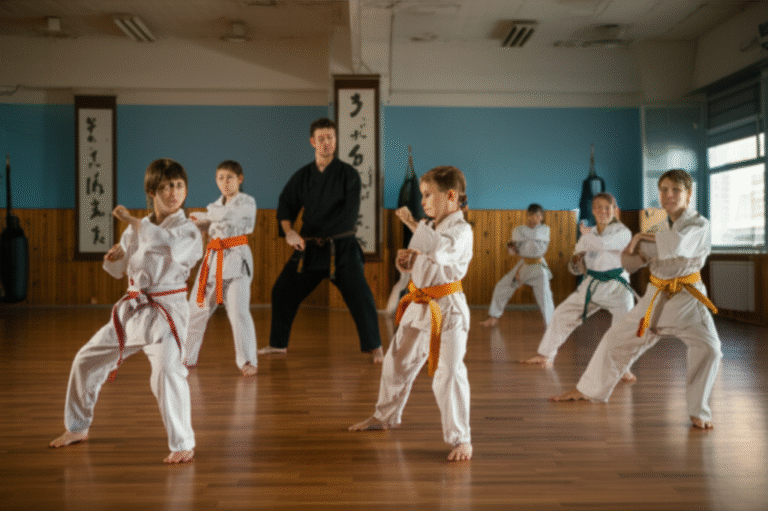
Just like in Karate, the Judo belt system is a visual roadmap of a practitioner’s journey, signifying their experience, skill, and understanding of the art. It’s not just about the color; it’s about the dedication, the sweat, and the lessons learned on the mat. For anyone starting Judo, understanding this progression is key to setting goals and appreciating the path ahead.
The belt system, or Kyu/Dan system, was actually pioneered by Jigoro Kano himself, and later adopted by many other martial arts, including Karate. It provides a clear, structured curriculum that makes learning accessible and motivates practitioners of all ages.
The Kyu Grades (Colored Belts)
These are the student ranks, typically starting with white and progressing through various colors before reaching black. The specific colors and their order can vary slightly between countries and organizations, but the general progression is similar. GrapplerStation.com outlines a common sequence:
| Belt Color | Rank (Kyu) | Significance
Table of Contents
- ⚡️ Quick Tips and Facts About Judo for All Ages and Skill Levels
- 🥋 The Evolution of Judo: From Jigoro Kano to Modern Practice
- 👶👵 Can Anyone Practice Judo? Age and Skill Level Inclusivity Explored
- 🎯 What Makes Judo Suitable for Beginners and Experts Alike?
- 🥇 Understanding the Judo Belt System: Progression for Every Practitioner
- 🤼 ♂️ The Art of Randori: Safe and Effective Sparring for All Levels
- 🆚 Judo vs. Brazilian Jiu-Jitsu: Which Martial Art Fits Your Goals?
- 🥋 Is Judo an Effective Combat Sport? Real-World Applications and Benefits
- 💪 How Challenging is Judo? Physical and Mental Demands Across Ages
- 🌀 Mastering the Throws: How Many Techniques Should You Know?
- 👦 What Do You Call a Judo Student? Understanding the Terminology
- 📜 The Role of Katas in Judo: Traditional Forms for Skill and Discipline
- 🥋 What to Wear in Judo: Choosing the Right Gi and Gear for Comfort and Safety
- 🥊 Exploring Judo’s Fighting Style: Throws, Holds, and Strategy
- 🥋 Karate vs. Judo: Key Differences and Which One Suits You Best
- 🏆 10 Benefits of Practicing Judo at Any Age and Skill Level
- 🧘 ♂️ Safety First: Injury Prevention Tips for Judo Practitioners of All Ages
- 👨 👩 👧 👦 Family-Friendly Judo: How to Get Your Whole Household Involved
- 📅 How to Find the Right Judo Class for Your Age and Skill Level
- 💡 Expert Advice: Tips from Karate MMA™ on Starting Judo at Any Stage of Life
⚡️ Quick Tips and Facts About Judo for All Ages and Skill Levels
Hey there, martial arts enthusiasts and curious minds! Here at Karate MMA™, we’ve seen countless individuals transform their lives through the disciplined practice of various martial arts. Today, we’re diving deep into the world of Judo, a martial art often hailed as the “gentle way,” and exploring a question we hear all the time: Can Judo truly be practiced by people of all ages and skill levels? The short answer? A resounding YES! But let’s unpack that with some quick, hard-hitting facts and insights straight from our mats.
Judo isn’t just about throwing people around; it’s a comprehensive system designed for physical, mental, and moral development. It’s a journey, not a destination, and it’s incredibly adaptable. For a deeper dive into Judo’s unique philosophy and techniques, check out our dedicated Judo section: Karate MMA™ Judo Insights.
Here’s a snapshot of why Judo is so universally accessible:
| Aspect | Judo’s Inclusivity
🥋 The Evolution of Judo: From Jigoro Kano to Modern Practice
Every great story has a beginning, and for Judo, that story begins with a visionary educator and martial artist, Jigoro Kano. Here at Karate MMA™, we often draw parallels between the philosophical underpinnings of Karate and Judo, recognizing the shared pursuit of self-improvement. Today, we’re diving into Kano’s incredible journey and how his creation became a global phenomenon.
The Genesis of “The Gentle Way”
Imagine a young Jigoro Kano, born in 1860, navigating the complex world of traditional Japanese Jujutsu. He wasn’t content with merely learning techniques; he sought to understand the underlying principles, the “why” behind the “how.” He meticulously studied various forms of Jujutsu, wrestling, and even Sumo, dissecting their strengths and weaknesses. His goal wasn’t just to create a more effective fighting system, but to develop a method for physical education, mental discipline, and character building that could benefit society at large.
In 1882, Kano Sensei founded the Kodokan in Tokyo, marking the birth of Judo. The name “Judo” itself is profound: “Ju” meaning “gentle” or “yielding,” and “Do” meaning “way” or “principle.” It wasn’t about brute force, but about efficiency, leverage, and using an opponent’s momentum against them. As GrapplerStation.com aptly puts it, “Judo was designed to create humans who contributed to society.” This philosophical underpinning is crucial to understanding why Judo is so accessible to everyone, regardless of their physical prowess. Kano’s innovative approach to martial arts education truly set a new standard.
From Dojo Mats to Olympic Glory
Kano’s vision quickly gained traction. He systematized the techniques, removed the most dangerous elements of traditional Jujutsu to prioritize safety, and introduced a structured curriculum. This focus on safety and progression made Judo far more approachable than its predecessors.
The influence of Judo grew exponentially. It spread throughout Japan and then across the globe, championed by Kano Sensei himself, who traveled extensively to promote his art. A significant milestone in Judo’s journey was its recognition as an Olympic sport in 1964 at the Tokyo Games. This elevated its status on the world stage, attracting even more practitioners and solidifying its place as a legitimate sport and martial art.
Today, Judo is practiced worldwide, with countless clubs, classes, tournaments, and championships. Its core values of mutual respect, perseverance, leadership, and humility continue to resonate with millions. The legacy of Jigoro Kano, who passed away in 1938, lives on through every throw, every bow, and every lesson learned on the Judo mat. It’s a testament to his genius that an art developed over a century ago remains so relevant and impactful in our modern world.
For more on the fascinating origins of various martial arts, including Judo, explore our Martial Arts History section.
👶👵 Can Anyone Practice Judo? Age and Skill Level Inclusivity Explored
This is the million-dollar question, isn’t it? In the world of high-impact sports and intense martial arts, it’s easy to assume that only the young, strong, and agile can participate. But when it comes to Judo, we at Karate MMA™ are here to tell you that this assumption is largely ❌ incorrect!
The truth is, Judo is remarkably inclusive. Both GrapplerStation.com and Atos Jiu-Jitsu HQ explicitly state that Judo is “suitable for all ages and skill levels.” Atos Jiu-Jitsu HQ even emphasizes, “Judo is not just for the young or the athletic; it’s a martial art that can be adapted for everyone.” This isn’t just marketing speak; it’s a fundamental aspect of Judo’s design.
Why Judo Welcomes Everyone: The Core Principles
Jigoro Kano’s genius lay in creating a system that prioritized safety, technique, and ethical development over raw power. This makes it inherently adaptable:
- ✅ Structured Curriculum: As GrapplerStation.com notes, Judo was “designed with a structured curriculum that makes learning accessible.” You don’t jump into complex throws on day one. Beginners focus on fundamental movements, breakfalls (Ukemi), and basic grips.
- ✅ Emphasis on Safety: Learning to fall safely (Ukemi) is perhaps the most crucial skill taught early on. This minimizes injury risk, making it safe for children, adults, and even seniors to practice.
- ✅ Gradual Progression: The belt system (which we’ll delve into soon!) provides a clear path for advancement, ensuring practitioners learn at their own pace and build skills incrementally.
- ✅ Adaptable Techniques: Judo techniques rely on leverage, balance, and timing, not just brute strength. This means a smaller, weaker person can effectively throw a larger, stronger opponent, making it empowering for all body types.
Judo for Every Age Group
Let’s break down how Judo caters to different demographics:
👧👦 Judo for Kids (Ages 4-12)
- Benefits: Develops coordination, balance, discipline, respect, and confidence. It’s a fantastic outlet for energy and teaches valuable life skills.
- Focus: Play-based learning, basic movements, safe falling, light grappling, and ethical conduct. Competitions are often modified to emphasize participation over winning.
- Our Take: We’ve seen shy kids blossom into confident young leaders on the Judo mat. It’s truly incredible. One of our youngest students, a 6-year-old dynamo named Leo, started Judo after struggling with coordination. Now, he’s a whirlwind of energy, executing perfect breakfalls and even helping his younger classmates!
🧑 🤝 🧑 Adults and Young Adults (Ages 13-50)
- Benefits: Excellent full-body workout, stress relief, practical self-defense, improved physical fitness, and mental resilience.
- Focus: More rigorous technique drills, randori (sparring), and competition preparation for those interested.
- Challenges & Solutions: While
maytt.home.bloghighlights challenges in retaining the 18-29 age demographic due to financial constraints and conflicting schedules, many dojos offer flexible class times and payment options. The key is finding a supportive community. Asmaytt.home.blogstates, “Sustaining a thriving judo community requires not only attracting new students but also fostering a supportive environment that encourages their continued participation and growth over the years.” We’ve found that emphasizing the social aspect and the practical self-defense benefits can be a huge draw for this group.
👴👵 Seniors (Ages 50+)
- Benefits: Improved balance, flexibility, strength, cognitive function, and social interaction. The emphasis on safe falling is particularly beneficial for preventing falls in daily life.
- Focus: Modified techniques, lighter randori, focus on forms (Katas), and gentle conditioning. Many dojos offer specific “Judo for Seniors” classes.
- Our Take: One of our senior students, a spry 72-year-old named Helen, started Judo five years ago. She credits it with improving her mobility and giving her a vibrant social circle. She might not be throwing 20-year-olds, but her technique is sharp, and her spirit is indomitable! Her doctor even noted significant improvements in her bone density and overall agility.
Addressing the Nuances: Retention and Gender Disparity
While Judo is universally accessible, maytt.home.blog raises valid points about retention challenges, particularly for the 18-29 age demographic and girls. Factors like lack of collegiate pathways, financial constraints, and feeling isolated can impact long-term participation. “Creating a welcoming environment and addressing external scheduling conflicts are key,” notes maytt.home.blog. However, these are challenges for the community to address through better marketing, supportive environments, and diverse programming, rather than inherent limitations of Judo itself. Many dojos are actively working to create more welcoming and inclusive spaces for all, ensuring that initial interest translates into sustained passion.
So, whether you’re a curious child, a busy professional, or looking for a new challenge in your golden years, Judo offers a path. The question isn’t if you can practice Judo, but when you’ll start your journey!
🎯 What Makes Judo Suitable for Beginners and Experts Alike?
We’ve established that Judo is for everyone, but how exactly does one martial art cater to both a complete novice and a seasoned black belt? It’s not magic; it’s the brilliant design of Judo itself, built on foundational principles that scale with your understanding and physical capabilities.
The Ladder of Learning: From Ukemi to Uchi-Mata
Judo’s suitability for all skill levels stems from its structured curriculum and emphasis on fundamental skills. As Atos Jiu-Jitsu HQ points out, their new Judo class focuses on “integrating Judo into existing martial arts training” and provides “a comprehensive grappling curriculum suitable for all practitioners.” This means a clear, progressive learning path, much like the structured progression we teach in Karate Techniques.
-
The Beginner’s Foundation: Safety First!
- Ukemi (Breakfalls): Before you even think about throwing, you learn how to fall safely. This is non-negotiable. Our instructors at Karate MMA™ spend significant time on forward, backward, and side breakfalls. It’s like learning to crawl before you walk, and it’s the ultimate confidence builder. This crucial step minimizes injury risk, making the subsequent learning of throws much safer and less intimidating.
- Shisei & Tai Sabaki (Stance and Movement): You learn how to stand, move, and maintain balance. These seem simple, but they are the bedrock of all Judo techniques. Without proper posture and fluid movement, even the most powerful throw will fail.
- Kumi Kata (Grips): Understanding how to grab and control your opponent’s judogi is fundamental. It’s a strategic chess match before any physical movement, dictating angles and opportunities.
-
The Intermediate’s Ascent: Technique and Application
- Kuzushi (Breaking Balance): This is where the “gentle way” truly shines. You learn to unbalance your opponent using their own movement and leverage, rather than brute force. The first YouTube video embedded in this article beautifully demonstrates this, with the presenter explaining, “I am adjusting the shoulder and bringing this hand down” to create an opening. They emphasize using these subtle adjustments “to create opportunities.” This principle is universal, whether you’re a lightweight or a heavyweight.
- Tsukuri (Entry into the Throw): Once balance is broken, you learn the precise footwork and body positioning to set up a throw. The video further illustrates this, showing how you “can use it to cut this hand off” to control your opponent’s posture and initiate your entry. It’s about precision and timing.
- Kake (Execution of the Throw): Finally, you learn to execute the throw, combining Kuzushi and Tsukuri into a fluid motion. This is the moment of truth, where all the preceding steps culminate.
- Ne-Waza (Groundwork): While Judo emphasizes standing throws, groundwork (pins, chokes, armbars) is also an integral part of the curriculum, taught progressively. This ensures a well-rounded grappler.
-
The Expert’s Refinement: Mastery and Innovation
- Combinations and Counters: Advanced judoka learn to chain techniques together, anticipate opponents’ movements, and counter their attacks. This is where the art becomes truly dynamic and improvisational.
- Randori (Free Practice): This is where experts truly test their skills, adapting techniques in live, dynamic situations. We’ll talk more about Randori soon, but it’s the crucible where theory meets practice.
- Katas (Forms): As practitioners advance, they delve into Katas, pre-arranged forms that preserve the classical techniques and principles of Judo, deepening their understanding of its historical and philosophical roots.
- Personalization: Experts refine techniques to suit their body type and fighting style, often developing their own signature throws. This is the mark of a true master – making the art their own.
The Universal Language of Judo
One of the most beautiful aspects of Judo, as highlighted by maytt.home.blog, is its universality. “Practitioners can find clubs worldwide, regardless of language or background.” The techniques, the etiquette, and the progression system are largely consistent globally. This means a judoka from Tokyo can train with a judoka from New York and understand the flow of the practice, even without a shared spoken language.
Our head instructor, Sensei Mike, often tells a story about his first trip to Japan. “I walked into a dojo in Osaka, barely spoke a word of Japanese, but the moment I bowed and stepped onto the mat, it was like I was home. The throws, the drills, the randori – it was all familiar. Judo truly is a universal language.” This consistency and shared understanding foster a global community, making it easy for practitioners to continue their training no matter where life takes them.
This structured, inclusive training, combined with the emphasis on safety and gradual progression, ensures that whether you’re a curious beginner or a seasoned competitor, Judo offers a challenging yet rewarding path for continuous growth. So, what are you waiting for? Your Judo journey awaits!
🥇 Understanding the Judo Belt System: Progression for Every Practitioner
Just like in Karate, the Judo belt system is a visual roadmap of a practitioner’s journey, signifying their experience, skill, and understanding of the art. It’s not just about the color; it’s about the dedication, the sweat, and the lessons learned on the mat. For anyone starting Judo, understanding this progression is key to setting goals and appreciating the path ahead.
The belt system, or Kyu/Dan system, was actually pioneered by Jigoro Kano himself, and later adopted by many other martial arts, including Karate. It provides a clear, structured curriculum that makes learning accessible and motivates practitioners of all ages. For a deeper dive into how martial arts belts signify rank, you can explore our Karate Belts and Rankings section.
The Kyu Grades (Colored Belts)
These are the student ranks, typically starting with white and progressing through various colors before reaching black. The specific colors and their order can vary slightly between countries and organizations, but the general progression is similar. GrapplerStation.com outlines a common sequence:
| Belt Color | Rank (Kyu) | Significance
🔚 Conclusion: Why Judo Truly Is for Everyone

After our deep dive into the world of Judo, it’s crystal clear: Judo is a martial art designed for everyone — regardless of age, size, or skill level. From the visionary Jigoro Kano’s founding principles emphasizing safety, respect, and gradual progression, to the modern-day inclusive classes welcoming kids, adults, and seniors alike, Judo’s adaptability is unmatched.
Whether you’re a 6-year-old just learning to fall safely or a 70-something seeking improved balance and social connection, Judo offers a path tailored to your needs. Its structured curriculum, belt system, and emphasis on technique over brute strength make it accessible and rewarding for beginners and experts alike.
We addressed the common concerns about retention and gender disparity, highlighting that these are challenges for the community to overcome — not limitations of the art itself. With supportive dojos, flexible class options, and a global network of practitioners, your Judo journey can be as unique as you are.
So, if you’ve been wondering “Can I really practice Judo at my age or skill level?” the answer is a confident YES! There’s no better time to step onto the mat and start your own “gentle way” adventure. As Sensei Mike from Karate MMA™ says, “Judo isn’t just a sport; it’s a lifestyle that grows with you.”
🔗 Recommended Links for Judo Enthusiasts
Ready to gear up or deepen your knowledge? Here are some top-quality products and resources we recommend for Judo practitioners of all levels:
-
Judo Gi (Judogi) Brands:
- Fuji Sports Judo Gi: Amazon | Fuji Official Website
- Adidas Judo Gi: Amazon | Adidas Official Website
- Mizuno Judo Gi: Amazon | Mizuno Official Website
-
Books on Judo:
-
Safety Gear for Judo:
Equip yourself with the best to ensure a safe and enjoyable Judo experience!
❓ Frequently Asked Questions About Judo for All Ages and Skill Levels
Is judo suitable for children and seniors?
Absolutely! Judo is uniquely designed to accommodate practitioners from young children to seniors. For kids, it builds coordination, discipline, and confidence through fun, safe drills and games. For seniors, Judo emphasizes safe falling techniques and gentle conditioning to improve balance, flexibility, and overall health. Many dojos offer age-specific classes to tailor instruction appropriately, ensuring safety and enjoyment for all.
What are the benefits of practicing judo at any age?
Judo offers a holistic set of benefits: physical fitness (strength, agility, balance), mental resilience (focus, discipline, confidence), and social connection through dojo camaraderie. For children, it supports motor skill development and respect for others. Adults gain stress relief and practical self-defense skills. Seniors benefit from improved mobility and fall prevention. The art’s emphasis on technique over brute strength makes these benefits accessible regardless of age or physical condition.
Can beginners with no martial arts experience start judo?
✅ Yes! Judo’s structured curriculum starts with basics like breakfalls (Ukemi), stance, and grip work, making it beginner-friendly. Instructors emphasize safety and gradual progression, so newcomers build confidence and skills step-by-step. Many dojos welcome absolute beginners and provide beginner-only classes or sessions to ease the transition.
How does judo compare to karate for all skill levels?
While both Judo and Karate share roots in Japanese martial arts and emphasize discipline and respect, their focus differs. Karate centers on striking (punches, kicks) and forms (Kata), while Judo specializes in throws, grappling, and groundwork. Judo’s emphasis on leverage and technique makes it highly accessible for smaller or less physically strong practitioners. Karate MMA™ specializes in both arts, and we recommend trying both to see which aligns best with your goals and preferences.
Are there different judo classes for various age groups?
✅ Most definitely. Many dojos offer classes segmented by age and skill level: kids’ classes focus on play and fundamentals; adult classes balance technique and conditioning; senior classes emphasize safety and mobility. This segmentation ensures instruction is age-appropriate and maximizes learning and enjoyment.
What safety measures are in place for older judo practitioners?
Safety is paramount in Judo, especially for seniors. Key measures include:
- Emphasis on Ukemi (safe falling) to reduce injury risk.
- Modified throws and lighter randori (sparring) intensity.
- Focus on flexibility and balance exercises.
- Close instructor supervision and personalized adjustments.
- Use of protective gear when necessary.
These precautions help older practitioners enjoy Judo’s benefits while minimizing risks.
Can practicing judo improve fitness for people of all ages?
Absolutely! Judo is a full-body workout that enhances cardiovascular health, muscular strength, flexibility, and coordination. The dynamic nature of practice—combining throws, groundwork, and conditioning drills—engages multiple muscle groups and energy systems. Plus, the mental focus required improves cognitive function and stress management. Whether you’re 8 or 80, Judo can be adapted to your fitness level and goals.
Is Judo effective for self-defense across ages?
Yes. Judo teaches practical techniques to control or neutralize an opponent using leverage and balance. Its focus on throws and pins can quickly incapacitate an aggressor without relying on striking power, making it effective for smaller or older practitioners. Moreover, learning to fall safely reduces injury risk during real-world confrontations.
How long does it take to progress in Judo?
Progression varies by individual commitment, frequency of training, and dojo standards. Beginners typically earn their first colored belts within months, while black belt attainment can take several years of dedicated practice. The belt system encourages steady growth and mastery rather than rushing through ranks.
Can Judo be combined with other martial arts?
Definitely! Many MMA fighters and martial artists cross-train in Judo to enhance their grappling and throwing skills. Atos Jiu-Jitsu HQ, for example, integrates Judo into their Brazilian Jiu-Jitsu curriculum to provide a comprehensive grappling foundation. Karate MMA™ also encourages cross-training to develop well-rounded fighters.
📚 Reference Links and Further Reading
- GrapplerStation: What is Judo? — Comprehensive overview of Judo’s history, techniques, and philosophy.
- Maytt Blog Interview with Sakurakan Dojo Chief Instructor David O’Callaghan — Insightful discussion on Judo’s community challenges and inclusivity.
- Atos Jiu-Jitsu HQ: New Class: Judo — Details on integrating Judo into modern grappling training for all ages and skill levels.
- Kodokan Judo Official Website — The official home of Judo’s founder and the global governing body.
- International Judo Federation (IJF) — Governing body for international Judo competitions and standards.
- Fuji Sports Official Website — Leading brand for Judo gis and equipment.
- Adidas Judo Gear — High-quality Judo uniforms and accessories.
- Mizuno Judo Collection — Premium Judo gis and gear for all levels.
Ready to take the plunge? Whether you’re young or young-at-heart, Judo offers a welcoming, challenging, and deeply rewarding journey. Step onto the mat and discover the “gentle way” for yourself! 🥋✨