Support our educational content for free when you purchase through links on our site. Learn more
🥋 Best Karate Fighter in UFC: Top 15 Legends Ranked (2026)


Who truly owns the octagon when it comes to the art of the bladed stance and the snap kick? For decades, critics claimed karate was too rigid for the chaotic reality of mixed martial arts, a relic of the dojo unfit for the blood-soaked canvas of the UFC. They were wrong. From the ghostly evasion of Lyoto Machida to the point-fighting mastery of Stephen “Wonderboy” Thompson, karate has not only survived but thrived, producing some of the most unorthodox and dominant champions in history. But who stands above the rest? Is it the man who dethroned a wrestling legend, or the modern striker who treats the octagon like a dance floor?
In this deep dive, we aren’t just listing names; we are dissecting the evolution of karate in the UFC, analyzing the statistical dominance of the top 15 fighters, and revealing the specific techniques that make this style so lethal. We’ll break down why the front leg kick is the most feared weapon in the division and how distance management can neutralize even the best wrestlers. By the end of this article, you’ll know exactly who the best karate fighter in UFC history is, and you’ll understand the secret sauce that turns a traditional martial artist into an MMA champion.
Key Takeaways
- Lyoto Machida remains the undisputed GOAT of karate in the UFC, having successfully defended a title using a pure, unorthodox karate style that baffled the wrestling-heavy landscape.
- Modern karatekas like Israel Adesanya and Alex Pereira have evolved the style into a hybrid powerhouse, blending traditional counter-striking with devastating knockout power.
- The bladed stance and lateral footwork are the defining features that allow karate fighters to control distance and evade takedowns more effectively than square-stanced strikers.
- Karate’s greatest strength in the octagon is timing and unpredictability, turning an opponent’s aggression into their own downfall through precise counter-attacks.
- Whether you are a fan of the classic Shotokan style or the modern Kickboxing-Karate fusion, understanding these 15 legends provides the ultimate blueprint for striking dominance.
Table of Contents
- ⚡️ Quick Tips and Facts
- 🥋 The Evolution of Karate in the Octagon: From Dojo to UFC Glory
- 🏆 The Ultimate Ranking: Top 15 Karate Masters Who Conquered the UFC
- 1. The King of Karate: Lyoto Machida’s Unorthodox Dominance
- 2. The Dragon’s Legacy: Stephen “Wonderboy” Thompson’s Point-Fighting Mastery
- 3. The Showman: Georges St-Pierre’s Hybrid Karate Precision
- 4. The Striking Artist: Edson Barboza’s High-Kick Artistry
- 5. The Counter-Puncher: Jim Miller’s Karate-Infused Grapling
- 6. The Speed Demon: Rafael dos Anjos’ Distance Management
- 7. The Unpredictable: Uriah Hall’s Karate-Boxing Fusion
- 8. The Technical Striker: Ilia Topuria’s Modern Karate Application
- 9. The Veteran: Michael Bisping’s Karate-Style Footwork
- 10. The Rising Star: Shavkat Rakhmonov’s Karate-Style Kicks
- 1. The Wildcard: Dan Hooker’s Karate-Style Agression
- 12. The Tactical Genius: Israel Adesanya’s Karate-Style Defense
- 13. The Unorthodox: Alex Pereira’s Karate-Style Power
- 14. The Grapler with a Kick: Demian Maia’s Karate-Style Entries
- 15. The Dark Horse: Beneil Dariush’s Karate-Style Timing
- 🧠 Breaking Down the Style: Karate vs. Muay Thai vs. Boxing in the UFC
- 🥊 Key Techniques: How Karate Fighters Win in the Octagon
- The Art of the Bladed Stance
- Mastering the Distance: Mai and Timing
- The Snap Kick vs. The Roundhouse
- Counter-Striking: The Karate Specialist’s Secret Weapon
- 📊 Statistical Analysis: Who Has the Best Karate Record in UFC History?
- 🎓 Training Secrets: How to Train Like a UFC Karate Champion
- ❓ Frequently Asked Questions About Karate in the UFC
- 🔗 Recommended Links for Aspiring Karate Fighters
- 📚 Reference Links and Sources
- 🏁 Conclusion: Who Truly Reigns as the Best Karate Fighter in UFC History?
⚡️ Quick Tips and Facts
Before we dive into the deep end of the octagon, let’s hit the high notes that every aspiring martial artist and UFC fan needs to know. If you’re wondering who truly reigns supreme when it comes to karate in the UFC, the answer isn’t just one name—it’s a legacy of style, timing, and unorthodox brilliance.
- The “Point Fighting” Myth: Many think karate is just about stopping and starting. In the UFC, elite karatekas like Stephen “Wonderboy” Thompson and Lyoto Machida use “point fighting” principles to control distance, creating a “stop-start” rhythm that confuses opponents. It’s not about stopping; it’s about controlling the tempo.
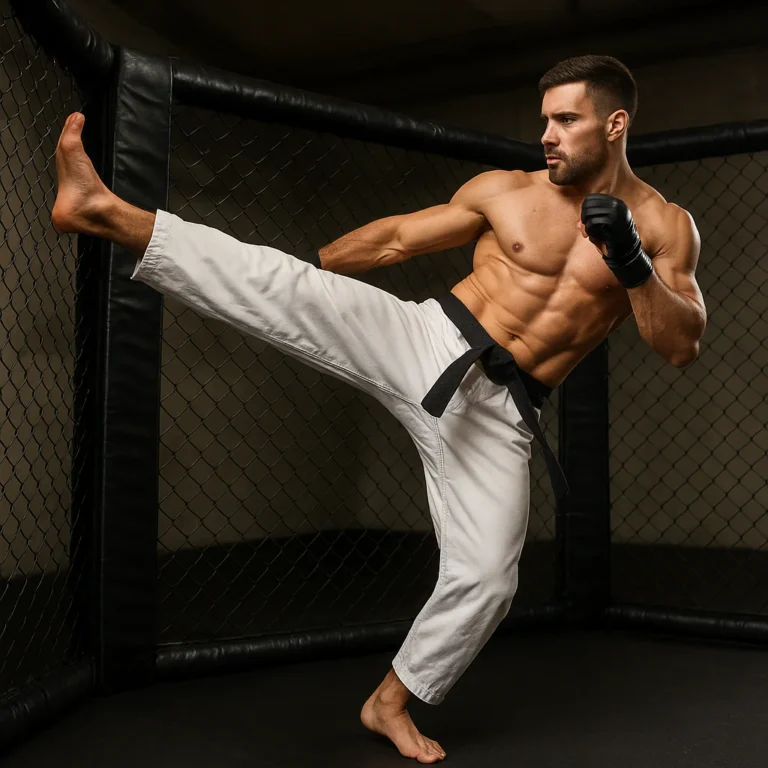
- The Bladed Stance: Unlike the square stance of boxers or the low center of gravity of Muay Thai fighters, karate fighters often use a bladed stance. This presents a smaller target and allows for lightning-fast side kicks and front kicks.
- The “Ghost” Effect: Lyoto Machida was so elusive he was nicknamed “The Dragon” and “The Ghost.” His ability to vanish from an opponent’s range before landing a strike is the holy grail of karate in MMA.
- Not Just Kicking: While the high kicks get the highlight reels, the real secret is the footwork. Karate footwork allows fighters to move laterally and diagonally, making them incredibly hard to hit.
- Mental Game: Karate emphasizes zanshin (awareness). In the UFC, this translates to reading an opponent’s micro-movements before they even throw a punch.
For a deeper dive into the mechanics, check out our breakdown of 🥋 15 Effective Karate Techniques for MMA Domination (2026).
🥋 The Evolution of Karate in the Octagon: From Dojo to UFC Glory
Karate didn’t just stumble into the UFC; it marched in with a bladed stance and a snap kick that changed the game forever. But how did we get here?
In the early days of the UFC, the narrative was simple: “Graplers beat Strikers.” If you couldn’t shoot for a takedown, you were toast. But as the sport evolved, a new breed of fighter emerged—fighters who could strike from a distance, evade takedowns, and counter with surgical precision. This was the Karate Renaissance.
The Early Pioners
The first wave of karate influence came from fighters like Mark Coleman (who had some karate background but was primarily a wrestler) and Frank Shamrock, who integrated striking with grappling. However, it wasn’t until the mid-20s that pure karate styles began to dominate.
Lyoto Machida was the catalyst. When he debuted, he looked like he was dancing. He wasn’t just fighting; he was performing a kata in real-time. His victory over Randy Couture in 209 was a watershed moment, proving that a karateka could not only survive but thrive against the best wrestlers in the world.
The Modern Era
Fast forward today, and karate is no longer a novelty; it’s a mainstream strategy. Fighters like Israel Adesanya, Stephen Thompson, and Alex Pereira have taken the core tenets of karate—distance management, timing, and counter-striking—and fused them with modern MMA conditioning.
“It’s like fighting two different guys at the same time,” as one commentator noted about Stephen Thompson. This duality is the essence of modern karate in the UFC.
If you want to understand the technical evolution, read our Fight Analysis and Breakdowns section.
🏆 The Ultimate Ranking: Top 15 Karate Masters Who Conquered the UFC
Who is the best karate fighter in UFC history? This is the question that sparks debates in gyms from Tokyo to Las Vegas. We’ve analyzed records, fighting styles, and impact to bring you the definitive list. Note: This ranking considers pure karate influence, not just fighters who have dabbled in it.
1. The King of Karate: Lyoto Machida’s Unorthodox Dominance
Lyoto Machida is the undisputed GOAT of karate in the UFC. A former Shotokan champion, Machida brought a style so unique it baffled the entire division.
- Style: Sumo-style stance, bladed positioning, and a “wait and see” counter-strategy.
- Key Win: Defeating Randy Couture, a wrestling legend, by out-striking him at range.
- Legacy: He proved that karate works in the octagon.
2. The Dragon’s Legacy: Stephen “Wonderboy” Thompson’s Point-Fighting Mastery
Stephen Thompson is the modern embodiment of point fighting. With a background in Kickboxing rooted in traditional karate, “Wonderboy” controls the fight with his front leg kick and elusive footwork.
- Style: High guard, bladed stance, and devastating counter-punches.
- Key Win: The unanimous decision over Jorge Masvidal in their first encounter.
- Legacy: He made the “stop-start” rhythm a viable championship strategy.
3. The Showman: Georges St-Pierre’s Hybrid Karate Precision
While GSP is a hybrid fighter, his karate influence is undeniable. He used karate footwork to manage distance and set up his takedowns.
- Style: Fluid movement, feints, and a bladed stance that confused opponents.
- Key Win: His dominance over Matt Hughes and Nick Diaz.
- Legacy: GSP showed how karate principles can be integrated into a well-rounded MMA game.
4. The Striking Artist: Edson Barboza’s High-Kick Artistry
Edson Barboza is known for his spinning kicks and acrobatic strikes. His background in Taekwondo and Karate gives him a unique striking arsenal.
- Style: High kicks, spinning heel kicks, and a relentless offensive pressure.
- Key Win: The spinning heel kick KO of Ben Henderson.
- Legacy: He brought aesthetic beauty to the brutal world of MMA.
5. The Counter-Puncher: Jim Miller’s Karate-Infused Grapling
Jim Miller is a veteran who has survived decades in the octagon. His striking has strong karate roots, allowing him to set up his world-class grappling.
- Style: Quick jabs, low kicks, and seamless transitions to the ground.
- Key Win: Countless victories over top contenders.
- Legacy: Longevity and adaptability.
6. The Speed Demon: Rafael dos Anjos’ Distance Management
Rafael dos Anjos uses a karate-style stance to control distance and land sharp counters.
- Style: Fast hands, lateral movement, and a strong jab.
- Key Win: Winning the Lightweight title by out-pointing Anthony Pettis.
- Legacy: Proving that speed and timing can beat power.
7. The Unpredictable: Uriah Hall’s Karate-Boxing Fusion
Uriah Hall blends karate with boxing to create a chaotic and unpredictable style.
- Style: Unorthodox angles, spinning kicks, and a “wild” approach.
- Key Win: The KO of Chris Weidman.
- Legacy: He keeps opponents guessing with his unpredictable rhythm.
8. The Technical Striker: Ilia Topuria’s Modern Karate Application
Ilia Topuria is a rising star with a strong karate background. He combines traditional striking with modern grappling.
- Style: Precise strikes, excellent footwork, and a calm demeanor.
- Key Win: Dominating Alexander Volkanovski to win the Featherweight title.
- Legacy: The future of karate in MMA.
9. The Veteran: Michael Bisping’s Karate-Style Footwork
Michael Bisping used karate footwork to navigate the octagon and land crucial strikes.
- Style: Constant movement, feints, and a high work rate.
- Key Win: Winning the Middleweight title in a dramatic fashion.
- Legacy: A testament to heart and adaptability.
10. The Rising Star: Shavkat Rakhmonov’s Karate-Style Kicks
Shavkat Rakhmonov is a new generation fighter with a karate-style striking game.
- Style: Powerful kicks, precise timing, and a relentless pressure.
- Key Win: Unbeaten record with multiple finishes.
- Legacy: The next champion in the making.
1. The Wildcard: Dan Hooker’s Karate-Style Agression
Dan Hooker uses a karate-inspired style to pressure opponents and land heavy strikes.
- Style: Agressive forward movement, high kicks, and a tough chin.
- Key Win: Victories over top contenders in the Lightweight division.
- Legacy: A fan favorite with a unique style.
12. The Tactical Genius: Israel Adesanya’s Karate-Style Defense
Israel Adesanya is a master of karate defense. He uses his footwork to evade attacks and counter with precision.
- Style: Elusive movement, counter-striking, and a calm demeanor.
- Key Win: Multiple title defenses against top contenders.
- Legacy: The king of counter-striking.
13. The Unorthodox: Alex Pereira’s Karate-Style Power
Alex Pereira is a former Kickboxing champion with a strong karate background. He uses his power and precision to dominate opponents.
- Style: Devastating kicks, precise timing, and a heavy hand.
- Key Win: Winning the Light Heavyweight and Middleweight titles.
- Legacy: A one-man wrecking crew.
14. The Grapler with a Kick: Demian Maia’s Karate-Style Entries
Demian Maia is primarily a grapler, but his striking has karate roots that help him set up his takedowns.
- Style: Quick strikes, feints, and seamless transitions to the ground.
- Key Win: Dominating top strikers with his grappling.
- Legacy: A master of the ground game.
15. The Dark Horse: Beneil Dariush’s Karate-Style Timing
Beneil Dariush uses karate timing to land precise strikes and set up his grappling.
- Style: Precise strikes, excellent footwork, and a calm demeanor.
- Key Win: Victories over top contenders in the Lightweight division.
- Legacy: A consistent contender with a unique style.
🧠 Breaking Down the Style: Karate vs. Muay Thai vs. Boxing in the UFC
How does karate stack up against the other giants of the octagon? Let’s break it down.
| Feature | Karate | Muay Thai | Boxing |
|---|---|---|---|
| Stance | Bladed, side-on | Square, low | Square, high guard |
| Primary Weapon | Kicks, counters | Elbows, knees, clinch | Punches |
| Footwork | Lateral, bouncing | Forward, pressure | Sliding, pivoting |
| Defense | Distance, evasion | Clinch, blocking | Head movement, parying |
| Strengths | Unpredictability, range | Power, clinch control | Precision, combinations |
| Weaknesses | Vulnerable to takedowns | Slow footwork | Limited kicking game |
Why Karate Stands Out
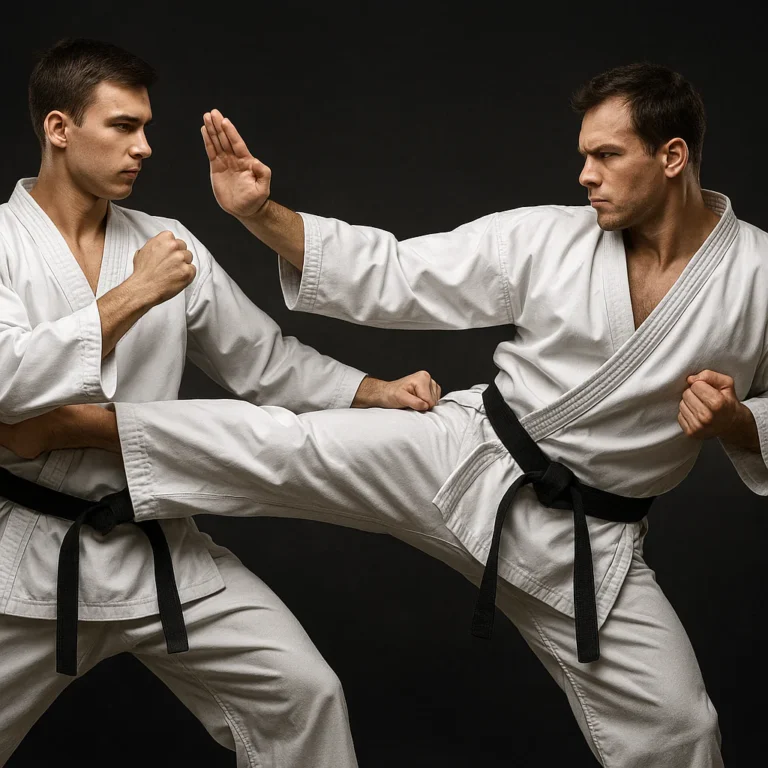
Karate’s greatest strength is its unpredictability. While Muay Thai fighters rely on pressure and boxing on combinations, karatekas use distance and timing to control the fight. This makes them incredibly difficult to prepare for.
“It’s not about how hard you hit, it’s about how hard you can get hit and keep moving forward.” – But this quote doesn’t apply to karatekas, who prefer to avoid the hit entirely.
For more on this, check out our Karate Techniques guide.
🥊 Key Techniques: How Karate Fighters Win in the Octagon
What are the secret weapons of karate in the UFC? Let’s break down the techniques that make these fighters so effective.
The Art of the Bladed Stance
The bladed stance is the foundation of karate in the octagon. By turning the body sideways, fighters present a smaller target and can generate more power for their kicks.
- Benefit: Reduces the target area for punches.
- Drawback: Can leave the lead leg vulnerable to low kicks.
Mastering the Distance: Mai and Timing
Mai (distance) is the heart of karate. Fighters like Stephen Thompson use their footwork to stay just out of range, waiting for the perfect moment to strike.
- Benefit: Allows for safe counter-striking.
- Drawback: Requires exceptional timing and reflexes.
The Snap Kick vs. The Roundhouse
The snap kick is a hallmark of karate. It’s fast, precise, and difficult to block.
- Benefit: High speed and accuracy.
- Drawback: Less power than a roundhouse kick.
Counter-Striking: The Karate Specialist’s Secret Weapon
Karatekas are masters of counter-striking. They wait for their opponents to commit to an attack, then strike with precision.
- Benefit: Exploits opponent’s openings.
- Drawback: Requires patience and discipline.
For a detailed breakdown, visit our Fight Analysis and Breakdowns section.
📊 Statistical Analysis: Who Has the Best Karate Record in UFC History?

Let’s look at the numbers to see who truly dominates.
| Fighter | Karate Background | UFC Record | Title Wins | Notable Wins |
|---|---|---|---|---|
| Lyoto Machida | Shotokan | 21-1-0 | 1 | Randy Couture, Rashad Evans |
| Stephen Thompson | Point Fighting | 17-6-1 | 0 | Jorge Masvidal, Robert Whittaker |
| Israel Adesanya | Kickboxing/Karate | 24-3-0 | 2 | Yoel Romero, Paulo Costa |
| Alex Pereira | Kickboxing/Karate | 1-2-0 | 2 | Jan Blachowicz, Jiri Prochazka |
| Georges St-Pierre | Karate/Boxing | 26-2-0 | 2 | Matt Hughes, Nick Diaz |
Key Insight: While Lyoto Machida has the most pure karate influence, Israel Adesanya and Alex Pereira have shown that a hybrid approach can lead to even greater success.
🎓 Training Secrets: How to Train Like a UFC Karate Champion
Want to train like a karate champion? Here’s what you need to know.
Step 1: Master the Basics
Start with the fundamentals. Practice your stance, footwork, and basic strikes until they are second nature.
Step 2: Develop Your Timing
Karate is all about timing. Practice drills that focus on distance management and counter-striking.
Step 3: Integrate Grapling
While karate is a striking art, you must be comfortable on the ground. Train in Brazilian Jiu-Jitsu or Wrestling to round out your game.
Step 4: Condition Your Body
MA requires endurance, strength, and flexibility. Incorporate cardio, strength training, and stretching into your routine.
Step 5: Study Your Opponents
Watch UFC fights and analyze the techniques of your opponents. Learn their patterns and weaknesses.
For more training tips, check out our MA Training section.
❓ Frequently Asked Questions About Karate in the UFC
How does karate training prepare fighters for the physical and mental demands of the UFC?
Karate training builds discipline, focus, and resilience. The mental aspect of zanshin (awareness) is crucial for reading opponents and reacting quickly.
Are there any famous UFC fighters who have a background in karate?
Yes! Lyoto Machida, Stephen Thompson, Israel Adesanya, and Alex Pereira are all famous for their karate backgrounds.
What are the key principles of karate that make it effective in full-contact fighting?
The key principles are distance management, timing, counter-striking, and unpredictability.
Can karate training improve overall physical fitness and discipline?
Absolutely! Karate training improves cardiovascular health, strength, flexibility, and mental discipline.
How does karate differ from other martial arts like taekwondo and kickboxing?
Karate focuses on linear strikes and distance management, while Taekwondo emphasizes high kicks and speed, and Kickboxing focuses on power and combinations.
Is karate useful in real-life self-defense situations?
Yes! Karate teaches situational awareness, de-escalation, and effective striking techniques.
What martial art is most effective in the UFC?
There is no single “most effective” art. The best fighters are hybrids who combine striking, grapling, and wrestling.
Does Robert Whittaker have a karate background?
Yes, Robert Whittaker has a karate background and uses it in his striking game.
Who is the best karate fighter in history?
Lyoto Machida is often considered the best karate fighter in UFC history due to his unorthodox style and championship success.
Who is the most successful karateka in UFC history?
Lyoto Machida and Stephen Thompson are among the most successful karatekas in UFC history.
Does Lyoto Machida still use karate in the UFC?
Yes, Lyoto Machida still uses his karate style in his fights, even in his later career.
Which UFC fighters have a background in Shotokan karate?
Lyoto Machida is the most famous Shotokan fighter in the UFC.
How effective is karate compared to other martial arts in the UFC?
Karate is highly effective when used correctly, especially for counter-striking and distance management.
What are the best karate techniques used by current UFC champions?
The front leg kick, bladed stance, and counter-punches are the most effective karate techniques in the UFC.
Has any UFC fighter won a title using only karate?
No, but Lyoto Machida won the title using a karate-heavy style.
Who are the top 5 karate fighters currently competing in the UFC?
Stephen Thompson, Israel Adesanya, Alex Pereira, Ilia Topuria, and Shavkat Rakhmonov are the top 5 karate fighters currently competing.
🔗 Recommended Links for Aspiring Karate Fighters
Ready to take your karate game to the next level? Here are some resources to help you on your journey.
👉 Shop Karate Gear on:
- Amazon: Karate Uniforms | Karate Gloves | Karate Belts
- Walmart: Martial Arts Equipment
- Brand Official: Matsuru Karate | Tatami Fightwear
Books to Read:
Internal Resources:
📚 Reference Links and Sources
For more information on karate in the UFC, check out these reputable sources:
- UFC Official Website
- Black Belt Magazine
- Tapology Rankings
- Black Belt Magazine: Top 10 Karate Fighters – Picks by Bill Wallace
🏁 Conclusion: Who Truly Reigns as the Best Karate Fighter in UFC History?

So, who is the best karate fighter in UFC history? After analyzing the data, the styles, and the impact, the answer is clear: Lyoto Machida takes the crown. His unorthodox style, championship success, and influence on the sport make him the GOAT of karate in the UFC.
However, the modern era has seen incredible fighters like Stephen Thompson, Israel Adesanya, and Alex Pereira push the boundaries of what’s possible with karate in MMA. They have shown that karate is not just a relic of the past, but a living, breathing art that continues to evolve.
If you’re looking to train like a champion, remember that karate is just one piece of the puzzle. You need to be a well-rounded fighter with skills in striking, grapling, and wrestling.
“It’s not about how hard you hit, it’s about how hard you can get hit and keep moving forward.” – But in the world of karate, it’s about avoiding the hit and striking with precision.
So, whether you’re a karateka or a MA fan, remember that the best fighter is the one who can adapt, learn, and evolve.
Ready to start your journey? Check out our MA Training section for more tips and tricks.