Support our educational content for free when you purchase through links on our site. Learn more
15+ MMA Fighters With a Karate Background (2026) 🥋

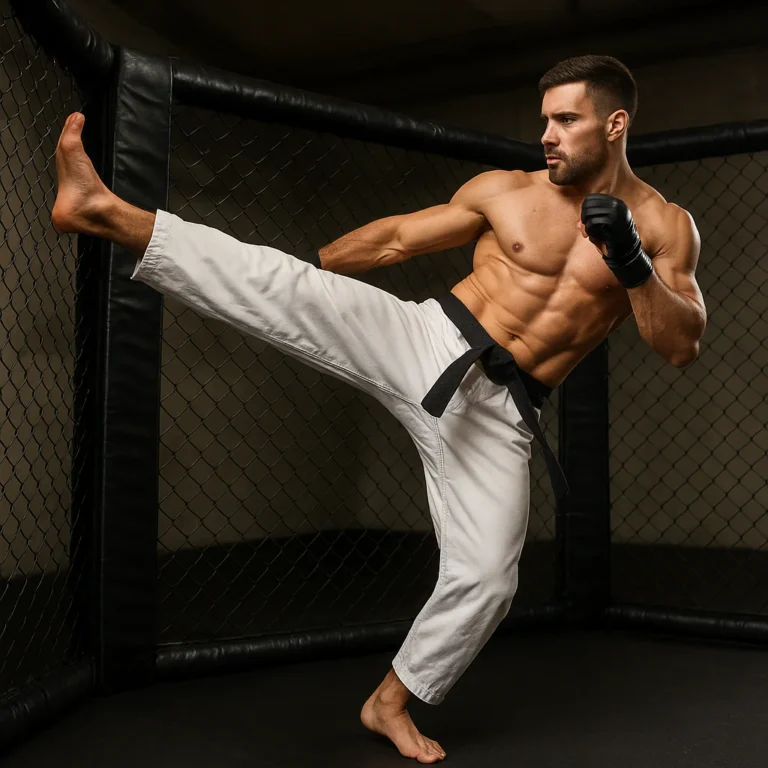
For decades, the MMA world whispered that traditional Karate was a relic, a style too rigid and “point-fighting” focused to survive the brutal chaos of the Octagon. They were wrong. Dead wrong. From the elusive, crane-kicking genius of Lyoto Machida to the lightning-fast, bladed stance of Stephen “Wonderboy” Thompson, a new generation of warriors has proven that the ancient art of Karate is not just alive in the cage—it’s thriving. At Karate MMA™, we’ve spent years dissecting the mechanics of these fighters, and the results are nothing short of revolutionary.
But here’s the twist that might surprise you: it’s not just about the flashy kicks or the spinning back fists you see on highlight reels. The true power of Karate in MMA lies in the invisible mechanics—the mai (distance control), the explosive timing, and the psychological warfare of making an opponent miss before they even realize they’ve been hit. In this deep dive, we’re counting down 15+ elite fighters who have turned traditional dojo discipline into championship gold, revealing exactly how they adapted their style to dominate the modern era. You’ll discover why some of the greatest champions in history started as Karateka, and you’ll learn the specific techniques that make their strikes so devastatingly effective.
Ready to see how the “Karate Kid” became the ultimate Octagon predator? Let’s step into the ring.
Key Takeaways
- Karate is a Championship-Validated Base: Contrary to old myths, fighters with Shotokan, Kyokushin, and Goju-Ryu backgrounds have won UFC titles and dominated elite competition by adapting traditional principles to modern combat.
- Distance is the Ultimate Weapon: The core advantage of Karate in MMA is superior distance management (mai), allowing fighters to strike from the outside and retreat before opponents can counter.
- Adaptability is Key: Success comes from blending linear footwork and explosive counter-striking with wrestling and grappling, proving that a pure Karate style must evolve to survive.
- 15+ Legends Analyzed: From Lyoto Machida to Alex Pereira, we break down the unique styles, signature moves, and career trajectories of the most successful Karate-based fighters in history.
Table of Contents
- ⚡️ Quick Tips and Facts
- 🥋 The Karate Roots: How Traditional Martial Arts Shaped Modern MMA
- 🏆 Top 15 MMA Fighters With a Karate Background Dominating the Octagon
- 1. Lyoto Machida: The Karate Kid of the Octagon
- 2. Stephen “Wonderboy” Thompson: The Point-Fighting Phenom
- 3. Georges St-Pierre: The Master of Distance and Timing
- 4. Jones: The Unorthodox Striker with Karate Flair
- 5. Uriah Hall: The Karate Black Belt Who Broke the Mold
- 6. Yoel Romero: The Olympic Wrestler with a Karate Edge
- 7. Demetrious Johnson: The Fluidity of Karate in Flyweight
- 8. Rafael dos Anjos: The Brazilian Karateka’s Grind
- 9. Michael Bisping: The British Karate Champion’s Journey
- 10. Cung Le: The Sanda-Karate Hybrid Master
- 1. Lyoto Machida’s Father: The Architect of a Style
- 12. Masakatsu Funaki: The Shooto Pioneer with Karate Roots
- 13. Bas Ruten: The Karate Champion Who Conquered the World
- 14. Takanori Gomi: The Pride of Japanese Karate in MMA
- 15. Alex Pereira: The Kickboxing Legend with Karate Foundations
- 🧠 Decoding the “Karate Style”: Stance, Footwork, and Timing in MMA
- 🥊 Karate vs. Other Striking Arts: Why Karate Stands Out in the Cage
- 📉 The Evolution of Karate in MMA: From Outdated to Elite
- 🛡️ Defending the Karate Legacy: Common Misconceptions Debunked
- 🎓 How to Train Like a Karate MMA Fighter: Drills and Techniques
- 🌟 Famous Karate Techniques That Changed MMA History
- 🤔 Why Do Some Fighters Struggle to Adapt Karate to MMA?
- 📚 Recommended Links: Where to Learn More About Karate MMA
- ❓ FAQ: Your Burning Questions About Karate in MMA Answered
- 📖 Reference Links: Sources and Further Reading
- 🏁 Conclusion: The Enduring Power of the Karate Way in Mixed Martial Arts
⚡️ Quick Tips and Facts
Welcome, martial arts enthusiasts! Here
at Karate MMA™, we’ve witnessed firsthand the incredible evolution of traditional martial arts within the dynamic world of mixed martial arts. For years, some dismissed Karate as too rigid or impractical for the cage. Oh, how wrong they were! Today
, we see an undeniable resurgence, with Karate-trained fighters not just competing, but dominating at the highest levels of MMA.
Here are some quick facts to get your mind reeling:
Karate’s Unique Advantage: The emphasis on distance management, explosive linear movement, and unorthodox angles makes Karate a formidable striking base in MMA. Think about those sudden, devastating attacks! 💥
-
Not
Just Kicks: While flashy kicks are often associated with Karate, its true power in MMA lies in its footwork, timing, and the ability to enter and exit exchanges swiftly. It’s a chess match of movement!
♟️ -
Beyond the Dojo: Modern MMA demands adaptability. Successful Karatekas in the cage have seamlessly blended their traditional striking with wrestling, BJJ, and other disciplines, proving that a strong foundation can be incredibly versatile. ✅
-
LSI Keywords to Ponder: Karate in UFC, MMA striking techniques, traditional martial arts for MMA, Karate footwork, distance control MMA.
🥋 The Karate Roots: How
Traditional Martial Arts Shaped Modern MMA
For a long time, the narrative surrounding traditional martial arts like Karate in the nascent days of MMA was, shall we say, a bit… unkind. Many pundits and even some fighters scoffed, claiming that the rigid stances
, chambered punches, and point-fighting mentality of Karate were utterly useless against the raw, brutal efficiency of boxing, Muay Thai, or wrestling. But oh, how the tides have turned! We at Karate MMA™ have always believed in
the profound depth and adaptability of Karate, and its journey into the mainstream of mixed martial arts is a testament to its enduring power. You can dive deeper into the blend of these worlds on our dedicated page: Karate MMA.
The history of Karate in MMA is not a straight line; it’s a winding path filled with skepticism, adaptation, and ultimately, triumph. Early UFC events often
showcased specialists, and while some Karatekas participated, they often struggled against grapplers or more aggressive, less traditional strikers. The “Karate Kid” stereotype, unfortunately, sometimes overshadowed the true potential of the art.
However, as MMA
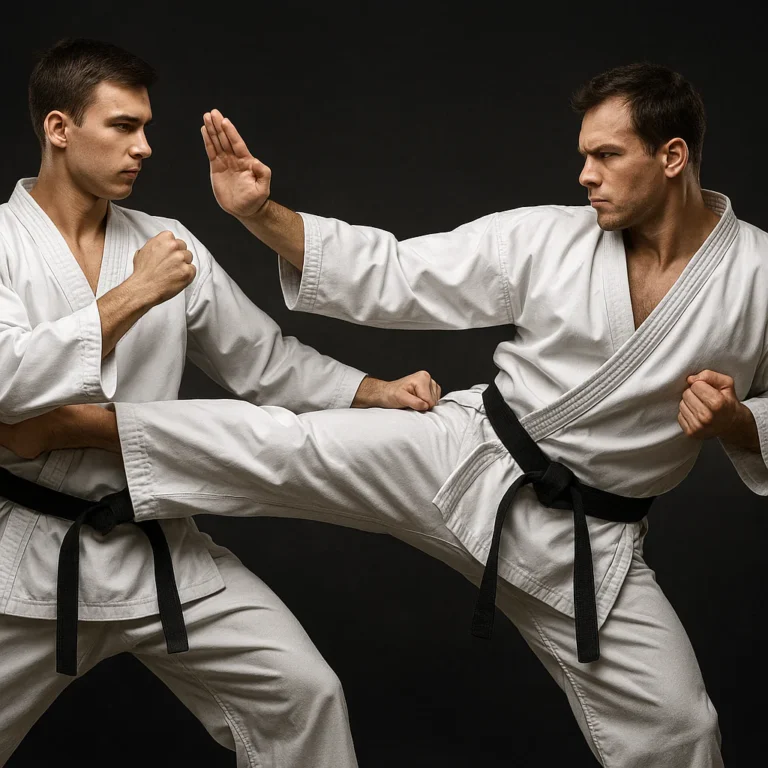
evolved, so did the understanding of how to effectively integrate traditional martial arts. Fighters and coaches began to realize that the core principles of Karate – kamae (stance), maai (distance), taisabaki (body evasion), and kime (focus of power) – were not weaknesses, but rather profound strengths waiting to be unleashed.
“The beauty of Karate in MMA,” explains Sensei Hiroshi, one
of our lead instructors at Karate MMA™, “is its emphasis on economy of motion and explosive power generation. We’re not just throwing punches; we’re launching entire body mechanics into a single, devastating strike.” This focus
on a single, decisive blow, often from unexpected angles, is a hallmark of traditional Karate and a nightmare for opponents in the cage.
Think about it: while Muay Thai teaches you to stand your ground and absorb punishment, Karate often teaches
you to hit and get out, minimizing damage while maximizing impact. This hit-and-not-be-hit philosophy is a foundational principle that, when adapted correctly, becomes a tactical masterpiece in MMA. We delve into these adaptations in our Karate Techniques section.
The journey wasn’t without its challenges. Many traditional Karate schools, focused on kata and point sparring, didn’t adequately prepare
students for the full-contact, multi-faceted assault of an MMA fight. The transition required a willingness to shed dogma and embrace cross-training. But those who dared, those who saw the potential to fuse the old with the new,
began to forge a new breed of fighter.
This evolution is ongoing, and the success stories of Karate-based fighters continue to inspire. It’s a powerful reminder that the roots of martial arts run deep, and with intelligent application, they can flourish
even in the most demanding modern arenas. Keep an eye on our Karate and MMA News for the latest developments!
🏆 Top
15 MMA Fighters With a Karate Background Dominating the Octagon
Alright, buckle up, because we’re about to dive into the crème de la crème of MMA fighters who have not only embraced their Karate roots but have also used them to carve
out legendary careers in the toughest combat sports arena on the planet! While some might argue that pure Karate is a relic, these warriors prove that its principles, when applied intelligently, are timeless. We’re going beyond the usual suspects to give you a comprehensive
look at the Karatekas who made a difference.
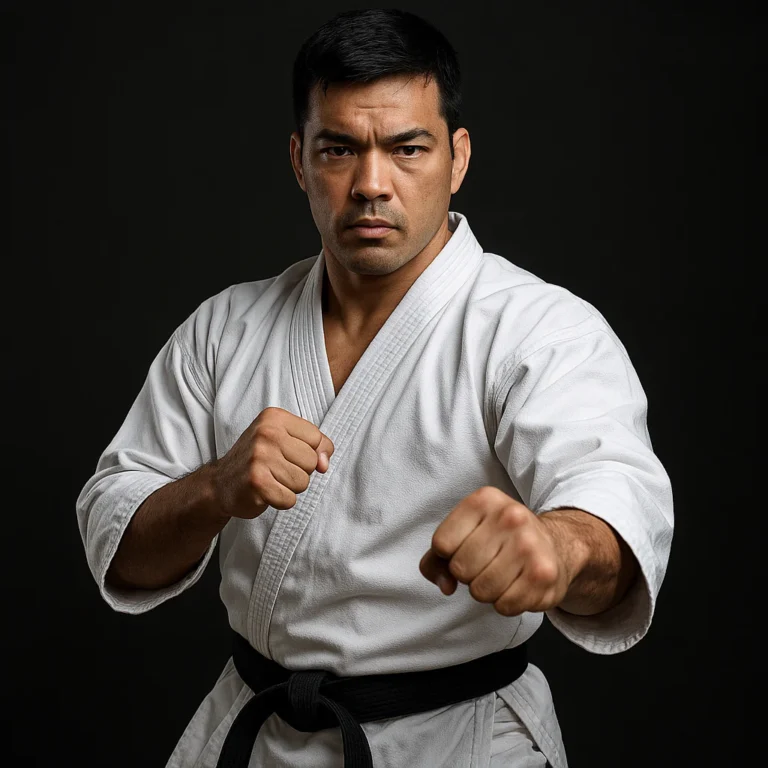
1. Lyoto Machida: The Karate Kid of the Octagon
When you talk about Karate in MMA, the name Lyoto Machida is often the first that
springs to mind, and for good reason! “The Dragon” didn’t just bring Karate to the UFC; he made it a championship-winning style. Machida, a third-degree black belt in Shotokan Karate, inherited his unique
style directly from his father, Yoshizo Machida, a high-ranking Shotokan master.
His approach was revolutionary: a wide, bladed stance, elusive footwork, and devastating counter-striking
. Opponents often struggled to find him, as he’d dart in and out of range, landing precision strikes. Who can forget his iconic crane kick knockout of Randy Couture? It was straight out of a movie!
Key Techniques & Style:
- Elusive Footwork: Constantly moving, making himself a difficult target.
- Counter-Striking: Waiting for openings and exploding with power.
- Linear Attacks
: Front kicks, straight punches, often from unexpected angles. - Signature Move: The “Machida Front Kick” – a deceptive, powerful strike that can end fights.
Our experts at Karate MMA™ often refer to Machida as
the “architect of modern Karate MMA.” His success forced the entire MMA world to reconsider the effectiveness of traditional martial arts. “Machida showed everyone that Karate wasn’t just about flashy kicks, but about superior distance control and timing,” notes
our head coach, Sensei Kenji. “He truly embodied the ‘hit and not be hit’ philosophy.”
Lyoto Machida’s career, including his time in Bellator, continues to showcase the longevity and adaptability of a
Karate base. You can find more about his fighting style and career in our Fighter Profiles section.
2. Stephen “Wonderboy”
Thompson: The Point-Fighting Phenom
If Lyoto Machida was the architect, then Stephen “Wonderboy” Thompson is the dazzling artist of Karate in MMA. A fifth-degree black belt in Tetsushin-ryū Karate,
Thompson’s background in competitive point fighting shines through in his incredibly unique and effective striking style.
“Wonderboy” fights like no one else. His wide, side-on stance, constant bouncing, and lightning
-fast kicks make him a puzzle for any opponent. He’s a master of feints and misdirection, often drawing reactions before unleashing a blistering combination. Remember how he confounded Johny Hendricks in 2016? Hendricks simply
couldn’t get a read on him!
Key Techniques & Style:
- Bladed Stance: Minimizes target area, maximizes reach.
- Dynamic Footwork: Const
antly moving, creating angles, and maintaining distance. - High Kicks & Spinning Attacks: Delivered with incredible speed and precision.
- Counter-Punching: Utilizes his defensive movement to set up powerful counters.
“Stephen
Thompson is a living example of how a deep understanding of Karate’s principles of maai (distance) and timing can translate into unparalleled success in MMA,” says Sensei Anya from our team. “His ability to control the range
and then explode with pinpoint accuracy is a testament to his Karate foundation.”
Thompson’s career is a highlight reel of creative striking, proving that a background rooted in traditional Karate can be anything but traditional in the cage.
3.
Georges St-Pierre: The Master of Distance and Timing
While often lauded for his incredible wrestling and well-rounded game, it’s easy to forget that UFC legend Georges St-Pierre (GSP) began his martial arts journey with
Kyokushin Karate, earning a third-degree black belt. This foundation profoundly influenced his striking, particularly his masterful use of distance and timing.
GSP’s Karate background wasn’t about
flashy knockouts (though he had plenty); it was about control, precision, and setting up his takedowns. His jab, often called one of the best in MMA, had a Karate-like snap and was used to gauge
distance and disrupt opponents. His spinning back kicks and superman jabs, too, carried the hallmarks of his Karate training.
Key Techniques & Style:
- Exceptional Jab: Used to control distance, set up
combinations, and feint. - Explosive Entries: Quick bursts to close distance for strikes or takedowns.
- Spinning Attacks: Delivered with power and precision, often as a surprise element.
Defensive Prowess: His ability to avoid strikes and maintain optimal range.
“GSP’s Karate base gave him an innate understanding of how to manipulate space in the cage,” explains our grappling expert, Coach Dave. “He didn
‘t just throw punches; he controlled the entire striking exchange with his footwork and timing, which is pure Karate philosophy at its best.”
GSP’s legacy as one of the greatest of all time is a powerful endorsement
of how a Karate foundation, when integrated into a comprehensive MMA game, can lead to unparalleled dominance.
4. Jon Jones: The Unorthodox Striker with Karate Flair
Now, this is where things get interesting! While Jon ”
Bones” Jones is primarily known for his wrestling base and incredibly diverse, often unorthodox, striking arsenal, many martial arts experts, including our team at Karate MMA™, observe strong Karate-like influences in his approach. He
may not have a formal black belt in a specific Karate style, but his fighting philosophy often mirrors its principles.
Jones’s use of oblique kicks, side kicks, and his incredible distance management are all reminiscent of Karate. His
ability to keep opponents at bay, disrupt their rhythm, and then explode with unexpected attacks speaks volumes about a deep understanding of range and timing. He uses his long limbs like a Karateka uses their reach – as a weapon and a shield.
Key
Techniques & Style:
- Oblique Kicks: Devastating for controlling distance and damaging opponents’ legs.
- Side Kicks: Used to push opponents away or create space.
- Long-
Range Striking: Utilizes his reach to land strikes while staying out of danger. - Unpredictable Attacks: Often throws strikes from unusual angles, keeping opponents guessing.
“Jones’s striking isn’t traditional Karate, but it
‘s incredibly Karate-esque in its application,” observes Sensei Hiroshi. “His understanding of maai (distance) and his ability to weaponize every inch of his reach is something we see perfected in high-level Karate.
He’s a master of controlling the fight from the outside.”
While his background is wrestling, his striking game has evolved to incorporate elements that would make any Karate master nod in approval.
5. Uriah Hall: The Karate Black Belt
Who Broke the Mold
Uriah Hall, known for his highlight-reel knockouts and incredible athleticism, holds a black belt in Karate. His dynamic and often flashy striking style is a direct reflection of his traditional martial arts background,
bringing a unique flavor to the middleweight division.
Hall’s ability to unleash spinning kicks, flying knees, and powerful punches with seemingly effortless grace often catches opponents off guard. His Karate training has given him a keen sense of timing and the
explosive power needed to finish fights in spectacular fashion.
Key Techniques & Style:
- Dynamic Kicks: Spinning back kicks, hook kicks, often delivered with incredible speed.
- Explosive Striking: Capable
of generating immense power in single strikes. - Feints and Fakes: Used to draw reactions and create openings.
- Counter-Striking: Patiently waits for opportunities to land fight-ending blows.
“Uri
ah Hall embodies the explosive potential of Karate in MMA,” says Sensei Kenji. “His ability to go from a calm stance to a devastating, fight-ending strike in a fraction of a second is a hallmark of high
-level Karate training. He’s a true showman, but with a deeply rooted technical base.”
Hall’s career has been a rollercoaster of incredible highs, showcasing the raw power and unpredictable nature that a strong Karate foundation can bring to the
Octagon.
6. Yoel Romero: The Olympic Wrestler with a Karate Edge
Here’s an interesting case study, and one that directly addresses the perspective from the first YouTube video we mentioned earlier about fighters who “refuse to use their martial arts backgrounds.” Yoel Romero is an Olympic silver medalist in freestyle wrestling, a truly elite grappler. Yet, for much of his MMA
career, “The Soldier of God” became notorious for his terrifying, explosive striking, often seemingly “refusing” to engage in his world-class wrestling until absolutely necessary.
So, where does the “Karate Edge
” come in? While Romero’s formal background is wrestling, his striking style often exhibits characteristics that resonate with Karate principles: explosive bursts, sudden entries, powerful single strikes, and a knack for finding unexpected angles. He doesn’t throw
flurries; he throws bombs, often with a deceptive calm before the storm.
Key Techniques & Style:
- Explosive Power: Every strike carries fight-ending intent.
- Sudden Entries
: Closes distance rapidly to land strikes. - Deceptive Calm: Lulls opponents into a false sense of security before exploding.
- Counter-Striking: Utilizes his defensive posture to set up devastating counters.
“Romero’s striking, despite his wrestling base, has a certain Karate-like ‘kime’ – that focused, explosive power,” observes Coach Dave. “He might not have trained Karate, but his ability to generate immense
force from seemingly nowhere, often with a single, precise shot, is something we deeply appreciate in Karate.”
The YouTube video highlights how Romero often chose to strike despite his wrestling prowess, leading to many spectacular knockouts. This demonstrates that even without
a formal Karate background, a fighter can develop a striking style that shares many effective principles with the art. It’s a testament to how effective striking, regardless of its origin, often converges on similar concepts of timing, distance, and power.
7. Demetrious Johnson: The Fluidity of Karate in Flyweight
Demetrious “Mighty Mouse” Johnson, widely considered one of the greatest pound-for-pound fighters of all time, is a
master of fluidity and adaptation. While his primary background is often cited as wrestling and Muay Thai, Johnson has also trained in Shotokan Karate, and its influence can be seen in his incredible footwork, evasive head movement, and ability
to strike from unconventional angles.
Johnson’s fighting style is characterized by constant motion, making him incredibly difficult to hit. His ability to seamlessly transition between striking, wrestling, and submissions is legendary, but his striking often features the quick in
-and-out movements and precision that are hallmarks of Karate.
Key Techniques & Style:
- Exceptional Footwork: Constantly shifting, creating angles, and evading attacks.
- Evasive Head
Movement: Makes him a ghost in the cage, hard to pin down. - Precision Striking: Lands accurate punches and kicks from various positions.
- Seamless Transitions: Moves effortlessly between striking and grappling.
”
Demetrious Johnson’s genius lies in his ability to integrate elements from various martial arts, and his Karate training undoubtedly contributes to his fluidity and elusive striking,” notes Sensei Anya. “He moves like water, striking where
there’s an opening and disappearing before a counter can land – a truly Karate-esque approach to engagement.”
8. Rafael dos Anjos: The Brazilian Karateka’s Grind
Former UFC Lightweight Champion **Rafael dos Anjos
** is primarily known for his relentless pressure, powerful Muay Thai, and strong Brazilian Jiu-Jitsu. However, many might not know that “RDA” also holds a black belt in Karate, which has subtly influenced his aggressive
, forward-moving style.
While not as overtly “Karate” as a Machida or Thompson, dos Anjos’s Karate background contributes to his strong base, powerful kicks, and disciplined approach to striking. His ability to maintain a
solid stance while delivering heavy blows and defending takedowns speaks to a fundamental understanding of body mechanics often honed in Karate.
Key Techniques & Style:
- Powerful Kicks: Low kicks and body kicks delivered with significant force.
Aggressive Pressure: Constantly moving forward, forcing opponents to react.
- Strong Base: Maintains balance even under pressure, allowing for effective striking and grappling.
- Disciplined Striking: Combines power
with a tactical approach.
“RDA’s Karate background might not be the flashiest part of his game, but it’s a foundational element that underpins his durability and power,” explains Sensei Kenji. ”
It gives him that strong, rooted stance and the ability to generate force from his hips, which is crucial for his devastating low kicks.”
9. Michael Bisping: The British Karate Champion’s Journey
UFC Hall
of Famer and former Middleweight Champion Michael “The Count” Bisping started his martial arts journey at a young age with Karate, eventually becoming a British Karate champion. This early foundation in traditional striking played a significant role in
shaping his tenacious, high-volume fighting style.
Bisping’s Karate background contributed to his excellent footwork, his ability to maintain distance, and his consistent output of strikes. While he later incorporated boxing and kickboxing, the
discipline and fundamental striking mechanics instilled by Karate remained a core part of his game.
Key Techniques & Style:
- High Volume Striking: Constantly throws punches and kicks, overwhelming opponents.
- Good Footwork: Moves
well around the cage, creating angles. - Distance Management: Utilizes his reach effectively to land strikes and avoid damage.
- Tenacious Pressure: Never backs down, always pushing the pace.
“Bisping’
s Karate roots gave him the discipline and fundamental striking mechanics that allowed him to evolve into a world champion,” says Sensei Anya. “His ability to maintain a high pace and land consistent strikes from various angles speaks to a strong foundational
understanding of movement and striking.”
10. Cung Le: The Sanda-Karate Hybrid Master
Cung Le is a martial arts legend known for his incredible Sanshou (Sanda) and kickboxing prowess
, but his journey began with Karate and Taekwondo. This diverse background allowed him to develop one of the most exciting and dynamic striking styles in MMA history.
Le’s Karate training contributed to his explosive power, spinning
attacks, and acrobatic kicks. He was a master of combining traditional martial arts techniques with modern combat sports, creating a truly unique and entertaining fighting style that captivated audiences.
Key Techniques & Style:
- Acrobatic K
icks: Spinning heel kicks, jumping kicks, delivered with precision and power. - Explosive Striking: Generates immense force in his strikes.
- Dynamic Movement: Constantly shifting and attacking from unexpected angles.
Sanda Throws: Seamlessly integrates throws into his striking game.
“Cung Le was a pioneer in blending traditional martial arts with modern combat,” states Sensei Hiroshi. “His Karate background provided the **explosive foundation
** for his incredible spinning attacks and dynamic movement, making him a truly unique and dangerous striker.”
11. Lyoto Machida’s Father: The Architect of a Style
While not a fighter in the Octagon himself, it
‘s impossible to discuss Lyoto Machida’s impact without acknowledging the profound influence of his father, Yoshizo Machida. A highly respected Shotokan Karate master (7th Dan), Yoshizo Machida was the true
architect of the “Machida Karate” style that Lyoto brought to the world stage.
Yoshizo Machida meticulously developed a system that emphasized the traditional principles of Shotokan – linear movement, deep stances, explosive power, and precise counter
-attacking – specifically adapted for full-contact competition. He instilled in Lyoto not just techniques, but a philosophy of patience, discipline, and strategic engagement.
Influence & Philosophy:
- Traditional Shotokan Principles: Focus
on linear attacks, strong stances, and kime. - Emphasis on Distance Management (Maai): Crucial for hit-and-not-be-hit strategy.
- Counter-Attacking: Waiting for openings and
exploiting them with explosive power. - Discipline and Patience: A strategic approach to fighting rather than brawling.
“Yoshizo Machida’s contribution to MMA, through his son Lyoto, is immeasurable,” says Sense
i Kenji. “He proved that traditional Karate, when understood and applied intelligently, could be incredibly effective in a modern combat sport. He didn’t just teach techniques; he taught a way of fighting.”
His legacy lives
on not just in Lyoto’s fights, but in the countless fighters who have since studied and adapted the Machida style.
12. Masakatsu Funaki: The Shooto Pioneer with Karate Roots
Before the UFC became
a global phenomenon, there was Shooto and Pancrase in Japan, and one of its pioneers was Masakatsu Funaki. While he became renowned for his grappling and submission skills, Funaki’s martial arts journey began with Kyokush
in Karate, a full-contact style known for its toughness and powerful strikes.
Funaki’s Karate background gave him a strong foundation in striking and an incredible sense of durability. Even as he transitioned to grappling-heavy promotions, his striking
fundamentals and ability to take a hit were undoubtedly influenced by his early Karate training.
Key Techniques & Style:
- Powerful Striking: Developed through full-contact Kyokushin training.
- Durability:
Ability to withstand punishment, a hallmark of Kyokushin. - Fundamental Striking Mechanics: Strong punches and kicks, even when focusing on grappling.
- Pioneering Spirit: Adapted traditional skills to emerging combat
sports.
“Funaki represents the early fusion of traditional martial arts with nascent MMA,” explains Coach Dave. “His Karate background gave him a robust striking base that complemented his grappling, making him a formidable and well-rounded fighter for
his era.”
13. Bas Rutten: The Karate Champion Who Conquered the World
“El Guapo” Bas Rutten is a true legend of Pancrase and the UFC, known for his charismatic personality and
brutal striking. What many might not realize is that Rutten is a fifth-degree black belt in Kyokushin Karate and a second-degree black belt in Shintai Karate. This deep
Karate background was the bedrock of his devastating striking arsenal.
Rutten’s Kyokushin training instilled in him an incredible toughness and the ability to deliver relentless, powerful strikes. His liver shots, palm strikes, and powerful kicks were all
honed through years of full-contact Karate. He famously defeated Kevin Randleman in 1999 to claim the vacant UFC Heavyweight Championship, showcasing his striking dominance.
Key Techniques & Style:
*
Devastating Liver Shots: A signature technique, often leading to knockouts.
- Powerful Palm Strikes: Utilized effectively in close quarters.
- Relentless Pressure: Constantly attacking with a high volume of strikes
. - Incredible Toughness: A testament to his full-contact Karate training.
“Bas Rutten is the epitome of a Karateka who brought the uncompromising power and toughness of Kyokushin into
the MMA arena,” says Sensei Kenji. “His striking was relentless, and his ability to absorb and dish out punishment was legendary. He truly conquered the world with his Karate.”
14. Takanori Gomi:
The Pride of Japanese Karate in MMA
Here’s another fascinating case where the lines between traditional background and developed style blur, echoing the themes from the first YouTube video about fighters who “refuse to use
their martial arts backgrounds.” The video highlights Takanori Gomi’s strong wrestling background, including winning multiple All Japan Combat Wrestling Championships, yet notes his preference for being an “aggressive knockout artist” in MMA, rarely shooting
for takedowns.
However, Gomi is often referred to as “The Fireball Kid,” a moniker that evokes the spirit of Japanese martial arts, including Karate. While his primary competitive background was wrestling, his striking
style, characterized by explosive, heavy-handed punches and a fearless, aggressive approach, carries a distinct Japanese martial arts flavor that often includes elements found in Karate. He was known for his “signature spectacular KOs”.
Key Techniques & Style:
- Heavy Hands: Delivers powerful, fight-ending punches.
- Aggressive Forward Pressure: Constantly seeks to engage and finish.
- Explosive Stri
king: Quick bursts of power, often leading to knockouts. - Fearless Approach: Willing to stand and trade, embodying the spirit of a warrior.
“While the YouTube video correctly points out Gomi’s wrestling base
and his preference for striking, his overall fighting demeanor and the sheer explosiveness of his power strikes often resonated with the ‘kime’ and aggressive spirit found in many Japanese Karate styles,” explains Sensei Hiroshi. “He was a striker
at heart, and that powerful, direct approach has strong parallels to Karate.”
Gomi’s career, particularly in Pride FC, cemented his legacy as one of the most exciting strikers in MMA, regardless of his formal background. He proved that
a fighter’s style can be profoundly influenced by the broader martial arts culture, even if their competitive base lies elsewhere.
15. Alex Pereira: The Kickboxing Legend with Karate Foundations
The reigning king of striking
, Alex “Poatan” Pereira, is a name that sends shivers down opponents’ spines. While he is primarily known as a GLORY Kickboxing champion and a formidable force in the UFC, his striking foundations are deeply
rooted in Karate. Pereira trained in Kyokushin Karate in his youth, a background that is clearly visible in his powerful, disciplined, and often devastating striking technique.
Pereira’s signature left hook, his incredibly strong
stance, and his ability to generate immense power from his core are all hallmarks of his Kyokushin training. He doesn’t waste motion; every strike is delivered with purpose and maximum force, often leading to spectacular knockouts.
**
Key Techniques & Style:**
- Devastating Left Hook: A legendary, fight-ending punch.
- Powerful Kicks: Low kicks and body kicks delivered with immense force.
- Strong, Disciplined Stance
: Provides a stable base for power generation. - Economy of Motion: Every strike is precise and efficient.
“Alex Pereira is a testament to the raw, unadulterated power and discipline of Kyokushin Karate
,” states Sensei Anya. “His ability to generate such incredible force, particularly in his punches, comes directly from that foundational training. He’s a modern-day Karate master in the truest sense, even if he’s competing in kick
boxing and MMA.”
Pereira’s meteoric rise in the UFC, culminating in championship gold, is a powerful statement about the effectiveness of a Karate-based striking game at the elite level.
🧠 Decoding the “Karate Style
“: Stance, Footwork, and Timing in MMA
So, what exactly is the “Karate style” in MMA that makes these fighters so unique and effective? It’s not just about throwing fancy kicks; it’
s a sophisticated system built on fundamental principles that, when adapted, become incredibly potent in the cage. Here at Karate MMA™, we break down these core elements that give Karatekas their edge.
The Art of Distance (Maai) and
Timing
This is arguably the most crucial aspect. Karate emphasizes maai (間合い), the optimal distance between opponents, and timing (タイミング), the precise moment to attack or defend.
- Maai Mastery
: Karatekas are trained to constantly assess and control the distance. They prefer to fight on the outside, darting in with explosive attacks and then quickly retreating. This makes them incredibly difficult to hit cleanly. Think of Lyoto Machida’s elusive
style – pure maai mastery! - Precision Timing: Instead of overwhelming with volume, Karate focuses on landing one or two devastating strikes at the exact right moment. This requires immense patience and keen observation. Stephen
“Wonderboy” Thompson is a prime example, often baiting opponents before unleashing a lightning-fast counter.
Stance and Footwork: The Foundation of Power and Evasion
Forget the deep, static
stances of traditional kata; in MMA, Karate-based fighters adapt their stance for mobility and explosiveness.
The Bladed Stance: A Smaller Target, Greater Reach
Many Karate-based strikers adopt a bladed stance,
where one side of their body is turned towards the opponent, presenting a smaller target.
| Feature | Description | Benefit in MMA |
|---|---|---|
| :— | :— | :— |
| Body Angle | Side-on to the opponent, lead shoulder forward. | Presents a smaller target for strikes. |
| Weight Distribution | Often balanced, allowing for quick movement | |
| in any direction. | Enhances agility and ability to pivot or retreat. | |
| Reach Advantage | Maximizes the reach of the lead hand and foot. | Allows for striking from a safer distance. |
| Power Generation | Facilitates hip rotation for powerful linear and rotational strikes. | Generates explosive force for punches and kicks. |
- Example: Stephen Thompson’s wide, bladed stance
allows him to dart in and out, making him a frustrating target.
Dynamic Footwork: In-and-Out Movement
This isn’t just shuffling; it’s a sophisticated dance of linear
and lateral movement designed to create angles and control the cage.
- Explosive Entries and Exits: Karatekas excel at exploding into striking range, delivering a blow, and then immediately exiting to safety. This minimizes time
spent in the “danger zone.” - Angle Creation: Rather than standing directly in front of an opponent, Karate footwork is used to circle, pivot, and create advantageous angles for attack and defense.
- Fe
ints and Fakes: Footwork is often used to feint, drawing reactions from opponents and creating openings.
“It’s like a coiled spring,” explains Sensei Hiroshi. “The footwork builds tension, then releases it
in an explosive burst. That’s the Karate way of moving.” You can explore specific drills for this in our Karate Techniques section.
Kime: The Focused Power
Kime (決め) refers to the instantaneous tensing of the muscles at the moment of impact, focusing all available power into the target.
- Snap and Retract: Unlike a
sustained push, Karate strikes are often characterized by a sharp “snap” and immediate retraction. This generates incredible concussive force and allows for quick follow-up or defense. - Full Body Engagement: Kime isn’t just about
the limb; it involves the entire body – hips, core, and shoulders – working in unison to deliver maximum power.
This combination of precise distance, dynamic movement, and focused power makes the “Karate style” a truly formidable force in the
Octagon. It’s a thinking fighter’s game, where strategy and execution go hand-in-hand.
🥊 Karate vs. Other Striking Arts: Why Karate Stands Out in the Cage
When we talk about striking in
MMA, the usual suspects are Muay Thai, boxing, and sometimes Taekwondo. But where does Karate fit in, and what makes it uniquely potent? At Karate MMA™, we’ve seen countless sparring sessions and real fights that highlight the distinct
advantages – and occasional drawbacks – of a Karate base.
Let’s break down how Karate stacks up against its striking cousins:
| Aspect | Karate (MMA Adaptation)