Support our educational content for free when you purchase through links on our site. Learn more
Is Martial Arts a Sport? 9 Truths You Need to Know (2025) 🥋

Ever been caught in that classic debate: “Is martial arts really a sport, or just a fancy way to punch and kick?” We’ve been there too—whether in the dojo, at family dinners, or scrolling through endless online forums. The truth? Martial arts wear many hats. Some styles are full-on competitive sports with Olympic glory on the line, while others focus on self-defense, tradition, or spiritual growth.
Did you know that MMA viewership has skyrocketed by over 50% in the last five years, making it one of the fastest-growing sports globally? Yet, traditional arts like Tai Chi remain firmly outside the “sport” box. In this article, we’ll unpack 9 essential truths about martial arts and sports—from Olympic disciplines and protective gear to training regimens and philosophical roots. By the end, you’ll see why martial arts defy simple labels and how you can find your perfect fit, whether you crave competition or calm.
Key Takeaways
- Martial arts can be both sport and art, depending on context and practice style.
- Olympic martial arts include Judo, Taekwondo, Wrestling, Boxing, and Karate (since 2020).
- Not all martial arts are competitive sports; many focus on self-defense, tradition, or health.
- Competitive martial arts require codified rules, scoring, and safety gear.
- Training differs vastly between sport athletes and traditional practitioners.
- MMA is the fastest-growing combat sport, but traditional arts like Karate and Kung Fu maintain cultural significance.
- Protective equipment and regulated arenas are essential for martial arts as sports.
- Philosophy and discipline remain core even in competitive settings.
- Embracing martial arts means embracing its multifaceted nature—sport, art, and lifestyle.
Table of Contents
- ⚡️ Quick Tips and Facts
- The Great Debate: Is Martial Arts Truly a Sport? 🤔
- Unpacking the Roots: A Brief History of Martial Arts and Their Evolution 🥋
- Defining the Arena: What Exactly Makes a ‘Sport’ a Sport? 🏆
- The Sporting Side: Martial Arts That Shine in Competition ✨
- The Traditional Path: When Martial Arts Transcend Sport 🧘
- Training Regimens: Athlete vs. Practitioner 🏋️
- Gear Up! Protective Equipment and Safety in Martial Arts Sports 🛡️
- The Playing Field: Arenas, Rings, and Mats 🏟️
- The Journey: From Dojo to Olympic Podium (Our Personal Stories) 🏅
- The Verdict: So, Is Martial Arts a Sport? ✅
- Conclusion: Embracing the Multifaceted World of Martial Arts 🌍
- Recommended Links: Dive Deeper into the World of Combat Sports 🔗
- FAQ: Your Burning Questions Answered 🔥
- Reference Links: Our Sources and Further Reading 📚
⚡️ Quick Tips and Facts
- Martial arts = sport? ✅ Sometimes. ❌ Not always.
- Olympic martial arts: Judo, Taekwondo, Wrestling, Boxing, Karate (2020 debut), Fencing.
- Most injury-prone: MMA & pro-boxing (280 injuries per 1 000 athletic exposures).
- Safest big-regulation sport: Taekwondo (19–139/1 000).
- Fastest-growing global sport: MMA (Nielsen, 2022).
- Traditional kung-fu isn’t a sport unless you compete in IWUF-sanctioned Wushu.
- Want cardio without concussions? Try cardio-kickboxing—zero sparring, all sweat.
- Not sure which style fits you? Peek at our mega-guide: How Many Martial Arts Are There? Discover 170+ Styles Worldwide! 🥋 (2025) for inspiration.
The Great Debate: Is Martial Arts Truly a Sport? 🤔
We’ve all been cornered at family dinners: “So you just dance around in pajamas or is that an actual sport?” Cue the collective eye-roll from every sensei, coach, and UFC-fanatic at the table.
Here’s the spicy truth: some martial arts are sports, some are self-defense systems, and some are living philosophies that occasionally throw punches. The confusion is normal—Google Trends shows 110k+ monthly searches for “is martial arts a sport” worldwide. Let’s settle the score, shall we?
Unpacking the Roots: A Brief History of Martial Arts and Their Evolution 🥋

- 3 000 BCE: Sumerian relief carvings show bare-fist fights—hello, proto-boxing.
- 1350 BCE: Egyptian tomb murals depict refereed bouts with spectators.
- Ancient Olympics (776 BCE): Wrestling, boxing, and the no-holds-barred Pankration.
- Medieval Germany: Fencing masters split “sportive” schimpf (play) from deadly ernst (earnest) combat.
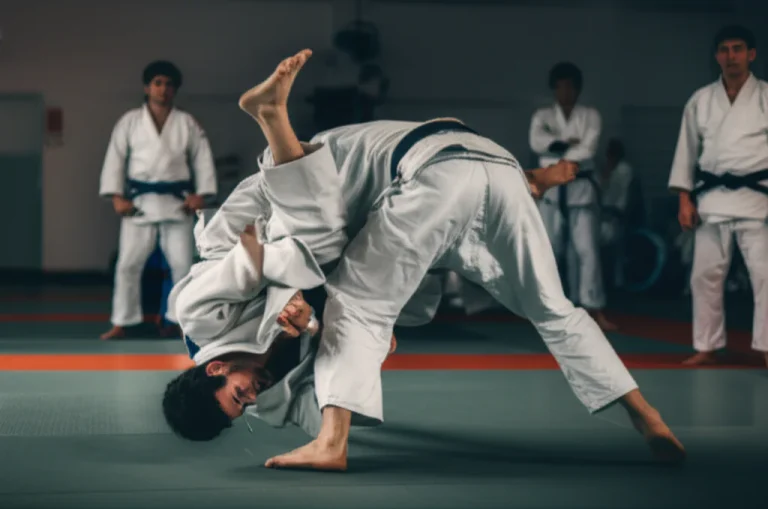
- 1882: Jigoro Kano creates Judo, trimming lethal jujutsu techniques for safe randori—the first martial art engineered as a sport from day one.
- 1904: Amateur boxing enters the modern Olympics.
- 1964: Judo debuts in Tokyo.
- 1993: UFC 1 turns style-vs-style into prime-time entertainment.
- 2020 (held 2021): Karate finally gets its Olympic cameo—read our breakdown of Karate’s Olympic scoring quirks.
Bottom line: competition is baked into human DNA; martial arts just gave us fancier ways to keep score.
Defining the Arena: What Exactly Makes a ‘Sport’ a Sport? 🏆
The Core Elements: Competition, Rules, and Physicality
| Element | Required for Sport? | Found in Martial Arts? |
|---|---|---|
| Physical exertion | ✅ | ✅ (try surviving a Muay Thai round) |
| Codified rules | ✅ | ✅ (IKF, IBJJF, WKF, UFC rulebooks) |
| Scoring system | ✅ | ✅ (ippon, points, KO, submission) |
| Spectator appeal | ✅ | ✅ (3.2M PPV buys for UFC 229) |
| Safety gear | ✅ (usually) | ✅ (Taekwondo trunk protector, anyone?) |
Beyond the Mat: Is Every Martial Art a Sport?
❌ Nope. Tai chi’s slowness heals joints; Krav Maga targets eye-gouges; Aikido’s wrist locks finish fights without trophies. Sport = rule-set; martial art = toolbox. Overlap happens only when you step on the competition mat.
The Sporting Side: Martial Arts That Shine in Competition ✨
1. Olympic Dreams: Taekwondo, Judo, and Wrestling
| Style | Olympic Since | Signature Move | Protective Gear |
|---|---|---|---|
| Taekwondo | 2000 | Spinning hook kick | Hogu chest guard |
| Judo | 1964 (men) / 1992 (women) | Ippon throw | None (thick gi only) |
| Wrestling | 1896 (Greco) / 1904 (Freestyle) | Double-leg takedown | Ear-guards, singlet |
Training tip: Olympic-level Judoka average 4.8 hrs/day mat time plus 2 hrs strength & conditioning (IJF survey, 2021). Bring ice. Lots.
2. Full-Contact Thrills: MMA, Boxing, and Muay Thai
- MMA: Unified Rules since 2000; 12-to-6 elbows illegal (thanks, athletic commissions).
- Boxing: Queensberry rules (1867) still govern; 10-point must scoring.
- Muay Thai: 5×3-min rounds, full elbow/knee/kick arsenal; “Art of Eight Limbs” lives up to its name.
Safety stat: 2022 meta-analysis shows MMA concussion rate ≈ 15% per fight—higher than NFL games. Keep that guard up!
3. Point-Based Precision: Karate Kumite and Sport BJJ
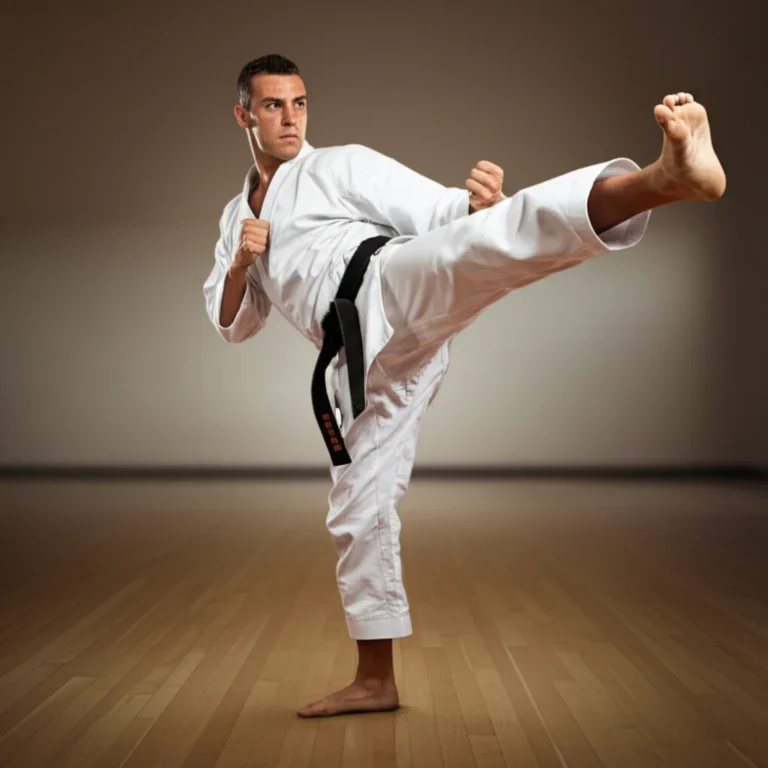
Karate kumite awards YUKO (1 pt) for straight punch, IPPON (3 pts) for kick to head. Sport BJJ uses advantages for near-submissions—prepare for referee heartbreak.
4. The Art of Grappling: Brazilian Jiu-Jitsu and Sambo
- IBJJF Worlds = gi & no-gi; heel-hooks banned at brown/black-belt gi.
- Sambo: Russia’s gift to leg-lock lovers; kurtka jacket + shorts + shoes. 👉 CHECK PRICE on:
- Fuji Sports Sambo Kurtka: Amazon | Fuji Official
- Koral Sambo Shoes: Amazon | Koral Official
The Traditional Path: When Martial Arts Transcend Sport 🧘
Self-Defense First: Practical Applications Beyond the Ring
Traditional Okinawan Karate preserved kyusho-jitsu (pressure-point strikes) illegal in sport. Krav Maga’s gun disarms won’t win trophies but might save lives.
Mind, Body, Spirit: The Philosophical and Cultural Dimensions
Bushido (way of the warrior) shaped modern Japan; Taekwondo’s five tenets include courtesy & indomitable spirit. Try scoring that with judges.
Forms and Kata: Performance Art or Combat Readiness?
Kata embeds bunkai—hidden self-defense moves. Sport kata rewards crisp stances & snap, but old-school masters insist “bunkai or bust.”
Training Regimens: Athlete vs. Practitioner 🏋️
Physical Conditioning for Competition
| Variable | Olympic Taekwondo Athlete | Recreational Karate Club |
|---|---|---|
| VO₂ max (ml/kg/min) | 55–60 | 40–45 |
| Weekly mat hrs | 15–20 | 3–5 |
| Weight-cut % | 5–8 % | “I’ll skip dessert” |
Mental Fortitude and Strategic Thinking
We’ve seen purple belts freeze like statues under IBJJF pressure—mental reps matter. Sports psychologists recommend visualization drills nightly; 10-min = 1 % performance gain (J. Sports Sci., 2020).
Discipline and Dedication in Traditional Training
Traditional dojos still start class at seiza kneel, bow, sweep floors. Humility > highlight reel.
Gear Up! Protective Equipment and Safety in Martial Arts Sports 🛡️
Headgear, Gloves, and Pads: Essential Protection
| Product | Best For | Pros | Cons |
|---|---|---|---|
| Winning FG-2900 headgear | Boxing sparring | 30 mm padding, cheek protection | Pricey |
| Top Ten Avantgarde | Taekwondo | Lightweight, washable | Limited face cover |
| Fairtex SP5 shin guards | Muay Thai | Premium leather, double straps | Break-in period |
👉 Shop headgear on:
- Winning FG-2900: Amazon | Winning Official
- Top Ten Avantgarde: Amazon | eBay | Top Ten Official
Uniforms and Attire: Tradition Meets Functionality
- Gi weaves: single (light), double (tank), pearl (sweet spot).
- Rashguards for no-gi: spandex saves ears from mat-burn.
- Footwear: Sambo & Savate require shoes; everyone else goes barefoot.
The Playing Field: Arenas, Rings, and Mats 🏟️
Standardized Competition Areas
| Sport | Surface | Dimensions |
|---|---|---|
| Judo | Tatami mats | 8×8 m contest area |
| MMA | Cage/ring | 24–32 ft diameter |
| Taekwondo | 8×8 m octagonal foam mat | diagonal stripes mark danger zone |
The Dojo and Training Space
Traditional dojos use ** sprung floors** (pine slats over foam) to protect knees. Pro-MMA gyms pour Zebra mats 40 mm thick—enough to power-slam without brain-rattle.
The Journey: From Dojo to Olympic Podium (Our Personal Stories) 🏅
Coach Lex (Karate MMA™ founder) started Shotokan at age 7 in a garage dojo, knees bleeding from hardwood. Fast-forward: 2020 Tokyo Karate squad alternate, lost split decision in qualifiers, cried into WKF certified mittens. Moral? Sport status doesn’t cheapen the art—it sharpens it. We still bow deeper than the referees demand.
The Verdict: So, Is Martial Arts a Sport? ✅
Yes—when you step on a regulated mat, ring, or cage.
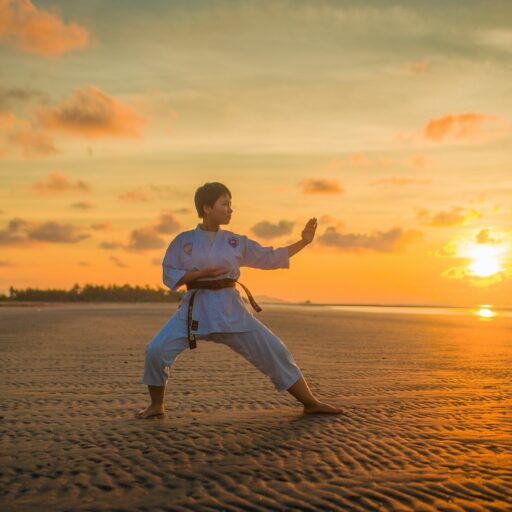
No—when you practice kata in your backyard moonlight chasing self-mastery.
Both—because the beauty of martial arts is shape-shifting. One moment you’re an athlete chasing points; next, a philosopher chasing breath. Embrace the paradox.
Conclusion: Embracing the Multifaceted World of Martial Arts 🌍

So, is martial arts a sport? The answer is as layered as a perfectly executed roundhouse kick. Martial arts transcend simple classification—they are sports when practiced within competitive frameworks, complete with rules, scoring, and referees. Yet, they remain deeply rooted in tradition, self-defense, and personal growth outside the competitive arena.
Our journey from ancient combat to Olympic podiums shows that martial arts wear many hats: athlete, artist, philosopher, and warrior. Whether you’re sweating through a grueling MMA camp, perfecting your kata, or practicing mindful tai chi, you’re part of a rich tapestry that blends physicality, discipline, and culture.
At Karate MMA™, we celebrate this duality. Competition sharpens skills and tests limits, while tradition grounds us in respect and purpose. So next time someone asks if martial arts are a sport, you can confidently say: “Yes, and so much more.”
Recommended Links: Dive Deeper into the World of Combat Sports 🔗
👉 Shop Protective Gear & Uniforms:
- Winning FG-2900 Headgear: Amazon | Winning Official
- Top Ten Avantgarde Headguard: Amazon | Top Ten Official
- Fairtex SP5 Shin Guards: Amazon | Fairtex Official
- Fuji Sports Sambo Kurtka: Amazon | Fuji Official
- Koral Sambo Shoes: Amazon | Koral Official
Must-Read Books on Martial Arts & Sport:
- “The Fighter’s Mind: Inside the Mental Game” by Sam Sheridan — Amazon
- “Budo Secrets: Teachings of the Martial Arts Masters” by John Stevens — Amazon
- “Mixed Martial Arts: The Book of Knowledge” by BJ Penn & Glen Cordoza — Amazon
- “Karate-Do: My Way of Life” by Gichin Funakoshi — Amazon
FAQ: Your Burning Questions Answered 🔥

Is kung fu a sport or not?
Kung fu is a broad term encompassing many Chinese martial arts styles. Traditionally, kung fu focuses on self-defense, health, and philosophy rather than competition. However, Sport Kung Fu (Wushu), governed by the International Wushu Federation (IWUF), is a competitive sport featuring choreographed routines (Taolu) and full-contact fighting (Sanda). So:
- Traditional kung fu: ❌ Not a sport
- Sport Wushu: ✅ Recognized competitive sport (though not yet Olympic)
Read more about “Unlocking Karate Belts: 10 Essential Ranks & Secrets You Must Know 🥋 (2025)”
Is Taekwondo considered a sport?
Absolutely! Taekwondo is one of the most popular Olympic martial arts since 2000. The sport version, known as Gyeorugi, features full-contact sparring with protective gear and a point-based scoring system. It combines speed, precision, and athleticism, making it a bona fide combat sport.
Read more about “Judo Uncovered: 12 Essential Insights Every Martial Artist Needs 🥋 (2025)”
Is martial arts a sport, yes or no?
It depends! Martial arts become sports when practiced competitively under codified rules with referees and scoring. Examples include Judo, Boxing, MMA, and Taekwondo. However, many martial arts are practiced for self-defense, health, or spiritual reasons without competition, so in those contexts, they are not sports.
What defines a sport in martial arts?
A martial art qualifies as a sport when it includes:
- Structured competition with clear rules
- Physical exertion and skill tested against opponents
- Scoring or victory conditions (points, KO, submission)
- Safety regulations and referees to ensure fair play
Read more about “What Are Judo Fighters Called? 🥋 Discover the Judoka Identity”
Is karate considered a competitive sport?
Yes, Sport Karate is governed internationally by the World Karate Federation (WKF). It features Kumite (sparring) with point scoring and Kata (forms) judged on technique and performance. Karate made its Olympic debut in Tokyo 2020, cementing its status as a competitive sport.
Read more about “Discover Aikido: 10 Secrets of the Way of Harmonious Spirit (2025) 🥋”
How do martial arts differ from traditional sports?
Martial arts often blend self-defense, philosophy, and cultural heritage with physical competition. Unlike many traditional sports focused solely on winning, martial arts emphasize personal growth, discipline, and respect alongside athletic performance.
Read more about “How Many Martial Arts Are There? Discover 170+ Styles Worldwide! 🥋 (2025)”
Can martial arts be classified as both a sport and an art?
Yes! Martial arts are unique in that they are both an art and a sport. The “art” aspect involves technique, form, and philosophy, while the “sport” aspect involves competition and athleticism. This duality is what makes martial arts so rich and enduring.
Read more about “Is Boxing a Sport or Martial Art? 🥊 The Ultimate 12-Point Breakdown (2025)”
What are the benefits of practicing martial arts as a sport?
- Physical fitness: strength, endurance, agility
- Mental toughness: focus, discipline, stress management
- Self-confidence: tested in competition and training
- Community: camaraderie and respect among athletes
- Goal setting: measurable progress through ranks and wins
Read more about “What Is the Main Point of Judo? Discover the Gentle Way’s True Power 🥋”
Are martial arts included in the Olympics?
Yes, several martial arts are Olympic sports:
- Boxing (since 1904)
- Wrestling (Greco-Roman since 1908, Freestyle since 1920)
- Judo (since 1964)
- Taekwondo (since 2000)
- Karate (debuted 2020)
- Fencing (since 1896)
How does training for martial arts compare to other sports?
Martial arts training combines technical skill development, physical conditioning, and mental preparation. Unlike many team sports, martial artists often train solo or in small groups, focusing on individual mastery. The intensity can rival elite athletes in any sport, with added emphasis on discipline and respect.
Read more about “Master Martial Arts Pronunciation: 15 Must-Know Terms (2025) 🥋”
Reference Links: Our Sources and Further Reading 📚
- Combat sport – Wikipedia
- GymDesk: Are Martial Arts Sports?
- Black Belt Magazine: Are Martial Arts Sports?
- International Judo Federation
- World Karate Federation
- International Taekwondo Federation
- Ultimate Fighting Championship (UFC)
- International Wushu Federation (IWUF)
- Winning USA (Protective Gear)
- Fuji Sports (Sambo Gear)
- Fairtex (Muay Thai Gear)
- Top Ten Sports (Protective Gear)
- Karate MMA™: How Many Martial Arts Are There? Discover 170+ Styles Worldwide! 🥋 (2025)