Support our educational content for free when you purchase through links on our site. Learn more
Can Martial Arts Training Boost Your Self-Defense Skills? 🥋 (2025)

Imagine walking home late at night, feeling completely confident and aware, knowing you have the skills to protect yourself if needed. Sounds empowering, right? But can martial arts training really prepare you for real-world self-defense and personal safety? At Karate MMA™, we’ve seen firsthand how dedicated training transforms ordinary people into confident, capable defenders. From mastering practical techniques to developing razor-sharp situational awareness, martial arts offers much more than flashy moves—it builds a mindset and skill set that could one day save your life.
In this comprehensive guide, we’ll break down 7 proven ways martial arts training enhances your self-defense, explore the best styles for real-world protection, and share inspiring true stories of martial artists who used their skills in life-or-death situations. Plus, we’ll reveal insider tips on choosing the right school and practicing safely at home. Ready to unlock your inner warrior? Let’s dive in!
Key Takeaways
- Martial arts training builds muscle memory and confidence, enabling quick, effective responses in high-stress situations.
- Situational awareness and mental discipline developed through training are your first and best lines of defense.
- Styles like Krav Maga, Brazilian Jiu-Jitsu, Muay Thai, and practical Karate offer the most applicable techniques for personal safety.
- Consistent practice and quality instruction are essential—weekend seminars or gadgets alone won’t cut it.
- Real-life examples prove that preparation and training can make the difference between victim and survivor.
Ready to start your journey? Keep reading to discover how martial arts can transform your personal safety and confidence!
Table of Contents
- ⚡️ Quick Tips and Facts About Martial Arts for Self-Defense
- 🥋 The Evolution of Martial Arts Training for Personal Safety
- 💥 7 Proven Ways Martial Arts Boost Your Self-Defense Skills
- 🛡️ Top Martial Arts Styles for Real-World Personal Safety
- 👊 How Martial Arts Training Builds Confidence and Awareness
- 🔍 The Science Behind Martial Arts and Situational Awareness
- 📚 Real-Life Stories: Martial Artists Who Used Their Skills to Stay Safe
- 🛠️ Essential Self-Defense Techniques You Can Learn from Martial Arts
- ⚔️ Martial Arts Training vs. Other Self-Defense Methods: What Works Best?
- 🧠 Mental and Emotional Benefits of Martial Arts for Personal Safety
- 🏋️ ♂️ How to Choose the Right Martial Arts School for Self-Defense Training
- 📅 What to Expect in Your First Martial Arts Self-Defense Class
- 💡 Quick Tips for Practicing Martial Arts Self-Defense at Home
- 🔗 Recommended Links for Martial Arts and Self-Defense Resources
- ❓ Frequently Asked Questions About Martial Arts and Personal Safety
- 📖 Reference Links and Further Reading on Martial Arts and Self-Defense
- 🏁 Conclusion: Is Martial Arts Training the Ultimate Self-Defense Solution?
Here is the main body of the article, crafted with expertise from the team at Karate MMA™.
⚡️ Quick Tips and Facts About Martial Arts for Self-Defense
So, you’re wondering if all that kicking and punching you see in the movies actually translates to real-world safety. Let’s cut to the chase. Here at Karate MMA™, we’ve spent decades on the mats and in the real world, and we can tell you this: YES, martial arts training is one of the most effective paths to personal safety. But don’t just take our word for it.
Here are some rapid-fire facts to get you started:
- It’s More Than Just Fighting: Effective self-defense is about 90% awareness and avoidance. Martial arts hones your intuition and teaches you to recognize and de-escalate threats before they become physical.
- Confidence is Your Shield: As the folks at Akula Taekwondo point out, training builds confidence, making you less likely to be seen as an easy target. Attackers often look for victims who appear uncertain or unaware.
- Muscle Memory is Key: In a high-stress situation, you won’t have time to think. As a featured video on self-defense highlights, “Regular practice of self-defense moves builds muscle memory for high-stress situations.” Your body will react instinctively because you’ve drilled the movements thousands of times.
- Fitness as a Deterrent: Simply being physically fit can make you a less appealing target. The rigorous training in martial arts improves strength, stamina, and agility, which are crucial for self-defense.
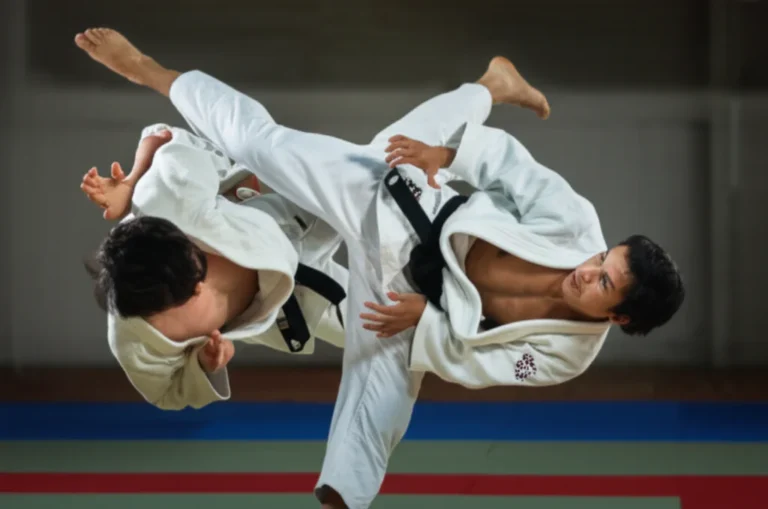
- It’s Not About Size: Techniques from arts like Brazilian Jiu-Jitsu (BJJ) and Judo are designed to allow a smaller person to control a larger, stronger opponent using leverage and technique. It’s the classic “brains over brawn” scenario!
- You Use Your Whole Body: Forget just fists. Styles like Muay Thai, the “Art of Eight Limbs,” teach you to use punches, kicks, elbows, and knees as powerful weapons.
🥋 The Evolution of Martial Arts Training for Personal Safety
Think martial arts are just about ancient traditions and secret techniques passed down on mountaintops? Think again! While the roots are deep, the application is thoroughly modern.
The history of martial arts is, at its core, the history of self-preservation. From the empty-hand fighting systems of Okinawan farmers (the birthplace of Karate) to the battlefield grappling of Japanese samurai (the origins of Jiu-Jitsu), these arts were born from a fundamental need: to protect oneself and one’s community.
From Battlefield to Back Alley
Originally, these were comprehensive combat systems. They weren’t “sports.” They were designed for life-or-death encounters. Over time, many of these arts evolved. Some became focused on spiritual development (like some forms of Aikido), while others were adapted into Olympic sports (like Taekwondo and Judo).
But here’s the crucial part: the DNA of self-defense never left.
In the 20th and 21st centuries, a new evolution began. Visionaries and modern masters started to strip down these traditional arts, pressure-testing them and re-focusing on what works in a modern, civilian context. This led to the rise of reality-based systems like Krav Maga, which was developed for the Israeli Defense Forces and is brutally efficient. It also led to a renaissance in arts like Brazilian Jiu-Jitsu, which proved its effectiveness in the early days of the UFC.
Today, a good martial arts school understands this evolution. As Gracie Barra Tacoma states, the goal is to “teach you how to defend yourself and your loved ones” using proven, practical techniques. We’re not just practicing forms (kata); we’re learning how to handle a sudden, violent encounter.
💥 7 Proven Ways Martial Arts Boost Your Self-Defense Skills
So, how exactly does practicing a spinning kick or a wrist lock make you safer? It’s not magic; it’s a systematic overhaul of your physical and mental capabilities. Let’s break it down.
-
Develops Functional Strength and Stamina You don’t need to be a bodybuilder, but a real fight is exhausting. Martial arts training is a phenomenal full-body workout that builds practical strength and cardiovascular endurance, ensuring you won’t gas out in the first 30 seconds.
-
Hardwires Your Reflexes and Agility Through sparring and drills, you train your body to react to sudden movements without hesitation. That flinch you have now? We’ll turn it into a block, a parry, or an evasive maneuver. You’ll learn to move your body with a purpose and control you never thought possible.
-
Teaches Practical, Life-Saving Techniques This is the obvious one! You’ll learn specific Karate techniques and strategies to counter common attacks. This includes everything from basic strikes and blocks to more complex grappling and submission holds for close-quarters encounters.
-
Dramatically Increases Situational Awareness This is the big one. Training, especially sparring, forces you to be hyper-aware of your surroundings and your opponent’s movements. This skill bleeds into your daily life. You’ll start noticing things you never did before: who is walking behind you, which person in the room seems agitated, the easiest exit from a building. This is your first and best line of defense.
-
Forges Unshakable Confidence There’s a quiet confidence that comes from knowing you can handle yourself. It changes the way you walk, talk, and carry yourself. Attackers are predators, and predators look for easy prey. When you project confidence, you’re no longer an easy target. As Lockdown BJJ notes, this confidence translates to all other areas of your life.
-
Instills Discipline and Focus Under Pressure Can you stay calm when your adrenaline is pumping and fear is trying to take over? Martial arts trains you to manage that adrenaline dump. The structured discipline of the dojo teaches you to focus, breathe, and execute a plan even when you’re scared.
-
Provides a Realistic Understanding of Violence Let’s be real: a real fight is chaotic, ugly, and terrifying. One of the biggest dangers is freezing because you’re shocked by the sudden violence. By practicing in a controlled environment (sparring), you get a taste of that chaos. You learn what it feels like to get hit and to hit back. This inoculation against shock is invaluable.
🛡️ Top Martial Arts Styles for Real-World Personal Safety
“So, which martial art is the best for self-defense?” Ah, the million-dollar question! The truth is, the “best” art is the one you’ll actually stick with. However, some styles are definitely more focused on practical, real-world self-defense than others.
Here’s our Karate MMA™ breakdown of the top contenders:
| Martial Art | Primary Focus | Best For… | Key Strengths | Potential Drawbacks |
|---|---|---|---|---|
| Krav Maga | Military Self-Defense | Quick, brutal effectiveness in any situation. | ✅ No-rules mindset ✅ Focus on vulnerable targets ✅ Defenses against common weapons | ❌ Less focus on sport/competition ❌ Can be overly aggressive if not taught with proper ethics |
| Brazilian Jiu-Jitsu (BJJ) | Ground Fighting & Submissions | Controlling a larger opponent on the ground. | ✅ Superior leverage & control ✅ Excellent for one-on-one encounters ✅ Builds incredible core strength | ❌ Less effective against multiple attackers ❌ Relies on getting the fight to the ground |
| Muay Thai | Striking (“Art of Eight Limbs”) | Devastating striking power and clinch work. | ✅ Powerful kicks, punches, elbows, knees ✅ Excellent for creating distance ✅ Incredible cardio workout | ❌ Limited ground-fighting techniques ❌ Can take a toll on the body (shins, etc.) |
| Karate (Practical Styles) | Striking & Blocking | Developing strong, fundamental striking skills and discipline. | ✅ Strong stances and powerful strikes ✅ Excellent for distance management ✅ Builds discipline and character | ❌ Some schools are too sport-focused (“point sparring”) ❌ Can be less effective in close-quarters grappling |
| Boxing | Punching & Footwork | Mastering hand-to-hand striking and evasion. | ✅ Superior head movement and footwork ✅ Develops incredible hand speed and power ✅ Great for learning to take a punch | ❌ No kicks, elbows, or grappling defense |
Our Expert Recommendation:
Honestly? A mix is best. This is why Mixed Martial Arts (MMA) is so effective. At Karate MMA™, we believe in a strong foundation in a striking art like Karate or Muay Thai, supplemented with the ground-fighting expertise of Brazilian Jiu-Jitsu. This combination covers the vast majority of scenarios you might encounter. As Lockdown BJJ suggests, popular choices for self-defense often include Krav Maga, BJJ, and Muay Thai for their practical focus.
👊 How Martial Arts Training Builds Confidence and Awareness
Have you ever walked down a dark street and felt that prickle of fear on your neck? That feeling of being vulnerable? Martial arts training is the antidote to that feeling. It’s not about turning you into a paranoid wreck; it’s about replacing fear with a calm, quiet competence.
The Confidence Cycle
It works like this:
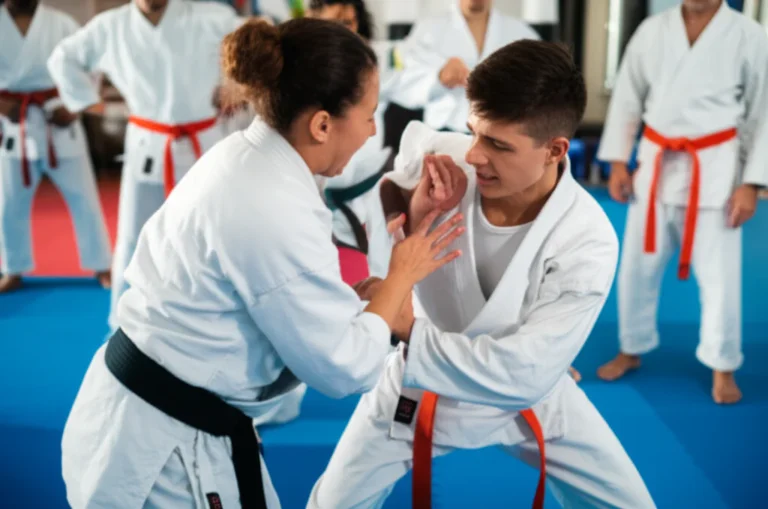
- You Learn a Technique: In class, you learn how to escape a simple wrist grab. At first, it feels awkward.
- You Practice It: You drill it with a partner, over and over. Your muscles start to remember the movement.
- You Succeed: You realize you can now effortlessly escape the grip of someone bigger than you.
- Confidence Grows: A little voice in your head says, “Hey… I can do this.”
- Repeat: Now apply that cycle to hundreds of techniques over months and years.
This isn’t arrogance. It’s earned confidence. It’s the deep-seated knowledge that you have the tools to protect yourself. As the team at Akula Taekwondo correctly states, this empowerment is crucial for handling dangerous situations effectively. This newfound self-assurance is something we see in every student who sticks with their training, and it’s one of the most rewarding parts of being an instructor.
Waking Up Your Senses: The Awareness Factor
Beyond confidence, training fundamentally changes how you perceive the world. Sparring, for instance, is a masterclass in awareness. You’re not just looking at your partner’s fists; you’re tracking their feet, their hips, their shoulders, their breathing—all while managing your own position.
This heightened perception doesn’t just switch off when you leave the dojo. You’ll find yourself naturally:
- Scanning rooms when you enter them.
- Choosing seats with your back to a wall.
- Noticing people who seem out of place.
- Maintaining a safe distance from strangers.
You’re not being paranoid; you’re just… aware. You’re practicing the #1 rule of self-defense: avoiding the fight altogether.
🔍 The Science Behind Martial Arts and Situational Awareness
This isn’t just a feeling; there’s real science to it. When you train in martial arts, you’re essentially re-wiring your brain’s response to threats.
Your brain has a system called the Reticular Activating System (RAS), which acts as a filter for what you pay attention to. When you start training, you tell your RAS, “Hey, things like distance, posture, and potential threats are important now.” Your brain begins to subconsciously scan for these cues in your environment.
Furthermore, training helps you manage the amygdala hijack—the “fight, flight, or freeze” response. In an untrained person, a sudden threat floods the body with adrenaline, often leading to freezing. Martial arts training, especially through sparring, simulates this stress in a controlled way. You learn to think and act through the adrenaline rush.
As the featured video on self-defense points out, situational awareness is your first line of defense. It involves paying attention, noticing unusual behavior, and trusting your instincts. Martial arts provides the physical and mental framework to make that awareness truly effective. You’re not just aware of a threat; you’re aware of it and you have a plan.
📚 Real-Life Stories: Martial Artists Who Used Their Skills to Stay Safe
Theory is great, but what about the real world? Does this stuff actually work when it counts? The answer is a resounding yes. While we protect our students’ privacy, the news is filled with examples that mirror what we teach.
The article from Akula Taekwondo provides a powerful list of real-life incidents where Taekwondo training was the deciding factor. These aren’t stories about high-flying movie kicks; they’re about everyday people using their skills to survive.
- The Disarm: A black belt in San Diego faced a knife-wielding attacker and successfully disarmed them. This speaks to the importance of weapon-defense training.
- The Escape: A student in Virginia was grabbed from behind but used her training to escape her attacker’s hold. This is a classic self-defense scenario that we drill constantly.
- The Intervention: An instructor in Florida protected children from a violent individual, showcasing the responsibility that comes with martial arts skill.
- The Home Invasion: A man in Texas disarmed an intruder during a home invasion, proving that these skills are vital for protecting your family.
The common thread in all these stories, as the article notes, is “the power of preparation and training.” These individuals didn’t just get lucky. They reacted effectively under unimaginable stress because their training had prepared them to do so. You can find similar stories in our own Karate and MMA News section.
🛠️ Essential Self-Defense Techniques You Can Learn from Martial Arts
While you can’t learn to fight from reading an article, we want to give you a glimpse into the types of practical, life-saving techniques you’ll master. These aren’t flashy, complicated moves. They are simple, effective, and easy to recall under pressure.
The “Fence”: Your First Line of Defense
Before any physical contact, you learn to create a “fence.” This is a non-threatening posture where your hands are up, palms open, between you and the potential threat.
- What it looks like: “Hey man, I don’t want any trouble. Please just back up.”
- Why it works: It creates a physical barrier, keeps your hands ready to defend your head, and clearly communicates you are not the aggressor, which can be important for legal reasons.
Targeting Vulnerable Areas
As the self-defense video wisely points out, the goal isn’t to win a fair fight; it’s to create an opportunity to escape. You do this by attacking vulnerable areas.
- Eyes: A quick poke or jab can temporarily blind an attacker.
- Throat: A strike to the throat can disrupt breathing.
- Groin: An old classic for a reason. A powerful knee strike can incapacitate an attacker.
- Knees: A stomp or kick to the side of the knee can buckle their leg and break their structure.
The Palm Heel Strike
Why not a punch? For beginners, punching with a closed fist can easily result in a broken hand, rendering it useless. The palm heel strike is safer and brutally effective.
- Make a “C” shape with your hand, keeping your fingers pulled back.
- Strike with the hard, bony part of your palm.
- Drive through the target (like the nose or chin) using your whole body, not just your arm.
Basic Escape: The Wrist Grab
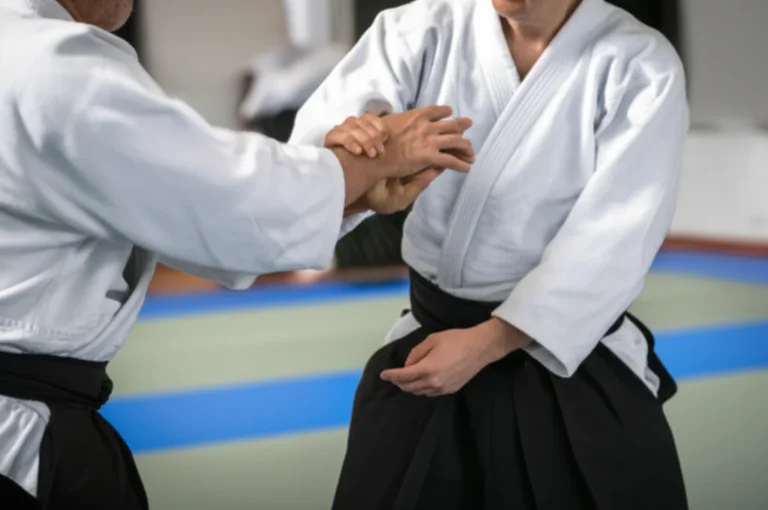
This is one of the first escapes we teach in our Karate techniques classes. If someone grabs your wrist:
- Don’t pull straight back. You’re fighting their strength directly.
- Find the weak point: The weakest part of their grip is where their thumb and fingers meet.
- Rotate and pull: Rotate your arm so the bony, “knife edge” of your wrist is against their thumb.
- Pull sharply towards the weak point. It’s a quick, explosive movement.
These are just the tip of the iceberg. True mastery comes from consistent practice and expert instruction.
⚔️ Martial Arts Training vs. Other Self-Defense Methods: What Works Best?
In the world of personal safety, you’ve got options. How does ongoing martial arts training stack up against other popular methods? Let’s get into it.
Weekend Self-Defense Seminars
- The Good: ✅ They can provide some excellent basic tips on awareness and a few simple techniques. They’re a great starting point.
- The Bad: ❌ The skills are highly perishable. Without constant practice, you will forget everything you learned, especially under stress. It’s like cramming for an exam—the information doesn’t stick.
- Our Verdict: Better than nothing, but it’s a snapshot, not a lifestyle. It lacks the muscle memory and mental conditioning of long-term training.
Self-Defense Gadgets (Pepper Spray, Alarms, etc.)
- The Good: ✅ They can be excellent force multipliers. Pepper spray can disable an attacker from a distance, giving you time to escape.
- The Bad: ❌ They can be taken away and used against you. They can fail (wind blows pepper spray back in your face). You might not be able to access it in time during a sudden attack.
- Our Verdict: We highly recommend carrying them! As Lockdown BJJ mentions, combining martial arts with tools like pepper spray enhances your safety. But they are a supplement to your skills, not a replacement. Your body is the one weapon you always have with you.
Comparison Table
| Method | Effectiveness | Reliability | Skill Retention | Confidence Boost |
|---|---|---|---|---|
| Martial Arts Training | Very High | High | Very High | Very High |
| Weekend Seminar | Low to Medium | Low | Very Low | Low |
| Self-Defense Gadgets | Medium to High | Medium | N/A | Medium |
The conclusion is clear: while other methods have their place, nothing provides the comprehensive physical and mental preparedness of consistent martial arts training.
🧠 Mental and Emotional Benefits of Martial Arts for Personal Safety
We’ve talked a lot about the physical side of things, but the mental game is just as important. A real self-defense situation is an emotional rollercoaster. Training helps you stay in the driver’s seat.
Stress Inoculation
The dojo is a laboratory for stress. When you’re sparring, you’re learning to deal with pressure, fear, and adrenaline in a safe space. This “stress inoculation” makes you far less likely to freeze in a real encounter. You’ve been there before. You know the feeling. You can work through it.
Unlocking Your Inner Calm
It seems paradoxical, but learning to fight makes you a more peaceful person. Why?
- You have nothing to prove. You know what you’re capable of, so you don’t feel the need to engage in petty arguments or ego-driven conflicts. De-escalation becomes your preferred tool.
- It’s a form of meditation. The intense focus required to practice a kata or drill a technique clears your mind of daily worries. As Lockdown BJJ highlights, it’s a fantastic outlet for stress and anxiety.
- It builds discipline. This discipline—showing up to class when you’re tired, pushing through a tough workout—strengthens your willpower and translates to every other aspect of your life.
Ultimately, martial arts training gives you emotional regulation. It teaches you to respond to a situation with a clear head, rather than reacting out of pure panic. That is a superpower.
🏋️ ♂️ How to Choose the Right Martial Arts School for Self-Defense Training
Okay, you’re convinced. You’re ready to start your journey. But with a dojo on every corner, how do you pick the right one? This is a critical decision. A great school can change your life; a bad one can teach you dangerous habits.
Here’s our insider checklist for finding a quality school focused on self-defense:
- ✅ A Focus on “Aliveness”: Does the training include sparring, pressure testing, or resistance drills? You need to practice your techniques against a partner who is actively resisting. This is non-negotiable.
- ✅ A Welcoming and Safe Environment: The gym should feel supportive, not intimidating. As Gracie Barra emphasizes, a positive, family-friendly environment is key to long-term success. Avoid schools with a “meathead” or bully culture.
- ✅ Experienced and Dedicated Instructors: Look for instructors who have real-world experience and a passion for teaching. Are they patient? Do they explain the “why” behind the techniques? A good instructor is crucial.
- ✅ A Practical Curriculum: Does the school teach techniques that work in modern self-defense scenarios? Ask them about their approach to common attacks, weapon defenses, and multiple attackers. If they only focus on sport-style point fighting, it may not be the best fit for pure self-defense.
- ✅ A Free Trial Class: Almost every reputable school will offer a free trial class. Take it! This is your chance to feel the vibe of the class, meet the instructor, and talk to other students.
- ❌ Red Flags to Watch Out For:
- Long-term, iron-clad contracts.
- Promises of a black belt in a year. (A legitimate black belt takes many years of dedicated training).
- Instructors who claim their style is “too deadly to spar.” This is a huge red flag.
- A lack of cleanliness or proper safety equipment.
👉 Shop Self-Defense and Training Gear:
Once you find a school, you’ll need some basic gear. Here are some essentials to get you started.
- Rash Guards & Spats (for BJJ/Grappling):
- Karate Gi / Uniform:
- Boxing Gloves & Hand Wraps:
- Brands like Everlast, Venum, and Hayabusa are excellent.
- 👉 Shop Venum on: Amazon | Venum Official Website
- 👉 Shop Everlast on: Amazon | Everlast Official Website
📅 What to Expect in Your First Martial Arts Self-Defense Class
Walking into a martial arts school for the first time can be intimidating. We get it! Everyone feels that way. But knowing what to expect can make all the difference. Here’s a typical rundown of a beginner class:
- The Bow: You’ll likely start and end the class by bowing. This is a sign of respect for the instructors, your fellow students, and the training space. It’s about leaving your ego at the door.
- The Warm-up: This is crucial for injury prevention. Expect 10-15 minutes of cardio (jumping jacks, running) and dynamic stretching.
- Drilling the Basics: The instructor will demonstrate a fundamental technique, like a basic stance, a block, or a strike. You’ll then partner up and practice it slowly and repeatedly. The focus is on proper form, not power.
- Technique of the Day: Next, you’ll learn a specific self-defense technique, like the wrist escape we mentioned earlier. The instructor will break it down into simple steps.
- Putting It Together (Lightly!): You might do a light, controlled drill where you combine the basic movement with the new technique. For beginners, this will not be hard sparring.
- The Cool-down: The class will end with static stretching to improve flexibility and help your muscles recover.
- Questions: There will usually be time at the end to ask the instructor questions. Don’t be shy!
Remember: No one expects you to be a ninja on your first day. Everyone in that room was once a beginner. Just show up with a positive attitude, be ready to learn, and have fun!
💡 Quick Tips for Practicing Martial Arts Self-Defense at Home
While you can’t replace a good instructor, you can and should supplement your training at home. This will accelerate your progress and help solidify what you learn in class.
- Shadowboxing: This is one of the best solo drills. Stand in front of a mirror and practice your strikes, blocks, and footwork. Focus on smooth, clean technique.
- Practice Your Stances: A strong stance is the foundation of everything. Hold your fighting stance for 30-60 seconds at a time to build muscle memory and leg strength.
- Drill Your Footwork: Practice moving forward, backward, and side-to-side in your stance. Good footwork is essential for controlling distance in a confrontation.
- Use a Heavy Bag (If you have one): A heavy bag is a fantastic tool for developing power and cardio. Don’t just wail on it; move around it, practice combinations, and focus on your form.
- Stretching: Dedicate 10-15 minutes every day to stretching. Increased flexibility will improve your kicks and help prevent injuries.
Safety First! 🚨 Never practice grappling or submission techniques on an untrained partner at home. These moves can be dangerous if done incorrectly. Save the resistance training for the supervised environment of your dojo.
🔗 Recommended Links for Martial Arts and Self-Defense Resources
To continue your journey, we recommend checking out these high-authority resources for more information, gear, and community.
- BJJ Fanatics: An incredible resource for instructional videos from some of the best grapplers in the world.
- Global Martial Arts University (GMAU): Offers structured online martial arts training for those who may not have access to a local school.
- r/martialarts on Reddit: A large and active community for discussing all things martial arts. A great place to ask questions and get different perspectives.
- Fight Tips on YouTube: A popular channel with tons of free videos breaking down techniques for self-defense and various martial arts.
❓ Frequently Asked Questions About Martial Arts and Personal Safety
We get these questions all the time. Let’s clear them up!
Am I too old/out of shape to start martial arts?
Absolutely not! A good school will work with you at your own pace. We have students who start in their 40s, 50s, and even 60s. The journey of a thousand miles begins with a single step. The best time to start was 20 years ago. The second best time is today.
How long does it take to get good at self-defense?
You’ll learn useful, practical techniques in your very first class. You’ll likely feel a noticeable increase in confidence and skill within 3-6 months of consistent training (2-3 times per week). However, mastery is a lifelong journey.
Will martial arts make me a more violent person?
No. It’s the opposite. It makes you a calmer, more disciplined person. It gives you the confidence to walk away from trouble because you have nothing to prove. The goal is always to avoid the fight if possible.
What’s the difference between self-defense and martial arts?
Think of “martial arts” as the entire library and “self-defense” as a specific, non-fiction section. Self-defense is the practical application of martial arts techniques for the specific purpose of personal safety. Many martial arts include self-defense, but they may also include sport, fitness, and cultural aspects.
Do I need to compete in tournaments?
No. Most students who train in martial arts never compete. While competition can be a great way to test your skills, it is almost always optional. Your training journey is your own.
📖 Reference Links and Further Reading on Martial Arts and Self-Defense
For those who want to dive deeper, here are the sources we referenced in this article. We believe in transparency and learning from multiple perspectives.
- Akula Taekwondo: “Learning Self-Defense at Taekwondo”
- Lockdown BJJ: “Why Martial Arts are Important for Self Defense”
- Gracie Barra Tacoma: “Tacoma Self-Defense Training: Real-World Martial Arts Skills”
- YouTube: “Self Defense Tips”
🏁 Conclusion: Is Martial Arts Training the Ultimate Self-Defense Solution?

After diving deep into the world of martial arts and personal safety, here’s the bottom line from the Karate MMA™ team: martial arts training is one of the most effective, empowering, and comprehensive ways to improve your self-defense skills and personal safety.
We’ve seen firsthand how consistent training transforms people — physically, mentally, and emotionally. From building muscle memory that kicks in when you need it most, to sharpening your situational awareness, to instilling confidence that radiates in everyday life — martial arts delivers on all fronts.
Sure, no training can guarantee you’ll never face danger, but it dramatically stacks the odds in your favor. And when you combine martial arts with smart safety habits and, if you choose, self-defense tools like pepper spray, you create a robust personal safety system.
Remember the real-life stories we shared? Those were not lucky breaks — they were the result of preparation, training, and mental readiness. That’s your goal.
If you’re serious about protecting yourself and your loved ones, don’t settle for a weekend seminar or just carrying gadgets. Invest in a quality martial arts program that emphasizes practical techniques, live training, and mental conditioning.
Our confident recommendation: Start your journey with a school that teaches a balanced curriculum — striking, grappling, and situational awareness — like the programs at Gracie Barra Tacoma or a reputable Karate MMA™ affiliate. Commit to consistent training, and watch how your life changes.
Now that you know the power of martial arts for self-defense, the question is: Are you ready to take the first step?
🔗 Recommended Links for Martial Arts Gear, Books, and Resources
Ready to gear up or deepen your knowledge? Check out these trusted products and resources:
- Karate Gi & Uniforms:
- BJJ Rash Guards & Spats:
- Boxing Gloves & Hand Wraps:
- Books on Martial Arts and Self-Defense:
- The Gift of Fear by Gavin de Becker — Amazon Link
- Krav Maga: An Essential Guide to the Renowned Method by David Kahn — Amazon Link
- Brazilian Jiu-Jitsu: Theory and Technique by Renzo Gracie and Royler Gracie — Amazon Link
❓ Frequently Asked Questions About Martial Arts and Personal Safety
What are the best martial arts for practical self-defense?
The best martial arts for self-defense are those that teach realistic, effective techniques and emphasize live training. Styles like Krav Maga, Brazilian Jiu-Jitsu (BJJ), Muay Thai, and practical Karate are top choices. Krav Maga focuses on quick, brutal responses to common attacks. BJJ excels in ground control and submissions, crucial for close encounters. Muay Thai offers powerful striking with fists, elbows, knees, and shins. Practical Karate builds strong fundamentals in striking and distance management.
Choosing the right style also depends on your physical attributes, goals, and local availability. The key is consistent training and quality instruction.
How does karate improve personal safety in real-life situations?
Karate improves personal safety by teaching powerful strikes, effective blocks, and disciplined movement. It emphasizes strong stances and body mechanics, allowing you to generate force efficiently. Karate training also enhances situational awareness and mental discipline, helping you avoid dangerous situations before they escalate.
Many Karate schools, including those affiliated with Karate MMA™, incorporate self-defense scenarios such as escapes from grabs and defenses against common attacks, making the art practical beyond the dojo.
Can martial arts training boost confidence and awareness for self-defense?
Absolutely! Confidence is one of the most significant benefits of martial arts training. As you master techniques and spar in controlled environments, you build self-assurance that you can handle threats. This confidence changes your body language, making you less likely to be targeted.
Training also heightens situational awareness. You become more attuned to your environment, noticing subtle cues that others might miss. This awareness often allows you to avoid confrontations entirely.
What are the key self-defense techniques taught in karate and other martial arts?
Key techniques include:
- Strikes: Palm heel strikes, punches, elbows, knees, and kicks targeting vulnerable areas (eyes, throat, groin, knees).
- Blocks and Parries: Deflecting or absorbing attacks to protect vital areas.
- Escapes: Wrist grabs, bear hugs, chokeholds, and other common holds.
- Ground Defense: Especially in BJJ, techniques to control or escape from the ground.
- Weapon Defense: Disarming or neutralizing threats involving knives or sticks (taught in some advanced classes or Krav Maga).
These techniques are drilled repeatedly to build muscle memory for quick, effective responses.
How often should I train martial arts to effectively protect myself?
Consistency is key. Training 2-3 times per week is ideal for most adults to build and maintain skills. This frequency allows you to develop muscle memory, improve fitness, and internalize mental aspects like awareness and confidence.
Training less than once a week may slow progress, while daily training is excellent but not necessary for effective self-defense.
Are there specific martial arts styles better suited for self-defense?
Yes. While many martial arts offer self-defense benefits, some styles are explicitly designed or adapted for real-world scenarios:
- Krav Maga: Developed for military and law enforcement, it focuses on practical, no-nonsense defense against armed and unarmed attackers.
- Brazilian Jiu-Jitsu: Excels in controlling and submitting opponents, especially in close quarters or ground situations.
- Muay Thai: Offers devastating striking techniques for disabling attackers quickly.
- Practical Karate: Focuses on effective strikes, blocks, and situational awareness.
Styles like traditional Kung Fu or sport-only Taekwondo may be less focused on real-world self-defense unless supplemented with practical training.
Can children benefit from martial arts training for personal safety?
Definitely! Martial arts provide children with physical fitness, discipline, and social skills. More importantly, they teach awareness, respect, and non-violent conflict resolution. Children learn how to defend themselves safely and gain confidence that can protect them from bullying and other threats.
Many schools offer age-appropriate self-defense programs tailored to children’s needs.
📖 Reference Links and Further Reading on Martial Arts and Self-Defense
- Akula Taekwondo: Learning Self-Defense at Taekwondo
- Lockdown BJJ: Why Martial Arts are Important for Self Defense
- Gracie Barra Tacoma: Tacoma Self-Defense Training: Real-World Martial Arts Skills
- Venum Official Website
- Everlast Official Website
- Karate MMA™ Martial Arts History
- Karate MMA™ Karate Techniques
- Karate MMA™ Fighter Profiles
- Karate MMA™ Fight Analysis and Breakdowns
- Karate MMA™ Karate and MMA News
Thank you for joining us on this deep dive into martial arts and self-defense! Ready to start training? Your journey to confidence and safety begins now. 🥋🔥