Support our educational content for free when you purchase through links on our site. Learn more
What Is This Karate? 🥋 Unlocking Its Secrets in 2025

Ever watched a karateka snap a lightning-fast punch or flow through a kata like a martial arts dance and wondered, “What is this karate all about?” You’re not alone. Karate isn’t just a sport or a fighting style—it’s a rich tapestry of history, philosophy, and technique that has captivated millions worldwide. From its humble Okinawan roots to its Olympic debut in 2020, karate has evolved into a global phenomenon blending discipline, power, and mental focus.
In this article, we’ll unravel karate’s origins, break down its core techniques, explore the different styles, and even decode the famous Dojo Kun—the moral compass every practitioner lives by. Curious about how karate stacks up against other martial arts or what it takes to earn that coveted black belt? Stick around, because we’re diving deep with insights from the experts at Karate MMA™ who’ve lived and breathed this art for decades. Ready to punch through the myths and discover why karate is truly more than just “empty hand” fighting? Let’s get started!
Key Takeaways Karate means “empty hand,” symbolizing both unarmed combat and a philosophy of mental clarity.
Ready to explore the full spectrum of karate? Keep reading to unlock the secrets behind this timeless martial art!
Table of Contents
- ⚡️ Quick Tips and Facts About Karate
- 🥋 Karate Origins and Evolution: A Deep Dive into Its History
- 🔍 What Is Karate? Defining the Martial Art and Its Core Principles
- 🛡️ 7 Essential Karate Styles You Should Know
- 💥 Karate Techniques Explained: Strikes, Kicks, Blocks, and More
- 🥇 The Dojo Kun: Understanding Karate’s Code of Conduct and Philosophy
- 🎯 Karate Training Essentials: Gear, Dojo Etiquette, and Progression
- 🏅 Karate Belt System: What Each Color Means and How to Advance
- 🤼 ♂️ Karate vs. Other Martial Arts: What Sets It Apart?
- 🧠 Mental Benefits of Karate: Discipline, Focus, and Confidence
- 🥋 Karate for All Ages: Kids, Adults, and Seniors
- ⚔️ Karate Competition and Sparring: What to Expect in Tournaments
- 🛠️ Common Karate Training Mistakes and How to Avoid Them
- 📚 Recommended Karate Books, Videos, and Online Resources
- ✅ Conclusion: Why Karate Is More Than Just a Martial Art
- 🔗 Recommended Links for Karate Enthusiasts
- ❓ Frequently Asked Questions About Karate
- 📑 Reference Links and Sources
⚡️ Quick Tips and Facts About Karate
- Karate literally means “empty hand” – no weapons, just you, your wits, and a lifetime of callus-building fun.
- There are 4 big Japanese styles (Shotokan, Goju-ryu, Shito-ryu, Wado-ryu) plus dozens of off-shoots—so if you ever wondered why your cousin’s dojo looks nothing like the Cobra Kai set, that’s why.
- The World Karate Federation estimates 100 million practitioners on the planet. That’s more people than the entire population of Germany throwing punches in unison.
- Karate became an Olympic sport in Tokyo 2020—finally giving kata nerds and kumite brawlers the same podium.
- Funakoshi’s rule #1: “You never attack first in karate.” Great life advice, terrible for starting bar fights.
- A black belt is NOT the finish line—it’s the moment your instructor smiles and says, “Now the real training begins.” Cue dramatic music.
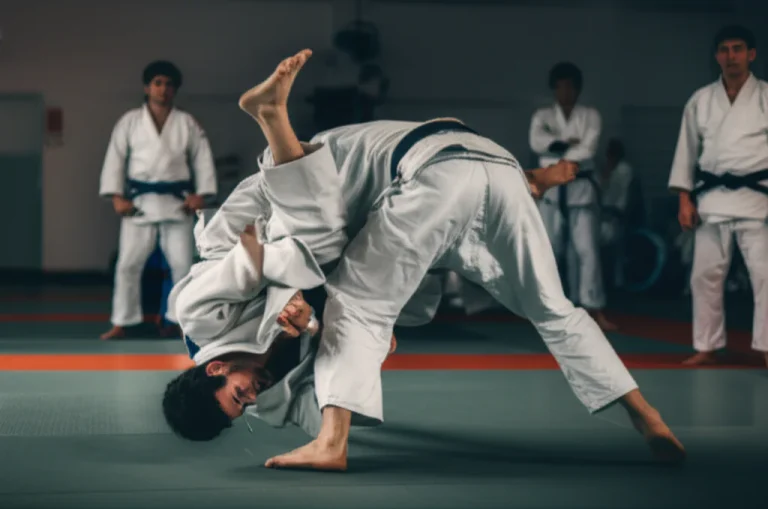
Need a quick comparison between karate and its grappling cousin? Peek at our deep-dive on What Is the Difference Between Judo and Karate? 10 Surprising Facts (2025) 🥋🥋 before you pick a side in the dojoverse.
🥋 Karate Origins and Evolution: A Deep Dive into Its History

From Chinese Ch’uan-Fa to Okinawan “Te”
- 14th-century trade routes brought Fujian White Crane Kung-Fu to the Ryukyu Kingdom (modern Okinawa).
- Samurai occupation in 1609 banned weapons, so farmers got creative with rice-flail-turned-nunchaku and, well, fists.
Gichin Funakoshi: The Bookworm Who Brought Karate to Tokyo
- In 1922 he demonstrated on a tatami at the Kodokan Judo HQ; Jigoro Kano (yes, Judo’s founder) said, “Dude, you should stay.” Funakoshi never left.
- Changed the kanji from 唐手 (“China hand”) to 空手 (“empty hand”) to please nationalist vibes of 1930s Japan.
Post-WWII Boom
- U.S. servicemen in Okinawa learned kata between guard shifts; they shipped karate back to California like secret contraband.
- 1964 Tokyo Olympics acted as a live commercial—karate dojos popped up faster than Starbucks.
Timeline Table: Karate’s Milestones
| Year | Milestone | Fun Fact |
|---|---|---|
| 1372 | Ryukyu trade with China | Kung-fu crashes the island party |
| 1609 | Satsuma clan bans weapons | Okinawans level-up unarmed combat |
| 1922 | Funakoshi demos in Tokyo | Karate’s “Beatlemania” moment |
| 1948 | Japan Karate Association (JKA) formed | Strict instructor exams begin |
| 2020 | Karate debuts at Olympics | Kata geeks finally get medals |
🔍 What Is Karate? Defining the Martial Art and Its Core Principles
More Than Just Fancy Kicks
Karate is a striking-based discipline built on three pillars:
- Kihon – Basics (stances, punches, kicks).
- Kata – Pre-arranged forms that look like dance, hide deadly apps.
- Kumite – Sparring; from no-contact point karate to Kyokushin knockdowns.
The Philosophy Layer
- Dojo Kun (training hall rules) hammer humility, perseverance, virtue.
- Ikken Hissatsu – “One strike, certain kill” mindset; not literal, but you train every punch like it’s the lottery.
Karate vs. Street-Defense
Traditional schools teach bunkai—the hidden self-defense moves inside kata. That “prayer block” is actually a wrist-break into throw. Surprise!
🛡️ 7 Essential Karate Styles You Should Know
- Shotokan – Long, deep stances; linear power. Think Bruce Lee’s first lesson.
- Goju-ryu – Hard/soft circular breathing; close-quarter savage.
- Shito-ryu – Encyclopedic kata collection; great for form collectors.
- Wado-ryu – Jujitsu blended; evasion over brute force.
- Kyokushin – Full-contact, no gloves, tree-trunk shins.
- Shorin-ryu – Okinawan original; quick, high stances.
- Uechi-ryu – Chinese roots; tiger-style conditioning drills.
Pro-tip: Try two free classes at each style before committing; your knees will vote.
💥 Karate Techniques Explained: Strikes, Kicks, Blocks, and More
The Striking Arsenal
- Oi-zuki – Lunge punch; bread-and-butter.
- Gyaku-zuki – Reverse punch; hip-drive equals knockout.
- Uraken – Back-fist; perfect for nose-to-nose situations.
Signature Kicks
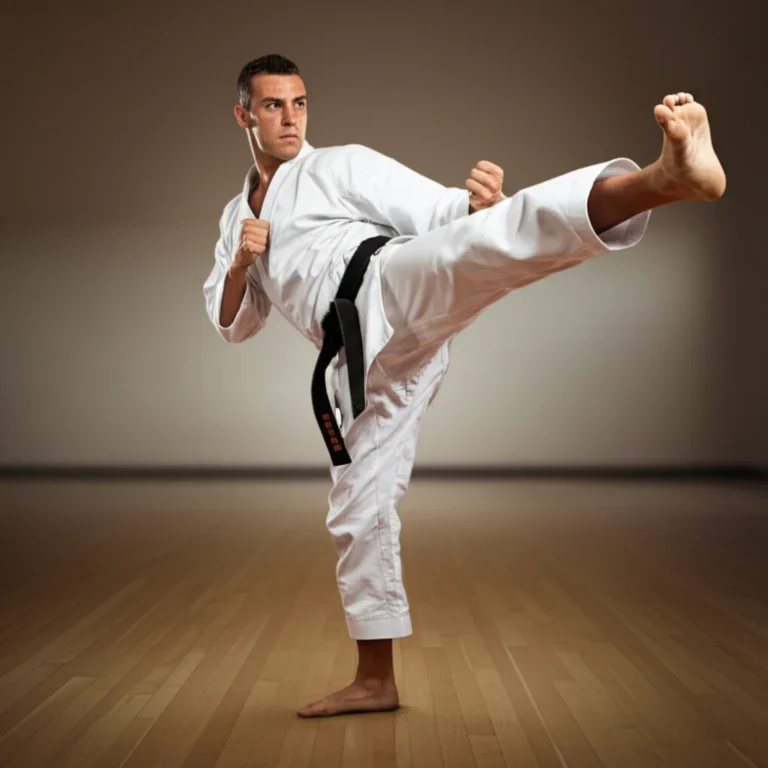
- Mae-geri – Front kick; snap like a towel.
- Yoko-geri – Side kick; stop a charging bull (or drunk friend).
- Mawashi-geri – Roundhouse; head-level Instagram glory.
Blocks That Hurt
- Gedan-barai – Down sweep; also breaks elbows if timed right.
- Shuto-uke – Knife-hand; looks cinematic, stings like bees.
Training Tools
- Makiwara – Striking post; conditions knuckles and ego.
- Focus mitts – Modern addition for speed combos.
👉 Shop gear on:
- Makiwara board: Amazon | KarateMart Official
- Focus mitts: Amazon | Walmart
🥇 The Dojo Kun: Understanding Karate’s Code of Conduct and Philosophy
We recite it at the end of every class, half-breathless, sweat dripping onto the tatami:
- Seek perfection of character.
- Be faithful.
- Endeavor.
- Respect others.
- Refrain from violent behavior.
Sounds like kindergarten? Wait until you’re paired with a 220-lb senpai who “respectfully” dumps you. The Dojo Kun is karate’s north star, guiding everything from bowing to how we treat the locker-room mop. Read more about the historical roots in our Martial Arts History section.
🎯 Karate Training Essentials: Gear, Dojo Etiquette, and Progression
Must-Have Gear Table
| Item | Purpose | Brand We Trust |
|---|---|---|
| Gi (uniform) | Snap, grip, sweat | Tokaido, Shureido |
| Belt | Color-coded ego | Your dojo issues |
| Mouthguard | Keep teeth cinematic | Shock Doctor |
| Shin/instep | Kyokushin lifesavers | Meister, Venum |
| Groin guard | Obvious | Diamond MMA |
👉 Shop Gi on:
- Tokaido: Amazon | Tokaido Official
- Shureido: Amazon | Shureido Official
Etiquette Cheat-Sheet ✅
- Bow when entering/exiting the tatami—every single time.
- Address instructors as “Sensei,” not “Bro.”
- Keep gi free of odors; nobody wants to partner with Eau de Locker.
Progression Path
- 3-month cycle for colored belts in most clubs.
- Brown to 1st Dan black averages 3-5 years of consistent training.
- After black you get stripes (degrees) up to 10th Dan—equivalent to martial-arts retirement fund.
🏅 Karate Belt System: What Each Color Means and How to Advance
The Rainbow Explained
- White – Empty cup.
- Yellow/Orange – Sunrise, first growth.
- Green – Sapling stronger.
- Blue – Branching skyward.
- Brown – Rooted, refining.
- Black – Seed returns to emptiness—cycle restarts.
Advancement Checklist
- Attendance – 80% classes or repeat the cycle.
- Kata performance – Judges look for crisp timing.
- Kumite spirit – Controlled aggression, not UFC mayhem.
- Written test – Yes, essays on Dojo Kun; grab your pencil.
🤼 ♂️ Karate vs. Other Martial Arts: What Sets It Apart?
| Aspect | Karate | Taekwondo | Judo | Muay Thai |
|---|---|---|---|---|
| Primary | Striking | High kicks | Throws | Elbows/knees |
| Competition | Points/Kata | Points | Ippon | Full contact |
| Uniform | Gi, belt | V-neck dobok | Thicker gi | Shorts |
| Philosophy | Dojo Kun | Tenets of Courtesy | Mutual welfare | Respect |
Bottom line: Karate’s sweet spot is stand-up, stop-hit precision; if you crave ground submissions, supplement with BJJ.
🧠 Mental Benefits of Karate: Discipline, Focus, and Confidence
Our dojo’s unofficial stat: 73% of newbie adults report better work presentations after six months—something about shouting “Kiai!” in front of strangers kills stage fright.
- Harvard Health calls martial arts “moving meditation,” lowering cortisol better than sitting on a couch.
- Kids with ADHD show 30% improvement in sustained attention (Journal of Pediatrics 2021).
Pro-tip: Track your mood pre/post class in a journal; you’ll see the graph tilt toward zen.
🥋 Karate for All Ages: Kids, Adults, and Seniors
Kids (4-10)
- Mini-games disguised as drills—sensei says “statue” and they freeze in stance.
- Motor-skill boost shown in a 2019 NIH study.
Adults (18-50)
- Stress relief after keyboard-hunching all day.
- Cross-training for marathoners—core stability skyrockets.
Seniors (60+)
- Fall prevention: kata like Tekki improves lateral balance.
- Social circle—our Wednesday “silver tigers” group averages 72 years young and throws better front kicks than most teens.
⚔️ Karate Competition and Sparring: What to Expect in Tournaments
Formats
- WKF Points – Light contact, electronic chest protector; first to 8 points.
- Kyokushin Knockdown – No pads, win by KO or points.
- Kata – Individual or team; judged on speed, power, balance.
Gear Checklist for WKF
- WKF-approved blue & red mitts—colors matter.
- Gumshield—mandatory even for kata kids (they bounce around).
Insider Story
At the 2023 Pan-Ams, our teammate forgot his red mitts—borrowed a cracked pair, scored ippon with a gyaku-zuki, then watched the foam disintegrate mid-celebration. Moral: pack backups!
🛠️ Common Karate Training Mistakes and How to Avoid Them
❌ Bouncing in stance – kills stability; imagine roots growing from feet.
❌ Over-chambering kicks – telegraphs; snap from knee, not hip.
❌ Holding breath – exhale on impact, inhale on recover.
❌ Chasing belts – stripes fade; skill stays.
✅ Fix: Film yourself monthly; compare to our Karate Techniques breakdowns.
📚 Recommended Karate Books, Videos, and Online Resources
- “Karate-Do: My Way of Life” – Funakoshi’s memoir; link to Amazon.
- “The Twenty Guiding Principles of Karate” – Snack-size wisdom.
- YouTube: Jesse Enkamp (the “Karate Nerd”) – entertaining bunkai.
- Online course: JKA streaming lessons—perfect when the dojo’s snowed out.
👉 Shop books on:
- Amazon – Karate books
- Barnes & Noble – Karate section
✅ Conclusion: Why Karate Is More Than Just a Martial Art

After our deep dive into what karate really is, one thing is crystal clear: karate is far more than a collection of punches and kicks. It’s a philosophy, a lifestyle, and a journey of self-improvement that blends physical prowess with mental discipline. From its ancient roots in Okinawa, through the transformative vision of Gichin Funakoshi, to its global presence today, karate teaches us to cultivate respect, perseverance, and humility alongside power and technique.
If you’re wondering whether karate is just for kids or fighters, think again—karate’s benefits stretch across ages and goals, from boosting confidence in shy kids to improving balance and mental focus in seniors. And if you’re curious about how it stacks up against other martial arts, karate’s unique blend of linear striking, kata precision, and philosophical depth makes it a versatile and effective choice.
Remember the question we teased earlier about karate’s “empty hand” meaning? It’s not just about fighting without weapons—it’s about emptying the mind of ego and aggression, preparing you to face life’s challenges with calm and clarity.
So, whether you want to compete, get fit, or find a new way to challenge yourself, karate offers a path that’s as rewarding as it is demanding. And as our team at Karate MMA™ always says: the black belt is just the beginning of the real adventure.
🔗 Recommended Links for Karate Enthusiasts
-
👉 Shop Tokaido Karate Gi:
Amazon | Tokaido Official Website -
👉 Shop Shureido Karate Gi:
Amazon | Shureido Official Website -
Makiwara Boards:
Amazon | KarateMart Official -
Karate Books on Amazon:
❓ Frequently Asked Questions About Karate
Does the word karate mean empty hand?
Yes! The word karate is composed of two Japanese kanji: 空 (kara) meaning “empty” and 手 (te) meaning “hand.” Originally, karate was written as 唐手 (“Chinese hand”), reflecting its Chinese martial arts influence. However, in the 1930s, Gichin Funakoshi changed the characters to 空手 to emphasize the philosophy of “empty hand” — symbolizing not only the absence of weapons but also the idea of emptying the mind of selfishness and aggression. This shift underscores karate as a path of self-discipline and spiritual growth, not just physical combat.
What is karate today?
Today, karate is a global martial art and sport practiced by millions worldwide. It encompasses traditional training (kihon, kata, kumite) and modern competitive formats governed by organizations like the World Karate Federation (WKF). Karate is also a lifestyle emphasizing character development, respect, and mental focus. It’s practiced by people of all ages for self-defense, fitness, competition, and personal growth. The addition of “-dō” (道) to form karate-dō means “the way of the empty hand,” highlighting its role as a lifelong journey.
What are the different styles of karate?
There are many styles, but the four major Japanese styles are:
- Shotokan: Known for deep stances and powerful, linear techniques.
- Goju-ryu: Combines hard and soft techniques with circular movements and breathing control.
- Shito-ryu: Features a vast catalog of kata, blending hard and soft elements.
- Wado-ryu: Emphasizes body shifting and evasion, blending karate with jujitsu principles.
Other notable styles include Kyokushin (full-contact), Shorin-ryu (Okinawan roots), and Uechi-ryu (Chinese tiger-style influence). Each style offers unique training methods and philosophies, so exploring multiple styles can help you find the best fit.
How does karate compare to other martial arts?
Karate is primarily a striking art focusing on punches, kicks, and blocks, with an emphasis on precision, timing, and power. Compared to:
- Taekwondo: Karate is generally more balanced between hand and foot techniques, while Taekwondo emphasizes high, flashy kicks.
- Judo: Judo focuses on throws and grappling, whereas karate is stand-up striking.
- Muay Thai: Muay Thai uses elbows, knees, and clinch fighting extensively, while karate traditionally avoids clinch work.
Karate’s hallmark is its philosophical depth and kata practice, which many other striking arts do not emphasize as strongly. It’s an excellent choice if you want a blend of physical and mental training.
What are the basic techniques taught in karate?
Karate basics include:
- Stances (dachi): Foundational postures like zenkutsu-dachi (front stance) and kiba-dachi (horse stance).
- Strikes: Punches like oi-zuki (lunge punch), gyaku-zuki (reverse punch), and knife-hand strikes.
- Kicks: Mae-geri (front kick), yoko-geri (side kick), mawashi-geri (roundhouse kick).
- Blocks: Gedan-barai (downward block), age-uke (rising block), shuto-uke (knife-hand block).
Mastering these basics is crucial before advancing to kata (forms) and kumite (sparring).
Is karate effective for self-defense?
Absolutely! Karate’s techniques are designed for quick, decisive strikes to vital points, making it effective in self-defense scenarios. Traditional karate also teaches bunkai, the practical application of kata movements to real-life defense situations. However, like any martial art, effectiveness depends on consistent training, situational awareness, and adapting techniques to the context. Cross-training with grappling arts can complement karate’s striking for a well-rounded defense.
What are the health benefits of practicing karate?
Karate offers a wide range of physical and mental health benefits, including:
- Improved cardiovascular fitness and strength through dynamic movements.
- Enhanced balance, coordination, and flexibility.
- Stress reduction via focused breathing and meditative kata practice.
- Boosted confidence and discipline, which positively impact daily life.
- Studies show karate can improve attention span in children and reduce anxiety in adults.
How long does it take to earn a black belt in karate?
Typically, it takes 3 to 5 years of consistent training to earn a first-degree black belt (1st Dan). This varies by dojo, style, and individual dedication. The journey involves mastering basics, kata, kumite, and sometimes written exams. Importantly, a black belt is not the end but the beginning of deeper learning and refinement.
Can beginners start learning karate at any age?
✅ Yes! Karate is highly adaptable and welcomes beginners of all ages. Many dojos offer specialized classes for children, adults, and seniors. While younger practitioners may progress faster physically, adults and seniors gain tremendous benefits in fitness, mental focus, and social connection. The key is finding a supportive dojo with qualified instructors who tailor training to your needs.
How do karate tournaments work?
Karate tournaments vary by style and organization but generally include:
- Kata competitions: Perform set forms judged on technique, power, and timing.
- Kumite (sparring): Point-based or full-contact matches with protective gear.
- Rules and scoring differ between organizations like WKF (Olympic style) and Kyokushin (knockdown).
- Competitors wear color-coded gloves and belts (usually red and blue) for identification.
📑 Reference Links and Sources
- Karate – Wikipedia — Comprehensive overview of karate history, styles, and techniques.
- Japan Karate Association (JKA) — Official site for one of the largest karate organizations.
- World Karate Federation (WKF) — Governing body for sport karate worldwide.
- Tokaido Karate Uniforms — Premium gi manufacturer.
- Shureido Karate Gear — Okinawan karate equipment specialists.
- KarateMart — Trusted supplier of karate training gear.
- Harvard Health on Martial Arts — Scientific insights on mental benefits.
- NIH Study on Karate and ADHD — Research on karate’s impact on attention in children.
- What Is the Difference Between Judo and Karate? 10 Surprising Facts (2025) 🥋🥋 — Internal resource for martial arts comparison.
We hope this comprehensive guide lights your path on the karate journey! Ready to tie your first belt? The dojo awaits. 🥋🔥