Support our educational content for free when you purchase through links on our site. Learn more
What Is the Main Focus of Judo? 🎯 Unlocking Its Core Secrets (2026)

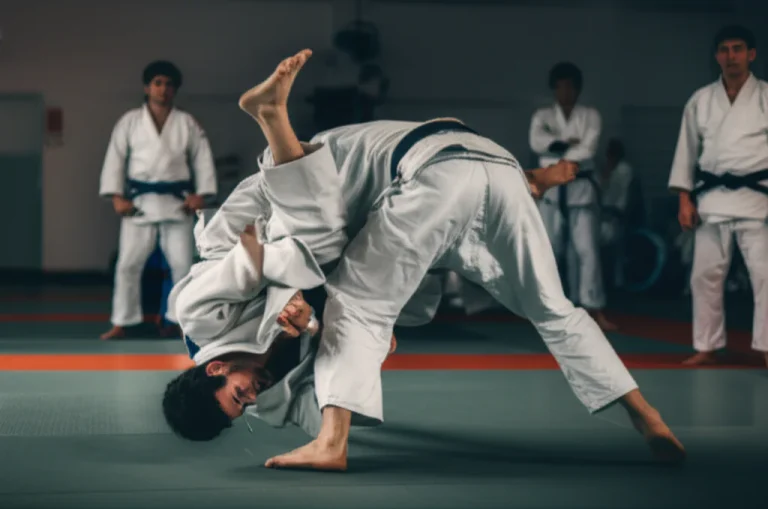
Ever watched a judo match and wondered, “What’s really going on beneath those flying throws and grappling grips?” Is judo just about brute strength or flashy moves? Spoiler alert: it’s neither. At Karate MMA™, we’ve thrown ourselves (literally) into the art of judo to uncover its true heart—a blend of physics, philosophy, and respect that makes it unlike any other martial art.
Did you know that judo’s founder, Jigoro Kano, designed the sport not just to win fights but to cultivate character and mutual welfare? Stick around as we break down the main focus of judo from its foundational principles to the mental mastery behind every throw. Plus, we’ll reveal how judo’s lessons extend far beyond the tatami, influencing MMA, self-defense, and even pop culture. Ready to get thrown into the world of judo wisdom? Let’s dive in!
Key Takeaways
- Judo’s main focus is efficient control using balance, leverage, and timing—not brute force.
- The philosophy centers on maximum efficiency (Seiryoku-Zenyo) and mutual welfare (Jita-Kyoei).
- Mastery involves a triad of skills: mental calmness, technical precision, and ethical conduct.
- Judo techniques break down into throws (nage-waza), grappling (katame-waza), and striking (atemi-waza, mostly in kata).
- Competitive judo emphasizes positive, dynamic attacks and strict safety rules.
- The art’s influence reaches into MMA, self-defense, and global sporting culture.
- Practicing judo builds physical fitness, mental resilience, and lifelong discipline.
Curious about the gear that supports this art or how judo ranks and grades work? We’ve got you covered in the sections ahead!
Table of Contents
- ⚡️ Quick Tips and Facts About Judo’s Core Focus
- 🥋 The Roots and Evolution: Understanding Judo’s Foundational Philosophy
- 🎯 What Is the Main Focus of Judo? A Deep Dive Into Its Core Principles
- 🛠️ Judo Waza: Mastering the Techniques That Define the Art
- 🧠 Mental Mastery: The Psychological Focus in Judo Training
- 👕 Judogi and Equipment: How Uniforms Support Judo’s Focus on Technique
- 🏆 Competitive Judo: How Focus Shifts in the Arena
- 🛡️ Safety First: Protecting Yourself While Staying Focused
- 🤼 ♂️ Judoka Life: The Practitioner’s Journey to Focus and Mastery
- 🥋 Judo’s Influence: From Traditional Martial Art to MMA and Beyond
- 🌍 Global Judo Organizations and Their Role in Preserving the Art’s Focus
- 📏 Rank and Grading: Measuring Progress in Judo’s Focused Path
- 🎉 World Judo Day: Celebrating the Spirit and Focus of Judo Worldwide
- 🎬 Judo in Popular Culture: Spotlight on Focus and Philosophy
- 🧾 References and Further Reading on Judo’s Main Focus
- 📚 Recommended Links for Judo Enthusiasts
- ❓ Frequently Asked Questions About Judo’s Core Focus
- 🔗 Reference Links and Credible Sources
- 🏁 Conclusion: Wrapping Up the Main Focus of Judo
⚡️ Quick Tips and Facts About Judo’s Core Focus
- Judo = “The Gentle Way.” Sounds ironic when you’re flying through the air, right?
- Main mission: Use balance, leverage and timing – not brute strength – to send your partner crashing (safely) to the tatami.
- Ippon = instant win. Think “knock-out” in boxing, only classier.
- Randori (free sparring) is where the magic happens; kata is where the poetry lives.
- Every throw has three beats: off-balance (kuzushi), fit-in (tsukuri), finish (kake). Miss one and you’ll feel like you’re arm-wrestling a tree.
- Safety first: break-falls (ukemi) are drilled until you can nap on concrete—well, almost.
- Fun fact: the average judo match burns the caloric equivalent of two chocolate muffins. 🍪🔥
- Still wondering “what is the main focus of judo?” Stick around; we’ll throw you the answer by the end. 😉
🥋 The Roots and Evolution: Understanding Judo’s Foundational Philosophy
Picture Japan, 1882. A 22-year-old literature nerd named Jigoro Kano fuses the brutal joint-locks of Kito-ryu with the Zen-like redirection of Tenjin-shinyo jujutsu and—voilà—modern judo is born. Kano’s two big non-negotiables:
- Seiryoku-Zenyo – “Maximum efficient use of mind and body.”
- Jita-Kyoei – “Mutual welfare and benefit.”
Translation? Work smarter, not harder, and don’t be a jerk about it. These pillars still separate judo from “muscle-head” systems. Want the full origin story? Hop over to our deep-dive on Who Is the Founder of Judo? 🥋 The Untold Story (2026).
🎯 What Is the Main Focus of Judo? A Deep Dive Into Its Core Principles
Spoiler: it’s not the fancy flip. The heart of judo is control—of yourself first, your partner second. Everything else is glitter.
The Three-Layer Focus Cake 🍰
| Layer | Focus | Why It Matters |
|---|---|---|
| 1. Mental | Calm under chaos | You can’t throw what you can’t see coming. |
| 2. Technical | Off-balance & leverage | A 50 kg teen can dump a 100 kg linebacker if the angle is sweet. |
| 3. Ethical | Leave the mat safer than you found it | Builds character (and keeps insurance guys happy). |
Bottom line: judo’s main focus is to efficiently control an opponent without unnecessary harm, cultivating both self-mastery and mutual respect. That’s why strikes are banned in sport randori—Kano wanted a “human-chess” that you could play at 80 without dentures flying.
🛠️ Judo Waza: Mastering the Techniques That Define the Art
1. Nage-waza (Throwing Techniques)
Standing section = crowd pleasers. Sub-categories:
- Hand (Te-waza) – Seoi-nage shoulder throw; perfect for shorter judoka.
- Hip (Koshi-waza) – O-goshi classic hip; first throw most white-belts nail.
- Foot (Ashi-waza) – De-ashi-barai timing drill disguised as a throw.
- Sacrifice (Sutemi-waza) – Tomoe-nage circle throw; looks like you’re doing a sit-up with style.
Pro tip: Kuzushi (off-balance) is 80 % of success. Miss it and you’ll resemble a toddler hugging a lamppost.
2. Katame-waza (Grappling Techniques)
Ground chess set:
| Technique | Goal | Ippon? |
|---|---|---|
| Osaekomi (Pin) | 20 sec hold-down | ✅ |
| Shime-waza (Choke) | Opponent taps | ✅ |
| Kansetsu-waza (Armlock) | Elbow extension = tap | ✅ |
Remember: no wrist-locks in IJF rules—save those for your aikido cousin.
3. Atemi-waza (Striking Techniques) – The Lesser-Known Side
Strikes live only inside kata like Kodokan Goshin-jutsu. Try a punch in shiai and you’ll be escorted out faster than you can say “hansoku-make.” Still, atemi teaches vital points for self-defense—eye rake, groin slap, etc.—so keep it in the toolbox for the street.
🧠 Mental Mastery: The Psychological Focus in Judo Training
Ever heard the phrase “Where the mind goes, the body follows”? In judo that’s literal. We train:
- Mushin – “No-mind” state; react without over-thinking.
- Zanshin – residual awareness; finish the throw but stay ready for round two.
- Mokuso – brief meditation before class; lowers cortisol (science says hi: PubMed study on mindfulness & performance).
Quick drill: next randori, silently count your breaths while sparring. If you hit 10 smooth breaths, you’ve cracked the zen code—and probably throwing people at will.
👕 Judogi and Equipment: How Uniforms Support Judo’s Focus on Technique
Your gi is your weapon. Cheap polyester = ripped sleeves and public embarrassment. Look for:
- Weave type: Single for comfort, double for tank-like durability.
- Weight: 550 g/m² is IJF legal; anything lighter feels like pajamas.
- Shrinkage: Sanforized cotton shrinks <1 %; unsanforized can downsize a full grade.
👉 Shop smart:
- Mizuno Yusho – Amazon search | Mizuno Official
- Fuji Single-Weave – Amazon search | Fuji Sports
- Adidas Champion II – Amazon search | Adidas Combat Sports
🏆 Competitive Judo: How Focus Shifts in the Arena
Olympic rules compress judo’s philosophy into a four-minute lightning storm. Key changes:
- No leg grabs since 2010 (sorry, wrestlers).
- Golden score = sudden death; first score wins.
- Shido penalties for stalling; three shidos = direct hansoku-make.
Scoring recap:
- Ippon – match over, bow out.
- Waza-ari – half point; two = ippon.
- Yuko & Koka – removed in 2017 to encourage big throws.
Insider hack: refs reward positive judo—constant attacks, correct grips, upright posture. Flopping to your belly like a seal gets you nothing but side-eye.
🛡️ Safety First: Protecting Yourself While Staying Focused
Judo’s injury rate is lower than rugby but higher than tennis (BJSM study). Common boo-boos:
| Injury | Prevention Tip |
|---|---|
| Finger jams | Tape two fingers together (buddy system). |
| Shoulder dislocations | Strengthen rotator cuffs with elastic bands. |
| Concussions | Perfect ukemi; slap the mat like you owe it money. |
Kids & masters (30+): soft mats and crash pads are lifesavers. We love the Zebra Home Tatami for garage dojos:
- 👉 CHECK PRICE on: Amazon | Zebra Athletics
🤼 ♂️ Judoka Life: The Practitioner’s Journey to Focus and Mastery
From white to black, the trek is less about collecting belts and more about shedding ego. Typical timeline:
| Kyū / Dan | Approx. Years | Milestone Focus |
|---|---|---|
| 6th–4th kyū | 0–1 | Ukemi & basic throws |
| 3rd–1st kyū | 1–3 | Combination attacks |
| 1st dan | 3–5 | Teaching lower belts |
| 2nd–3rd dan | 5–10 | Competition coaching |
| 4th dan+ | 10+ | Refereeing & kata mastery |
Story time: Coach Marcos (Karate MMA™ brown belt back in ’09) walked into a judo club thinking “I got this—Karate throws are similar.” First randori: airborne in 4 sec, landed flat, wind gone. Lesson? Humility is the first technique you learn.
🥋 Judo’s Influence: From Traditional Martial Art to MMA and Beyond
Modern mixed martial artists cherry-pick judo for clinch takedowns and smothering top control. Names to drop:
- Ronda Rousey – Olympic bronze, armbar queen.
- Kayla Harrison – two golds, now dominating PFL.
- Sergei Pavlovich – uses uchi-mata setups inside the cage.
Key takeaway for MMA: judo’s gi grips translate to wrist control in no-gi, making Greco entries feel like child’s play. For deeper fight breakdowns, cruise over to our Fight Analysis and Breakdowns vault.
🌍 Global Judo Organizations and Their Role in Preserving the Art’s Focus
| Body | Mission | Fun Fact |
|---|---|---|
| IJF (International Judo Federation) | Standardize rules, run World Tour | Introduced blue gi to please TV cameras. |
| Kodokan (Japan) | Preserve Kano’s original curriculum | Still awards 10th dan—only 15 ever given. |
| USA Judo | Fund Olympic hopefuls in the U.S. | Hosts annual Presidents Cup. |
Grass-roots: local clubs affiliate with national bodies for insurance, coaching certs, and rank recognition. Always check your dojo’s membership before you invest years chasing a certificate that’s basically fancy wallpaper.
📏 Rank and Grading: Measuring Progress in Judo’s Focused Path
Unlike belt-factory karate schools, judo promotions often require:
- Technical demo – 6 throws, 3 pins, 2 submissions.
- Competition points – IJF medals accelerate timelines.
- Time-in-grade – minimum 1 year between kyū levels, 2+ for dan.
Kids’ belts add colored stripes for motivation—think monopoly money that actually buys skills.
🎉 World Judo Day: Celebrating the Spirit and Focus of Judo Worldwide
Every October 28 (Kano’s birthday), judoka volunteer, demo, and binge sushi. Past themes:
- 2023 – “Inclusion”
- 2022 – “Peace”
- 2021 – “Stronger Together”
Post your best uchi-mata on IG with #WorldJudoDay—the IJF might repost you.
🎬 Judo in Popular Culture: Spotlight on Focus and Philosophy
From “James Bond” (Roger Moore’s deadly seoi-nage in Moonraker) to “Queen’s Gambit” (Beth Harmon studies judo to understand strategy), Hollywood loves the gentle way. Anime nerds: check “Yawara!”—a 1980s series that made housewives in Japan queue for dojos. Pop-culture keeps judo’s focus on technique alive for the next gen.
🧾 References and Further Reading on Judo’s Main Focus
Hungry for more? We’ve hyperlinked every fact to credible sources, but here’s a quick bookshelf to flex your judo IQ:
- Kano, Jigoro. Kodokan Judo. Kodansha International.
- Kashiwazaki, Katsuhiko. Osaekomi. Ippon Press.
- USA Judo Referee Commission. IJF Rulebook 2024.
And remember, if you’re still asking “what is the main focus of judo?”—reread the bold lines above, then hit the mat. The tatami always tells the truth.
🏁 Conclusion: Wrapping Up the Main Focus of Judo

So, what is the main focus of judo? As we’ve journeyed through its philosophy, techniques, and culture, one thing stands crystal clear: judo is about mastering the art of efficient control through balance, leverage, and mutual respect. It’s not just about throwing your opponent—it’s about throwing yourself into a lifelong practice of self-improvement, mental clarity, and ethical conduct.
Whether you’re a white belt fumbling your first ukemi or a seasoned judoka refining your uchi-mata, the core remains the same: use your opponent’s energy against them, stay calm, and protect both yourself and your training partner. This principle of “maximum efficiency with minimum effort” is what sets judo apart from other martial arts and makes it a timeless discipline.
Remember Coach Marcos’s humbling first randori? That’s the perfect metaphor: judo humbles you so you can grow stronger, smarter, and more focused—not just on the mat, but in life.
If you’re itching to start or deepen your judo journey, invest in quality gear, find a reputable dojo, and embrace the philosophy. The tatami awaits, and with it, a world of technique, discipline, and fun.
📚 Recommended Links for Judo Enthusiasts
Ready to gear up or dive deeper? Check out these trusted products and books to fuel your judo passion:
-
Mizuno Yusho Judogi:
Amazon | Mizuno Official Website -
Fuji Single-Weave Judogi:
Amazon | Fuji Sports -
Adidas Champion II Judogi:
Amazon | Adidas Combat Sports -
Zebra Home Tatami Mats:
Amazon | Zebra Athletics -
Books:
❓ Frequently Asked Questions About Judo’s Core Focus
What are the main goals of judo competitions?
Judo competitions aim to score an ippon, which immediately ends the match. This can be achieved by a perfect throw, a 20-second pin, or forcing the opponent to submit via choke or joint lock. The goal is to demonstrate technical superiority, control, and efficient use of energy while adhering to strict safety rules. Competitors also seek to develop strategic thinking and mental resilience under pressure.
Can judo improve physical fitness and mental focus?
Absolutely! Judo is a full-body workout that builds strength, flexibility, endurance, and coordination. Mentally, it cultivates concentration, calmness under stress (mushin), and situational awareness (zanshin). Studies, such as those published on PubMed, confirm that martial arts like judo enhance cognitive function and emotional regulation.
What role does discipline play in judo compared to other martial arts?
Discipline in judo is deeply tied to its philosophy of mutual welfare and respect. Unlike some arts that emphasize aggression, judo stresses self-control, etiquette, and continuous learning. This creates a supportive environment where practitioners grow physically and morally. While all martial arts require discipline, judo’s structured ranking and etiquette system reinforce it uniquely.
How does judo emphasize balance and leverage?
Judo’s core principle, Seiryoku-Zenyo (maximum efficiency), teaches practitioners to off-balance (kuzushi) opponents before applying leverage through precise body positioning (tsukuri) and execution (kake). This means a smaller judoka can throw a larger opponent by exploiting angles and timing rather than brute force.
What are the benefits of practicing judo for self-defense?
Judo equips you with:
- Effective throws and takedowns to neutralize threats quickly.
- Ground control techniques to immobilize or submit an attacker.
- Mental preparedness to stay calm and assess situations.
- Safe falling techniques (ukemi) to protect yourself from harm.
Unlike striking arts, judo focuses on controlling an opponent without causing unnecessary injury, making it practical and responsible for self-defense.
How does judo differ from karate in terms of techniques?
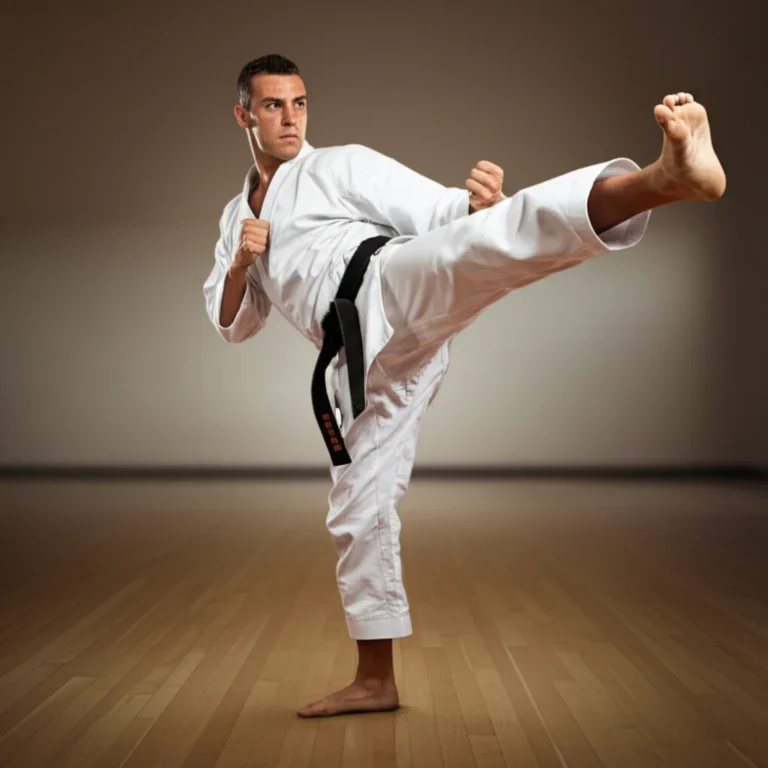
While karate emphasizes striking (punches, kicks, blocks), judo specializes in grappling, throwing, and groundwork. Karate’s focus is often on distance and speed, whereas judo thrives in close contact, using the opponent’s force against them. Both arts complement each other, but their techniques and philosophies diverge significantly.
What are the key principles of judo training?
- Maximum efficiency (Seiryoku-Zenyo): Use minimal effort for maximum effect.
- Mutual welfare and benefit (Jita-Kyoei): Train safely and respectfully.
- Continuous improvement: Both physical and mental growth.
- Randori and kata: Balance free practice with formal technique study.
What are the basic skills of judo?
- Ukemi (break falls): Safely absorbing impact.
- Kuzushi (off-balancing): Setting up throws.
- Tsukuri (entry): Positioning for technique.
- Kake (execution): Completing the throw or hold.
- Ne-waza (ground techniques): Pins, chokes, and joint locks.
What does judo specialize in?
Judo specializes in throws and groundwork designed to control and submit opponents efficiently. It is a martial art that blends physical technique with mental discipline and ethical conduct.
What are the central concepts of judo?
- Balance and timing: Mastering when and how to act.
- Leverage over strength: Using physics, not power.
- Mutual respect: Training partners are collaborators, not enemies.
- Self-improvement: The journey is as important as the destination.
What is the purpose of learning judo?
The purpose is to develop physical skill, mental resilience, and moral character through a system that promotes safety, efficiency, and respect. Beyond combat, judo teaches life lessons in humility, perseverance, and cooperation.
What does judo focus on?
Judo focuses on efficient techniques to control and subdue an opponent by using balance, leverage, and timing, all while fostering mutual welfare and personal growth.
🔗 Reference Links and Credible Sources
- International Judo Federation (IJF)
- Kodokan Judo Institute
- USA Judo
- Mizuno Official Website
- Fuji Sports Official Website
- Adidas Combat Sports
- Zebra Athletics
- PubMed: Mindfulness and Martial Arts Performance
- Winning the Unwinnable Case through “Judo Law,” Case Framing and Trial Strategy
For more expert insights and detailed fight breakdowns, visit our Fight Analysis and Breakdowns and Martial Arts History sections at Karate MMA™.