Support our educational content for free when you purchase through links on our site. Learn more
🥋 What Is the Hardest Martial Art to Learn? Top 5 Ranked (2026)


Ever wondered which martial art will truly push you to your limits? Whether you’re a curious beginner or a seasoned fighter, the quest to find the hardest martial art to learn is filled with surprises. From the intricate ground battles of Brazilian Jiu-Jitsu to the relentless conditioning of Muay Thai, each style challenges your body and mind in unique ways.
At Karate MMA™, we’ve trained across multiple disciplines and uncovered that the hardest martial art isn’t just about technique—it’s about mental grit, physical endurance, and the quality of your instruction. Stick around as we rank the top 5 toughest martial arts, reveal how long it takes to master them, and share insider tips to help you conquer your chosen path. Plus, discover why your instructor might be the secret weapon in your journey!
Did you know the average time to earn a BJJ black belt is nearly a decade? That’s just the beginning of the story…
Key Takeaways
- Brazilian Jiu-Jitsu tops the list for difficulty due to its complex techniques and live sparring demands.
- Muay Thai’s brutal conditioning and striking power make it physically one of the toughest arts.
- Kung Fu’s vast forms and internal energy focus require patience and lifelong dedication.
- Krav Maga challenges your psychological resilience with real-world combat scenarios.
- Capoeira blends dance and fight, demanding exceptional coordination and rhythm.
- The quality of your instructor and training environment can be more important than the martial art itself.
- Expect years of consistent training to truly master any of these arts—patience is key!
Ready to find out which martial art will challenge you the most? Let’s dive in!
Table of Contents
- ⚡️ Quick Tips and Facts About the Hardest Martial Arts to Learn
- 🥋 The Evolution and Origins of the Most Challenging Martial Arts
- 🔍 Decoding Difficulty: What Really Makes a Martial Art Hard to Master?
- 1️⃣ Brazilian Jiu-Jitsu: Is It the Ultimate Challenge in Martial Arts?
- ⏳ The Journey: How Long Does It Take to Master Brazilian Jiu-Jitsu?
- 💪 Physical and Mental Demands of Brazilian Jiu-Jitsu Training
- 2️⃣ Muay Thai and Its Intense Conditioning: A Fighter’s Perspective
- 3️⃣ Kung Fu Styles: Complexity and Discipline in Traditional Martial Arts
- 4️⃣ Krav Maga: Real-World Combat Skills and Psychological Toughness
- 5️⃣ Capoeira: The Dance-Fight Fusion That Tests Coordination and Rhythm
- 📊 Comparing Martial Arts by Difficulty, Focus, and Learning Curve
- ⏱️ Progression Timelines: How Long Does It Take to Advance in Different Martial Arts?
- 👊 Why Your Instructor’s Expertise and Teaching Style Trump the Martial Art Itself
- 🏆 Train with a True GrandMaster: Experience Elite Martial Arts Training in Oak Park, IL
- 💬 Real Stories: Testimonials from Martial Artists Who Conquered the Hardest Styles
- ❓ Frequently Asked Questions About the Hardest Martial Arts to Learn
- 🔚 Final Thoughts: What’s the Hardest Martial Art for You?
- 🔗 Recommended Resources and Links for Martial Arts Enthusiasts
- 📚 Reference Links and Further Reading on Martial Arts Difficulty
⚡️ Quick Tips and Facts About the Hardest Martial Arts to Learn
Welcome to the ultimate deep dive into the question that’s been puzzling martial artists and enthusiasts alike: What is the hardest martial art to learn? At Karate MMA™, we’ve trained, taught, and sparred across multiple disciplines, and we’re ready to share the inside scoop with you. Whether you’re a curious beginner or a seasoned fighter, these quick tips and facts will set the stage for your journey.
Quick Facts to Kickstart Your Knowledge
- Brazilian Jiu-Jitsu (BJJ) is widely regarded as the hardest martial art to master due to its complex ground techniques, slow belt progression, and intense live sparring.
- The average time to a BJJ black belt is 8 to 10 years, often longer depending on the school and dedication.
- Other martial arts like Muay Thai, Kung Fu, Krav Maga, and Capoeira also present unique challenges that test different physical and mental skills.
- Difficulty depends on physical demands, technical complexity, mental discipline, and training environment.
- The quality of your instructor can make or break your progress more than the martial art itself.
Why Does Difficulty Matter?
Understanding what makes a martial art hard helps you pick the right style for your goals and personality. Are you looking for a mental challenge? A physical grind? Or a blend of both? Keep these questions in mind as we explore the contenders.
Did You Know?
- According to the International Brazilian Jiu-Jitsu Federation (IBJJF), the average time to black belt is nearly a decade!
- Muay Thai fighters often train six days a week, focusing on conditioning and clinch work that can break down even the toughest athletes.
- Traditional Kung Fu styles can involve hundreds of forms (katas), requiring years to memorize and perfect.
Ready to unravel the mystery? Let’s jump into the rich history and evolution of these demanding martial arts.
🥋 The Evolution and Origins of the Most Challenging Martial Arts
Martial arts are more than just fighting systems—they’re living traditions shaped by culture, history, and survival needs. To understand why some are harder to learn, we need to look at their origins and how they evolved.
Brazilian Jiu-Jitsu: From Japan to Brazil’s Backyards
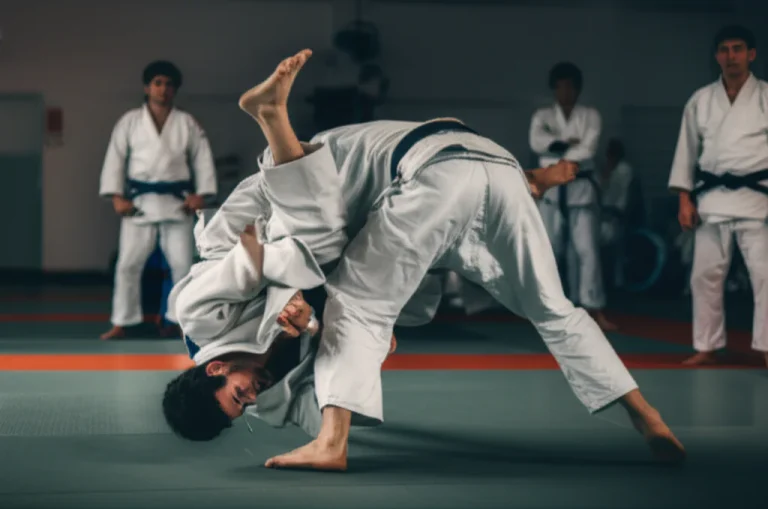
BJJ traces its roots to Japanese Judo and Jujutsu, brought to Brazil by Mitsuyo Maeda in the early 1900s. The Gracie family refined it into a ground-fighting art emphasizing leverage and technique over brute strength. The art’s complexity comes from its vast array of submissions, positional strategies, and live resistance training. This evolution created a system that demands both physical endurance and mental chess-like thinking.
Muay Thai: The Art of Eight Limbs
Originating in Thailand, Muay Thai is a striking art that uses fists, elbows, knees, and shins. It developed as a battlefield art and later a sport, emphasizing power, conditioning, and clinch control. The grueling training and the need to withstand and deliver heavy strikes make it physically and mentally taxing.
Kung Fu: The Ancient Chinese Legacy
Kung Fu is an umbrella term for hundreds of Chinese martial arts styles, each with unique philosophies and techniques. Some styles focus on fluid, animal-inspired movements, while others emphasize hard strikes or internal energy cultivation. Mastery requires memorizing complex forms, developing flexibility, and honing precise timing.
Krav Maga: Survival in Seconds
Developed for the Israeli military, Krav Maga is a no-nonsense self-defense system designed to neutralize threats quickly. It combines strikes, grappling, and weapon defenses with a focus on real-world scenarios. Its difficulty lies in the psychological toughness and rapid decision-making under pressure.
Capoeira: The Dance of Combat
Capoeira blends martial arts, dance, and acrobatics from Afro-Brazilian roots. Its unique rhythm and flow demand exceptional coordination, balance, and agility. Learning Capoeira is like learning a new language—your body becomes the instrument.
For more on martial arts history and evolution, check out our Martial Arts History category.
🔍 Decoding Difficulty: What Really Makes a Martial Art Hard to Master?
Before we crown a champion, let’s break down the factors that make a martial art challenging. It’s not just about how many techniques you learn—there’s a lot more under the hood.
1. Physical Demands
- Strength and Conditioning: Some arts require explosive power (Muay Thai), others endurance (BJJ).
- Flexibility and Agility: Taekwondo and Kung Fu demand high flexibility and fluid movement.
- Coordination and Balance: Capoeira and traditional forms require precise body control.
2. Technical Complexity
- Number of Techniques: BJJ has hundreds of submissions and transitions; Kung Fu has dozens of forms.
- Precision and Timing: Judo throws and Aikido joint locks require perfect timing.
- Adaptability: Krav Maga’s unpredictability demands quick thinking and improvisation.
3. Mental Discipline
- Patience and Perseverance: BJJ’s slow belt progression tests your commitment.
- Focus and Awareness: Striking arts require split-second decision-making.
- Emotional Control: Managing fear and frustration is crucial in real combat scenarios.
4. Training Environment
- Instructor Quality: A skilled teacher accelerates learning and prevents bad habits.
- Sparring Intensity: Live resistance training (rolling in BJJ, clinching in Muay Thai) raises difficulty.
- Community Support: A positive, motivating environment helps maintain discipline.
Difficulty Comparison Table
| Factor | Brazilian Jiu-Jitsu | Muay Thai | Kung Fu | Krav Maga | Capoeira | Karate |
|---|---|---|---|---|---|---|
| Physical Demand | High | Very High | Moderate | High | High | Moderate |
| Technical Complexity | Very High | Moderate | High | Moderate | High | Moderate |
| Mental Discipline | Very High | High | High | Very High | Moderate | Moderate |
| Training Environment | Critical | Critical | Critical | Critical | Critical | Critical |
1️⃣ Brazilian Jiu-Jitsu: Is It the Ultimate Challenge in Martial Arts?
If you’ve ever stepped on the mats at a BJJ gym, you know it’s a whole different beast. The martial artists at Karate MMA™ agree: BJJ’s complexity and live sparring make it arguably the hardest to learn.
Why BJJ Stands Out
- Live Resistance Training: Unlike forms or drills, BJJ involves rolling with a resisting opponent, forcing you to think and react in real time.
- Technical Depth: From guard passes to submissions, every move has countless variations and counters.
- Slow Belt Progression: Earning a black belt can take over a decade, requiring consistent effort and growth.
Personal Story: Our Head Instructor’s BJJ Journey
Our lead instructor, who started as a Karate specialist, recalls his first BJJ class: “I thought I was in good shape until I rolled with a blue belt. I was tapped out in minutes! The learning curve was brutal, but that’s what hooked me.”
What Makes BJJ Hard?
- Mastering Body Mechanics: Understanding leverage, angles, and timing is essential.
- Mental Chess: Anticipating opponents’ moves and setting traps requires sharp focus.
- Physical Endurance: Matches can be exhausting, demanding cardiovascular and muscular stamina.
For more on BJJ techniques and training tips, visit our Karate and MMA News section.
⏳ The Journey: How Long Does It Take to Master Brazilian Jiu-Jitsu?
Patience is your best friend in BJJ. The International Brazilian Jiu-Jitsu Federation (IBJJF) sets strict guidelines for belt promotions, but individual progress varies.
Typical Timeline to Black Belt
| Belt Level | Average Time to Achieve | Key Challenges |
|---|---|---|
| White to Blue | 1–2 years | Learning fundamentals, surviving rolls |
| Blue to Purple | 2–3 years | Refining techniques, improving defense |
| Purple to Brown | 2–3 years | Mastering transitions and submissions |
| Brown to Black | 1–2 years | Polishing skills, competition readiness |
Factors Influencing Progress
- Training Frequency: More classes = faster improvement.
- Competition Experience: Testing skills under pressure accelerates learning.
- Instructor Feedback: Personalized coaching helps correct mistakes early.
Why It’s Worth the Wait
The slow progression ensures you build a solid foundation, preventing bad habits and injuries. As one of our students put it: “Every belt is earned, not given.”
💪 Physical and Mental Demands of Brazilian Jiu-Jitsu Training
BJJ is a full-body workout and a mental marathon. Here’s what you’re signing up for:
Physical Challenges
- Cardiovascular Endurance: Rolling sessions can last 5–10 minutes of nonstop effort.
- Muscular Strength: Core and grip strength are vital for control and submissions.
- Flexibility: Helps in escaping holds and executing techniques.
Mental Challenges
- Problem-Solving: Each roll is a puzzle to solve under pressure.
- Stress Management: Staying calm when trapped is crucial.
- Humility: Expect to get tapped out often—learning from failure is key.
Training Tip from Karate MMA™
Incorporate cross-training with strength and conditioning programs like StrongFirst kettlebell training to boost your physical resilience.
2️⃣ Muay Thai and Its Intense Conditioning: A Fighter’s Perspective
Muay Thai’s reputation as the “Art of Eight Limbs” comes with a price: intense physical conditioning and mental toughness.
What Makes Muay Thai Hard?
- High-Impact Striking: Conditioning your shins and body to absorb and deliver strikes is grueling.
- Clinching: Requires strength and technique to control opponents in close quarters.
- Training Volume: Fighters often train twice a day, six days a week.
Our Experience
One of our fighters recalls: “The first month was brutal. My shins were sore, and the cardio was killer. But the mental discipline I gained was priceless.”
Muay Thai vs. Other Striking Arts
Compared to Karate or Taekwondo, Muay Thai is more physically demanding but less focused on flashy kicks or forms. It’s about efficiency and power.
3️⃣ Kung Fu Styles: Complexity and Discipline in Traditional Martial Arts
Kung Fu’s beauty lies in its diversity and tradition, but that also makes it challenging.
Challenges in Kung Fu Training
- Forms Memorization: Some styles have over 100 forms, each with intricate movements.
- Internal Energy Cultivation: Styles like Wing Chun or Tai Chi require mastering “Qi” flow, which can take years.
- Flexibility and Balance: Many forms demand acrobatic skills and precise footwork.
Why Kung Fu Is a Marathon, Not a Sprint
Kung Fu training is often lifelong, emphasizing discipline, respect, and gradual improvement. It’s as much about character development as fighting skills.
4️⃣ Krav Maga: Real-World Combat Skills and Psychological Toughness
Krav Maga’s focus on survival makes it uniquely challenging.
Why Krav Maga Is Tough to Learn
- No Rules, No Limits: Techniques include strikes to vulnerable areas, weapon defenses, and multiple attackers.
- Psychological Stress: Training simulates real attacks, requiring mental toughness.
- Rapid Decision-Making: You must react instantly and decisively.
Our Take
We’ve seen students initially shocked by the intensity but later empowered by the practical skills. Krav Maga is less about perfection and more about effectiveness under pressure.
5️⃣ Capoeira: The Dance-Fight Fusion That Tests Coordination and Rhythm
Capoeira’s blend of martial arts and dance creates a unique challenge.
What Makes Capoeira Hard?
- Rhythm and Timing: You must move in sync with music and opponents.
- Acrobatics: Requires strength, flexibility, and balance.
- Improvisation: The “game” is fluid, demanding creativity and quick reflexes.
Fun Fact
Capoeira was historically disguised as a dance to hide its combative nature from colonial oppressors. Learning it is like unlocking a secret language of movement.
📊 Comparing Martial Arts by Difficulty, Focus, and Learning Curve
Let’s put it all together in a handy comparison table to help you see where each martial art stands.
| Martial Art | Primary Focus | Avg. Time to Black Belt | Physical Demand | Mental Demand | Learning Curve |
|---|---|---|---|---|---|
| Brazilian Jiu-Jitsu | Grappling, Ground Fighting | 8–10 years | High | Very High | Steep |
| Muay Thai | Striking, Clinch | 3–5 years | Very High | High | Moderate |
| Kung Fu | Forms, Internal Energy | Lifelong | Moderate | High | Very Steep |
| Krav Maga | Self-Defense, Real Combat | Varies | High | Very High | Moderate |
| Capoeira | Dance, Acrobatics | Varies | High | Moderate | Steep |
| Karate | Striking, Forms | 4–5 years | Moderate | Moderate | Moderate |
⏱️ Progression Timelines: How Long Does It Take to Advance in Different Martial Arts?
Understanding timelines helps set realistic expectations.
| Martial Art | White to Black Belt Timeline | Notes |
|---|---|---|
| Brazilian Jiu-Jitsu | 8–10 years | Slowest progression, rigorous standards |
| Muay Thai | 3–5 years | Focus on fight readiness over belts |
| Kung Fu | Lifelong | Belt systems vary, mastery is ongoing |
| Krav Maga | 1–3 years | Emphasis on practical skills, less formal belts |
| Karate | 4–5 years | Structured belt system, steady progression |
👊 Why Your Instructor’s Expertise and Teaching Style Trump the Martial Art Itself
Here’s a secret from the Karate MMA™ dojo: The hardest martial art to learn is the one you’re taught poorly.
The Role of a Great Instructor
- Personalized Feedback: Corrects mistakes before they become habits.
- Motivation and Support: Keeps you pushing through plateaus.
- Safety: Prevents injuries with proper technique guidance.
Our GrandMaster’s Philosophy
Supreme GrandMaster S.H. Yu says, “The hardest martial art is the one that challenges your weaknesses.” But he adds, “A great instructor turns those challenges into opportunities.”
🏆 Train with a True GrandMaster: Experience Elite Martial Arts Training in Oak Park, IL
If you want to tackle the hardest martial arts with expert guidance, look no further than Karate MMA™ in Oak Park, IL. Our GrandMaster brings decades of experience in Karate, BJJ, and more.
What We Offer
- Authentic Training: Rooted in tradition, enhanced with modern methods.
- Diverse Curriculum: From striking to grappling, we cover it all.
- Personalized Coaching: Tailored to your goals and skill level.
Ready to take the plunge? Join us and transform your martial arts journey.
💬 Real Stories: Testimonials from Martial Artists Who Conquered the Hardest Styles
Nothing speaks louder than real experiences. Here’s what some of our students say:
“I started with Karate but switched to BJJ after a year. The challenge was real, but the sense of accomplishment is unmatched.” – Alex M.
“Muay Thai pushed me beyond my limits physically and mentally. The conditioning alone changed my life.” – Sarah T.
“Training under GrandMaster Yu was a game-changer. His insight made even the toughest techniques accessible.” – James K.
❓ Frequently Asked Questions About the Hardest Martial Arts to Learn
Q: Is Brazilian Jiu-Jitsu really the hardest martial art?
A: It’s widely considered the hardest due to its technical depth and live resistance training, but “hardest” is subjective and depends on your strengths and goals.
Q: Can I learn multiple martial arts at once?
A: Yes, but be mindful of overtraining and conflicting techniques. Cross-training can enhance overall skills if managed well.
Q: How important is physical fitness before starting?
A: While fitness helps, many martial arts build conditioning as you train. Mental readiness and commitment matter more.
Q: What gear do I need to start BJJ or Muay Thai?
A: For BJJ, a gi or no-gi attire; for Muay Thai, gloves, shin guards, and hand wraps are essential. Check out our gear recommendations on Amazon.
Before we wrap up, remember the perspective from the first YouTube video embedded above: “It’s tough to teach little kids” and that “the hardest martial art to master” often depends on the student’s mindset and environment. Intrigued? Stay tuned for our final thoughts and recommendations!
🔗 Recommended Resources and Links for Martial Arts Enthusiasts
- International Brazilian Jiu-Jitsu Federation (IBJJF) – Official rankings and competition info
- StrongFirst Kettlebell Training – Build strength for martial arts
- Karate MMA™ Martial Arts History – Explore martial arts origins
- Karate MMA™ Karate Techniques – Master your strikes and forms
- Amazon Martial Arts Gear – Shop quality equipment
👉 Shop Martial Arts Gear on:
📚 Reference Links and Further Reading on Martial Arts Difficulty
- Master S.H. Yu’s insights on martial arts difficulty: Master SH Yu Articles
- GoldBJJ’s analysis of deadly martial arts: GoldBJJ Blog
- Gracie Martial Arts Tampa’s take on difficulty: Gracie Martial Arts Blog
Ready for the final verdict? Keep reading to discover which martial art might be the hardest for you and how to conquer it!
🔚 Final Thoughts: What’s the Hardest Martial Art for You?
After our deep dive into the world of martial arts difficulty, here’s the bottom line: The hardest martial art to learn is the one that pushes you beyond your limits—physically, mentally, and emotionally. For many, that’s Brazilian Jiu-Jitsu, with its intricate ground game, live resistance, and slow belt progression. But for others, the brutal conditioning of Muay Thai, the complex forms of Kung Fu, or the high-stress scenarios of Krav Maga might be the ultimate challenge.
Positives and Negatives Recap
| Martial Art | Positives | Negatives |
|---|---|---|
| Brazilian Jiu-Jitsu | Deep technical mastery, effective self-defense, mental chess | Long time to black belt, physically demanding |
| Muay Thai | Powerful striking, intense conditioning, practical fight skills | High injury risk, tough training schedule |
| Kung Fu | Rich tradition, diverse styles, internal energy focus | Complex forms, slow progress, requires patience |
| Krav Maga | Real-world effectiveness, psychological resilience | Intense stress, less focus on technique refinement |
| Capoeira | Unique rhythm and flow, agility, cultural richness | Requires coordination, less direct combat focus |
Our Confident Recommendation
If you’re looking for the hardest martial art to truly master, Brazilian Jiu-Jitsu stands out as the top contender. Its combination of technical depth, physical demand, and mental challenge is unmatched. However, your instructor and training environment matter just as much. At Karate MMA™, we emphasize quality coaching and personalized guidance to help you conquer whichever martial art you choose.
Remember the question we teased earlier: Which martial art is hardest for you? The answer depends on your strengths, goals, and mindset. The journey is long but rewarding—embrace the challenge, and you’ll grow far beyond just fighting skills.
🔗 Recommended Links and Shopping Resources
Ready to gear up or deepen your knowledge? Check out these top picks:
- Brazilian Jiu-Jitsu Gi and No-Gi Gear:
- Muay Thai Equipment (Gloves, Shin Guards):
- Kung Fu Training Books and DVDs:
- Krav Maga Self-Defense Gear:
- Capoeira Music and Instructional DVDs:
❓ Frequently Asked Questions About the Hardest Martial Arts to Learn
What are the physical and mental benefits of practicing martial arts regularly?
Practicing martial arts regularly offers a holistic workout that improves cardiovascular health, strength, flexibility, and coordination. Mentally, it enhances discipline, focus, stress management, and confidence. Martial arts also cultivate emotional resilience by teaching you to stay calm under pressure and embrace challenges.
How long does it take to become a black belt in different martial arts?
- Brazilian Jiu-Jitsu: Typically 8–10 years due to technical complexity and live sparring requirements.
- Karate: Around 4–5 years with consistent training and testing.
- Muay Thai: Often 3–5 years, though belt systems vary and focus is more on fight readiness.
- Krav Maga: 1–3 years, emphasizing practical skills over formal ranks.
- Kung Fu: Lifelong journey; belt systems vary widely.
Which martial art is best for beginners to learn and why?
Karate and Taekwondo are often recommended for beginners due to their structured curriculum, clear belt progression, and foundational striking techniques. They build coordination, discipline, and confidence, making them excellent entry points before exploring more complex arts like BJJ or Kung Fu.
What are the most effective martial arts for self-defense?
Krav Maga is designed specifically for real-world self-defense, focusing on quick neutralization of threats. Brazilian Jiu-Jitsu excels in ground defense and submissions, useful if a fight goes to the ground. Muay Thai offers powerful striking to disable attackers quickly.
Which martial art requires the most physical endurance?
Muay Thai demands exceptional cardiovascular and muscular endurance due to its high-intensity striking and clinching drills. BJJ also requires endurance but emphasizes technique and strategy alongside physical fitness.
How long does it take to master karate compared to other martial arts?
Karate black belt typically takes 4–5 years, faster than BJJ’s 8–10 years but slower than some self-defense systems like Krav Maga. Mastery, however, is a lifelong pursuit in all martial arts.
What factors make a martial art difficult to learn?
Difficulty arises from technical complexity, physical demands, mental discipline, training environment, and instructor quality. Arts with live resistance training (BJJ) or intense conditioning (Muay Thai) are generally harder.
Is Brazilian Jiu-Jitsu harder to learn than karate?
Yes and no. BJJ has a steeper learning curve and longer progression timeline due to its complexity and live sparring. Karate is more accessible initially but requires years to develop speed, power, and precision.
What are the mental challenges involved in learning martial arts?
Mental challenges include patience, emotional control, focus, and resilience. Martial arts teach you to manage frustration, overcome fear, and maintain discipline through setbacks.
Which martial art has the steepest learning curve for beginners?
Brazilian Jiu-Jitsu is often cited as having the steepest curve due to the need to learn complex techniques and adapt to live resistance from day one.
Can anyone become proficient in multiple martial arts styles?
Yes, with dedication and smart training. Cross-training can enhance overall skills but requires balancing time and avoiding conflicting techniques. Many MMA fighters successfully blend multiple arts.
📚 Reference Links and Further Reading on Martial Arts Difficulty
- Master S.H. Yu’s insights on martial arts difficulty: Which Martial Art is the Hardest to Learn? | Master SH Yu
- Analysis of deadly and difficult martial arts: GoldBJJ Blog
- Perspective from Gracie Martial Arts Tampa: What Is The Hardest Martial Art To Learn? | Gracie Martial Arts Tampa
- Official Brazilian Jiu-Jitsu Federation: IBJJF
- Learn more about Karate MMA™ and our training philosophy: Karate MMA™ Martial Arts
Ready to take on the challenge? Whether you choose BJJ, Muay Thai, or another path, remember: The hardest martial art is the one that transforms you the most. Let’s get training! 🥋🔥