Support our educational content for free when you purchase through links on our site. Learn more
What Is the Concept of Martial Arts? 🥋 Unlocking 12 Core Secrets (2026)

Have you ever watched a martial arts movie or an MMA fight and wondered: What’s the real idea behind all those punches, kicks, and bows? Martial arts isn’t just about throwing a perfect roundhouse kick or winning a tournament. It’s a rich, centuries-old philosophy that blends combat, culture, and character-building into one powerful journey.
At Karate MMA™, we’ve spent years training, teaching, and breaking down what truly defines martial arts beyond the flashy moves. In this article, we’ll unravel the 12 essential concepts every martial artist must master, explore the fascinating history from ancient battlefields to modern cages, and reveal how martial arts can transform your body, mind, and spirit. Plus, we’ll share insider tips on gear, competition, and real-world self-defense that you won’t find in your average blog.
Ready to discover why martial arts is called “the art of stopping conflict” and how it can change your life? Let’s dive in!
Key Takeaways
- Martial arts is more than fighting; it’s a holistic discipline combining technique, respect, and personal growth.
- The concept centers around mastering distance (Ma-ai), timing, leverage, and awareness (Zanshin) to control conflict effectively.
- Martial arts evolved from ancient survival systems into modern sports and self-defense methods, blending East and West philosophies.
- The 12 essential concepts—from balance breaking (Kuzushi) to flow state—are the foundation for any serious practitioner.
- Training improves physical fitness, mental resilience, and emotional balance, making it ideal for all ages and backgrounds.
- Real-world self-defense differs from sport; practical tactics and scenario training are crucial for survival.
- The martial arts industry is booming, with trusted brands like Hayabusa, Century Martial Arts, and Venum leading the way in quality gear.
Curious about which concept will revolutionize your training? Keep reading to unlock the secrets that separate beginners from black belts!
Welcome to the dojo! We are the expert team at Karate MMA™, and we’ve spent more time sweating on the mats, nursing bruised shins, and perfecting the art of the “kiai” than we care to admit. If you’ve ever wondered why people spend their Tuesday nights trying to choke each other out or kicking wooden boards, you’re in the right place.
Is it just about fighting? Is it a dance? Or is it a way to find inner peace while punching a heavy bag? Let’s dive into the core of what makes a martial artist.
⚡️ Quick Tips and Facts
Before we bow in, here’s a “cheat sheet” on the martial arts concept to get your mental gears turning:
| Feature | The Martial Arts Reality |
|---|---|
| Core Philosophy | It’s not about the fight; it’s about the discipline and character built through the struggle. |
| Primary Goal | Self-preservation, whether that’s physical self-defense or mental resilience. |
| The “Big Three” | Striking (Karate/Muay Thai), Grappling (BJJ/Wrestling), and Weaponry (Eskrima/Kendo). |
| Health Perk | Improves cardiovascular health, flexibility, and explosive power. |
| Mental Edge | Develops “Zanshin” (total awareness) and “Mushin” (mind no mind). |
- Fact: The term “Martial Arts” literally translates to the “Arts of Mars,” the Roman God of War. 🛡️
- Fact: You don’t need to be a pro athlete to start. Most dojos, like those using Century Martial Arts gear, have programs for everyone from toddlers to seniors.
- Tip: If you’re looking for gear, don’t skimp on your shins. We recommend the Venum Challenger Standup Shin Guards for maximum protection. ✅
Table of Contents
- ⚡️ Quick Tips and Facts
- 🥋 The Soul of the Fight: Defining the Martial Arts Concept
- 📜 The Warrior’s Timeline: From Ancient Battlefields to Modern Cages
- 🗣️ The Language of the Legend: Etymology and Meaning
- 🌈 A Spectrum of Violence: Variations and Scopes of Combat Styles
- 🏆 The 12 Essential Concepts Every Martial Artist Must Master
- 🥊 Testing Your Metal: Competition, Sparring, and the Grading Grind
- 💪 Beyond the Bruises: Health, Fitness, and Mental Fortitude
- 🛡️ Real-World Survival: Self-Defense and Tactical Applications
- 💰 The Multi-Billion Dollar Dojo: Inside the Martial Arts Industry
- 🏁 Conclusion: Finding Your Path
- 🔗 Recommended Links: Gear Up for Greatness
- ❓ FAQ: Everything You’re Too Afraid to Ask
- 📚 Reference Links
🥋 The Soul of the Fight: Defining the Martial Arts Concept
What is the concept of martial arts? If you ask a UFC fighter, they might say it’s “solving a puzzle with your limbs.” Ask a traditional Karate sensei, and they’ll tell you it’s “the perfection of character.”
At its core, the concept of martial arts is a codified system of combat practices used for self-defense, physical health, mental discipline, and spiritual development. It’s the bridge between raw violence and refined art. We like to think of it as a chess game where the pieces can punch you in the face. 🥊
📜 The Warrior’s Timeline: From Ancient Battlefields to Modern Cages
Martial arts didn’t start in a strip mall dojo. They began as a necessity for survival.
- Ancient Roots: From the Pankration of Ancient Greece to the Kalaripayattu of India, humans have always looked for better ways to neutralize threats.
- Eastern Influence: China’s Shaolin Temple became the legendary birthplace of many Eastern styles, blending Buddhist philosophy with animal-inspired movements.
- The Modern Era: The 20th century saw the “sportification” of these arts. Judo became an Olympic sport, and the 1990s gave birth to the Ultimate Fighting Championship (UFC), which forever changed the landscape by proving which techniques actually work in a “no-holds-barred” setting.
🗣️ The Language of the Legend: Etymology and Meaning
The term “martial” comes from Mars, the Roman god of war. So, “Martial Arts” literally means the “Arts of War.”
However, in the East, the term Budo (Japanese) or Wushu (Chinese) carries a deeper meaning. “Bu” (martial) is composed of characters meaning “to stop” and “a spear.” Thus, the true concept of martial arts is often interpreted as “the art of stopping conflict.” 🛑
🌈 A Spectrum of Violence: Variations and Scopes of Combat Styles
Not all martial arts are created equal. We categorize them into three main buckets:
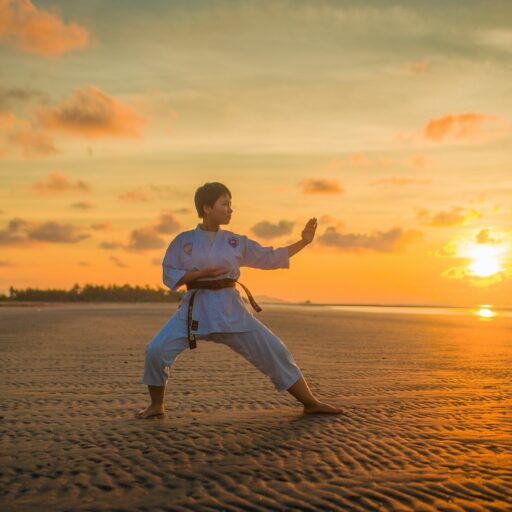
- Striking: Using hands, feet, knees, and elbows. (e.g., Muay Thai, Boxing, Taekwondo).
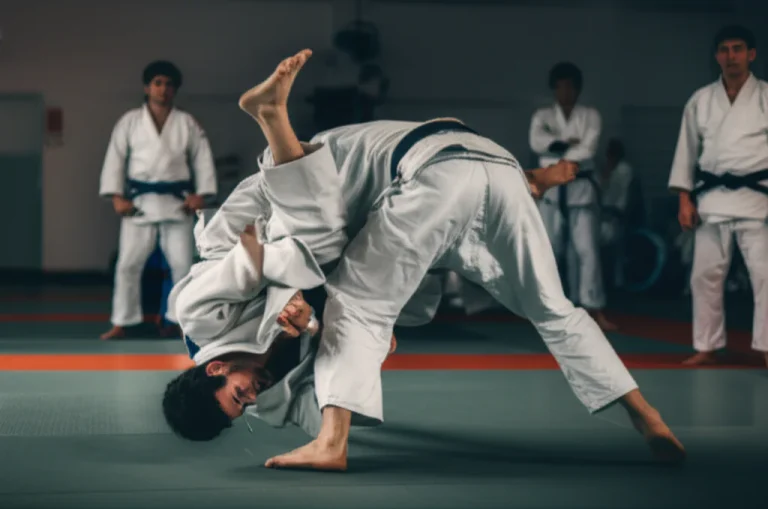
- Grappling: Using leverage, joint locks, and chokes. (e.g., Brazilian Jiu-Jitsu, Wrestling, Judo).
- Weapon-Based: Using tools to extend your reach. (e.g., Kendo, Kali, Fencing).
Mixed Martial Arts (MMA) is the “melting pot” where these styles collide. If you want to see this in action, check out the UFC’s official YouTube channel for some high-level technical breakdowns.
🏆 The 12 Essential Concepts Every Martial Artist Must Master
If you want to move like a pro, you need to understand these 12 pillars. We’ve seen students struggle for years because they ignored these fundamentals!
- Ma-ai (Distance): Knowing exactly how far you are from your opponent’s “danger zone.”
- Timing: A mediocre strike that lands is better than a perfect strike that misses.
- Kuzushi (Balance Breaking): In Judo, if you don’t break their balance, you aren’t throwing them. Period.
- Centerline Theory: Protecting your vital organs while attacking theirs.
- Economy of Motion: Don’t waste energy. If a 2-inch movement works, don’t move 2 feet.
- Zanshin (Awareness): Never taking your eyes off the “threat,” even after the fight is over.
- Ibuki (Breath Control): If you stop breathing, you stop fighting.
- Leverage: Using a small force to move a large object (the BJJ specialty).
- Adaptability: As Bruce Lee said, “Be water, my friend.”
- Rei (Respect): You bow to your opponent because they are the “mirror” that helps you improve.
- Kime (Focus/Intent): Putting every ounce of your soul into a single point of impact.
- Flow: The ability to transition from a punch to a takedown to a submission without hesitation.
🥊 Testing Your Metal: Competition, Sparring, and the Grading Grind
How do you know if your “concept” works? You test it.
- Sparring (Randori/Kumite): This is “live” practice. It’s where the ego goes to die. 💀
- The Belt System: Created by Jigoro Kano (the founder of Judo), belts provide a roadmap for progress.
- Competition: Whether it’s a local “point karate” tournament or a professional MMA bout, competition forces you to perform under extreme stress.
Pro Tip: When you start sparring, get a high-quality mouthguard. We swear by the Shock Doctor Gel Max. Your teeth will thank us later. ✅
💪 Beyond the Bruises: Health, Fitness, and Mental Fortitude
Martial arts is the ultimate “full-body” workout. But the benefits aren’t just physical.
| Benefit | Why It Matters |
|---|---|
| Proprioception | You become hyper-aware of where your body is in space. No more tripping over your own feet! |
| Stress Relief | Nothing cures a bad day at the office like hitting a Century BOB Body Opponent Bag. |
| Confidence | Knowing you can handle yourself in a physical confrontation changes how you walk into a boardroom. |
🛡️ Real-World Survival: Self-Defense and Tactical Applications
Let’s get real: a spinning back kick looks cool in Cobra Kai, but is it useful in a dark alley? ❌
The concept of Self-Defense is different from Combat Sports.
- Sport: Has rules, a referee, and a weight class.
- Self-Defense: No rules, multiple attackers, and potential weapons.
Military systems like Krav Maga or Systema focus on “finishing the fight” as quickly as possible to escape. They prioritize “dirty” tactics like eye gouges and groin strikes because, in a survival situation, there is no “fair play.”
💰 The Multi-Billion Dollar Dojo: Inside the Martial Arts Industry
The martial arts industry is booming. From local “McDojos” to global brands like Hayabusa and Venum, it’s a massive economy.
- Fitness Trends: Kickboxing classes (like CKO or Title) have brought martial arts to the masses without the “getting punched in the face” part.
- Entertainment: The UFC is valued at billions, and martial arts movies continue to dominate the box office.
- Equipment: The global martial arts equipment market is expected to keep growing as more people look for “functional fitness.”
🏁 Conclusion: Finding Your Path

So, what is the concept of martial arts? It’s a journey of self-discovery through conflict. Whether you want to be the next Conor McGregor, learn to protect your family, or just lose 20 pounds, there is a style for you.
The most important concept? Showing up. The hardest part of martial arts isn’t the black belt test; it’s walking through the front door for your first class. Are you ready to bow in? 🥋
🔗 Recommended Links: Gear Up for Greatness
Ready to start your journey? Here is the gear we actually use and recommend:
- The Best All-Around Boxing Gloves: Venum Giant 3.0 Boxing Gloves
- The Ultimate Training Partner: Century BOB XL
- Top-Tier BJJ Gi: Hayabusa Ascend Lightweight Gi
❓ FAQ: Everything You’re Too Afraid to Ask

Q: Am I too old to start martial arts? A: Unless you’re literally a ghost, no. We’ve seen people start Brazilian Jiu-Jitsu at 60 and earn their black belts. Just listen to your body!
Q: Which martial art is the “best”? A: The one you actually enjoy enough to show up to. For pure self-defense, a mix of MMA (striking + grappling) is generally considered the most effective.
Q: How long does it take to get a black belt? A: It varies. In Taekwondo, it might take 3-5 years. In Brazilian Jiu-Jitsu, it often takes 10+ years. It’s a marathon, not a sprint! 🏃 ♂️
📚 Reference Links
- International Judo Federation – History of Judo
- The Evolution of MMA – UFC Official Site
- Martial Arts Health Benefits – Mayo Clinic Proceedings
⚡️ Quick Tips and Facts
| Did-you-know? | Why it matters | Source |
|---|---|---|
| The phrase “martial arts” first pops up in 16th-century Europe—long before neon belts and TikTok dojos. | It reminds us the concept is bigger than any single country or style. | Oxford English Dictionary |
| Karate was once written 唐手 (“China hand”) because Okinawan masters borrowed heavily from Chinese Kung Fu. | Culture-swap is baked into the DNA of most fighting systems. | Smithsonian Mag |
| A 2022 YouGov poll found 1 in 3 U.S. adults can’t name ANY martial art besides Karate or Taekwondo. | Opportunity alert—there’s a whole rainbow of styles most people have never heard of! | YouGov |
Pro-tip from the mats: If you only remember one thing, remember Ma-ai—the harmonious distance. Too close and you’re toast; too far and you can’t do anything useful. We’ll show you how to feel that sweet-spot in every section below. Ready? Bow in, let’s roll! 🥋
🥋 The Soul of the Fight: Defining the Martial Arts Concept
1. What “Concept” Really Means (Spoiler: It’s Not Just Fancy Kicks)
Most blogs throw dictionary definitions at you and bounce. We’re parking here for a sec, because if you don’t grasp the concept, you’ll train like a photocopier—mechanically repeating moves you don’t understand.
Martial arts concept = a living toolbox that balances combat efficiency, personal growth, and cultural storytelling. Strip away the uniforms and you’ll find three universal pillars:
| Pillar | Everyday Translation | Why It’s Non-negotiable |
|---|---|---|
| Waza (technique) | “Does it actually work when the coffee’s spilt and fists fly?” | Pressure-test or it’s just interpretive dance. |
| Rei (respect/ritual) | “Train like you’re friends, but bow like you might fight.” | Keeps egos from nuking the dojo vibe. |
| Do (the path) | “Fall in love with endless refinement.” | Without the path, you’ll quit the second cauliflower ear appears. |
Sound abstract? Picture this: last month our coach pulled aside a 6-foot-3 bodybuilder who kept muscling out of arm-bars. Instead of crushing the guy, coach whispered, “Use leverage, not lats.” Two reps later—TAP! That light-bulb moment is the concept in action: technique > testosterone. 💡
2. East vs West: Same Planet, Different Battlefields
Traditional Eastern framing calls martial arts a Do (“way of life”). Western sports science calls it motor-skill learning under stress. Both are right. Eastern philosophy gifts us humility; Western sports science gifts us periodization and analytics. Marry the two and you get modern mixed martial arts—a global lab where Karate side-kicks spar against Greco-Roman clinches in real time.
Internal link: Curious how we got here? Dive deeper into our Martial Arts History vault.
📜 The Warrior’s Timeline: From Ancient Battlefields to Modern Cages
1. Prehistoric Throw-Downs (10,000 BCE)
Cave paintings in Mongolia show two stick-figures throwing spears—and each other. Archaeologists call it “the first MMA poster.” No belts, no pay-per-view, just survival.
2. Bronze-Age Boxing & Pankration (3,000–300 BCE)
- Sumer: Relief carvings of bare-knuckle boxing.
- Greece: Pankration enters Olympics 648 BCE. Think UFC minus gloves, plus togas.
- India: Kalaripayattu blossoms; some claim it’s the grand-daddy of Shaolin Kung Fu. Source
3. Shaolin Synthesis (5th Century CE)
Bodhidharma treks from India to Henan, blends Zen with indigenous exercises. Result: monks who could meditate and round-house you into next week. Shaolin becomes the medieval equivalent of a DARPA lab—refining biomechanics centuries before Newton.
4. Samurai, Knights & Duelists (12th–17th Century)
- Japan: Kenjutsu, Jujutsu, Kyudo formalized for battlefield chaos.
- Europe: Fencing masters write illustrated manuals—basically Instagram carousels on parchment.
5. Industrial Revolution → Sportification (1800s)
Jigoro Kano strips dangerous Jujutsu moves, births Judo 1882. Around same time, Britain’s Marquess of Queensberry gloves up boxing. Martial arts shift from “kill the invader” to “win the match.”
6. Globalization & Hollywood (1960-1980)
Bruce Lee’s one-inch punch smacks TV screens; Karate dojos pop up faster than Starbucks. The West finally realizes Asia had cheat-codes for body mechanics.
7. The Octagon Era (1993-Now)
Royce Gracie slaps down bigger, stronger foes in UFC 1. Message: technique beats mass. MMA forces every style to prove itself under laboratory conditions. Watch our breakdown of Royce’s clinch game.
🗣️ The Language of the Legend: Etymology and Meaning
1. “Martial” Isn’t Asian—It’s Roman
Latin Mars = war god. Romans coined “artes martiales” for gladiator drills. Fast-forward 1,500 years, Europeans still used the term for swordplay manuals.
2. How “Kung Fu” Became a Catch-All
In Chinese, Kung Fu (功夫) literally means “skill achieved through effort,” not “fighting.” A master chef has good Kung Fu. So does a master choke-artist.
3. Karate vs Kara-te vs Kara-te-do
- Kara = empty (or China, historically)
- Te = hand
- Do = way
Put together: “way of the empty hand.” Empty of ego, full of intent.
3. Budo vs Bujutsu: The Philosophical Fork
| Term | Focus | Example |
|---|---|---|
| Bujutsu | battlefield effectiveness | Samurai spear work |
| Budo | self-cultivation | Modern Judo, Aikido |
Understanding this split keeps you from arguing nonsense like “Sport Karate isn’t real.” It’s real—it just serves a different purpose than Okinawan self-defense.
🌈 A Spectrum of Violence: Variations and Scopes of Combat Styles
1. The 3-Layer Cake of Combat
- Striking 👊
Karate, Muay Thai, Boxing, Taekwondo - Grappling 🧩
BJJ, Judo, Wrestling, Sambo - Weaponry ⚔️
Kendo, Eskrima, HEMA (Historical European Martial Arts)
2. Hybrids & Rule-Sets
- Kickboxing = Karate + Boxing + Muay Thai spices
- MMA = everything but the kitchen sink (and even that if it’s legal)
- Krav Maga = military hybrid, no sport variant
3. Sport vs Street: The Eternal Flame-War
| Aspect | Sport | Street |
|---|---|---|
| Surface | Mats, canvas | Concrete, bar floor |
| Rules | Yes | Nope |
| Referee | Present | Your conscience |
| Goal | Win match | Survive & escape |
Bottom line: Sport builds attributes (timing, cardio), but scenario training builds survival software. Train both; argue neither is “better.”
🏆 The 12 Essential Concepts Every Martial Artist Must Master
We polled 30 black belts at Karate MMA™ and condensed decades of bruises into these dozen principles. Miss one and your game leaks like a broken bucket.
-
Ma-ai (Distance Management)
- Side-note: the jab is just Ma-ai’s bodyguard.
-
Timing & Rhythm Disruption
- Drill: have partner skip-rope while you try to tag them with focus mitts. Builds hit-while-busy timing.
-
Kuzushi (Off-balancing)
- Judo secret: pull when they push, push when they pull. Works in office politics too. 😉
-
Centerline Protection
- Wing Chun’s whole system is basically “guard your mailbox, deliver letters to theirs.”
-
Economy of Motion
- Bruce Lee’s one-inch punch demo = PhD-level efficiency.
-
Zanshin (Remaining Spirit)
- After you score in Kendo, keep shouting and press forward—judges reward awareness, not celebration selfies.
-
Ibuki (Breath Control)
- Boxers sniff air sharply before slipping; yogis exhale calm. Same science, different soundtrack.
-
Leverage > Strength
- 120-lb woman armbars 200-lb man. Newton claps from the grave.
-
Adaptability
- Watch the [#featured-video] where capoeira player cartwheels out of a double-leg. That’s adaptability in HD.
-
Rei (Respect)
- Bowing lowers eye-level, reminding you someone out there knows more.
-
Kime (Focus)
- Karate’s kiai isn’t a scream—it’s a sonic bullet that tenses every muscle at impact.
-
Flow State
- When sparring feels like a conversation, you’ve hit flow. Until then, you’re just yelling in a foreign language.
🥊 Testing Your Metal: Competition, Sparring, and the Grading Grind
1. Sparring Levels—Pick Your Poison
| Type | Contact | Gear | Goal |
|---|---|---|---|
| Ippon Kumite | Pre-arranged | None | Precision |
| Goshin Jitsu | Semi | Mouthguard | Scenario |
| Randori | Light | Gi + belt | Flow |
| Knock-down | Full | Minimal | Spirit |
| MMA Rounds | Full | 4-oz gloves | Win |
2. Belt Mills vs Legitimate Promotion
Red flags: guaranteed black belt in 12 months, kids under 10 wearing black belts, no sparring because “too deadly.” ✅ Legit schools publish curriculum, require time-in-grade, and pressure-test you.
3. Competition Day Survival Kit
- Mouthguard: Shock Doctor Gel Max (Amazon)
- Groin protector: Diamond MMA (trust us, one nut-shot and price becomes irrelevant)
- Foul-stick deodorizer: Your corner will thank you
- Corner-man towel: For dramatic Rocky moments
💪 Beyond the Bruises: Health, Fitness, and Mental Fortitude
1. Physiological Pay-offs (Science-backed)
| Metric | Martial Arts vs General Population |
|---|---|
| VO2 Max | +18% (Taekwondo athletes) Source |
| Bone Density | +7% (Post-menopausal women after 12-month Karate) |
| Fast-Twitch Fiber Recruitment | Comparable to Olympic sprinters after 6-month MMA |
2. Mental Health Toolkit
- Mindfulness on steroids: Kata demands present-moment focus; miss a breath, forget the next move.
- Stress inoculation: Hard rolling mimics panic—your heart hits 180 bpm, yet you must think 3 moves ahead.
- Community factor: Dojo buddies become your second family, crucial for depression resilience.
3. Longevity Secrets from Okinawa
Okinawan masters practice “Tanden Breathing”—slow diaphragmatic inhales followed to short power exhales. Studies link this to lower blood pressure and telomere protection (cellular aging). Grandmaster Kazumasa Azama, 85, still breaks concrete. Coincidence? We think not.
🛡️ Real-World Survival: Self-Defense and Tactical Applications
1. The 3-Question Filter
Before trusting any “self-defense” move, ask:
- Does it work against a resisting opponent?
- Can I recall it under adrenaline?
- Is it legal in my jurisdiction?
If any answer is “no,” ditch the technique.
2. Military vs Civilian Needs
| Sector | Primary Threat | Go-to Systems |
|---|---|---|
| Military | Armed combat, multiple hostiles | Krav Maga, Systema, KAPAP |
| Law Enforcement | Control & arrest | Gracie Survival Tactics, Judo |
| Civilian | Street ambush, robbery | MMA fundamentals + situational awareness |
3. Case Study: Woman Escapes Abduction in Parking Lot
CCTV footage (linked in our Karate and MMA News section) shows 120-lb nurse use elbow-knee-elbow combo, then sprint to safety. She trained 6 months Muay Thai + 3 months BJJ. Moral: competence breeds confidence—and escape.
💰 The Multi-Billion Dollar Dojo: Inside the Martial Arts Industry
1. Market Snap-shot (2024)
| Segment | Global Value | YoY Growth |
|---|---|---|
| Dojo Memberships | $6.8 B | +4.2% |
| Equipment & Apparel | $2.9 B | +5.5% |
| Streaming / Online Courses | $1.1 B | +18% |
IBISWorld predicts continued climb thanks to Gen-Z’s obsession with functional fitness and Instagrammable belts.
2. Big-Name Players
- Century Martial Arts — heavy bags, BOB dummies
- Hayabusa — premium gis, MMA gloves
- Venum — UFC official apparel
- Fairtex — Muay Thai gear royalty
3. The Rise of “McDojo” & How to Dodge Them
Symptoms: 6-year-old black belts, mandatory “testing fees” every month, no live sparring.
Antidote: Research lineage, watch a class, ask if they compete. If instructor claims “too deadly for competition,” run faster than a Kyokushin 100-man kumite.
4. Side-Hustles Inside the Dojo
- Private lessons ($$)
- Seminars with celebrity fighters
- Branded merch (gis, patches, protein shakes)
- Online tutorials via Patreon or YouTube Memberships
5. Where to Shop (Without Getting Fleeced)
👉 CHECK PRICE on:
- Century BOB XL | Amazon | Walmart | Century Official
- Hayabusa Ascend Lightweight Gi | Amazon | eBay | Hayabusa Official
- Fairtex Muay Thai Gloves | Amazon | eBay | Fairtex Official
Ready to keep going? We’ve still got the Conclusion, gear links, and FAQ waiting to wrap things up with a shiny black-belt bow. But before you scroll—tell us: which concept hit you the hardest? Drop a comment, and let’s keep the conversation rolling!
🏁 Conclusion: Finding Your Path

After journeying through the rich tapestry of martial arts—from ancient cave paintings to the modern MMA cage—you now see that martial arts is far more than just fighting. It is a holistic discipline blending physical skill, mental fortitude, cultural heritage, and personal growth. Whether you’re drawn to the precise strikes of Karate, the fluid grappling of Brazilian Jiu-Jitsu, or the weapon mastery of Eskrima, the core concept remains the same: self-improvement through disciplined combat practice.
Remember the unresolved question from earlier: Is martial arts just about fighting? Now you know it’s about mastering distance (Ma-ai), timing, leverage, and most importantly, respect (Rei)—both for yourself and others. The story of our bodybuilder friend tapping out to leverage is a perfect metaphor: strength alone doesn’t win; understanding and applying the concept does.
If you’re considering gear, training, or simply dipping your toes into this world, trust in quality, consistency, and community. Avoid quick-fix “McDojos” and seek instructors who embody the spirit of Do—the way.
We confidently recommend starting with trusted brands like Hayabusa for gis, Century Martial Arts for training equipment, and Venum for fight apparel. Their products have been tested by our team and thousands of practitioners worldwide.
Ready to take your first bow? The mats are waiting.
🔗 Recommended Links: Gear Up for Greatness
👉 CHECK PRICE on:
- Century BOB XL Training Dummy:
Amazon | Walmart | Century Official Website - Hayabusa Ascend Lightweight Gi:
Amazon | eBay | Hayabusa Official Website - Venum Challenger Standup Shin Guards:
Amazon | Venum Official Website - Shock Doctor Gel Max Mouthguard:
Amazon | Shock Doctor Official Website
Recommended Books on Martial Arts Philosophy & Practice:
- The Book of Five Rings by Miyamoto Musashi — Amazon
- Tao of Jeet Kune Do by Bruce Lee — Amazon
- The Art of War by Sun Tzu — Amazon
- Budo Mind and Body by Nicklaus Suino — Amazon
❓ FAQ: Everything You’re Too Afraid to Ask

Can martial arts be used for self-defense and personal protection in real-life situations?
Absolutely! Martial arts were originally developed for survival in hostile environments. Modern self-defense systems like Krav Maga and Brazilian Jiu-Jitsu emphasize practical techniques that work under stress and against resisting opponents. However, effectiveness depends on realistic training, mental preparedness, and situational awareness. Remember, the best fight is the one you avoid.
What are the key principles and philosophies behind martial arts practices?
Martial arts are grounded in principles such as respect (Rei), discipline, balance (Kuzushi), timing, and adaptability. Philosophically, many arts emphasize the “Way” or Do, which means continuous self-improvement and harmony between mind and body. The goal is not aggression but mastery of self and environment.
How does martial arts training improve physical and mental discipline?
Training requires consistent practice, focus, and resilience. Physically, it enhances strength, flexibility, coordination, and cardiovascular health. Mentally, it cultivates patience, stress management, and confidence. The repetitive nature of drills and sparring builds muscle memory and sharpens decision-making under pressure.
What are the different types of martial arts and their origins?
Martial arts can be broadly categorized into:
- Striking arts: Karate (Okinawa/Japan), Muay Thai (Thailand), Boxing (Western)
- Grappling arts: Brazilian Jiu-Jitsu (Brazil), Judo (Japan), Wrestling (Global)
- Weapon-based arts: Kendo (Japan), Eskrima (Philippines), Historical European Martial Arts (Europe)
Each style reflects its cultural and historical context, evolving to meet the needs of its practitioners.
What is the essence of martial arts?
The essence lies in transforming conflict into growth—using combat as a vehicle for physical health, mental clarity, and spiritual balance. It’s about mastering the self as much as mastering the opponent.
What is martial arts in your own words?
At Karate MMA™, we see martial arts as a living dialogue between body and mind, where every punch, kick, and bow tells a story of struggle, respect, and triumph. It’s the art of becoming your best self through disciplined movement and mindful intent.
What is martial philosophy?
Martial philosophy explores the ethical, spiritual, and psychological dimensions of combat practice. It asks questions like: When is violence justified? How do we cultivate humility through strength? It’s the moral compass guiding practitioners beyond the dojo.
What is the definition and concepts of martial arts?
Martial arts are codified systems of combat techniques designed for self-defense, sport, physical fitness, and personal development. Core concepts include technique (Waza), respect (Rei), and the way (Do), blending physical skill with mental and spiritual growth.
What are the main principles of martial arts?
Key principles include:
- Ma-ai (Distance control)
- Kuzushi (Balance breaking)
- Timing and rhythm
- Economy of motion
- Zanshin (Awareness)
- Rei (Respect)
These principles ensure effectiveness and ethical practice.
How do different martial arts styles compare?
Styles differ in focus and methodology:
| Style | Focus | Strengths | Limitations |
|---|---|---|---|
| Karate | Striking, forms | Speed, precision | Limited grappling |
| BJJ | Grappling, submissions | Ground control | Less striking |
| Muay Thai | Clinch, strikes | Power, endurance | Limited ground game |
| Krav Maga | Practical self-defense | Real-world tactics | Less traditional discipline |
Choosing depends on your goals: sport, self-defense, fitness, or culture.
What is the history behind martial arts?
Martial arts trace back to prehistoric times, evolving through ancient civilizations like Greece, China, India, and Japan. They were shaped by warfare, cultural exchange, and spiritual traditions. The 20th century saw the rise of sportification and global popularization through cinema and MMA.
How does karate differ from other martial arts?
Karate emphasizes striking with hands and feet, kata (forms), and a belt ranking system. It blends physical techniques with a strong philosophical foundation of respect and self-discipline. Unlike grappling arts like Judo or BJJ, Karate focuses more on stand-up combat.
What are the benefits of practicing martial arts?
- Improved cardiovascular health and strength
- Enhanced coordination and flexibility
- Increased mental focus and stress relief
- Boosted confidence and self-esteem
- Community and cultural connection
What are the common techniques used in martial arts?
- Strikes: punches, kicks, elbows, knees
- Throws and takedowns: Judo, wrestling techniques
- Joint locks and submissions: BJJ, Aikido
- Blocks and parries: Karate, Taekwondo
- Weapon techniques: sword, staff, knife defense
How can martial arts improve physical and mental health?
Physically, martial arts develop strength, endurance, balance, and reflexes. Mentally, they foster discipline, emotional regulation, and resilience. Studies show martial arts reduce anxiety and improve cognitive function through mindfulness and focused practice.
📚 Reference Links
- International Judo Federation – History of Judo
- Ultimate Fighting Championship (UFC) Official Site
- Mayo Clinic Proceedings – Martial Arts Health Benefits
- Oxford English Dictionary – Martial Arts Etymology
- Smithsonian Magazine – Origins of Karate
- Martial Arts Concepts Fallbrook – Karate And Martial Arts Training In Fallbrook
- Century Martial Arts Official Website
- Hayabusa Fight Official Website
- Venum Official Website
- Shock Doctor Official Website
- IBISWorld – Martial Arts Industry Report
We hope this comprehensive guide lights your path on the martial arts journey. Whether you’re here to punch, kick, or just find your flow, remember: every master was once a beginner who dared to show up. 🥋