Support our educational content for free when you purchase through links on our site. Learn more
🥋 What Is the Best Martial Art to Do? 12 Top Styles for 2026

Choosing the best martial art can feel like stepping into a vast dojo filled with countless paths—each promising mastery, fitness, or self-defense. But which one truly fits you? At Karate MMA™, we’ve trained, taught, and tested dozens of martial arts, and we’re here to cut through the noise. From the explosive power of Muay Thai to the strategic ground game of Brazilian Jiu-Jitsu, this guide reveals 12 of the most effective and popular martial arts in 2026, helping you find your perfect match.
Did you know that the global martial arts industry is booming, with millions training worldwide for fitness, competition, or personal growth? Yet, many beginners struggle to pick a style that aligns with their goals. Stick around as we unpack the history, benefits, and unique traits of each art—and share insider tips on how to choose the one that will transform your life.
Key Takeaways
- No single “best” martial art exists; the right choice depends on your goals, personality, and lifestyle.
- Self-defense? Krav Maga, MMA, and BJJ top the list for real-world effectiveness.
- Fitness and agility? Muay Thai, Kickboxing, and Taekwondo deliver intense full-body workouts.
- Discipline and mental focus? Karate, Aikido, and traditional arts cultivate character and mindfulness.
- Try before you commit: Most schools offer trial classes—use them to find your vibe.
- Consistency beats intensity: Regular training, even once or twice a week, yields lasting results.
Ready to find your martial arts soulmate? Let’s dive in!
Table of Contents
- ⚡️ Quick Tips and Facts About Choosing the Best Martial Art
- 🥋 The Evolution of Martial Arts: A Deep Dive into History and Origins
- 🤔 What Martial Art Should I Learn? Exploring Top Styles and Their Benefits
- 1. Karate: The Classic Striking Powerhouse
- 2. Brazilian Jiu-Jitsu: The Ground Control Specialist
- 3. Muay Thai: The Art of Eight Limbs
- 4. Judo: The Gentle Way of Throws and Takedowns
- 5. Taekwondo: The High-Flying Kicks Expert
- 6. Krav Maga: Real-World Self-Defense for Everyone
- 7. Mixed Martial Arts (MMA): The Ultimate Combat Blend
- 8. Wing Chun: The Close-Range Combat Specialist
- 9. Capoeira: The Dance-Fight Fusion
- 10. Aikido: The Art of Harmony and Redirection
- 11. Boxing: The Sweet Science of Punching
- 12. Kickboxing: The Dynamic Striking Hybrid
- 🧠 How to Choose the Best Martial Art for Your Goals and Personality
- 💪 Physical and Mental Benefits of Practicing Martial Arts Regularly
- 🏆 What to Expect in Your First Martial Arts Class: Tips for Beginners
- 🛡️ Martial Arts for Self-Defense: Which Styles Prepare You Best?
- 🎯 Training Gear and Equipment: What You Really Need to Get Started
- 📅 How Often Should You Train? Balancing Martial Arts with Your Lifestyle
- 🌍 Martial Arts Around the World: Cultural Insights and Global Popularity
- 🔍 Common Myths and Misconceptions About Martial Arts Debunked
- 🎥 Best Martial Arts Movies and Documentaries to Inspire Your Journey
- 🏅 Success Stories: How Martial Arts Changed Our Lives at Karate MMA™
- 📝 Conclusion: Finding Your Perfect Martial Art Match
- 🔗 Recommended Links for Martial Arts Resources and Schools
- ❓ FAQ: Your Burning Questions About Martial Arts Answered
- 📚 Reference Links and Further Reading
⚡️ Quick Tips and Facts About Choosing the Best Martial Art
So, you’re ready to embark on a martial arts journey, huh? Awesome! But wait, before you dive headfirst into a dojo, dojang, or gym, you’re probably asking yourself: “What is the best martial art to do?” It’s a question we hear all the time at Karate MMA™, and honestly, it’s a fantastic one! The truth is, there’s no single “best” martial art for everyone. It’s like asking what’s the best flavor of ice cream – totally subjective and dependent on you! 🍦
Here at Karate MMA™, we’ve seen countless students walk through our doors, each with unique goals, body types, and aspirations. From seasoned fighters to absolute beginners, we’ve learned that the perfect martial art is the one that aligns with your personal objectives and keeps you engaged. Want to learn more about the diverse world of martial arts? Check out our comprehensive guide on Martial Arts.
Let’s kick things off with some rapid-fire tips and facts to get your brain buzzing:
- Goal-Oriented Choice: Your primary reason for training is paramount. Is it self-defense, fitness, competition, discipline, or stress relief? Different arts excel in different areas.
- Try Before You Buy: Most reputable schools offer a free trial class. Take advantage of it! It’s the best way to feel the vibe, meet the instructors, and see if the style clicks with you.
- Instructor Matters: A great instructor can make or break your experience. Look for someone knowledgeable, patient, and inspiring.
- Location, Location, Location: Convenience is key for consistency. Choose a school that’s easy to get to.
- Listen to Your Body: Some styles are high-impact, others focus on leverage. Consider your physical condition and any existing injuries.
- Don’t Fear the Unknown: We’ve had students start in their 60s! Martial arts are for all ages and fitness levels. You’ll build strength and flexibility as you go.
Quick Martial Arts Selection Guide
| Goal | Recommended Styles | Key Benefit | Consideration |
|---|---|---|---|
| Self-Defense 🛡️ | Krav Maga, BJJ, Muay Thai, MMA | Practical, real-world application | Intensity can be high |
| Fitness & Cardio 💪 | Muay Thai, Kickboxing, Taekwondo | High-energy, full-body workout | Requires stamina |
| Discipline & Focus 🧠 | Karate, Taekwondo, Aikido | Structured learning, mental fortitude | Can be traditional |
| Competition 🏅 | BJJ, Judo, Boxing, MMA, Sport Karate | Rule-based sparring, strategic thinking | Commitment to training |
| Stress Relief & Flexibility🧘 | Tai Chi, Aikido, Hatha Yoga (complementary) | Flowing movements, mindfulness | Less focus on striking/grappling |
Our Take: “When I first started Karate, I was just a kid looking for something cool to do,” recalls Sensei Mike, head instructor at our downtown dojo. “I didn’t know it would shape my entire life. The ‘best’ part wasn’t the kicks or punches, but the discipline and confidence I gained. That’s what we aim to pass on.”
So, are you ready to find your perfect match? Let’s dive deeper!
🥋 The Evolution of Martial Arts: A Deep Dive into History and Origins

Before we dissect individual styles, let’s take a moment to appreciate the rich tapestry of martial arts history. It’s not just about fighting; it’s about culture, philosophy, and human ingenuity. The story of martial arts is as old as civilization itself, born from the primal need for self-preservation and evolving into sophisticated systems of combat, self-improvement, and even spiritual enlightenment. For a deeper dive into the fascinating past, explore our Martial Arts History section.
Many historians trace the roots of organized martial arts back to ancient India and China. Legend has it that Bodhidharma, a Buddhist monk, brought a form of self-defense and physical conditioning to the Shaolin Temple in China around the 5th century CE. These exercises, designed to keep monks healthy during long meditations, are often cited as the genesis of Kung Fu. From there, these practices spread across Asia, adapting to local cultures, weaponry, and combat needs.
Did you know? The term “martial arts” itself comes from Mars, the Roman god of war. It literally means “arts of Mars,” or “war arts.”
Key Historical Milestones and Influences:
- Ancient Civilizations: Evidence of wrestling, boxing, and armed combat techniques can be found in ancient Egyptian, Greek, and Roman artifacts. The Olympic Games, for instance, included pankration, a brutal mix of wrestling and boxing.
- Asian Dynasties: China’s diverse Kung Fu styles, Japan’s Samurai traditions (leading to Jujutsu, Kenjutsu, Kyudo), Korea’s Taekwondo, and Thailand’s Muay Thai all developed over centuries, often influenced by warfare, philosophy (Buddhism, Taoism, Confucianism), and local folklore.
- The Rise of “Do” (The Way): In Japan, many martial arts transitioned from purely combat-focused “Jutsu” (technique) to “Do” (way or path) in the late 19th and early 20th centuries. This shift emphasized moral, spiritual, and physical development over mere fighting prowess. Judo (Jujutsu-Do), Karate-Do, and Aikido are prime examples.
- Global Spread: Post-World War II, martial arts began their global expansion, popularized by returning soldiers, immigration, and later, by iconic figures like Bruce Lee and action movies.
- Modern Era: The late 20th and early 21st centuries saw the rise of Mixed Martial Arts (MMA), which brought together techniques from various disciplines, revolutionizing combat sports and influencing how many traditional martial arts are now taught.
Evolutionary Timeline: Key Martial Arts & Their Origins
| Era/Region | Key Developments | Notable Styles/Concepts | Impact |
|---|---|---|---|
| Ancient World (Pre-500 CE) | Basic combat, wrestling, unarmed defense | Pankration (Greece), Indian wrestling | Foundation of physical combat systems |
| Medieval Asia (500-1600 CE) | Development of distinct national styles, weapon arts | Shaolin Kung Fu, Japanese Jujutsu, European Swordsmanship | Integration of philosophy, military tactics |
| Feudal Japan (1185-1868 CE) | Samurai warrior class, highly specialized combat systems | Kenjutsu, Kyujutsu, Jujutsu | Emphasis on discipline, honor, mastery |
| Modern Era (1868-Present) | Transition from “Jutsu” to “Do,” sportification, global spread | Judo, Karate-Do, Taekwondo, BJJ, MMA | Focus on self-improvement, competition, practical self-defense |
“It’s incredible to think how a simple punch or kick has been refined and passed down through generations,” marvels our resident historian, Sensei Ken. “Each movement carries echoes of ancient warriors and philosophical masters. Understanding this history gives you a deeper respect for the art you choose.”
The journey of martial arts is one of continuous adaptation and innovation. This rich heritage is what makes choosing a martial art so exciting – you’re not just learning techniques; you’re connecting with centuries of human endeavor!
🤔 What Martial Art Should I Learn? Exploring Top Styles and Their Benefits
Alright, the moment of truth! You’ve got your goals in mind, a little historical context under your belt, and now you’re itching to know which style will be your style. As the experts at Karate MMA™, we’ve trained in, taught, and analyzed a vast array of martial arts. We know the nuances, the strengths, and yes, even the weaknesses of each.
Remember what Mindbodyglobe.com wisely states: “No single answer; depends on personal goals and preferences.” We couldn’t agree more! So, let’s break down some of the most popular and effective martial arts out there, giving you the inside scoop to help you make an informed decision.
1. Karate: The Classic Striking Powerhouse
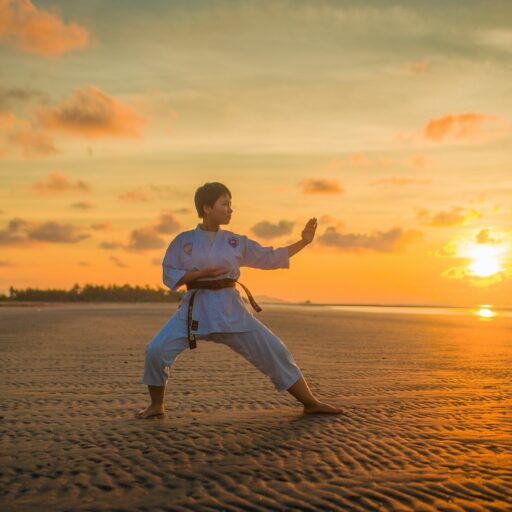
Ah, Karate! Our bread and butter here at Karate MMA™. Originating from Okinawa, Japan, Karate-Do (“the way of the empty hand”) is a striking art renowned for its powerful punches, devastating kicks, sharp blocks, and precise forms (kata). It’s a fantastic choice for developing discipline, focus, physical conditioning, and robust self-defense skills.
- Focus: Direct, linear strikes, powerful blocks, dynamic stances, and intricate kata.
- Benefits:
- Full-body workout: Develops incredible core strength, explosive power, and flexibility.
- Mental discipline: Teaches focus, respect, perseverance, and self-control.
- Effective self-defense: Emphasizes practical striking and defensive maneuvers.
- Structured progression: Clear belt ranking system (check out our Karate Belts and Rankings guide!).
- Pros: ✅ Excellent for all ages, strong emphasis on character development, widely available. Rajadamnern.com notes, “Karate’s emphasis on striking and defensive maneuvers provides a well-rounded skill set.”
- Cons: ❌ Can be rigid in traditional schools, some “McDojos” (as Mindbodyglobe.com warns) prioritize profit over quality instruction.
- Our Take: “Karate isn’t just about fighting; it’s about building a stronger you, inside and out,” says Sensei Anya, a multiple-time national Karate champion. “The precision required in our Karate Techniques translates into incredible mental clarity.”
2. Brazilian Jiu-Jitsu: The Ground Control Specialist
Brazilian Jiu-Jitsu (BJJ) is a grappling martial art focused on ground fighting and submission holds. Developed by the Gracie family in Brazil, it teaches smaller, weaker individuals how to defend themselves against larger, stronger opponents using leverage, technique, and joint locks or chokeholds.
- Focus: Takedowns, positional control, joint locks (armbars, kimuras), and chokeholds (rear-naked choke, guillotine).
- Benefits:
- Empowering for smaller individuals: “BJJ’s effectiveness lies in its ability to level the playing field,” as Rajadamnern.com highlights.
- Problem-solving: Often called “human chess” due to its strategic depth.
- Full-body workout: Builds incredible grip strength, core stability, and endurance.
- Stress relief: The intense focus required can be a great mental escape.
- Pros: ✅ Highly effective for self-defense, especially in one-on-one encounters; thriving global community; popular in MMA.
- Cons: ❌ Less effective against multiple attackers or weapons; ground fighting can be risky in a street fight (a point Mindbodyglobe.com raises).
- Our Take: “I remember my first BJJ class after years of striking,” shares Coach Dave, our MMA specialist. “I was a black belt in Karate, but a white belt on the ground! It was humbling and incredibly eye-opening. BJJ teaches you patience and how to think under pressure like no other art.”
Ready to roll? Get your BJJ Gi today!
- Sanabul Essentials V.2 Ultra Light BJJ Jiu Jitsu Gi: Amazon | Walmart | Sanabul Official Website
3. Muay Thai: The Art of Eight Limbs
Hailing from Thailand, Muay Thai is a combat sport known as “The Art of Eight Limbs” because it utilizes punches, kicks, elbows, and knees, effectively turning the body into eight points of contact. It’s a brutal yet beautiful art, celebrated for its powerful strikes and clinch work.
- Focus: Powerful strikes with fists, shins, elbows, and knees; dynamic clinch fighting.
- Benefits:
- Exceptional fitness: Builds incredible cardiovascular endurance, strength, and mental toughness.
- Powerful striking: Develops devastating power in all eight limbs.
- Effective stand-up self-defense: Excellent for close-quarters combat and creating distance.
- Real-world applicability: “Muay Thai’s emphasis on close-range combat makes it particularly effective in confined spaces,” according to Rajadamnern.com.
- Pros: ✅ Highly effective for self-defense and competition; widely available; visible progress in fitness and technique.
- Cons: ❌ Can be very aggressive and high-impact; no traditional forms or ground fighting.
- Our Take: “Muay Thai is like a symphony of destruction,” laughs Coach Sarah, our resident Muay Thai expert. “The first time I landed a solid elbow in sparring, I knew this art was something special. It demands everything from you, but it gives back so much more in confidence and power.”
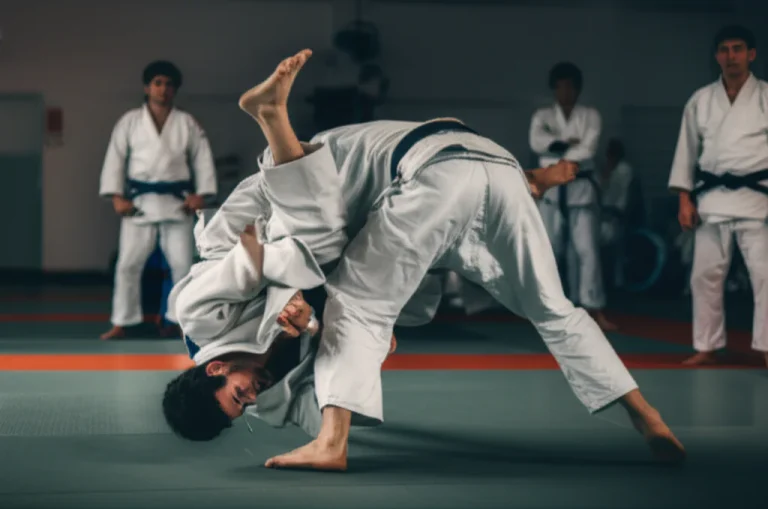
4. Judo: The Gentle Way of Throws and Takedowns
Judo, meaning “the gentle way,” is a Japanese martial art and Olympic sport founded by Jigoro Kano. It focuses on throws (nage-waza), joint locks (kansetsu-waza), and chokeholds (shime-waza) to subdue an opponent. The core principle is to use an opponent’s weight and momentum against them.
- Focus: Takedowns, throws, sweeps, pins, and submissions (chokes, armlocks).
- Benefits:
- Balance and coordination: Develops exceptional body control and spatial awareness.
- Leverage-based self-defense: Teaches how to control and throw larger opponents.
- Full-body workout: Great for strength, flexibility, and cardiovascular health.
- Discipline and respect: Strong emphasis on etiquette and mutual welfare.
- Pros: ✅ Excellent for sport and self-defense; empowers beginners with technique over brute strength; widely accessible. Rajadamnern.com notes, “Judo’s focus on technique over strength makes it effective.”
- Cons: ❌ No striking techniques; can be physically demanding on joints due to throws.
- Our Take: “Judo taught me that power isn’t always about brute force,” explains Sensei Mike. “It’s about understanding physics and timing. I’ve seen small judoka effortlessly throw opponents twice their size. It’s truly the ‘gentle way’ to dominate.”
5. Taekwondo: The High-Flying Kicks Expert
Taekwondo, originating from Korea, is famous for its dynamic, high-flying kicks and fast-paced movements. It’s an Olympic sport that emphasizes speed, agility, and powerful leg techniques.
- Focus: High kicks, spinning kicks, jumping kicks, and rapid footwork.
- Benefits:
- Exceptional flexibility: Develops incredible range of motion in the legs and hips.
- Agility and speed: Enhances quick reflexes and dynamic movement.
- Cardiovascular fitness: High-energy training provides a fantastic workout.
- Structured learning: Features a clear belt ranking system and forms (poomsae).
- Pros: ✅ Accessible worldwide, suitable for all ages, great for fitness and flexibility. Evolve-mma.com highlights its structured ranking system and suitability for families.
- Cons: ❌ Mindbodyglobe.com points out that it can be “less effective for real-world self-defense; fighters often lose street fights” due to its focus on sport-specific techniques and distance. Rajadamnern.com, however, states, “Taekwondo’s techniques provide the ability to keep adversaries at a distance.” This is a key difference in perspective.
- Our Take: “While Taekwondo’s sport-focused nature might make some question its street effectiveness, the sheer speed and power developed in those kicks are undeniable,” says Coach Dave. “It’s about understanding the context. For pure sport and incredible athleticism, it’s top-tier. For self-defense, you might need to adapt those techniques or cross-train.”
6. Krav Maga: Real-World Self-Defense for Everyone
Krav Maga is a self-defense system developed for the Israeli military. It’s not a traditional martial art with forms or rituals; instead, it focuses on practical, no-nonsense techniques for real-world scenarios, emphasizing instinctive movements and rapid neutralization of threats.
- Focus: Practical self-defense, defense against weapons, multiple attackers, and real-life threats.
- Benefits:
- Highly effective: Designed for quick learning and efficient application in dangerous situations.
- Scenario-based training: Prepares you for common street confrontations.
- Instinctive movements: Builds on natural reactions to stress.
- Mental toughness: Trains you to react under pressure.
- Pros: ✅ Unquestionably effective for self-defense; focuses on survival and threat neutralization. Rajadamnern.com states, “Krav Maga is designed to be learned quickly and applied efficiently.”
- Cons: ❌ Less focus on competition or traditional martial arts philosophy; intense training can be physically and mentally demanding.
- Our Take: “Krav Maga is raw, direct, and incredibly effective,” states Sensei Mike. “It’s not pretty, but it works. If your primary goal is practical self-defense, especially against armed threats, Krav Maga is a top contender.”
7. Mixed Martial Arts (MMA): The Ultimate Combat Blend
Mixed Martial Arts (MMA) is a full-contact combat sport that incorporates techniques from various martial arts disciplines, including striking (from boxing, Muay Thai, Karate) and grappling (from BJJ, wrestling, Judo). It’s the ultimate test of versatility and adaptability in combat.
- Focus: Seamless transitions between striking, wrestling, and ground fighting.
- Benefits:
- Comprehensive skill set: Develops well-rounded abilities in all ranges of combat.
- Exceptional fitness: Demands peak physical conditioning, strength, and endurance.
- Adaptability: Teaches you to react to diverse opponents and situations.
- Mental resilience: Pushes physical and mental limits.
- Pros: ✅ Highly effective for self-defense due to its versatility; excellent for competition; constantly evolving. Rajadamnern.com emphasizes, “MMA’s effectiveness stems from its emphasis on versatility.”
- Cons: ❌ Can be very high-impact and demanding; requires a significant time commitment to master multiple disciplines.
- Our Take: “MMA is the crucible where all martial arts are tested,” says Coach Dave. “It’s not just about learning techniques; it’s about integrating them into a fluid, adaptable system. If you love variety and want to be truly well-rounded, MMA is your path.”
8. Wing Chun: The Close-Range Combat Specialist
Wing Chun is a Chinese martial art that emphasizes close-range combat, efficiency, and simultaneous blocking and striking. Legend says it was developed by a Buddhist nun, Ng Mui, and passed down to a woman named Yim Wing-Chun. Bruce Lee famously studied Wing Chun before developing Jeet Kune Do.
- Focus: Direct, economical movements, simultaneous attack and defense, trapping, and centerline theory.
- Benefits:
- Efficiency: Teaches to conserve energy and move directly to the target.
- Close-quarters effectiveness: Excels in tight spaces where larger movements are impractical.
- Sensitivity training: Develops tactile reflexes (Chi Sao or “sticky hands”).
- Leverage over strength: Designed to overcome larger opponents.
- Pros: ✅ Highly effective in close-range self-defense; suitable for smaller individuals. Rajadamnern.com notes, “Wing Chun excels in close-quarters combat situations.”
- Cons: ❌ Less emphasis on kicks or ground fighting; can be difficult to find high-quality instruction.
- Our Take: “Wing Chun taught me the power of subtlety and precision,” shares Sensei Anya. “It’s not about flashy moves, but about intelligent, direct action. It completely changed my understanding of combat flow.”
9. Capoeira: The Dance-Fight Fusion
Capoeira is a unique Afro-Brazilian martial art that combines elements of dance, acrobatics, and music. Developed by enslaved Africans in Brazil, it was disguised as a dance to practice self-defense under the watchful eyes of their oppressors.
- Focus: Fluid, acrobatic movements, sweeps, kicks, headbutts, and evasive maneuvers, all performed to music.
- Benefits:
- Incredible athleticism: Develops exceptional strength, flexibility, balance, and coordination.
- Rhythm and musicality: Engages the whole body and mind in a unique way.
- Cultural enrichment: Connects you to a rich history and vibrant community.
- Creative self-expression: Allows for improvisation and personal style.
- Pros: ✅ Fantastic for fitness and body control; unique cultural experience; highly engaging.
- Cons: ❌ Less direct for immediate self-defense application compared to other arts; requires significant dedication to master the movements.
- Our Take: “Capoeira is pure joy in motion,” exclaims Coach Sarah. “It’s like a moving puzzle where every piece is a kick, a dodge, or a sweep. It’s not what most people think of as a ‘fight,’ but the physical and mental benefits are immense, and the underlying combat principles are very real.”
10. Aikido: The Art of Harmony and Redirection
Aikido is a Japanese martial art developed by Morihei Ueshiba, emphasizing harmony and the redirection of an opponent’s energy. It focuses on joint locks, throws, and pins, aiming to neutralize an attack without causing excessive harm.
- Focus: Blending with an opponent’s movement, joint locks, throws, and pins.
- Benefits:
- Non-resistance philosophy: Teaches to use an attacker’s force against them.
- Balance and posture: Develops strong core and stable movement.
- Self-control: Emphasizes ethical self-defense and minimal harm.
- Mental calmness: Promotes a peaceful and centered approach to conflict.
- Pros: ✅ Excellent for control and de-escalation; effective against multiple attackers; focuses on personal growth. Rajadamnern.com notes, “Aikido’s approach to redirecting energy makes it effective for subduing threats.”
- Cons: ❌ Can be less practical for street self-defense if not trained with resistance; often lacks sparring in traditional forms.
- Our Take: “Aikido is a beautiful dance of energy,” reflects Sensei Ken. “It taught me that sometimes the strongest response is not to meet force with force, but to redirect it. It’s a profound lesson in both martial arts and life.”
11. Boxing: The Sweet Science of Punching
Boxing, often called “the sweet science,” is a combat sport focused entirely on punching. It emphasizes footwork, head movement, defensive maneuvers, and powerful, precise punches.
- Focus: Jabs, crosses, hooks, uppercuts, defensive blocking, slipping, and footwork.
- Benefits:
- Exceptional cardiovascular fitness: Intense training builds incredible stamina.
- Upper body strength and power: Develops explosive punching power.
- Agility and reflexes: Sharpens hand-eye coordination and reaction time.
- Mental toughness: Builds resilience, focus, and strategic thinking.
- Pros: ✅ Highly effective for stand-up striking; widely available; great for fitness and stress relief. Evolve-mma.com highlights its benefits for endurance, agility, and mental health.
- Cons: ❌ No kicks, grappling, or ground fighting; can be high-impact on the hands and head.
- Our Take: “Boxing is fundamental,” asserts Coach Dave. “Every good striker, regardless of their art, benefits from boxing. The footwork, the head movement, the power generation – it’s all gold. I still incorporate boxing drills into my Karate training to sharpen my hands.”
Protect your hands! Shop for quality boxing gloves:
- Everlast Pro Style Training Gloves: Amazon | Walmart | Everlast Official Website
12. Kickboxing: The Dynamic Striking Hybrid
Kickboxing is a stand-up combat sport that combines elements of boxing and traditional martial arts kicks. It’s a high-energy workout and an effective striking art, with various styles like American Kickboxing, K-1, and Dutch Kickboxing.
- Focus: Punches (from boxing) combined with various kicks (roundhouse, front, side kicks).
- Benefits:
- Full-body workout: Engages both upper and lower body for strength and cardio.
- Dynamic striking: Offers a wider range of offensive options than boxing alone.
- Improved flexibility and balance: Kicking techniques enhance mobility.
- Stress relief: A fantastic way to burn off energy and aggression.
- Pros: ✅ Excellent for fitness and self-defense; accessible and easy to follow for beginners. Evolve-mma.com notes its high-energy workout and adaptability.
- Cons: ❌ Less focus on grappling or ground fighting; can be high-impact.
- Our Take: “Kickboxing is a fantastic entry point for anyone wanting to learn striking,” says Coach Sarah. “It’s less complex than Muay Thai but still incredibly effective and a phenomenal workout. It’s where many of our Karate students cross-train to refine their kicking power and hand combinations.”
🧠 How to Choose the Best Martial Art for Your Goals and Personality
Okay, we’ve thrown a lot of information at you, like a flurry of punches and kicks! Now, how do you sift through it all and find your martial art? As Mindbodyglobe.com wisely advises, “Find a martial art that you enjoy and that fits your lifestyle and goals.” This isn’t just about picking a style; it’s about finding a passion that will enrich your life.
Here at Karate MMA™, we believe the decision-making process is as important as the training itself. It’s a journey of self-discovery!
Step-by-Step Guide to Finding Your Martial Arts Match:
-
Define Your “Why”:
- Self-Defense: Are you looking for practical skills to protect yourself or loved ones? (Consider Krav Maga, BJJ, Muay Thai, MMA, practical Karate).
- Fitness & Health: Is your main goal to get in shape, improve flexibility, or boost cardio? (Muay Thai, Kickboxing, Taekwondo, Capoeira are excellent).
- Discipline & Focus: Do you seek mental fortitude, respect, and a structured learning environment? (Karate, Taekwondo, Judo, Aikido often excel here).
- Competition: Do you dream of testing your skills in a ring or octagon? (MMA, BJJ, Boxing, Muay Thai, Sport Karate, Judo).
- Stress Relief & Mindfulness: Looking for a way to de-stress and find inner peace? (Tai Chi, Aikido, traditional Karate can offer this).
- Cultural Enrichment: Are you drawn to the history and philosophy of an art? (Kung Fu, Capoeira, traditional Japanese/Korean arts).
-
Assess Your Physical Abilities & Limitations:
- Joint Issues? Maybe avoid high-impact jumping kicks (Taekwondo) or frequent throws (Judo) initially. Consider BJJ (ground-based) or Tai Chi (low-impact).
- Naturally Flexible? Taekwondo or Capoeira might feel natural.
- Strong Upper Body? Boxing or Muay Thai could be a great fit.
- Smaller Stature? BJJ, Judo, or Wing Chun emphasize leverage over size.
- No Limitations? Fantastic! The world is your oyster.
-
Consider Your Personality:
- Aggressive/Dynamic? You might thrive in Muay Thai, Boxing, or MMA.
- Patient/Strategic? BJJ or Judo’s “human chess” aspect could appeal to you.
- Calm/Philosophical? Aikido or traditional Karate might resonate.
- Creative/Expressive? Capoeira or some Kung Fu styles could be your jam.
- Direct/Practical? Krav Maga is all about efficiency.
-
Research Local Schools & Instructors:
- Online Search: Look for schools in your area. Read reviews on Google, Yelp, etc.
- Instructor Credentials: What’s their background? How long have they been teaching? Are they certified?
- School Philosophy: Does it align with your goals? Some are competition-focused, others more traditional.
- Cleanliness & Safety: A well-maintained facility is a must.
- Community Vibe: Do the students seem friendly and supportive? This is crucial for long-term engagement.
-
Take a Free Trial Class (or several!):
- This is the most important step! As Mindbodyglobe.com and Evolve-mma.com both recommend, “Try classes” to assess the fit.
- Pay attention to:
- The Instructor: Do you understand them? Are they encouraging?
- The Class Flow: Is it too fast, too slow, or just right?
- The Students: Are they welcoming? Do they seem to enjoy themselves?
- Your Gut Feeling: Does it feel right? Are you excited to come back?
Martial Arts Personality Matchmaker
| Personality Trait | Best Match | Why it Works |
|---|---|---|
| Analytical, Strategic 🧠 | BJJ, Judo, Boxing | Emphasize technique, leverage, and outsmarting opponents. |
| Energetic, Dynamic 💪 | Muay Thai, Kickboxing, Taekwondo | High-intensity, explosive movements, constant action. |
| Patient, Disciplined 🧘 | Karate, Aikido, Tai Chi | Focus on forms, repetition, mental fortitude, and long-term mastery. |
| Practical, Direct 🎯 | Krav Maga, MMA | No-nonsense approach to real-world self-defense. |
| Creative, Expressive 🎭 | Capoeira, some Kung Fu styles | Allows for improvisation, unique movements, and cultural connection. |
Our Take: “I tell all my prospective students, don’t just pick the ‘coolest’ art you saw in a movie,” advises Sensei Mike. “Pick the one that makes you feel alive, challenged, and excited to learn. I’ve seen people switch styles multiple times before finding their true calling. And that’s perfectly okay! The journey doesn’t have to end there, as Mindbodyglobe.com reminds us.”
Remember, this is your journey. Take your time, do your homework, and most importantly, have fun with it!
💪 Physical and Mental Benefits of Practicing Martial Arts Regularly
Beyond the cool moves and self-defense prowess, martial arts offer a treasure trove of benefits that extend far beyond the dojo. Here at Karate MMA™, we’ve witnessed firsthand how consistent training transforms individuals, not just physically, but mentally and emotionally. It’s a holistic approach to well-being that few other activities can match.
The Physical Payoffs: Get Stronger, Faster, Fitter!
Let’s be honest, who doesn’t want to be in better shape? Martial arts training is a fantastic way to achieve peak physical condition, often without even realizing how hard you’re working because you’re so engaged!
- Cardiovascular Health: Whether it’s sparring in Muay Thai, drilling takedowns in Judo, or performing kata in Karate, your heart and lungs will get a serious workout. This improves endurance, lowers blood pressure, and boosts overall heart health. ✅
- Strength & Power: From explosive kicks in Taekwondo to powerful punches in Boxing, martial arts build functional strength throughout your body. Core strength is particularly emphasized in almost every discipline. 💪
- Flexibility & Mobility: High kicks, deep stances, and grappling movements all contribute to increased flexibility and range of motion, reducing the risk of injury in daily life. Think of the incredible flexibility of a Taekwondo practitioner! 🤸
- Coordination & Balance: Learning complex sequences of movements, footwork, and body control dramatically enhances your coordination and balance. This is crucial for athletes and helps prevent falls as we age. ⚖️
- Weight Management: High-intensity training burns calories efficiently, helping you maintain a healthy weight and build lean muscle mass. 🔥
- Improved Reflexes: Sparring and drilling sharpen your reaction time, allowing you to respond quicker both inside and outside the training environment. ⚡️
The Mental & Emotional Gains: Forge a Sharper Mind and Stronger Spirit!
The physical benefits are just the tip of the iceberg. The mental and emotional transformations are often the most profound and lasting.
- Discipline & Self-Control: Adhering to strict training regimens, respecting instructors, and mastering techniques instills incredible discipline. This translates into better self-control in all aspects of life. 🧠
- Focus & Concentration: Learning complex forms, executing precise techniques, and strategizing in sparring demand intense focus, improving your ability to concentrate on tasks. 🎯
- Confidence & Self-Esteem: As you learn new skills, overcome challenges, and see tangible progress, your confidence will soar. Knowing you can defend yourself is a powerful boost. 🌟
- Stress Relief: The physical exertion and mental focus of martial arts are incredible stressbusters. It’s a healthy outlet for pent-up energy and frustration. 😌
- Problem-Solving Skills: Grappling arts like BJJ are often called “human chess” because they require constant strategic thinking and problem-solving under pressure. 🤔
- Resilience & Perseverance: You’ll face setbacks, get tired, and sometimes feel frustrated. Pushing through these moments builds mental toughness and the ability to persevere. ⛰️
- Respect & Humility: Traditional martial arts emphasize respect for instructors, fellow students, and the art itself. You learn humility through continuous learning and realizing there’s always more to master. 🙏
- Community & Camaraderie: Training alongside others creates a strong sense of belonging and support. You’ll make lifelong friends who share your passion. 🤝
Our Take: “When I started Karate, I was a shy kid,” recalls Sensei Anya. “The physical training made me strong, but the discipline and the confidence I gained were truly life-changing. It taught me that I could overcome anything if I just kept showing up and putting in the work. That mental resilience is the greatest gift martial arts ever gave me.”
So, whether you’re aiming for a six-pack, a calmer mind, or the ability to stand tall in any situation, martial arts offers a comprehensive path to a better you.
🏆 What to Expect in Your First Martial Arts Class: Tips for Beginners
Stepping into a martial arts school for the first time can feel a bit like walking onto a movie set – exciting, a little intimidating, and full of unknowns! But don’t worry, we’ve all been there. At Karate MMA™, we pride ourselves on creating a welcoming environment for absolute beginners. Your first class is less about mastering techniques and more about getting a feel for the art, the instructor, and the community.
Here’s a sneak peek at what you can generally expect and how to make the most of your inaugural session:
Before You Go: Preparation is Key!
- Wear Comfortable Clothing: Think athletic wear – sweatpants or shorts, and a t-shirt. If it’s a traditional art like Karate or Judo, they might lend you a uniform (gi) for the trial.
- Hydrate: Drink plenty of water before, during, and after class. 💧
- Arrive Early: Aim to get there 10-15 minutes before class starts. This gives you time to sign in, change, and introduce yourself to the instructor.
- Trim Nails: For grappling arts like BJJ or Judo, short fingernails and toenails are a must to prevent accidental scratches. 💅
- Remove Jewelry: Rings, necklaces, and earrings can be dangerous during training. Leave them at home. 💍❌
During the Class: Embrace the Experience!
-
Warm-up (5-15 minutes):
- Expect light cardio (jogging, jumping jacks), dynamic stretches, and bodyweight exercises (squats, push-ups). This gets your blood flowing and muscles ready.
- Our Take: “Don’t push yourself too hard on the warm-up,” advises Coach Sarah. “Save your energy for the actual techniques. It’s okay to take breaks!”
-
Basic Techniques & Drills (20-40 minutes):
- You’ll likely learn foundational movements: stances, basic punches, kicks, blocks, or simple grappling positions.
- Don’t expect perfection! The goal is to understand the concept. Instructors will often pair you with a more experienced student who can guide you.
- Our Take: “I always tell beginners, ‘Don’t compare your Chapter 1 to someone else’s Chapter 10,'” says Sensei Mike. “Focus on listening and trying your best. Everyone starts somewhere.”
-
Forms/Kata (Traditional Arts) or Positional Sparring (Combat Sports) (10-20 minutes):
- In traditional arts like Karate, you might observe or try a very basic form (kata).
- In combat sports like BJJ or Muay Thai, you might do some light, controlled “positional sparring” (e.g., starting from a specific ground position) or pad work. Full-contact sparring is usually reserved for more experienced students.
- Unresolved Question: Will you be thrown into the deep end with sparring? (Answer: Almost certainly not on your first day! Reputable schools prioritize safety).
-
Cool-down & Stretching (5-10 minutes):
- Gentle stretches to improve flexibility and help your muscles recover.
-
Bow Out/Wrap-up:
- Most classes end with a formal bow or a group huddle. The instructor might offer a few words of wisdom.
- This is a great time to ask any questions you have about membership, schedule, or what to expect next.
After the Class: Reflect and Decide!
- Expect to be Sore: Especially if you’re new to this kind of movement. That’s normal!
- Reflect: Did you enjoy it? Did the instructor make you feel comfortable? Did the style resonate with you?
- Ask Questions: Don’t hesitate to inquire about the curriculum, class structure, or progression path.
- Consider Other Schools: As Mindbodyglobe.com suggests, “Visit schools, try classes to ensure comfort and fit.” It’s okay to try a few different places before committing.
First Class Checklist for Success
| ✅ Do This! | ❌ Avoid This! |
|---|---|
| Arrive early and introduce yourself. | Be late or disruptive. |
| Wear clean, comfortable athletic clothing. | Wear street clothes or jewelry. |
| Listen attentively to the instructor. | Try to show off or act like an expert. |
| Ask questions if you don’t understand. | Be afraid to ask for help. |
| Be respectful to everyone. | Be overly aggressive or competitive. |
| Focus on learning, not perfection. | Get discouraged if you struggle. |
| Hydrate well before and after. | Forget your water bottle. |
Our Take: “Your first class is just the beginning of an incredible adventure,” says Sensei Ken. “Don’t let nerves stop you. We’re all here to learn and grow together. The hardest part is walking through that door; once you do, you’ll wonder why you waited so long!”
🛡️ Martial Arts for Self-Defense: Which Styles Prepare You Best?
When it comes to choosing a martial art, self-defense is often at the top of the list for many people. And rightly so! In an unpredictable world, having the skills and confidence to protect yourself and your loved ones is an empowering tool for personal security, as Rajadamnern.com aptly puts it. But which martial arts truly excel in real-world self-defense scenarios? This is where the debate often heats up, and perspectives can differ.
At Karate MMA™, we believe effective self-defense isn’t just about techniques; it’s about awareness, de-escalation, and having a realistic understanding of what works under pressure.
The Self-Defense Spectrum: From Sport to Street
Some martial arts are designed primarily for sport, with rules and safety in mind. Others are forged in the crucible of real-world conflict. The key is understanding this distinction.
- Sport-Oriented Arts (e.g., Taekwondo, Sport Karate, Olympic Judo): While they build incredible athleticism and some foundational skills, their rulesets often limit techniques that would be crucial in a street fight (e.g., eye pokes, groin strikes, weapon defense). Mindbodyglobe.com notes that Taekwondo fighters “often lose street fights,” a strong claim that highlights this sport-vs-street gap. However, Rajadamnern.com counters that Taekwondo’s techniques “provide the ability to keep adversaries at a distance,” which is a valid self-defense strategy.
- Combat-Oriented Arts (e.g., Krav Maga, MMA, BJJ, Muay Thai): These arts often focus on practical application, dealing with multiple attackers, and weapon defense, making them highly effective for self-defense.
Top Contenders for Real-World Self-Defense:
-
Krav Maga:
- Why it’s great: Developed for the Israeli military, Krav Maga is the benchmark for practical self-defense. It focuses on rapid, instinctive responses, defending against armed threats, and neutralizing danger quickly. “Krav Maga is designed to be learned quickly and applied efficiently,” states Rajadamnern.com.
- Our Take: “If your sole focus is immediate, no-nonsense self-defense against real threats, Krav Maga is hard to beat,” says Sensei Mike. “It cuts through the fluff and gets straight to survival.”
-
Brazilian Jiu-Jitsu (BJJ):
- Why it’s great: BJJ excels at closing distance, taking an opponent to the ground, and controlling them with leverage and submissions. This is invaluable if you find yourself in a grappling situation, especially against a larger attacker. “BJJ’s effectiveness lies in its ability to level the playing field,” according to Rajadamnern.com.
- The Caveat: Mindbodyglobe.com raises a crucial point: BJJ is “less effective with multiple attackers or weapons; ground fighting risky in street fights.” This is a valid concern. While BJJ is phenomenal for one-on-one encounters, being on the ground with multiple threats is a dangerous place.
- Our Take: “BJJ is a game-changer for self-defense, especially if the fight goes to the ground,” explains Coach Dave. “But you need to be aware of your surroundings. The goal in a street fight is to get up and get away, not to win a grappling match.”
-
Muay Thai:
- Why it’s great: The “Art of Eight Limbs” provides powerful striking with fists, elbows, knees, and shins. Its clinch work is also highly effective for close-quarters control and striking. “Muay Thai’s emphasis on close-range combat makes it particularly effective in confined spaces,” Rajadamnern.com highlights.
- Our Take: “Muay Thai teaches you to hit hard and take a hit,” says Coach Sarah. “The conditioning and striking power you develop are incredibly valuable for stand-up self-defense.”
-
Mixed Martial Arts (MMA):
- Why it’s great: By combining striking and grappling, MMA offers the most comprehensive skill set for self-defense. You learn to fight in all ranges – standing, clinching, and on the ground. “MMA’s effectiveness stems from its emphasis on versatility,” according to Rajadamnern.com.
- Our Take: “MMA is the ultimate cross-training for self-defense,” Coach Dave asserts. “It forces you to integrate skills and adapt to any situation, making you incredibly well-rounded.”
-
Karate (Practical/Traditional):
- Why it’s great: While some sport Karate focuses on points, traditional Karate (like what we teach at Karate MMA™) emphasizes powerful strikes, blocks, and practical self-defense applications (bunkai) from kata. “Karate’s emphasis on striking and defensive maneuvers provides a well-rounded skill set,” Rajadamnern.com confirms.
- Our Take: “Our Karate training focuses heavily on practical self-defense scenarios,” explains Sensei Anya. “We teach awareness, de-escalation, and how to use powerful, direct strikes to create an opening to escape. It’s not just about winning a fight; it’s about surviving one.”
Self-Defense Effectiveness Comparison
| Martial Art | Primary Self-Defense Strength | Considerations | Karate MMA™ Recommendation |
|---|---|---|---|
| Krav Maga | Rapid threat neutralization, weapon defense | Less focus on traditional martial arts philosophy | ✅ Top choice for pure street defense |
| Brazilian Jiu-Jitsu | Ground control, leverage against larger opponents | Risky with multiple attackers/weapons | ✅ Excellent for one-on-one grappling |
| Muay Thai | Powerful stand-up striking, clinch work | No ground fighting, aggressive style | ✅ Highly effective for stand-up encounters |
| Mixed Martial Arts | Versatility in all ranges (striking, grappling) | High intensity, significant time commitment | ✅ Most comprehensive, well-rounded option |
| Karate (Practical) | Powerful strikes, blocks, awareness | Quality of instruction varies greatly | ✅ Strong foundation in striking and discipline |
| Taekwondo | Long-range kicks, evasion | Less effective in close quarters, sport-focused | ❌ Good for distance, but may need cross-training |
Our Takeaway: The “best” martial art for self-defense is ultimately the one you train consistently and realistically. A dedicated practitioner of any effective martial art will be better prepared than someone who trains sporadically. However, for sheer practical, real-world application, arts like Krav Maga, MMA, BJJ, and Muay Thai often rise to the top. Remember, the best fight is the one you avoid! For more detailed analysis, check out our Fight Analysis and Breakdowns section.
🎯 Training Gear and Equipment: What You Really Need to Get Started
So, you’ve picked your martial art, found a great school, and you’re ready to dive in! But before you do, you’re probably wondering, “What gear do I actually need?” Don’t worry, you don’t need to break the bank on day one. At Karate MMA™, we believe in starting simple and building up your arsenal as you progress.
Most schools will have communal equipment for beginners, but investing in your own basic gear is a smart move for hygiene, comfort, and consistent training.
The Essentials: Your Starter Pack
Here’s a breakdown of the core equipment you’ll likely need, depending on your chosen art:
-
Uniform (Gi/Kimono):
- For: Karate, Judo, BJJ, Taekwondo (often called Dobok).
- What it is: A traditional two-piece uniform, usually made of cotton. Different arts have specific cuts and weights.
- Why you need it: Required for most traditional classes, provides grip for grappling, and fosters a sense of unity and tradition.
- Our Pick: For BJJ, the Sanabul Essentials V.2 Ultra Light BJJ Jiu Jitsu Gi is a fantastic entry-level option. It’s durable, comfortable, and won’t weigh you down.
- Sanabul Essentials V.2 Ultra Light BJJ Jiu Jitsu Gi: Amazon | Walmart | Sanabul Official Website
- For Karate: A good quality Tokyodo International Karate Gi is a solid investment for serious practitioners, known for its crisp snap and durability.
- Tokyodo International Karate Gi: Amazon | eBay | Tokyodo Official Website
-
Hand Wraps:
- For: Boxing, Muay Thai, Kickboxing, MMA.
- What they are: Long strips of cloth wrapped around your hands and wrists to protect the small bones and provide wrist support.
- Why you need them: Crucial for preventing injuries when punching bags or sparring.
- Our Pick: Everlast Evergel Hand Wraps offer excellent protection and comfort.
- Everlast Evergel Hand Wraps: Amazon | Walmart | Everlast Official Website
-
Boxing Gloves / Striking Gloves:
- For: Boxing, Muay Thai, Kickboxing, MMA.
- What they are: Padded gloves to protect your hands and your training partners. Weight (ounces) varies for bag work vs. sparring.
- Why you need them: Essential for any striking practice.
- Our Pick: For beginners, Sanabul Essential Gel Boxing Kickboxing Training Gloves are a great balance of protection and value. For more serious training, Fairtex Muay Thai Boxing Gloves are a gold standard.
- Sanabul Essential Gel Boxing Kickboxing Training Gloves: Amazon | Walmart | Sanabul Official Website
- Fairtex Muay Thai Boxing Gloves: Amazon | eBay | Fairtex Official Website
-
Mouthguard:
- For: Any art involving sparring or contact.
- What it is: A protective device worn in the mouth to prevent dental and jaw injuries.
- Why you need it: Non-negotiable for safety. A knocked-out tooth is no fun!
- Our Pick: Shock Doctor Gel Max Mouthguard is a popular and reliable choice.
- Shock Doctor Gel Max Mouthguard: Amazon | Walmart | Shock Doctor Official Website
-
Shin Guards:
- For: Muay Thai, Kickboxing, Taekwondo, MMA.
- What they are: Padded guards worn on the shins to protect against impact during kicking drills and sparring.
- Why you need them: Your shins will thank you! Essential for preventing painful bruises and fractures.
- Our Pick: Venum Challenger Standup Shin Guards offer good protection and durability for beginners.
- Venum Challenger Standup Shin Guards: Amazon | Walmart | Venum Official Website
Optional, But Recommended:
- Groin Protector (Cup): For men, absolutely essential in any contact sport.
- Headgear: For sparring in striking arts, provides extra protection against cuts and bruises.
- Gym Bag: To carry all your awesome gear!
- Water Bottle: Stay hydrated!
Essential Gear Rating Table (Beginner-Friendly)
| Product Category | Design (1-10) | Functionality (1-10) | Durability (1-10) | Value (1-10) | Overall (1-10) |
|---|---|---|---|---|---|
| Sanabul BJJ Gi | 8 | 9 | 8 | 9 | 8.5 |
| Everlast Hand Wraps | 7 | 9 | 8 | 9 | 8.25 |
| Sanabul Boxing Gloves | 8 | 8 | 8 | 9 | 8.25 |
| Shock Doctor Mouthguard | 7 | 10 | 9 | 9 | 8.75 |
| Venum Shin Guards | 8 | 8 | 8 | 8 | 8.0 |
Our Take: “Don’t feel pressured to buy everything at once,” advises Coach Dave. “Start with the absolute necessities, like a mouthguard and hand wraps. Your school might even have loaner gloves or gis. As you commit, then invest in quality gear that will last. It’s an investment in your safety and your training journey!”
📅 How Often Should You Train? Balancing Martial Arts with Your Lifestyle
You’ve found your martial art, got your gear, and you’re feeling the buzz! Now comes the practical question: “How often should I train?” This isn’t a one-size-fits-all answer. The ideal training frequency depends heavily on your goals, your current fitness level, and how martial arts fits into your broader lifestyle.
At Karate MMA™, we’ve seen students train anywhere from once a week to multiple times a day. The key is consistency and listening to your body.
Finding Your Training Sweet Spot:
-
The Beginner (1-2 times per week):
- Goal: Learn fundamentals, build basic fitness, see if you enjoy it.
- Why: This frequency allows you to absorb new techniques without feeling overwhelmed. It also gives your body time to recover from new movements and soreness.
- Our Take: “For absolute beginners, 1-2 times a week is perfect,” says Sensei Anya. “It builds a habit without burning you out. Consistency is more important than intensity at this stage.”
-
The Enthusiast / Hobbyist (2-3 times per week):
- Goal: Make steady progress, improve fitness, deepen understanding of the art.
- Why: This is a great balance for most people. You’ll see significant improvement in technique, strength, and endurance. It allows for good recovery time while keeping skills sharp.
- Our Take: “Most of our dedicated students train 2-3 times a week,” notes Sensei Mike. “It’s enough to feel like you’re truly progressing and becoming part of the community.”
-
The Serious Practitioner / Competitor (4+ times per week):
- Goal: Rapid skill development, competition preparation, advanced mastery.
- Why: To compete or achieve high levels of mastery, more frequent training is necessary. This often includes specialized sessions (e.g., sparring, strength & conditioning, specific technique drills).
- Considerations: This level requires significant time commitment, careful attention to nutrition, and adequate rest to prevent overtraining and injury.
- Our Take: “When I was competing, I was in the dojo 5-6 times a week, sometimes twice a day,” recalls Coach Dave. “But that was my job. For most people, it’s about smart training, not just more training. Quality over quantity.”
Balancing Training with Your Life:
- Listen to Your Body: This is paramount! If you’re constantly sore, fatigued, or experiencing joint pain, you might be overtraining. Rest days are crucial for muscle repair and growth.
- Schedule It: Treat your training like any other important appointment. Block out time in your calendar and stick to it.
- Cross-Training: Complement your martial arts training with other activities like yoga (for flexibility), weightlifting (for strength), or running (for cardio). This can enhance your performance and prevent overuse injuries.
- Nutrition & Sleep: Fueling your body with healthy food and getting enough sleep are just as important as the training itself. They directly impact your recovery and performance.
- Flexibility: Life happens! Don’t beat yourself up if you miss a session. Just get back on track for the next one. The goal is long-term engagement, not short-term perfection.
Training Frequency Guide
| Frequency | Typical Goal | Pros | Cons |
|---|---|---|---|
| 1-2 times/week | Beginner, casual fitness | Easy to maintain, good for habit building | Slower progress, may feel less connected |
| 2-3 times/week | Enthusiast, steady progress | Good balance of progress and recovery | Requires consistent scheduling |
| 4+ times/week | Competitor, advanced mastery | Rapid skill development, peak fitness | High risk of burnout/injury, significant time commitment |
Our Take: “I’ve seen students who train once a week for years make incredible progress because they are consistent and truly engaged,” says Sensei Ken. “And I’ve seen others burn out quickly trying to train every day. Find what works for you and your life. The best training schedule is the one you can stick to.”
Remember, martial arts is a marathon, not a sprint. Enjoy the journey, respect your body, and the rewards will follow!
🌍 Martial Arts Around the World: Cultural Insights and Global Popularity
Martial arts are more than just fighting techniques; they are living repositories of culture, history, and philosophy. Each style carries the unique imprint of its origin, reflecting the values, challenges, and spirit of its people. At Karate MMA™, we deeply appreciate this global tapestry, understanding that to truly grasp an art, you must also understand its roots.
Let’s take a whirlwind tour of some of the world’s most iconic martial arts and their cultural significance.
Asia: The Cradle of Martial Arts
- Japan (Karate, Judo, Aikido, Kendo): Japanese martial arts (Budo) are deeply intertwined with the Samurai code (Bushido) and Zen Buddhism. They emphasize discipline, respect, self-control, and the pursuit of perfection. Karate, for instance, evolved from Okinawan self-defense into a global phenomenon, emphasizing character development alongside physical prowess. Judo, the “gentle way,” transformed ancient Jujutsu into a modern sport and educational discipline.
- Cultural Insight: The bowing, etiquette, and emphasis on “do” (path or way) are central to Japanese arts, signifying a journey of self-improvement.
- China (Kung Fu, Tai Chi, Wing Chun): “Kung Fu” is a broad term for hundreds of Chinese martial arts, each with distinct animalistic styles (e.g., Crane, Tiger, Snake) or philosophical underpinnings (e.g., Shaolin, Wudang). Tai Chi, often seen as a gentle exercise, is a powerful internal martial art rooted in Taoist philosophy, emphasizing qi (life energy) and balance.
- Cultural Insight: Chinese martial arts often blend with traditional medicine, philosophy, and performance, reflecting a holistic view of human potential.
- Korea (Taekwondo, Hapkido): Taekwondo, meaning “the way of the foot and fist,” is Korea’s national sport and a symbol of national pride. Its dynamic kicks and emphasis on speed reflect a distinct Korean martial tradition.
- Cultural Insight: Taekwondo’s structured forms (poomsae) and emphasis on respect are integral to Korean cultural values.
- Thailand (Muay Thai): The “Art of Eight Limbs” is Thailand’s national sport and a fierce expression of its warrior heritage. It’s deeply connected to Thai culture, with pre-fight rituals (Wai Kru Ram Muay) and traditional music (Sarama) accompanying bouts.
- Cultural Insight: Muay Thai embodies the resilience and fighting spirit of the Thai people, often seen as a path out of poverty for many.
Beyond Asia: Diverse Traditions
- Brazil (Brazilian Jiu-Jitsu, Capoeira): BJJ, a refinement of Japanese Judo, became a global force through the Gracie family, emphasizing leverage and ground fighting. Capoeira, born from the struggles of enslaved Africans, is a unique blend of martial art, dance, acrobatics, and music, a powerful symbol of resistance and cultural identity.
- Cultural Insight: These arts reflect Brazil’s diverse ethnic heritage and its innovative spirit in adapting and creating new forms of expression and combat.
- Israel (Krav Maga): Developed for the Israeli Defense Forces, Krav Maga is a modern, practical self-defense system. It’s less about tradition and more about efficiency and survival in real-world threats.
- Cultural Insight: Krav Maga reflects Israel’s pragmatic approach to security, focusing on immediate and effective solutions.
- Europe (Boxing, Historical European Martial Arts – HEMA): While often associated with modern sports, boxing has ancient roots. HEMA is a growing movement to reconstruct and practice historical European fighting systems, from medieval longsword to Renaissance rapier.
- Cultural Insight: European martial traditions, though less continuously practiced than some Asian arts, are being revived, showcasing a rich history of combat and self-defense.
Global Martial Arts Snapshot
| Region/Country | Prominent Martial Arts | Key Cultural Aspect | Global Popularity |
|---|---|---|---|
| Japan | Karate, Judo, Aikido, Kendo | Discipline, respect, “Do” philosophy | Very High (Olympic sports, widespread schools) |
| China | Kung Fu (many styles), Tai Chi, Wing Chun | Holistic health, philosophy, animal styles | High (Cultural icon, health practices) |
| Korea | Taekwondo, Hapkido | National pride, dynamic kicks, discipline | Very High (Olympic sport, family-friendly) |
| Thailand | Muay Thai | Warrior heritage, national sport, rituals | High (Combat sport, fitness) |
| Brazil | BJJ, Capoeira | Innovation, resistance, cultural expression | High (MMA influence, unique art form) |
| Israel | Krav Maga | Practicality, self-defense, survival | Medium-High (Specialized self-defense) |
Our Take: “It’s truly inspiring to see how martial arts have evolved and adapted across different cultures,” says Sensei Ken. “Each art is a window into a different way of thinking about conflict, movement, and self-improvement. When you train, you’re not just learning techniques; you’re becoming part of a global community with a shared heritage.”
The global popularity of martial arts continues to grow, breaking down cultural barriers and fostering understanding. Whether you’re drawn to the discipline of Japan, the philosophy of China, or the raw power of Thailand, there’s a rich cultural experience waiting for you.
🔍 Common Myths and Misconceptions About Martial Arts Debunked
Alright, let’s clear the air! The world of martial arts is often shrouded in mystery, exaggerated tales, and Hollywood theatrics. While we love a good martial arts movie as much as the next person, it’s important to separate fact from fiction. At Karate MMA™, we’re all about realistic expectations and busting those persistent myths.
Here are some common misconceptions we hear all the time, and why they’re usually off the mark:
Myth 1: “Martial Arts Make You Violent.” ❌
- Reality: Quite the opposite! Reputable martial arts schools emphasize discipline, self-control, respect, and de-escalation. The goal is to avoid conflict, not seek it out. Training teaches you the responsibility that comes with knowing how to defend yourself.
- Our Take: “I’ve seen countless students transform from aggressive or hot-headed individuals into calm, confident, and respectful people through martial arts,” shares Sensei Mike. “True mastery is about control, not aggression.”
Myth 2: “You Need to Be Young and Athletic to Start.” ❌
- Reality: This is one of the biggest myths! Martial arts are for all ages and fitness levels. We’ve had students start in their 50s, 60s, and even 70s. You train at your own pace, and your fitness will improve as you go. Many arts, like Tai Chi or Aikido, are specifically designed to be accessible to older practitioners.
- Our Take: “My oldest student started Karate at 68,” Sensei Anya proudly recounts. “She just wanted to stay active and learn something new. She’s now a brown belt and an inspiration to everyone!”
Myth 3: “All Martial Arts Are the Same.” ❌
- Reality: Absolutely not! As we’ve explored, martial arts are incredibly diverse, each with unique philosophies, techniques, and applications. Comparing Karate to BJJ is like comparing apples to oranges – both are fruits, but very different!
- Our Take: “Each art has its own flavor, its own rhythm,” says Coach Sarah. “That’s why it’s so important to try different styles and find what truly resonates with you.”
Myth 4: “Martial Arts Are Only for Self-Defense.” ❌
- Reality: While self-defense is a core component of many arts, it’s far from the only benefit. Martial arts offer incredible physical fitness, mental discipline, stress relief, confidence building, and a strong sense of community. Many people train purely for the sport, the fitness, or the personal growth.
- Our Take: “Self-defense is a great motivator, but the journey often reveals so much more,” explains Sensei Ken. “It becomes a path to a healthier, more balanced life.”
Myth 5: “Martial Arts Are Just About Fighting.” ❌
- Reality: This goes hand-in-hand with the violence myth. While combat is an element, martial arts are also about art, philosophy, history, and personal development. The physical techniques are a vehicle for deeper lessons in perseverance, respect, and self-mastery.
- Our Take: “The fighting is just one small piece of the puzzle,” Coach Dave reflects. “The real ‘fight’ is often with yourself – overcoming fear, pushing your limits, and staying disciplined.”
Myth 6: “You’ll Get Injured Constantly.” ❌
- Reality: While injuries can happen in any physical activity, reputable martial arts schools prioritize safety. They teach proper technique, enforce rules during sparring, and ensure a controlled training environment. Many injuries come from ego or pushing too hard, too fast.
- Our Take: “We emphasize safety above all else,” Sensei Mike states. “Proper warm-ups, controlled drills, and listening to your body are key. Most minor injuries are sprains or bruises, not serious breaks.”
Myth 7: “You’ll Become a Black Belt in a Year.” ❌
- Reality: Achieving a black belt (or equivalent) in most traditional martial arts takes years of dedicated training, typically 3-5 years, sometimes much longer. It’s a symbol of foundational understanding, not mastery.
- Our Take: “The black belt is just the beginning,” Sensei Anya smiles. “It signifies you’ve learned the alphabet, now you can start writing sentences. The real learning begins after black belt.”
Martial Arts Myth vs. Fact
| Myth | Reality | Karate MMA™ Perspective |
|---|---|---|
| Martial arts make you violent. | Teaches discipline, self-control, respect. | ✅ Focus on character development. |
| Only for young, athletic people. | Accessible to all ages and fitness levels. | ✅ Start at any age, progress at your pace. |
| All styles are the same. | Each art is unique in philosophy and technique. | ✅ Explore to find your perfect match. |
| Only for self-defense. | Offers fitness, discipline, confidence, community. | ✅ Holistic benefits beyond combat. |
| You’ll get injured constantly. | Safety is prioritized in reputable schools. | ✅ Proper training minimizes risk. |
| Black belt in a year. | Requires years of dedicated training. | ✅ Black belt is a beginning, not an end. |
Our Takeaway: Don’t let these myths deter you! Martial arts are incredibly rewarding, but like any serious endeavor, they require dedication and a realistic understanding of the journey. Come with an open mind, and you’ll discover a world far richer than any movie portrayal.
🎥 Best Martial Arts Movies and Documentaries to Inspire Your Journey
Let’s be real: for many of us, our first spark of interest in martial arts came from watching incredible feats on the big screen! While Hollywood often takes liberties with realism, there’s no denying the power of a well-crafted martial arts film or an insightful documentary to inspire, entertain, and even educate. At Karate MMA™, we’ve got our favorite flicks that get our blood pumping and remind us why we love what we do.
So, grab some popcorn, dim the lights, and get ready to be inspired!
Iconic Martial Arts Movies (Action & Entertainment)
These films might not be 100% accurate, but they capture the spirit, athleticism, and drama of martial arts in unforgettable ways.
-
Enter the Dragon (1973):
- Why it’s great: The quintessential Bruce Lee film. It’s a timeless classic that introduced martial arts to a global audience with its blend of action, philosophy, and charisma. Lee’s Jeet Kune Do principles of efficiency and adaptability shine through.
- Our Take: “Bruce Lee wasn’t just a fighter; he was a philosopher and an innovator,” says Coach Dave. “This movie is a masterclass in screen presence and martial arts fluidity.”
- Where to Watch: Available for rent/purchase on Amazon Prime Video, Google Play, and other platforms.
-
Crouching Tiger, Hidden Dragon (2000):
- Why it’s great: A visually stunning wuxia masterpiece that blends breathtaking choreography, poetic storytelling, and deep philosophical themes. It showcases the beauty and artistry of Chinese martial arts.
- Our Take: “This film is pure art,” Sensei Ken marvels. “It reminds you that martial arts can be as graceful as a dance, yet still carry immense power.”
- Where to Watch: Streaming on Netflix, available for rent/purchase on Amazon Prime Video.
-
Ong-Bak: Muay Thai Warrior (2003):
- Why it’s great: Tony Jaa burst onto the scene with this film, showcasing raw, brutal, and incredibly acrobatic Muay Thai. No wires, no CGI – just pure, jaw-dropping athleticism.
- Our Take: “Ong-Bak is a Muay Thai fan’s dream,” exclaims Coach Sarah. “It’s a visceral experience that truly highlights the power of the Art of Eight Limbs.”
- Where to Watch: Available for rent/purchase on Amazon Prime Video.
-
The Karate Kid (1984):
- Why it’s great: A classic underdog story that perfectly captures the mentor-student relationship and the deeper lessons of martial arts beyond just fighting. “Wax on, wax off!” became an iconic phrase.
- Our Take: “This movie is why many of us started Karate!” Sensei Mike laughs. “It teaches patience, discipline, and that true strength comes from within. Plus, Mr. Miyagi is the ultimate sensei.”
- Where to Watch: Streaming on Netflix, available for rent/purchase on Amazon Prime Video.
-
Ip Man (2008):
- Why it’s great: Donnie Yen portrays the legendary Wing Chun grandmaster and teacher of Bruce Lee. It’s a powerful and inspiring story with incredible fight choreography.
- Our Take: “Ip Man is a fantastic portrayal of a true martial arts master,” Sensei Anya shares. “It shows the grace and efficiency of Wing Chun and the strength of character.”
- Where to Watch: Streaming on Netflix, available for rent/purchase on Amazon Prime Video.
Insightful Martial Arts Documentaries (Education & Inspiration)
For a deeper, more realistic look into the world of martial arts, documentaries are your best bet.
-
Jiu-Jitsu vs. The World (2017):
- Why it’s great: Explores the global phenomenon of Brazilian Jiu-Jitsu, its history, and its impact on countless lives. Features interviews with legends of the sport.
- Our Take: “This documentary perfectly captures the passion and community of BJJ,” says Coach Dave. “It’s a must-watch for anyone interested in the art.”
- Where to Watch: Available on YouTube (search for “Jiu-Jitsu vs. The World documentary”).
-
Fight Science (National Geographic Series):
- Why it’s great: A fascinating series that uses scientific analysis to break down the physics and physiology behind various martial arts techniques. It’s an objective look at what makes certain moves effective.
- Our Take: “This series is awesome for understanding the mechanics of what we do,” Sensei Mike explains. “It shows you the raw power and precision involved.”
- Where to Watch: Available on Disney+ (search for “Fight Science National Geographic”).
-
The Legend of Bruce Lee (2008 TV Series):
- Why it’s great: A biographical drama series that delves into Bruce Lee’s life, training, and philosophical development, offering a more comprehensive look than just his films.
- Our Take: “If you want to understand the man behind the legend, this series is incredibly insightful,” Sensei Anya recommends. “It shows his dedication and his revolutionary approach to martial arts.”
- Where to Watch: Available on Amazon Prime Video.
Our Takeaway: While movies can inspire, remember that real martial arts training is a journey of sweat, discipline, and continuous learning. Use these films and documentaries to fuel your passion, but always remember that the true magic happens in the dojo!
🏅 Success Stories: How Martial Arts Changed Our Lives at Karate MMA™
Here at Karate MMA™, we don’t just teach martial arts; we live them. Every instructor, every coach, every team member has a personal story of how martial arts transformed their lives. These aren’t just tales of winning trophies (though we’ve got plenty of those!); they’re stories of overcoming adversity, finding purpose, and building resilience. We believe these personal journeys are the most powerful testament to the impact of martial arts. Want to meet more of our incredible team? Check out our Fighter Profiles.
Let us share a few of our own experiences:
Sensei Mike: From Troubled Teen to Guiding Light
“I was a pretty lost kid growing up,” Sensei Mike admits, looking back with a thoughtful gaze. “Angry, getting into fights, heading down the wrong path. My parents, out of desperation, signed me up for a local Karate class. I hated it at first – all the bowing, the discipline, the endless repetition. I just wanted to learn how to fight better.”
He pauses, a slight smile playing on his lips. “But something shifted. My first Sensei didn’t just teach me how to punch; he taught me why not to punch. He taught me respect, not just for him, but for myself and others. The physical training was intense, but the mental training was even more profound. I learned to channel my anger, to focus my energy, and to find peace in discipline.”
“Karate gave me a purpose, a family, and a moral compass. It literally saved my life. Now, seeing kids come into our dojo, some just like I was, and watching them transform – that’s my greatest reward. It’s not about the belts anymore; it’s about passing on that legacy of self-improvement.”
Coach Sarah: Finding Strength and Voice Through Muay Thai
“I was always the quiet one, the one who tried to blend into the background,” Coach Sarah recounts, her eyes sparkling with a newfound confidence. “I started Muay Thai almost on a whim, looking for a way to get fit. I had no idea it would completely change who I was.”
“My first few months were brutal. I was constantly sore, felt awkward, and sometimes wanted to quit. But there was something about the raw honesty of Muay Thai, the way it stripped away all pretense, that kept me coming back. I learned to hit hard, to take a hit, and to stand my ground. More importantly, I learned to use my voice, to assert myself, and to trust my own strength.”
“Muay Thai didn’t just make me physically strong; it made me mentally unbreakable. It taught me that I had a power within me I never knew existed. Now, when I see women come into the gym, hesitant and unsure, I see myself. And I know that with every kick and every punch, they’re not just learning to fight; they’re learning to roar.”
Sensei Ken: The Scholar’s Path to Inner Peace
“My journey into martial arts was more intellectual than physical at first,” explains Sensei Ken, a man known for his calm demeanor and encyclopedic knowledge. “I was fascinated by the philosophy and history of Eastern traditions. Aikido, with its emphasis on harmony and redirecting conflict, deeply resonated with me.”
“I wasn’t looking to become a fighter; I was looking for a way to integrate mind and body, to find a sense of inner peace in a chaotic world. Aikido provided that. It taught me patience, fluidity, and how to remain centered even when faced with an aggressive force. It’s a constant lesson in humility and self-awareness.”
“The physical practice of Aikido, the throws, the joint locks, they became a moving meditation. It’s a beautiful art that teaches you to resolve conflict without necessarily causing harm, to find a win-win in every interaction. It’s transformed how I approach every aspect of my life, from personal relationships to professional challenges.”
Coach Dave: The MMA Journey of Constant Evolution
“I started with Karate, then moved to Boxing, then BJJ, and eventually, it all just blended into MMA,” Coach Dave says, his hands instinctively moving as he talks. “For me, martial arts has always been about constant evolution, about pushing boundaries and never settling.”
“There’s something incredibly addictive about learning a new technique, integrating it, and then testing it against a resisting opponent. MMA taught me that there’s no single ‘best’ way; it’s about adaptability and finding what works for you in that moment. It’s a never-ending puzzle.”
“The biggest lesson MMA taught me wasn’t about winning fights, but about resilience. You get knocked down, you get submitted, you get tired. But you get back up, you learn, and you keep going. That mindset, that refusal to quit, is what I carry into every challenge in my life. It’s about being a lifelong student, always growing.”
Our Takeaway: These are just a few glimpses into the transformative power of martial arts. Whether you’re seeking physical prowess, mental fortitude, or a deeper connection to yourself and a community, martial arts offers a unique and profound path. Your story is waiting to be written.
📝 Conclusion: Finding Your Perfect Martial Art Match

Wow, what a journey! From the rich history of martial arts to the detailed breakdown of styles, benefits, and practical advice, we’ve covered a lot of ground here at Karate MMA™. So, what’s the final word on what is the best martial art to do?
The answer is: it depends on YOU. Your goals, personality, physical condition, and lifestyle are the compass that will guide you to the perfect martial art. Whether you’re drawn to the disciplined strikes of Karate, the ground mastery of Brazilian Jiu-Jitsu, the brutal efficiency of Krav Maga, or the dynamic kicks of Taekwondo, the best martial art is the one that keeps you motivated, challenged, and growing.
Remember our earlier tease: “Will you be thrown into sparring on day one?” The answer is a reassuring NO. Most schools, including ours, prioritize safety and gradual progression, so you’ll build confidence and skill at a comfortable pace.
If self-defense is your top priority, Krav Maga and MMA stand out for their real-world applicability, but don’t discount the power of traditional arts like Karate or the grappling dominance of BJJ. For fitness and agility, Muay Thai and Kickboxing deliver high-intensity workouts that will transform your body and mind.
Our confident recommendation: Start with a style that excites you, try a few classes, and commit to consistent training. The benefits—physical, mental, and social—are profound and life-changing. And if you want to cross-train, that’s even better! Many martial artists find that blending styles enhances their skills and keeps training fresh.
So, lace up your gloves, tie your belt, and step onto the mat. Your martial arts adventure awaits!
🔗 Recommended Links for Martial Arts Resources and Schools
Ready to gear up or dive deeper? Here are some of our top picks for equipment and resources to kickstart or enhance your martial arts journey:
-
Sanabul Essentials V.2 Ultra Light BJJ Jiu Jitsu Gi:
Amazon | Walmart | Sanabul Official Website -
Tokyodo International Karate Gi:
Amazon | eBay | Tokyodo Official Website -
Everlast Evergel Hand Wraps:
Amazon | Walmart | Everlast Official Website -
Sanabul Essential Gel Boxing Kickboxing Training Gloves:
Amazon | Walmart | Sanabul Official Website -
Fairtex Muay Thai Boxing Gloves:
Amazon | eBay | Fairtex Official Website -
Shock Doctor Gel Max Mouthguard:
Amazon | Walmart | Shock Doctor Official Website -
Venum Challenger Standup Shin Guards:
Amazon | Walmart | Venum Official Website
Recommended Books for Martial Arts Enthusiasts
-
The Book of Five Rings by Miyamoto Musashi — A classic text on strategy and martial philosophy.
Amazon -
Brazilian Jiu-Jitsu: Theory and Technique by Renzo Gracie and Royler Gracie — A comprehensive guide to BJJ fundamentals.
Amazon -
Muay Thai Unleashed: Learn Technique and Strategy from Thailand’s Warrior Elite by Erich Krauss and Glen Cordoza — A great introduction to Muay Thai.
Amazon -
Krav Maga: An Essential Guide to the Renowned Method by David Kahn — Practical self-defense insights.
Amazon
❓ FAQ: Your Burning Questions About Martial Arts Answered

What are the differences between Karate, Taekwondo, and Kung Fu?
Karate is a Japanese striking art emphasizing powerful punches, kicks, blocks, and kata (forms). It focuses on linear, direct techniques and strong stances. Taekwondo, from Korea, is famous for its dynamic, high, and spinning kicks, with a sport-oriented approach and Olympic presence. It emphasizes speed, agility, and leg techniques. Kung Fu is a broad term for Chinese martial arts, encompassing hundreds of styles that vary widely—from the fluid, animal-inspired movements of Shaolin to the close-range efficiency of Wing Chun. Kung Fu often integrates philosophy, meditation, and traditional medicine.
How do I choose the right martial art style for my fitness goals?
Consider what fitness aspects you want to improve: cardiovascular endurance, strength, flexibility, or coordination. For cardio and full-body conditioning, Muay Thai, Kickboxing, and Taekwondo are excellent. For strength and core stability, Karate and BJJ offer intense workouts. If flexibility and balance are your focus, Capoeira or Tai Chi might suit you. Also, factor in your injury history and physical limitations to avoid styles that may aggravate them.
Which martial art is best for beginners to learn?
Styles like Karate, Taekwondo, Judo, and Boxing are often recommended for beginners due to their structured curricula, clear progression systems, and widespread availability. They teach fundamental movements and build confidence gradually. Many schools offer beginner-friendly classes with patient instructors to ease you into training.
Which martial art is best for self-defense?
For practical self-defense, Krav Maga, Brazilian Jiu-Jitsu, Muay Thai, and MMA are top contenders. Krav Maga focuses on real-world scenarios, including weapon defense and multiple attackers. BJJ excels in ground control, while Muay Thai offers powerful striking and clinch techniques. MMA combines striking and grappling, providing a well-rounded skill set.
What martial art is easiest to learn for beginners?
While “easy” is subjective, arts like Boxing and Kickboxing have straightforward techniques and fast learning curves, making them accessible for beginners. Karate also offers a clear structure and repetitive drills that help beginners build skills progressively. However, ease of learning depends on your personal aptitude and commitment.
How does karate compare to other martial arts?
Karate emphasizes striking with punches, kicks, and blocks, combined with kata (forms) for technique refinement and mental discipline. Compared to grappling arts like BJJ or Judo, Karate focuses more on stand-up striking. Compared to Taekwondo, Karate generally uses more hand techniques and less flashy kicks. Karate’s strong emphasis on discipline and character development sets it apart from purely combat-focused arts.
What martial art improves fitness the most?
Muay Thai, Kickboxing, and MMA provide some of the most intense full-body workouts, combining cardio, strength, flexibility, and coordination. Their high-intensity training sessions burn calories rapidly and build muscular endurance. Capoeira also offers a unique blend of strength, flexibility, and rhythm-based fitness.
Which martial art is best for children?
Taekwondo, Karate, and Judo are popular choices for children due to their structured classes, emphasis on discipline, and age-appropriate training methods. These arts teach respect, focus, and self-control while providing a fun and safe environment. Many schools offer specialized kids’ programs with games and activities to keep young learners engaged.
What are the benefits of practicing karate regularly?
Regular Karate training improves physical fitness, including strength, flexibility, balance, and cardiovascular health. Mentally, it fosters discipline, focus, confidence, and stress relief. Karate also teaches respect, patience, and perseverance. The structured belt system provides clear goals and a sense of achievement.
Can karate be combined with other martial arts effectively?
Absolutely! Many martial artists cross-train to broaden their skill sets. Karate’s striking techniques complement grappling arts like BJJ or Judo well. Adding Muay Thai or Boxing can enhance hand speed and power. Cross-training improves adaptability and prepares you for a wider range of situations, especially in MMA or self-defense contexts.
Is it necessary to compete to benefit from martial arts?
Nope! Competition is optional. Many practitioners train purely for fitness, self-defense, or personal growth. Competing can accelerate skill development and provide goals, but it’s not required to reap the benefits of martial arts.
How long does it take to see progress in martial arts?
You can notice improvements in fitness and coordination within weeks. Technical proficiency and belt promotions usually take months to years, depending on the art and your dedication. Consistency is key!
Are martial arts safe for people with injuries?
Many martial arts can be adapted for people with injuries or physical limitations. Communicate with your instructor about your condition. Low-impact arts like Tai Chi or Aikido may be better suited, but even striking arts can modify training to accommodate you.
📚 Reference Links and Further Reading
- Mindbodyglobe: What Martial Art Should I Learn?
- Evolve MMA: What Is the Best Martial Art to Begin With?
- Rajadamnern: 12 World Best Martial Arts for Self-Defense in 2024
- Sanabul Official Website
- Everlast Official Website
- Fairtex Official Website
- Shock Doctor Official Website
- Venum Official Website
- Tokyodo Karate Gi Official Page
- Karate MMA™ Martial Arts History
- Karate MMA™ Karate Techniques
- Karate MMA™ Fighter Profiles
- Karate MMA™ Fight Analysis and Breakdowns
- Karate MMA™ Karate Belts and Rankings
Thank you for joining us on this comprehensive exploration of martial arts! Whether you’re stepping onto the mat for the first time or looking to deepen your practice, we hope this guide lights your path. Remember, the best martial art is the one that inspires you to keep moving forward. Ready to start? We’ll see you in the dojo! 🥋🔥