Support our educational content for free when you purchase through links on our site. Learn more
What Are Martial Art Styles? 16 Must-Know Types Explained (2025) 🥋

Ever wondered why martial arts captivate millions worldwide, yet each style feels like a whole new universe? From the explosive kicks of Taekwondo to the graceful flow of Tai Chi, martial arts offer a dazzling array of techniques, philosophies, and histories. But what exactly sets these styles apart, and how do you choose the one that fits you? Stick around—because by the end of this deep dive, you’ll not only know 16 essential martial art styles inside out but also discover insider tips to pick your perfect match.
Here’s a teaser: Did you know that Brazilian Jiu-Jitsu revolutionized MMA by turning ground grappling into a dominant strategy? Or that Capoeira blends dance and fight in a rhythm that’s as mesmerizing as it is deadly? Whether you’re a curious beginner or a seasoned fighter, this guide from the experts at Karate MMA™ will unlock the secrets behind the world’s most popular martial arts. Ready to unleash your inner warrior? Let’s jump in!
Key Takeaways
- Martial arts are diverse: From striking to grappling, weapons to dance-fight hybrids, each style offers unique skills and philosophies.
- Choosing the right style matters: Align your goals—self-defense, fitness, competition, or mindfulness—with the art’s focus.
- 16 essential styles covered: Including Muay Thai, Taekwondo, Karate, Kung Fu, Brazilian Jiu-Jitsu, and more.
- Benefits go beyond fighting: Improved fitness, mental clarity, discipline, and stress relief are just the start.
- Safety first: Proper instruction and training environment are crucial to avoid injury and maximize progress.
Ready to gear up? Check out top-rated martial arts equipment and uniforms:
- Muay Thai Gloves & Pads: Amazon | Fairtex Official
- Karate Gi & Belts: Amazon | Shureido Official
- Brazilian Jiu-Jitsu Gis: Amazon | Atama Official
Dive into the full guide and find your perfect martial art style today!
Table of Contents
- ⚡️ Quick Tips and Facts About Martial Art Styles
- 🥋 What Exactly Are Martial Arts? A Deep Dive Into Fighting Traditions
- 📜 The Rich History and Evolution of Martial Art Styles
- 1. 🥊 The Ultimate Guide to Muay Thai: The Art of Eight Limbs
- 2. 🥋 Taekwondo Unleashed: Kicks, Discipline, and Olympic Glory
- 3. 🧘♂️ Tai Chi: The Gentle Martial Art for Mind, Body, and Spirit
- 4. 🥊 Kickboxing: The High-Energy Fusion of Boxing and Martial Arts
- 5. 🥋 Karate: The Classic Japanese Martial Art Everyone Recognizes
- 6. 🐉 Kung Fu: The Ancient Chinese Martial Art of Fluid Power
- 7. 🤼♂️ Aikido: The Art of Peaceful Defense and Redirection
- 8. 🤼 Judo: The Gentle Way to Throw and Grapple Like a Pro
- 9. ⚔️ Kendo: The Way of the Sword and Samurai Spirit
- 10. 🥋 Krav Maga: The No-Nonsense Israeli Self-Defense System
- 11. 🥋 Wing Chun: The Close-Combat Art of Speed and Precision
- 12. 🥋 Jeet Kune Do: Bruce Lee’s Revolutionary Martial Art Philosophy
- 13. 🥋 Hapkido: The Korean Art of Joint Locks and Dynamic Kicks
- 14. 💃 Capoeira: The Dance-Fight from Brazil with Rhythm and Acrobatics
- 15. 🥋 Brazilian Jiu-Jitsu: The Ground Game That Changed MMA Forever
- 16. 🤼 Jiu-Jitsu: The Traditional Japanese Grappling Art Explained
- 🎯 How to Choose the Perfect Martial Art Style for You
- 💡 Training Tips and Common Mistakes to Avoid in Martial Arts
- 🏋️♂️ Essential Gear and Equipment for Different Martial Art Styles
- 📈 How Gym Management Software Can Boost Your Martial Arts Training and Business
- 🔍 Frequently Asked Questions About Martial Art Styles
- 📚 Recommended Links and Resources for Martial Arts Enthusiasts
- 🔗 Reference Links and Further Reading
- 🏁 Conclusion: Your Martial Arts Journey Starts Here!
⚡️ Quick Tips and Facts About Martial Art Styles
Let’s get down to the nitty-gritty! Here’s a quick rundown of what you need to know about martial arts styles:
- Martial arts are more than just fighting. They’re about discipline, respect, and self-improvement.
- There are tons of different styles, each with its own unique history, techniques, and philosophy.
- You can find a martial art that fits your personality and goals. Whether you’re looking for self-defense, fitness, or a spiritual journey, there’s something out there for you.
- Martial arts are for everyone. No matter your age, gender, or physical ability, you can find a style that’s right for you.
🥊 What Are the Most Popular Martial Arts Styles?
You’ve probably heard of some of these, but did you know there are over 300 different martial arts styles practiced around the world? 🤔 Here’s a sneak peek at some of the most popular ones:
- Muay Thai: The “Art of Eight Limbs” from Thailand, known for its brutal striking techniques.
- Taekwondo: The Korean martial art famous for its powerful kicks and dynamic movements.
- Karate: The Japanese martial art that emphasizes striking and self-defense.
- Kung Fu: The ancient Chinese martial art with a wide range of styles, from the powerful Shaolin Kung Fu to the graceful Tai Chi.
- Judo: The Japanese martial art that focuses on throws, grappling, and control.
- Brazilian Jiu-Jitsu: The grappling art that’s become a cornerstone of Mixed Martial Arts (MMA).
🧠 What Are the Benefits of Learning Martial Arts?
Beyond the obvious physical benefits, martial arts can also transform your mind and spirit. Here are just a few of the advantages:
- Improved Physical Fitness: Martial arts training is a full-body workout that builds strength, flexibility, endurance, and coordination.
- Increased Self-Confidence: Learning to defend yourself and overcome challenges can boost your confidence and self-esteem.
- Stress Relief: Martial arts can be a great way to relieve stress and tension.
- Discipline and Focus: Martial arts training teaches discipline, focus, and self-control.
- Self-Defense Skills: Learning martial arts can give you the skills and confidence to protect yourself in dangerous situations.
⚠️ What Are the Risks of Learning Martial Arts?
Like any physical activity, martial arts training comes with some risks. Here are a few things to keep in mind:
- Injuries: You can get injured during training, especially if you’re not careful.
- Overtraining: It’s important to listen to your body and avoid overtraining.
- Violence: Martial arts can be used for violence, but it’s important to remember that they are primarily about self-defense and personal growth.
💡 Quick Tips for Choosing a Martial Art
Ready to dive into the world of martial arts? Here are a few tips to help you choose the right style for you:
- Consider your goals. What are you hoping to achieve with martial arts training? Self-defense, fitness, or something else?
- Try out different styles. Take introductory classes in a few different styles to see what you enjoy.
- Find a qualified instructor. Make sure your instructor is experienced and knowledgeable.
- Choose a school that’s a good fit for you. Consider the location, atmosphere, and training style.
🥋 What Exactly Are Martial Arts? A Deep Dive Into Fighting Traditions
Martial arts are a fascinating blend of physical, mental, and spiritual disciplines that have been practiced for centuries. They encompass a wide range of fighting styles, techniques, and philosophies that originated in various cultures around the world.
🌎 The Global Reach of Martial Arts
Martial arts are not confined to a single region or culture. They have evolved and spread across the globe, reflecting the diverse history and traditions of different societies.
- East Asia: Martial arts have a long and rich history in East Asia, with styles like Kung Fu (China), Karate (Japan), and Taekwondo (Korea) being some of the most well-known.
- Southeast Asia: Martial arts like Muay Thai (Thailand) and Silat (Indonesia) are known for their brutal striking techniques and emphasis on real-world combat.
- South America: Capoeira, a unique blend of dance, acrobatics, and martial arts, originated in Brazil.
- Europe: Martial arts have also been practiced in Europe for centuries, with styles like Judo and Aikido originating in Japan.
⚔️ The Purpose of Martial Arts
While martial arts are often associated with self-defense, they are much more than just a way to fight. They are also about:
- Personal Growth: Martial arts training can help you develop discipline, focus, and self-control.
- Physical Fitness: Martial arts are a great way to get in shape and improve your overall health.
- Cultural Preservation: Martial arts are often a part of a culture’s heritage and tradition.
- Spiritual Development: Some martial arts styles, like Tai Chi, emphasize mindfulness and spiritual development.
🥊 The Different Types of Martial Arts
Martial arts can be broadly categorized into different types based on their focus:
- Striking: These styles emphasize striking techniques, such as punches, kicks, elbows, and knees. Examples include Muay Thai, Taekwondo, Karate, and Kickboxing.
- Grappling: These styles focus on grappling techniques, such as throws, takedowns, joint locks, and submissions. Examples include Judo, Brazilian Jiu-Jitsu, and Wrestling.
- Weapons: These styles involve the use of weapons, such as swords, staffs, and knives. Examples include Kendo, Escrima, and Kung Fu.
- Hybrid: These styles combine elements of different martial arts. Examples include Mixed Martial Arts (MMA) and Jeet Kune Do.
💡 The Importance of Choosing the Right Style
Choosing the right martial art style is crucial for your success and enjoyment. Consider your goals, interests, and physical abilities when making your decision.
- Self-defense: If you’re looking for self-defense skills, styles like Krav Maga, Muay Thai, and Brazilian Jiu-Jitsu are good options.
- Fitness: Styles like Kickboxing, Taekwondo, and Judo are great for getting in shape.
- Spiritual development: Styles like Tai Chi and Aikido emphasize mindfulness and inner peace.
📜 The Rich History and Evolution of Martial Art Styles

Martial arts have a long and fascinating history, dating back thousands of years. They have evolved over time, adapting to changing social and cultural contexts.
⚔️ The Origins of Martial Arts
The origins of martial arts can be traced back to ancient civilizations, where they were developed for self-defense, hunting, and warfare.
- Ancient China: Martial arts in China are believed to have originated in the Shaolin Temple around the 5th century AD. Kung Fu, with its diverse styles and techniques, became a cornerstone of Chinese culture.
- Ancient Japan: Martial arts in Japan evolved from samurai warfare and were later adapted for self-defense and sport. Styles like Judo, Karate, and Kendo became integral parts of Japanese culture.
- Ancient Korea: Martial arts in Korea have a long history, with styles like Taekwondo emerging from traditional Korean fighting techniques.
🌎 The Spread of Martial Arts
Martial arts have spread across the globe through trade, migration, and cultural exchange.
- The Silk Road: Martial arts traveled along the Silk Road, connecting China to the West.
- Colonialism: Martial arts were introduced to new regions through colonialism, such as Capoeira in Brazil.
- Modernization: The development of modern transportation and communication has made it easier for people to learn martial arts from around the world.
🥊 The Evolution of Martial Arts
Martial arts have continued to evolve over time, adapting to new challenges and opportunities.
- Modernization: Martial arts have been adapted for modern sports, such as Mixed Martial Arts (MMA).
- Self-defense: Martial arts have been developed for practical self-defense, such as Krav Maga.
- Fitness: Martial arts have become popular for fitness and wellness, with styles like Kickboxing and Tai Chi gaining widespread popularity.
💡 The Importance of Understanding Martial Arts History
Understanding the history of martial arts can help you appreciate their cultural significance, philosophical underpinnings, and evolution. It can also give you a deeper understanding of the techniques and principles that are still practiced today.
1. 🥊 The Ultimate Guide to Muay Thai: The Art of Eight Limbs
Muay Thai, often called “the art of eight limbs,” is a brutal and effective striking martial art that originated in Thailand. It’s known for its powerful punches, kicks, elbows, and knees, and its full-contact sparring makes it one of the most challenging martial arts to master.
🇹🇭 The History of Muay Thai
Muay Thai has a long and rich history, dating back to ancient Thailand. It was originally developed as a form of warfare and was later adapted for self-defense and sport. Muay Thai was once known as “the art of the nine limbs,” but the “nineth limb” was the heart, which refers to the mental fortitude and spirit that are essential for success in Muay Thai.
🥊 The Techniques of Muay Thai
Muay Thai is known for its diverse and powerful striking techniques. Here are some of the key techniques:
- Punches: Muay Thai punches are powerful and precise, often delivered in combinations.
- Kicks: Muay Thai kicks are known for their speed, power, and variety. They can be delivered to the legs, body, or head.
- Elbows: Elbows are a devastating weapon in Muay Thai, and they can be used to strike the head, body, or legs.
- Knees: Knees are another powerful weapon in Muay Thai, and they can be used to strike the head, body, or legs.
🏋️♂️ The Training of Muay Thai
Muay Thai training is intense and demanding. It involves a combination of:
- Technical Drills: Practitioners learn the basic techniques of Muay Thai through drills.
- Pad Work: Practitioners work with a trainer who holds pads to help them refine their techniques.
- Heavy Bag Training: Practitioners use heavy bags to develop their power and conditioning.
- Sparring: Practitioners spar with each other to test their skills and develop their fighting strategies.
🏆 The Benefits of Muay Thai
Muay Thai offers a wide range of benefits, including:
- Improved Physical Fitness: Muay Thai training is a full-body workout that builds strength, flexibility, endurance, and coordination.
- Self-Defense Skills: Muay Thai provides effective self-defense skills that can be used in real-world situations.
- Mental Toughness: Muay Thai training teaches discipline, focus, and mental toughness.
- Stress Relief: Muay Thai can be a great way to relieve stress and tension.
⚠️ The Risks of Muay Thai
Muay Thai is a high-impact martial art, and there is a risk of injury. Here are some of the potential risks:
- Concussions: Head injuries are a risk in any striking martial art, and Muay Thai is no exception.
- Broken Bones: Broken bones are also a risk, especially in full-contact sparring.
- Overtraining: It’s important to listen to your body and avoid overtraining.
💡 Choosing a Muay Thai Gym
If you’re interested in learning Muay Thai, it’s important to choose a reputable gym with qualified instructors. Look for a gym that:
- Has experienced instructors: Make sure the instructors are certified and have a proven track record.
- Offers a safe training environment: The gym should have adequate space, equipment, and safety protocols.
- Has a good reputation: Talk to other students or read online reviews to get a sense of the gym’s culture and atmosphere.
2. 🥋 Taekwondo Unleashed: Kicks, Discipline, and Olympic Glory
Taekwondo, the Korean martial art known for its powerful kicks and dynamic movements, has captured the hearts of millions worldwide. It’s a disciplined and challenging art that combines self-defense, sport, and philosophy.
🇰🇷 The History of Taekwondo
Taekwondo has a long and rich history, dating back to ancient Korea. It’s believed to have evolved from traditional Korean fighting techniques and was later influenced by Japanese martial arts like Karate. Taekwondo was officially named and introduced in Korea in 1955, and it quickly gained popularity both domestically and internationally.
🥋 The Techniques of Taekwondo
Taekwondo is known for its powerful and acrobatic kicks, which are delivered with speed and precision. Here are some of the key techniques:
- Kicks: Taekwondo kicks are known for their height, speed, and power. They can be delivered to the legs, body, or head.
- Punches: Taekwondo punches are also powerful and precise, often delivered in combinations.
- Blocks: Taekwondo blocks are used to defend against strikes and kicks.
- Forms (Poomsae): Taekwondo forms are pre-arranged sequences of movements that teach technique, balance, and coordination.
🏋️♂️ The Training of Taekwondo
Taekwondo training is intense and demanding. It involves a combination of:
- Technical Drills: Practitioners learn the basic techniques of Taekwondo through drills.
- Forms (Poomsae): Practitioners practice forms to refine their technique and develop their understanding of Taekwondo principles.
- Sparring: Practitioners spar with each other to test their skills and develop their fighting strategies.
- Board Breaking: Taekwondo practitioners often break boards to demonstrate their power and precision.
🏆 The Benefits of Taekwondo
Taekwondo offers a wide range of benefits, including:
- Improved Physical Fitness: Taekwondo training is a full-body workout that builds strength, flexibility, endurance, and coordination.
- Self-Defense Skills: Taekwondo provides effective self-defense skills that can be used in real-world situations.
- Discipline and Focus: Taekwondo training teaches discipline, focus, and self-control.
- Stress Relief: Taekwondo can be a great way to relieve stress and tension.
- Olympic Glory: Taekwondo is an Olympic sport, and practitioners can compete at the highest level.
⚠️ The Risks of Taekwondo
Taekwondo is a high-impact martial art, and there is a risk of injury. Here are some of the potential risks:
- Concussions: Head injuries are a risk in any striking martial art, and Taekwondo is no exception.
- Broken Bones: Broken bones are also a risk, especially in full-contact sparring.
- Overtraining: It’s important to listen to your body and avoid overtraining.
💡 Choosing a Taekwondo School
If you’re interested in learning Taekwondo, it’s important to choose a reputable school with qualified instructors. Look for a school that:
- Has experienced instructors: Make sure the instructors are certified and have a proven track record.
- Offers a safe training environment: The school should have adequate space, equipment, and safety protocols.
- Has a good reputation: Talk to other students or read online reviews to get a sense of the school’s culture and atmosphere.
3. 🧘♂️ Tai Chi: The Gentle Martial Art for Mind, Body, and Spirit
Tai Chi, the ancient Chinese martial art known for its slow, flowing movements and emphasis on mindfulness, has become a popular practice for people of all ages and backgrounds. It’s a gentle and effective art that can improve your physical health, mental well-being, and spiritual awareness.
🇨🇳 The History of Tai Chi
Tai Chi has a long and rich history, dating back to ancient China. It’s believed to have originated in the Shaolin Temple around the 12th century AD, and it was originally developed as a form of self-defense. Over time, Tai Chi evolved into a mind-body practice that emphasizes relaxation, balance, and inner harmony.
🧘♂️ The Techniques of Tai Chi
Tai Chi is characterized by its slow, graceful movements that are performed in a meditative state of mind. Here are some of the key techniques:
- Forms (Tao Lu): Tai Chi forms are pre-arranged sequences of movements that teach technique, balance, and coordination.
- Mindfulness: Tai Chi practitioners focus on their breath and movements, cultivating a state of mindfulness.
- Qi (Life Force): Tai Chi practitioners believe in the concept of Qi, a vital life force that flows through the body. They use their movements to cultivate and balance Qi.
🏋️♂️ The Training of Tai Chi
Tai Chi training is gentle and accessible to people of all ages and physical abilities. It involves a combination of:
- Forms (Tao Lu): Practitioners learn and practice Tai Chi forms to develop their technique and understanding of Tai Chi principles.
- Meditation: Tai Chi practitioners often meditate to cultivate mindfulness and inner peace.
- Partner Work: Some Tai Chi styles involve partner work, which helps practitioners develop their sensitivity and coordination.
🏆 The Benefits of Tai Chi
Tai Chi offers a wide range of benefits, including:
- Improved Physical Health: Tai Chi can improve balance, flexibility, strength, and cardiovascular health.
- Stress Relief: Tai Chi is a great way to relieve stress and tension.
- Mental Clarity: Tai Chi can improve focus, concentration, and memory.
- Emotional Well-being: Tai Chi can help to reduce anxiety, depression, and other mood disorders.
- Spiritual Awareness: Tai Chi can help to cultivate mindfulness and a sense of inner peace.
⚠️ The Risks of Tai Chi
Tai Chi is a gentle and safe practice, and there are few risks associated with it. However, it’s important to:
- Listen to your body: If you experience any pain or discomfort, stop and rest.
- Choose a qualified instructor: Make sure your instructor is experienced and knowledgeable.
💡 Choosing a Tai Chi Class
If you’re interested in learning Tai Chi, it’s important to choose a reputable class with a qualified instructor. Look for a class that:
- Has experienced instructors: Make sure the instructors are certified and have a proven track record.
- Offers a welcoming and supportive environment: The class should be a place where you feel comfortable and supported.
- Has a good reputation: Talk to other students or read online reviews to get a sense of the class’s culture and atmosphere.
4. 🥊 Kickboxing: The High-Energy Fusion of Boxing and Martial Arts
Kickboxing, the high-energy fusion of boxing and martial arts, has become a popular sport and fitness activity worldwide. It’s a dynamic and challenging art that combines powerful punches and kicks with strategic footwork and defense.
🥊 The History of Kickboxing
Kickboxing has a relatively recent history, originating in the 1960s. It was developed in Japan as a way to combine the best of boxing and karate. Kickboxing quickly gained popularity in Japan and spread to other parts of the world, becoming a popular sport and fitness activity.
🥊 The Techniques of Kickboxing
Kickboxing combines the punching techniques of boxing with the kicking techniques of martial arts. Here are some of the key techniques:
- Punches: Kickboxing punches are similar to boxing punches, but they can also be delivered with kicks.
- Kicks: Kickboxing kicks are powerful and versatile, and they can be delivered to the legs, body, or head.
- Clinch: Kickboxing practitioners can use a clinch to control their opponent and deliver knees and elbows.
- Footwork: Kickboxing footwork is essential for maintaining balance, creating angles, and avoiding strikes.
🏋️♂️ The Training of Kickboxing
Kickboxing training is intense and demanding. It involves a combination of:
- Technical Drills: Practitioners learn the basic techniques of kickboxing through drills.
- Pad Work: Practitioners work with a trainer who holds pads to help them refine their techniques.
- Heavy Bag Training: Practitioners use heavy bags to develop their power and conditioning.
- Sparring: Practitioners spar with each other to test their skills and develop their fighting strategies.
🏆 The Benefits of Kickboxing
Kickboxing offers a wide range of benefits, including:
- Improved Physical Fitness: Kickboxing training is a full-body workout that builds strength, flexibility, endurance, and coordination.
- Self-Defense Skills: Kickboxing provides effective self-defense skills that can be used in real-world situations.
- Stress Relief: Kickboxing can be a great way to relieve stress and tension.
- Mental Toughness: Kickboxing training teaches discipline, focus, and mental toughness.
⚠️ The Risks of Kickboxing
Kickboxing is a high-impact martial art, and there is a risk of injury. Here are some of the potential risks:
- Concussions: Head injuries are a risk in any striking martial art, and kickboxing is no exception.
- Broken Bones: Broken bones are also a risk, especially in full-contact sparring.
- Overtraining: It’s important to listen to your body and avoid overtraining.
💡 Choosing a Kickboxing Gym
If you’re interested in learning kickboxing, it’s important to choose a reputable gym with qualified instructors. Look for a gym that:
- Has experienced instructors: Make sure the instructors are certified and have a proven track record.
- Offers a safe training environment: The gym should have adequate space, equipment, and safety protocols.
- Has a good reputation: Talk to other students or read online reviews to get a sense of the gym’s culture and atmosphere.
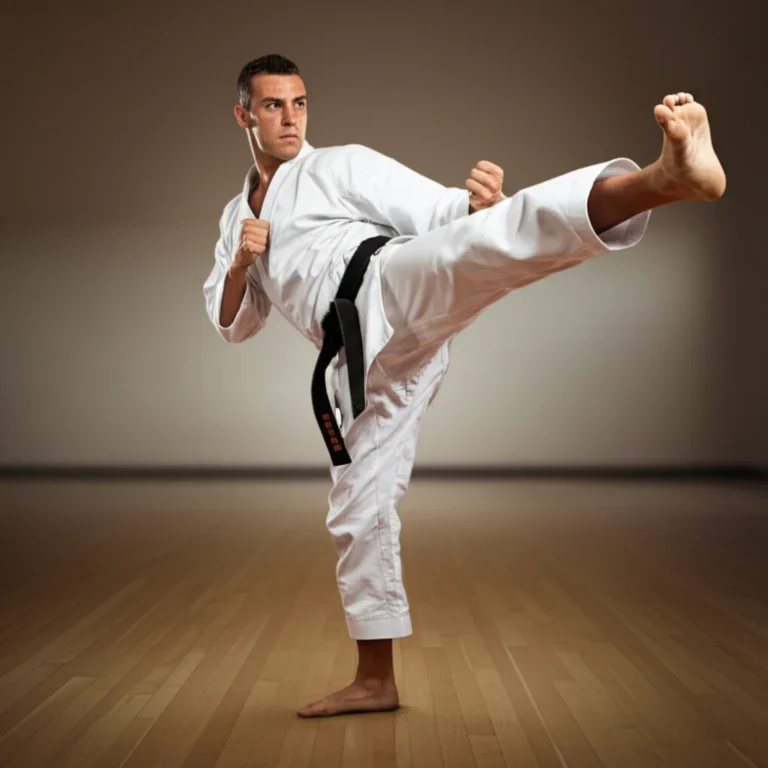
5. 🥋 Karate: The Classic Japanese Martial Art Everyone Recognizes
Karate, the classic Japanese martial art known for its powerful strikes and emphasis on self-defense, has become one of the most popular martial arts in the world. It’s a disciplined and challenging art that combines physical techniques, mental focus, and philosophical principles.
🇯🇵 The History of Karate
Karate has a long and rich history, dating back to the Ryukyu Kingdom (present-day Okinawa, Japan) in the 14th century. It was originally developed as a form of self-defense for the local people, who were forbidden from carrying weapons. Karate was later introduced to mainland Japan in the early 20th century, where it quickly gained popularity.
🥋 The Techniques of Karate
Karate is known for its powerful strikes and blocks, which are delivered with speed and precision. Here are some of the key techniques:
- Strikes: Karate strikes include punches, kicks, elbows, and knees.
- Blocks: Karate blocks are used to defend against strikes and kicks.
- Forms (Kata): Karate forms are pre-arranged sequences of movements that teach technique, balance, and coordination.
- Sparring (Kumite): Karate sparring is a controlled form of combat that helps practitioners develop their fighting skills.
🏋️♂️ The Training of Karate
Karate training is intense and demanding. It involves a combination of:
- Technical Drills (Kihon): Practitioners learn the basic techniques of Karate through drills.
- Forms (Kata): Practitioners practice forms to refine their technique and develop their understanding of Karate principles.
- Sparring (Kumite): Practitioners spar with each other to test their skills and develop their fighting strategies.
🏆 The Benefits of Karate
Karate offers a wide range of benefits, including:
- Improved Physical Fitness: Karate training is a full-body workout that builds strength, flexibility, endurance, and coordination.
- Self-Defense Skills: Karate provides effective self-defense skills that can be used in real-world situations.
- Discipline and Focus: Karate training teaches discipline, focus, and self-control.
- Stress Relief: Karate can be a great way to relieve stress and tension.
⚠️ The Risks of Karate
Karate is a high-impact martial art, and there is a risk of injury. Here are some of the potential risks:
- Concussions: Head injuries are a risk in any striking martial art, and Karate is no exception.
- Broken Bones: Broken bones are also a risk, especially in full-contact sparring.
- Overtraining: It’s important to listen to your body and avoid overtraining.
💡 Choosing a Karate Dojo
If you’re interested in learning Karate, it’s important to choose a reputable dojo with qualified instructors. Look for a dojo that:
- Has experienced instructors: Make sure the instructors are certified and have a proven track record.
- Offers a safe training environment: The dojo should have adequate space, equipment, and safety protocols.
- Has a good reputation: Talk to other students or read online reviews to get a sense of the dojo’s culture and atmosphere.
6. 🐉 Kung Fu: The Ancient Chinese Martial Art of Fluid Power
Kung Fu, the ancient Chinese martial art known for its fluid movements, powerful strikes, and deep philosophical roots, has captivated the imaginations of people worldwide. It’s a diverse and challenging art that encompasses a wide range of styles, techniques, and philosophies.
🇨🇳 The History of Kung Fu
Kung Fu has a long and rich history, dating back to ancient China. It’s believed to have originated in the Shaolin Temple around the 5th century AD, and it was originally developed as a form of self-defense for Buddhist monks. Over time, Kung Fu evolved into a complex and sophisticated martial art that encompasses a wide range of styles, techniques, and philosophies.
🐉 The Styles of Kung Fu
Kung Fu is a diverse martial art with many different styles, each with its own unique characteristics and techniques. Here are some of the most well-known styles:
- Shaolin Kung Fu: Shaolin Kung Fu is known for its powerful strikes, acrobatic movements, and emphasis on physical strength.
- Wing Chun: Wing Chun is a unique style of Kung Fu that emphasizes speed, precision, and close-range combat.
- Tai Chi: Tai Chi is a gentle style of Kung Fu that emphasizes relaxation, balance, and inner harmony.
🥋 The Techniques of Kung Fu
Kung Fu techniques are known for their fluidity, power, and effectiveness. Here are some of the key techniques:
- Strikes: Kung Fu strikes include punches, kicks, elbows, and knees.
- Blocks: Kung Fu blocks are used to defend against strikes and kicks.
- Forms (Tao Lu): Kung Fu forms are pre-arranged sequences of movements that teach technique, balance, and coordination.
- Weapons: Many Kung Fu styles also involve the use of weapons, such as swords, staffs, and knives.
🏋️♂️ The Training of Kung Fu
Kung Fu training is intense and demanding. It involves a combination of:
- Technical Drills: Practitioners learn the basic techniques of Kung Fu through drills.
- Forms (Tao Lu): Practitioners practice forms to refine their technique and develop their understanding of Kung Fu principles.
- Sparring: Practitioners spar with each other to test their skills and develop their fighting strategies.
- Meditation: Many Kung Fu styles also emphasize meditation to cultivate mindfulness and inner peace.
🏆 The Benefits of Kung Fu
Kung Fu offers a wide range of benefits, including:
- Improved Physical Fitness: Kung Fu training is a full-body workout that builds strength, flexibility, endurance, and coordination.
- Self-Defense Skills: Kung Fu provides effective self-defense skills that can be used in real-world situations.
- Discipline and Focus: Kung Fu training teaches discipline, focus, and self-control.
- Stress Relief: Kung Fu can be a great way to relieve stress and tension.
- Cultural Enrichment: Learning Kung Fu can provide insights into Chinese culture and philosophy.
⚠️ The Risks of Kung Fu
Kung Fu is a high-impact martial art, and there is a risk of injury. Here are some of the potential risks:
- Concussions: Head injuries are a risk in any striking martial art, and Kung Fu is no exception.
- Broken Bones: Broken bones are also a risk, especially in full-contact sparring.
- Overtraining: It’s important to listen to your body and avoid overtraining.
💡 Choosing a Kung Fu School
If you’re interested in learning Kung Fu, it’s important to choose a reputable school with qualified instructors. Look for a school that:
- Has experienced instructors: Make sure the instructors are certified and have a proven track record.
- Offers a safe training environment: The school should have adequate space, equipment, and safety protocols.
- Has a good reputation: Talk to other students or read online reviews to get a sense of the school’s culture and atmosphere.
7. 🤼♂️ Aikido: The Art of Peaceful Defense and Redirection
Aikido, the Japanese martial art known for its emphasis on peaceful defense and redirection of an attacker’s energy, is a unique and challenging art that has gained popularity worldwide. It’s a non-aggressive and effective art that emphasizes harmony, balance, and self-improvement.
🇯🇵 The History of Aikido
Aikido was developed by Morihei Ueshiba in the early 20th century. Ueshiba was inspired by traditional Japanese martial arts and his own experiences in warfare. He believed that martial arts should be used for self-defense and the protection of others, not for violence or aggression. Aikido emphasizes harmony and balance between the practitioner and their opponent, seeking to redirect an attacker’s energy rather than confront it directly.
🥋 The Techniques of Aikido
Aikido techniques are known for their fluidity, grace, and effectiveness. They involve using an attacker’s momentum and force against them, often through joint locks, throws, and pins. Aikido practitioners also emphasize mindfulness and awareness, seeking to understand their opponent’s intentions and respond accordingly.
🏋️♂️ The Training of Aikido
Aikido training is intense and demanding, but it’s also gentle and accessible to people of all ages and physical abilities. It involves a combination of:
- Technical Drills: Practitioners learn the basic techniques of Aikido through drills.
- Forms (Kata): Aikido forms are pre-arranged sequences of movements that teach technique, balance, and coordination.
- Randori: Randori is a form of free practice where practitioners work with each other to develop their skills and understanding of Aikido principles.
🏆 The Benefits of Aikido
Aikido offers a wide range of benefits, including:
- Improved Physical Fitness: Aikido training is a full-body workout that builds strength, flexibility, endurance, and coordination.
- Self-Defense Skills: Aikido provides effective self-defense skills that can be used in real-world situations.
- Stress Relief: Aikido can be a great way to relieve stress and tension.
- Mental Clarity: Aikido can improve focus, concentration, and memory.
- Spiritual Development: Aikido emphasizes mindfulness and a sense of inner peace.
⚠️ The Risks of Aikido
Aikido is a relatively safe martial art, and there are few risks associated with it. However, it’s important to:
- Listen to your body: If you experience any pain or discomfort, stop and rest.
- Choose a qualified instructor: Make sure your instructor is experienced and knowledgeable.
💡 Choosing an Aikido Dojo
If you’re interested in learning Aikido, it’s important to choose a reputable dojo with qualified instructors. Look for a dojo that:
- Has experienced instructors: Make sure the instructors are certified and have a proven track record.
- Offers a welcoming and supportive environment: The dojo should be a place where you feel comfortable and supported.
- Has a good reputation: Talk to other students or read online reviews to get a sense of the dojo’s culture and atmosphere.
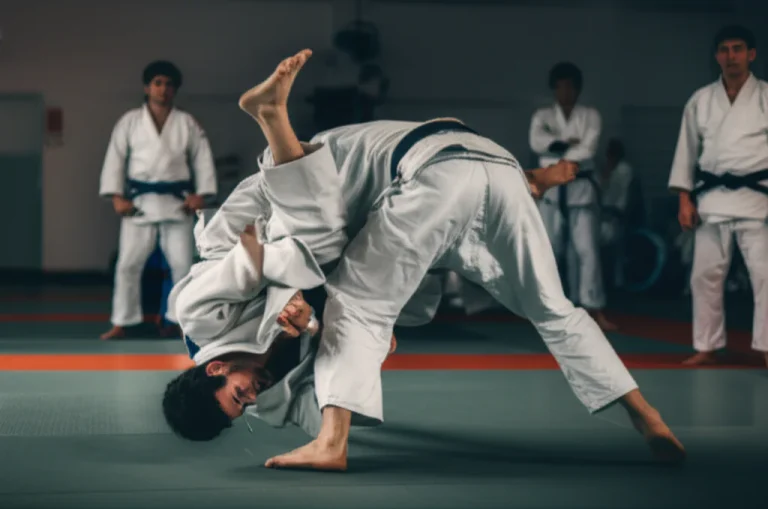
8. 🤼 Judo: The Gentle Way to Throw and Grapple Like a Pro
Judo, the Japanese martial art known for its emphasis on throws, grappling, and control, is a powerful and effective art that has become a popular sport and self-defense system worldwide. It’s a disciplined and challenging art that combines physical techniques, mental focus, and philosophical principles.
🇯🇵 The History of Judo
Judo was developed by Jigoro Kano in the late 19th century. Kano was inspired by traditional Japanese martial arts and his own experiences in education. He believed that martial arts should be used for self-improvement and the development of character, not for violence or aggression. Judo emphasizes respect, discipline, and cooperation, and it’s known for its gentle yet effective techniques that can be used for both self-defense and sport.
🥋 The Techniques of Judo
Judo techniques are known for their power, precision, and effectiveness. They involve using an opponent’s momentum and force against them, often through throws, takedowns, pins, and submissions. Judo practitioners also emphasize balance, timing, and leverage, seeking to control their opponent and bring them to the ground safely.
🏋️♂️ The Training of Judo
Judo training is intense and demanding, but it’s also accessible to people of all ages and physical abilities. It involves a combination of:
- Technical Drills: Practitioners learn the basic techniques of Judo through drills.
- Forms (Kata): Judo forms are pre-arranged sequences of movements that teach technique, balance, and coordination.
- Randori: Randori is a form of free practice where practitioners work with each other to develop their skills and understanding of Judo principles.
🏆 The Benefits of Judo
Judo offers a wide range of benefits, including:
- Improved Physical Fitness: Judo training is a full-body workout that builds strength, flexibility, endurance, and coordination.
- Self-Defense Skills: Judo provides effective self-defense skills that can be used in real-world situations.
🏁 Conclusion: Your Martial Arts Journey Starts Here!
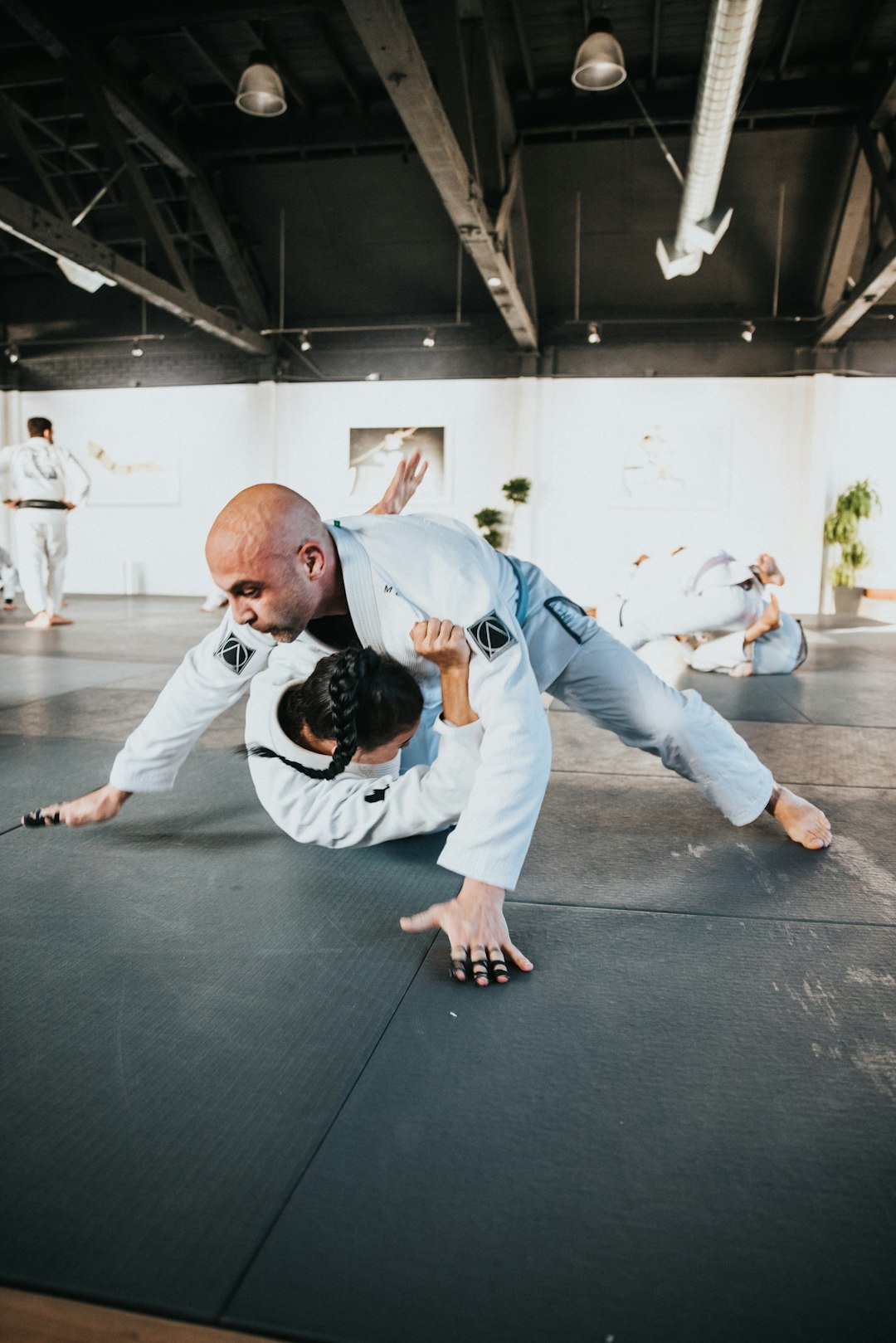
Wow, what a ride! From the ancient roots of Kung Fu and Karate to the modern intensity of Muay Thai and Kickboxing, we’ve peeled back the layers of martial arts styles that have shaped fighters, athletes, and enthusiasts worldwide. At Karate MMA™, we’ve seen firsthand how each style offers something unique—whether it’s the fluid grace of Tai Chi, the dynamic kicks of Taekwondo, or the ground mastery of Brazilian Jiu-Jitsu.
Remember, martial arts are as much about the mind and spirit as they are about physical prowess. Choosing the right style is like picking the perfect pair of shoes: it needs to fit your goals, personality, and lifestyle. Whether you want to build confidence, get fit, learn self-defense, or even compete professionally, there’s a martial art waiting for you.
If you’re still wondering which style to start with, consider trying a few beginner classes or watching some local gyms in action. The best way to learn is by doing—and trust us, the journey is as rewarding as the destination.
So, are you ready to step onto the mat and unleash your inner warrior? 🥋🔥
🔗 Recommended Links and Shopping
Ready to gear up or dive deeper? Here are some top picks and resources to get you started:
Martial Arts Gear and Equipment
- Muay Thai Gloves & Pads:
- Taekwondo Uniforms (Doboks):
- Karate Gi and Belts:
- Brazilian Jiu-Jitsu Gis:
Books to Deepen Your Martial Arts Knowledge
- The Tao of Jeet Kune Do by Bruce Lee — Amazon Link
- Muay Thai Unleashed by Erich Krauss — Amazon Link
- The Art of War by Sun Tzu (classic martial philosophy) — Amazon Link
- Karate-Do: My Way of Life by Gichin Funakoshi — Amazon Link
❓ Frequently Asked Questions About Martial Art Styles
What is the difference between Karate and Taekwondo?
Karate and Taekwondo are both striking martial arts but hail from different countries—Japan and Korea, respectively. Karate emphasizes hand techniques and linear strikes, with a strong focus on kata (forms) and powerful punches and kicks. Taekwondo, on the other hand, is famous for its dynamic, high, and spinning kicks, and is an Olympic sport with a competitive sparring focus. Both teach discipline and self-defense but have different training methods and philosophies. For a deeper dive, check out our Karate Techniques section.
What are the most popular martial art styles in the world?
The top martial arts by global popularity include:
- Karate (~100 million practitioners)
- Taekwondo (tens of millions worldwide)
- Brazilian Jiu-Jitsu (rapidly growing, especially in MMA circles)
- Muay Thai (the art of eight limbs)
- Judo (Olympic grappling art)
- Kung Fu (varied Chinese styles)
- Kickboxing and MMA also have huge followings.
Popularity often depends on cultural influence, sport recognition, and accessibility.
How do I choose the best martial art style for myself?
Start by asking:
- What are your goals? (Self-defense, fitness, competition, spiritual growth?)
- What’s your physical condition and age?
- Do you prefer striking, grappling, or a mix?
- What’s your personality? (Do you like fast-paced action or meditative flow?)
Try trial classes, watch videos, and talk to instructors. Your best fit is the style that keeps you motivated and excited to train.
What are the benefits of practicing martial arts for fitness and self-defense?
Martial arts provide a full-body workout improving strength, flexibility, endurance, and coordination. They also teach mental toughness, focus, and discipline. Self-defense skills gained can boost confidence and personal safety. Plus, martial arts foster community and camaraderie, which is great for motivation.
What is the history and origin of Karate and other Eastern martial arts?
Karate originated in Okinawa, Japan, influenced by indigenous fighting styles and Chinese martial arts. It was developed as a weaponless self-defense system during times when weapons were banned. Other Eastern arts like Kung Fu have roots in ancient China’s Shaolin Temple, while Taekwondo evolved in Korea post-WWII, blending indigenous and Japanese influences. For more historical insights, visit our Martial Arts History archive.
Can I learn martial arts at home or do I need to join a studio or gym?
While you can start learning basics at home through online tutorials, joining a qualified gym or dojo is highly recommended. Martial arts require proper technique, safety, and feedback from experienced instructors to avoid injury and progress effectively. Plus, training with partners is essential for realistic practice.
What are the different belt levels and rankings in various martial art styles?
Belt systems vary by style but generally progress from white (beginner) to black (expert) with multiple colored belts in between. For example, Karate and Taekwondo have 8-10 colored belts before black belt, while Brazilian Jiu-Jitsu uses a more gradual system with belts like blue, purple, brown, and black. Rankings often reflect skill, knowledge, and time spent training.
How long does it take to become proficient in a martial art?
Proficiency depends on the style, training frequency, and individual dedication. Generally, it takes 3-5 years of consistent training to reach a solid intermediate level, with black belt levels often requiring 5-10 years or more. Remember, martial arts are a lifelong journey!
Are martial arts suitable for children and seniors?
✅ Absolutely! Many styles offer age-appropriate classes. Martial arts help children develop coordination, discipline, and confidence. Seniors benefit from improved balance, flexibility, and mental focus. Always choose a school that tailors training to the participant’s age and ability.
🔗 Reference Links and Further Reading
- GymDesk: Different Types of Martial Arts
- Wikipedia: List of Martial Arts
- Wod.guru: 20 Popular Types of Martial Arts Styles
- Fairtex Official Website
- Adidas Martial Arts Gear
- Shureido Karate Gear
- Atama Brazilian Jiu-Jitsu
- Karate MMA™ Martial Arts History
- Karate MMA™ Fighter Profiles
- Karate MMA™ Karate Techniques
- Karate MMA™ Fight Analysis and Breakdowns
- Karate MMA™ Karate and MMA News
Ready to take the next step? Whether you’re lacing up your gloves for Muay Thai or perfecting your kata in Karate, the world of martial arts is waiting for you. Let’s get training! 🥋🔥