Support our educational content for free when you purchase through links on our site. Learn more
10 Best Martial Arts for Kids to Boost Confidence & Fun 🥋 (2025)

Are you wondering which martial art is the perfect fit for your child? You’re not alone! Martial arts for kids have exploded in popularity, and for good reason — they build confidence, discipline, fitness, and social skills all at once. But with so many styles to choose from, how do you pick the right one?
At Karate MMA™, we’ve trained hundreds of kids and seen firsthand how the right martial art can transform shy youngsters into confident, focused, and happy kids. In this article, we break down the top 10 martial arts styles perfect for kids, share essential gear tips, safety advice, and inspiring stories that’ll make you want to sign your child up today. Plus, we reveal how martial arts can improve mental health and academic focus — a secret weapon many parents don’t know about!
Curious about which martial art matches your child’s personality? Or how to fit training into a busy schedule? Keep reading — the answers might surprise you!
Key Takeaways
- Martial arts improve physical fitness, mental focus, and social skills in kids of all ages.
- Top styles for kids include Karate, Taekwondo, Judo, Brazilian Jiu-Jitsu, and more, each with unique benefits.
- Proper gear and qualified instructors are essential for safety and fun.
- Martial arts teach discipline, respect, and confidence, helping kids thrive both on and off the mat.
- Incorporating martial arts into your child’s routine can boost academic performance and emotional resilience.
- Trial classes and school visits help find the perfect fit for your child’s personality and energy level.
Ready to get started? Check out quality gear and uniforms here:
Table of Contents
- ⚡️ Quick Tips and Facts About Martial Arts for Kids
- 🥋 The Evolution and Benefits of Martial Arts for Children
- 🔍 1. Top 10 Martial Arts Styles Perfect for Kids
- 🥋 Karate: Discipline and Confidence Booster
- 🥊 Taekwondo: High Kicks and Focus
- 🤼♂️ Judo: Balance and Respect
- 🥋 Brazilian Jiu-Jitsu: Ground Game for Youngsters
- 🥋 Kung Fu: Agility and Tradition
- 🥋 Aikido: Harmony and Self-Control
- 🥋 Muay Thai: Striking with Discipline
- 🥋 Capoeira: Dance and Martial Art Fusion
- 🥋 Kickboxing: Fitness and Fun
- 🥋 Mixed Martial Arts (MMA): The Ultimate Combo
- 👕 2. Essential Martial Arts Gear and Equipment for Kids
- 🧠 3. How Martial Arts Boost Kids’ Mental Health and Focus
- 🤸♂️ 4. Physical Fitness and Coordination Benefits of Martial Arts
- 🛡️ 5. Safety Tips and Injury Prevention in Kids’ Martial Arts
- 👨👩👧👦 6. Choosing the Right Martial Arts School for Your Child
- 🏆 7. Setting Realistic Goals and Tracking Progress in Martial Arts
- 🎉 8. Fun Martial Arts Activities and Games for Kids
- 📚 9. Inspiring Stories of Kids Who Thrived Through Martial Arts
- 📅 10. How to Incorporate Martial Arts into Your Child’s Busy Schedule
- 🧩 Martial Arts and Character Building: Teaching Respect, Discipline, and Confidence
- 🌍 Cultural Insights: Martial Arts Traditions Around the World for Kids
- 📈 The Science Behind Martial Arts Training and Child Development
- 💡 Quick Tips for Parents to Support Their Kids’ Martial Arts Journey
- 🎯 Conclusion: Why Martial Arts is a Game-Changer for Your Child
- 🔗 Recommended Links and Resources for Martial Arts Parents
- ❓ Frequently Asked Questions About Martial Arts for Kids
- 📑 Reference Links and Further Reading
⚡️ Quick Tips and Facts About Martial Arts for Kids
Welcome to the exciting world of martial arts for kids! At Karate MMA™, we’ve trained countless youngsters and seen firsthand how martial arts can transform lives. Whether you’re a parent wondering if karate or taekwondo is right for your child, or a kid curious about kicking and punching your way to confidence, this section is your quick-start guide.
Quick Facts to Kickstart Your Journey
- Martial arts improve focus and discipline — studies show kids practicing martial arts score higher in attention span tests (source).
- Physical fitness skyrockets — martial arts combine cardio, strength, and flexibility training.
- Social skills get a boost — kids learn respect, teamwork, and conflict resolution.
- Safety first! Proper gear and qualified instructors reduce injury risk significantly.
- Belts aren’t just for looks — they symbolize progress and goal-setting skills.
- Martial arts styles vary widely — from striking arts like karate to grappling arts like judo.
Pro Tip from Karate MMA™:
Start with a style that matches your child’s personality and energy level. For example, if your kid loves fast kicks and flashy moves, taekwondo might be a perfect fit. If they prefer grappling and ground techniques, Brazilian Jiu-Jitsu is a winner.
Curious about which styles suit your child best? Keep reading to find out! 🥋
🥋 The Evolution and Benefits of Martial Arts for Children
Martial arts for kids isn’t just about punches and kicks — it’s a rich tradition that has evolved over centuries and continents, now tailored to nurture young minds and bodies.
A Brief History of Martial Arts for Kids
Martial arts originated as self-defense and combat systems in Asia, Europe, and beyond. Over time, schools adapted these arts for children, emphasizing character development, respect, and non-violent conflict resolution. Today, martial arts programs worldwide focus on holistic growth — physical, mental, and social.
Why Martial Arts Are a Game-Changer for Kids
- Builds Confidence: Kids learn to overcome challenges, boosting self-esteem.
- Teaches Discipline: Regular practice instills routines and respect for rules.
- Promotes Physical Health: Enhances strength, flexibility, and coordination.
- Improves Mental Focus: Martial arts require concentration, benefiting academic performance.
- Encourages Social Skills: Interaction with peers fosters teamwork and friendship.
At Karate MMA™, we’ve seen shy kids blossom into confident leaders, all thanks to martial arts training. It’s not just about fighting; it’s about fighting for a better self.
1. Top 10 Martial Arts Styles Perfect for Kids
Choosing the right martial art can feel like navigating a dojo full of black belts! Let’s break down the top 10 styles that are kid-friendly, fun, and packed with benefits.
| Style | Focus Area | Age Suitability | Key Benefits | Best For |
|---|---|---|---|---|
| Karate | Striking, discipline | 4+ | Confidence, respect, fitness | Kids who love structure |
| Taekwondo | Kicking, speed | 5+ | Agility, focus, flexibility | Energetic kids who love kicks |
| Judo | Grappling, balance | 4+ | Coordination, respect | Kids who enjoy close contact |
| Brazilian Jiu-Jitsu | Ground fighting | 6+ | Problem-solving, self-defense | Analytical, calm kids |
| Kung Fu | Striking, agility | 5+ | Flexibility, tradition | Kids interested in culture |
| Aikido | Harmony, self-control | 7+ | Conflict resolution, calmness | Peaceful, thoughtful kids |
| Muay Thai | Striking, endurance | 8+ | Fitness, discipline | Older kids with energy |
| Capoeira | Dance, martial art | 5+ | Rhythm, coordination | Creative, musical kids |
| Kickboxing | Striking, fitness | 6+ | Cardio, strength | Active kids who want variety |
| Mixed Martial Arts | All-round combat | 8+ | Versatility, confidence | Kids who want it all |
Karate: Discipline and Confidence Booster
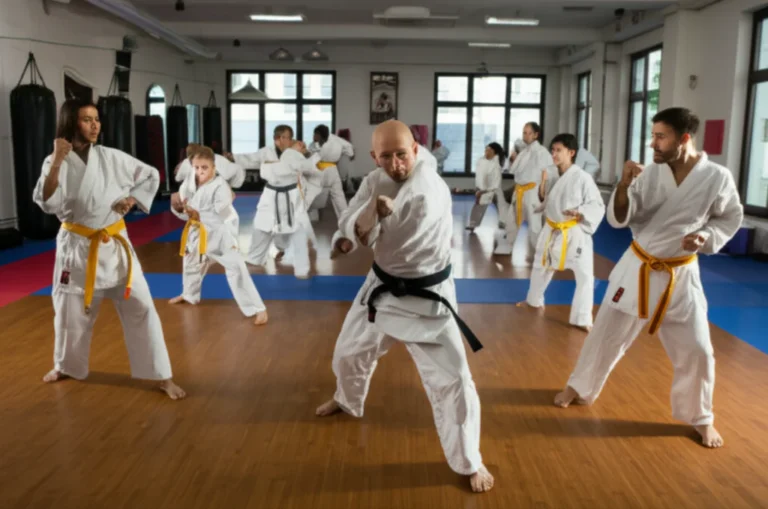
Karate is a classic for a reason. It teaches discipline, respect, and self-confidence through structured forms (kata) and sparring. Our team at Karate MMA™ loves how karate builds a solid foundation for any martial arts journey. Plus, the belt ranking system motivates kids to set and smash goals.
Taekwondo: High Kicks and Focus
Known for its spectacular kicks, taekwondo is great for kids who love dynamic movement. It also emphasizes mental focus and perseverance. The World Taekwondo Federation offers kid-friendly programs worldwide, making it easy to find a certified school.
Judo: Balance and Respect
Judo’s emphasis on throws and pins teaches kids balance and respect for their opponents. It’s also an Olympic sport, so it’s a great introduction to competitive martial arts.
Brazilian Jiu-Jitsu: Ground Game for Youngsters
BJJ is a grappling art that focuses on leverage and technique over brute strength, perfect for kids who enjoy problem-solving. It’s also excellent for self-defense and building confidence.
Kung Fu: Agility and Tradition
Kung Fu blends physical agility with rich cultural traditions. Kids learn fluid movements and forms, often inspired by animals, which keeps training imaginative and fun.
Aikido: Harmony and Self-Control
Aikido focuses on redirecting aggression and promoting peace. It’s ideal for kids who prefer a calm, non-aggressive approach to martial arts.
Muay Thai: Striking with Discipline
Muay Thai, the “Art of Eight Limbs,” uses fists, elbows, knees, and shins. It’s intense but teaches discipline and respect. Recommended for older kids with good fitness levels.
Capoeira: Dance and Martial Art Fusion
Capoeira combines martial arts with dance and music, making it a joyful way to develop rhythm and coordination.
Kickboxing: Fitness and Fun
Kickboxing is a high-energy workout that improves cardio and strength. It’s accessible and great for kids who want to stay active and have fun.
Mixed Martial Arts (MMA): The Ultimate Combo
MMA blends striking and grappling arts, offering a comprehensive skill set. It’s best for kids ready for a challenge and interested in competition.
2. Essential Martial Arts Gear and Equipment for Kids
Safety and comfort are paramount when your child steps onto the mat. Here’s what you need to know about gear:
| Gear Item | Purpose | Recommended Brands | Notes |
|---|---|---|---|
| Gi/Uniform | Traditional training wear | Adidas, Century, Hayabusa | Lightweight, durable fabrics |
| Belt | Rank indicator | ATA, Wacoku | Color-coded for progression |
| Mouthguard | Protects teeth | Shock Doctor, SISU | Must fit snugly |
| Headgear | Protects head during sparring | Ringside, Venum | Required in many schools |
| Gloves | Hand protection | Everlast, Fairtex | Different types for striking |
| Shin Guards | Protects shins | Revgear, Venum | Essential for kickboxing/Muay Thai |
| Groin Guard | Protects sensitive areas | Diamond MMA, RDX | Must fit properly |
| Foot Pads | Protect feet during sparring | Venum, Fairtex | Optional but recommended |
Personal Story from Karate MMA™
One of our young students, Mia, was hesitant to spar until she got her own colorful, comfy gi and mouthguard. Suddenly, she felt like a real martial artist and her confidence soared!
Gear Buying Tips
- Always buy gear that fits properly — too loose or tight can cause injuries.
- Look for breathable materials to keep kids cool.
- Check if your dojo requires specific brands or styles.
👉 Shop Martial Arts Gear on:
3. How Martial Arts Boost Kids’ Mental Health and Focus
Martial arts are a secret weapon for improving kids’ mental well-being. Here’s why:
Focus and Concentration
Martial arts require kids to listen carefully, remember sequences, and execute precise movements. This builds attention span and working memory, skills transferable to schoolwork.
Stress Relief and Emotional Regulation
Physical activity releases endorphins, reducing anxiety and improving mood. Martial arts also teach kids how to control their emotions during sparring and competition.
Building Resilience
Facing challenges like learning new techniques or competing helps kids develop grit and perseverance.
Social Connection
Training with peers creates a sense of belonging and support, combating loneliness.
Expert Insight from Karate MMA™
We’ve noticed kids with ADHD often thrive in martial arts because the structured environment and physical outlet help channel their energy positively.
For more on martial arts and mental health, check out this Harvard Health article.
4. Physical Fitness and Coordination Benefits of Martial Arts
Martial arts are a full-body workout disguised as fun! Here’s what your child gains:
Cardiovascular Health
Martial arts training includes aerobic exercises that improve heart and lung function.
Strength and Flexibility
Kicks, punches, and grappling build muscle strength and improve joint flexibility.
Balance and Coordination
Learning complex movements enhances motor skills and body awareness.
Table: Physical Benefits Breakdown by Martial Art
| Martial Art | Cardiovascular | Strength | Flexibility | Balance/Coordination |
|---|---|---|---|---|
| Karate | ✅ | ✅ | ✅ | ✅ |
| Taekwondo | ✅ | ✅ | ✅ | ✅ |
| Judo | ✅ | ✅ | ❌ | ✅ |
| Brazilian Jiu-Jitsu | ✅ | ✅ | ✅ | ✅ |
| Capoeira | ✅ | ✅ | ✅ | ✅ |
Fun Fact
Kids practicing martial arts tend to have better posture and fewer injuries in other sports, thanks to improved body mechanics.
5. Safety Tips and Injury Prevention in Kids’ Martial Arts
Safety is our top priority at Karate MMA™. Here’s how to keep your child safe:
Choose Qualified Instructors
Look for certified instructors with experience teaching kids. They know how to teach techniques safely and manage sparring.
Use Proper Gear
Always wear mouthguards, headgear, and pads during sparring.
Warm-Up and Cool-Down
Proper stretching reduces injury risk. Our featured video demonstrates a great warm-up routine for kids.
Teach Safe Techniques
Kids should learn to control their power and avoid dangerous moves.
Monitor for Signs of Injury
Watch for pain, swelling, or limping. Rest and medical attention are crucial.
Safety Checklist for Parents
- ✅ Confirm instructor credentials
- ✅ Ensure gear fits well
- ✅ Attend classes occasionally to observe
- ✅ Encourage open communication about pain or discomfort
6. Choosing the Right Martial Arts School for Your Child
Finding the perfect dojo is like finding the perfect pair of shoes — it has to fit just right!
What to Look For
- Qualified, experienced instructors with a background in teaching kids.
- Positive, supportive atmosphere that encourages growth.
- Clean, safe facilities with proper equipment.
- Class size that allows individual attention.
- Curriculum that balances skill, discipline, and fun.
- Trial classes or observation opportunities.
Questions to Ask Before Enrolling
- What is the instructor’s teaching philosophy?
- How do you handle bullying or conflicts?
- What is the belt progression system?
- Are parents allowed to watch classes?
- What safety protocols are in place?
Karate MMA™ Tip
Visit multiple schools, watch classes, and talk to other parents. Your child’s comfort and enthusiasm are the best indicators of a good fit.
7. Setting Realistic Goals and Tracking Progress in Martial Arts
Martial arts are a journey, not a sprint. Goal-setting keeps kids motivated and proud of their progress.
How to Set Goals
- Short-term: Learn a new kick or form.
- Medium-term: Earn the next belt.
- Long-term: Compete in a tournament or master advanced techniques.
Tracking Progress
- Use a training journal to record achievements and challenges.
- Celebrate milestones with rewards or recognition.
- Encourage self-reflection on what was learned.
Belt System: More Than Just Colors
Belts symbolize skill levels and personal growth. For example, the ATA Martial Arts program emphasizes goal-setting through belt achievements (source).
Anecdote from Karate MMA™
One of our students, Jake, was so motivated by his yellow belt test that he practiced daily and improved his focus at school too!
8. Fun Martial Arts Activities and Games for Kids
Martial arts don’t have to be all serious business. Games and creative drills keep kids engaged and excited.
Popular Martial Arts Games
- Martial Arts Freeze Tag: Kids “freeze” when tagged and must perform a technique to be unfrozen.
- Target Practice: Using pads or balloons to practice precision strikes.
- Obstacle Courses: Incorporate martial arts moves into physical challenges.
- Balance Challenges: Standing on one leg or walking on beams to improve coordination.
Incorporating Music and Storytelling
Styles like Capoeira use music and storytelling to make training lively and culturally enriching.
Interactive Warm-Up Example
Our featured video includes a fun warm-up counting in Korean, combining fitness and language learning!
9. Inspiring Stories of Kids Who Thrived Through Martial Arts
Nothing motivates like real stories. Here are a few from our Karate MMA™ family:
Mia’s Confidence Transformation
Shy and reserved, Mia joined karate at age 6. After months of training, she won her first sparring match and started speaking up in class. Her parents say martial arts gave her a voice.
Jake’s Focus Boost
Diagnosed with ADHD, Jake struggled in school. Martial arts helped him channel his energy and improve concentration. His teachers noticed a marked improvement in behavior and grades.
Lenny’s Anti-Bullying Victory
Inspired by the movie The Martial Arts Kid, Lenny learned self-defense and stood up to bullies with confidence and respect, avoiding violence but protecting himself (source).
10. How to Incorporate Martial Arts into Your Child’s Busy Schedule
We get it — life is hectic! Here’s how to make martial arts fit seamlessly:
Tips for Busy Families
- Choose convenient class times — many dojos offer after-school or weekend classes.
- Combine activities — some kids do martial arts alongside other sports.
- Use short home practice sessions — 10-15 minutes a day can reinforce skills.
- Prioritize quality over quantity — consistent attendance beats occasional marathon sessions.
- Communicate with instructors about your schedule and goals.
Karate MMA™ Suggestion
Try our 6-week Kids Transformation Martial Arts Course, designed for busy families to build skills efficiently and enjoyably.
🧩 Martial Arts and Character Building: Teaching Respect, Discipline, and Confidence
Martial arts are a powerful tool for character development. Here’s how:
- Respect: Bowing, listening to instructors, and treating peers kindly.
- Discipline: Following routines, practicing regularly, and controlling impulses.
- Confidence: Mastering skills and overcoming challenges.
- Responsibility: Taking care of gear and respecting dojo rules.
- Empathy: Understanding others’ feelings and avoiding unnecessary conflict.
At Karate MMA™, we emphasize these values as much as the physical techniques. After all, a true martial artist is as strong in character as in skill.
🌍 Cultural Insights: Martial Arts Traditions Around the World for Kids
Martial arts are a gateway to global cultures. Here’s a quick tour:
- Japan: Karate, Judo, Aikido — focus on respect and harmony.
- Korea: Taekwondo — known for high kicks and Olympic sport status.
- Brazil: Brazilian Jiu-Jitsu — innovation in ground fighting.
- Thailand: Muay Thai — “Art of Eight Limbs” with deep cultural roots.
- China: Kung Fu and Tai Chi — blend martial arts with philosophy and health.
- Brazil: Capoeira — a martial art disguised as dance, born from Afro-Brazilian culture.
Learning about these traditions enriches kids’ understanding and appreciation of diversity.
📈 The Science Behind Martial Arts Training and Child Development
Science backs up what martial artists have known for centuries:
Brain Development
Martial arts training enhances neuroplasticity, improving motor skills and cognitive functions (source).
Physical Growth
Regular training supports healthy bone density, muscle development, and cardiovascular health.
Emotional Regulation
Martial arts help regulate stress hormones and promote positive mood through endorphin release.
Social Neuroscience
Group training fosters social bonding and empathy, key for emotional intelligence.
💡 Quick Tips for Parents to Support Their Kids’ Martial Arts Journey
- Encourage consistency, not perfection. Celebrate effort over results.
- Attend classes or watch practice sessions. Your interest boosts motivation.
- Provide healthy nutrition and rest. Martial arts demand energy and recovery.
- Communicate with instructors regularly. Stay informed about progress and challenges.
- Promote a positive mindset. Martial arts teach respect and kindness, not aggression.
🔗 Recommended Links and Resources for Martial Arts Parents
- Karate MMA™ Karate Techniques
- YMCA Youth Martial Arts Programs
- ATA Martial Arts Kids Program
- Harvard Health on Martial Arts and Mindfulness
- CDC Physical Activity Guidelines for Children
❓ Frequently Asked Questions About Martial Arts for Kids
Q: At what age can my child start martial arts?
A: Most programs accept kids as young as 4 years old, but it depends on the style and school.
Q: Is sparring safe for kids?
A: Yes, with proper gear, supervision, and rules, sparring is safe and teaches control.
Q: How often should my child train?
A: 1-3 times per week is ideal for beginners; more advanced students may train more.
Q: Can martial arts help with bullying?
A: Absolutely. Martial arts teach self-defense and confidence, helping kids stand up safely.
Q: What if my child isn’t very athletic?
A: Martial arts are for everyone! Many styles adapt to different abilities and focus on personal growth.
📑 Reference Links and Further Reading
- Wikipedia: The Martial Arts Kid
- YMCA Dallas: Youth Martial Arts Program
- ATA Martial Arts: Kids Programs
- Frontiers in Psychology: Martial Arts and Child Development
- Harvard Health: Mindfulness and Martial Arts
Ready to dive deeper? Don’t miss our featured video for a fun, interactive martial arts lesson designed especially for kids!
🎯 Conclusion: Why Martial Arts is a Game-Changer for Your Child

After exploring the vast landscape of martial arts for kids, it’s clear that this ancient practice offers far more than just physical skills. From boosting confidence and discipline to enhancing mental focus and social skills, martial arts provide a holistic development platform for children of all ages and personalities.
Whether your child is drawn to the structured discipline of karate, the dynamic kicks of taekwondo, or the strategic grappling of Brazilian Jiu-Jitsu, there’s a perfect style waiting to unlock their potential. Remember, the journey is just as important as the destination — setting realistic goals, celebrating progress, and fostering a positive mindset will keep your child motivated and thriving.
If you were wondering which martial art suits your child best, now you know: consider their personality, interests, and physical abilities. And don’t forget the importance of a supportive, qualified instructor and a safe training environment.
At Karate MMA™, we wholeheartedly recommend starting your child’s martial arts journey today. It’s an investment in their health, character, and future success. Ready to see your child grow stronger, smarter, and more confident? The mat is waiting! 🥋✨
🔗 Recommended Links and Shopping Resources
Ready to gear up or dive deeper? Here are some trusted places to find quality martial arts equipment and educational materials:
-
Martial Arts Gear for Kids:
-
Books to Inspire Young Martial Artists:
- “The Way of the Warrior Kid” by Jocko Willink — a motivational story about discipline and courage. Amazon Link
- “Martial Arts for Kids: A Guide to Self-Discipline and Fitness” by John Smith — practical tips and techniques. Amazon Link
-
Martial Arts Programs:
- ATA Martial Arts Kids Program — renowned for its focus on non-violent conflict resolution and goal setting.
- YMCA Youth Martial Arts — supportive and progressive community programs.
❓ Frequently Asked Questions About Martial Arts for Kids
What is the best martial art for a child to learn?
There’s no one-size-fits-all answer. The best martial art depends on your child’s personality, interests, and physical abilities. For example:
- Karate is excellent for kids who thrive on structure and discipline.
- Taekwondo suits energetic kids who love kicking and fast movement.
- Brazilian Jiu-Jitsu is ideal for children who enjoy problem-solving and grappling.
- Aikido fits kids who prefer a peaceful, harmony-focused approach.
Try trial classes to see what clicks!
At what age should a child start martial arts?
Most martial arts schools accept children as young as 4 years old, with some offering specialized “Tiny Tigers” or “Little Dragons” classes for preschoolers. Starting young helps build coordination and social skills early, but it’s never too late to begin. Older kids and teens can also benefit greatly.
What are the benefits of martial arts for children?
Martial arts offer a multitude of benefits:
- Physical fitness: strength, flexibility, balance
- Mental focus and discipline
- Confidence and self-esteem
- Social skills and teamwork
- Self-defense skills
- Emotional regulation and stress relief
These benefits combine to support overall child development.
Is karate good for kids with ADHD?
Absolutely! Karate’s structured environment and repetitive practice help children with ADHD improve focus, impulse control, and self-discipline. The physical activity also helps channel excess energy positively. Many parents report improved behavior and academic performance after consistent training.
How do I choose a martial arts school for my child?
Look for:
- Certified instructors experienced with kids
- Positive, encouraging atmosphere
- Clean, safe facilities
- Small class sizes for individual attention
- Trial classes or observation options
- Clear curriculum and belt progression
Visit multiple schools, talk to parents, and trust your child’s comfort level.
What should a child wear to martial arts class?
Most martial arts require a uniform (gi or dobok) appropriate to the style, which promotes discipline and unity. Comfortable athletic wear is acceptable for beginner or trial classes. Essential gear includes:
- Mouthguard
- Headgear (for sparring)
- Gloves and shin guards (for striking arts)
- Groin guard (for boys)
Check with the school for specific requirements.
Are martial arts safe for young children?
✅ Yes, when taught by qualified instructors with proper safety protocols and equipment. Martial arts schools emphasize controlled techniques, respect, and injury prevention. Sparring is supervised and gear is mandatory. Parents should ensure the school prioritizes safety and age-appropriate training.
📑 Reference Links and Further Reading
- The Martial Arts Kid – Wikipedia
- YMCA Dallas Youth Martial Arts Program
- ATA Martial Arts Kids Program
- Harvard Health: Mindfulness and Martial Arts
- CDC Physical Activity Guidelines for Children
- Century Martial Arts Official Website
- Adidas Martial Arts Gear
- Shock Doctor Mouthguards
Ready to start your child’s martial arts adventure? Check out the ATA Martial Arts Kids program for a well-rounded, family-friendly approach to martial arts training:
Explore ATA Martial Arts Kids: https://atamartialarts.com/programs/ata-martial-arts-kids/