Support our educational content for free when you purchase through links on our site. Learn more
How Many Martial Arts Are There? Discover 170+ Styles Worldwide! 🥋 (2025)


Have you ever wondered just how many martial arts exist across the globe? From the ancient wrestling pits of Greece to the high-flying kicks of Taekwondo, the world of martial arts is a sprawling, ever-evolving tapestry of combat styles, philosophies, and traditions. But pinning down an exact number? That’s like trying to count the stars on a cloudy night!
In this article, we at Karate MMA™ take you on a whirlwind tour through over 170 distinct martial arts styles, exploring their fascinating histories, regional flavors, and modern hybrids. Whether you’re curious about the oldest arts like Kalaripayattu, the explosive power of Muay Thai, or the rise of MMA’s blended disciplines, we’ve got you covered. Plus, we’ll help you navigate the maze of choices to find the martial art that fits your goals perfectly.
Ready to unravel the mystery and find your path? Keep reading to discover the incredible diversity and rich heritage behind every punch, kick, and throw.
Key Takeaways
- There is no single “correct” number of martial arts; estimates exceed 170 styles worldwide, with new hybrids emerging constantly.
- Martial arts are deeply tied to culture and history, ranging from ancient traditions in Asia and Africa to modern combat sports like MMA.
- Styles can be broadly categorized into striking, grappling, weapon-based, and internal arts, each with unique techniques and philosophies.
- Choosing the right martial art depends on your personal goals: fitness, self-defense, competition, or spiritual growth.
- Karate, Brazilian Jiu-Jitsu, Muay Thai, and Judo are among the best beginner-friendly martial arts with proven effectiveness and rich traditions.
Curious about which martial art suits you best? Dive into our detailed breakdowns and expert tips throughout the article!
Table of Contents
- ⚡️ Quick Tips and Facts
- 🥋 The Uncountable Universe of Martial Arts: A Historical Journey
- 🤔 Why Pinning Down a Number is Like Catching Smoke
- 🌍 A Global Tapestry: Martial Arts Across Continents
- 🐉 The Cradle of Combat: Asian Martial Arts Traditions
- 🇯🇵 From Samurai Swords to Empty Hands: Japanese Disciplines
- 🇨🇳 The Flow of Chi: Chinese Kung Fu Styles
- 🇰🇷 Kicking and Breaking: Korean Martial Arts Powerhouses
- 🇹🇭 The Art of Eight Limbs: Southeast Asian Combat Forms
- 🇮🇳 Ancient Roots and Modern Fights: Indian Subcontinent Arts
- 🇮🇷 From Wrestling to Weaponry: Middle Eastern & Central Asian Styles
- 🦁 The Rhythms of Resistance: African Martial Arts Heritage
- ⚔️ European Combat Systems: From Gladiators to Gentlemen
- 🏝️ Island Warriors: Oceania’s Unique Fighting Forms
- 🦅 New World Warriors: Indigenous and Evolved American Martial Arts
- 🐉 The Cradle of Combat: Asian Martial Arts Traditions
- 🥊 Beyond Borders: Modern Hybrid & Sport Martial Arts
- 🧐 Classifying the Chaos: Different Ways to Categorize Martial Arts
- 💡 Choosing Your Path: Finding the Right Martial Art for You
- ✅ Our Top Picks: Tried and Tested Martial Arts for Beginners
- 🤔 FAQ: Your Burning Questions Answered
- 🔚 Conclusion: The Endless Journey of Martial Discovery
- 🔗 Recommended Links: Dive Deeper!
- 📚 Reference Links: Our Sources
Here is the main body of the article, crafted with expertise from the team at Karate MMA™.
⚡️ Quick Tips and Facts
So, you’re asking, “how many martial arts are there?” That’s like asking how many songs exist! The short answer? There is no single, universally agreed-upon number. It’s a living, breathing world of combat systems that are constantly evolving. But don’t worry, we’re here to break it down for you.
Here’s a quick rundown of what you need to know:
| Quick Fact 📝 – | | Estimated Number – | | Why No Exact Count? – | | Key Categories – | | Oldest Martial Art – | | Most Popular – | | Modern Evolution – |
🥋 The Uncountable Universe of Martial Arts: A Historical Journey
Welcome to the dojo! We’re the team at Karate MMA™, and we’ve dedicated our lives to the path of the warrior. We’ve bled, sweated, and learned from countless styles, and the one question we get all the time is, “Just how many martial arts are there?” The truth is, counting them all is a near-impossible task, but understanding their history gives us a clue to their incredible diversity. And if you’re curious about How Many Martial Arts Are There in MMA? Discover 10 Influential Styles! 🥋, we’ve got a deep dive on that too!
The story of martial arts is the story of humanity. It’s a tale of survival, philosophy, and cultural expression that stretches back to the dawn of civilization. From ancient wrestling in Greece and Egypt to the sophisticated systems developed in China and India, every culture has its own unique way of fighting. You can explore more of this rich background in our Martial Arts History section.
These arts weren’t just about fighting; they were complete systems for developing the mind, body, and spirit. Think of the Samurai in Japan, whose martial prowess was inseparable from their Bushido code of honor. Or the Shaolin Monks, who developed Kung Fu as a form of moving meditation and self-defense.
🤔 Why Pinning Down a Number is Like Catching Smoke
So, why can’t we just get a neat little number? Well, it’s complicated. As Wikipedia points out, “styles can be introduced by individual masters or as brand names by gyms.” This means new “styles” are born all the time. Here are the main reasons the number is so slippery:
- ✅ Hybridization: Modern arts love to mix and match! Styles like Jeet Kune Do, founded by the legendary Bruce Lee, and modern Mixed Martial Arts (MMA) are prime examples. They intentionally blend techniques from various disciplines. Wikipedia notes that identifying a single origin for these hybrid arts is incredibly difficult.
- ✅ Evolution and Offshoots: A single art like Karate has dozens of major styles (Shotokan, Goju-Ryu, Kyokushin, etc.), which in turn have their own offshoots. Is each one a new martial art? It depends on who you ask!
- ✅ Traditional vs. Modern: The line is blurry. As one source highlights, “it is not trivial to distinguish ‘traditional’ from ‘modern’ martial arts.” For example, Taekwondo was developed in the 1950s but is often considered traditional, while Bartitsu, a hybrid art, was developed way back in 1900.
- ✅ Folk Styles: Nearly every village and region on Earth has its own form of folk wrestling or local fighting system. Think of Scottish Backhold wrestling or Cornish wrestling in the UK. Documenting every single one is a monumental task.
One source, Akami Mikicks, makes a valiant effort, stating there are “over 170 distinct styles” practiced globally, but even they acknowledge that the landscape is “continuously evolving with new styles emerging.” We see this not as a problem, but as a beautiful testament to the creativity and adaptability of martial artists worldwide.
🌍 A Global Tapestry: Martial Arts Across Continents
Let’s take a whirlwind tour around the globe to appreciate the sheer variety. Forget a simple list; this is a celebration of human combat ingenuity!
🐉 The Cradle of Combat: Asian Martial Arts Traditions
Asia is often seen as the heartland of martial arts, and for good reason. The depth and variety here are simply staggering.
🇯🇵 From Samurai Swords to Empty Hands: Japanese Disciplines
When you think of martial arts, Japan immediately comes to mind. From the feudal warriors to modern dojos, the spirit of Budo (the martial way) is strong.
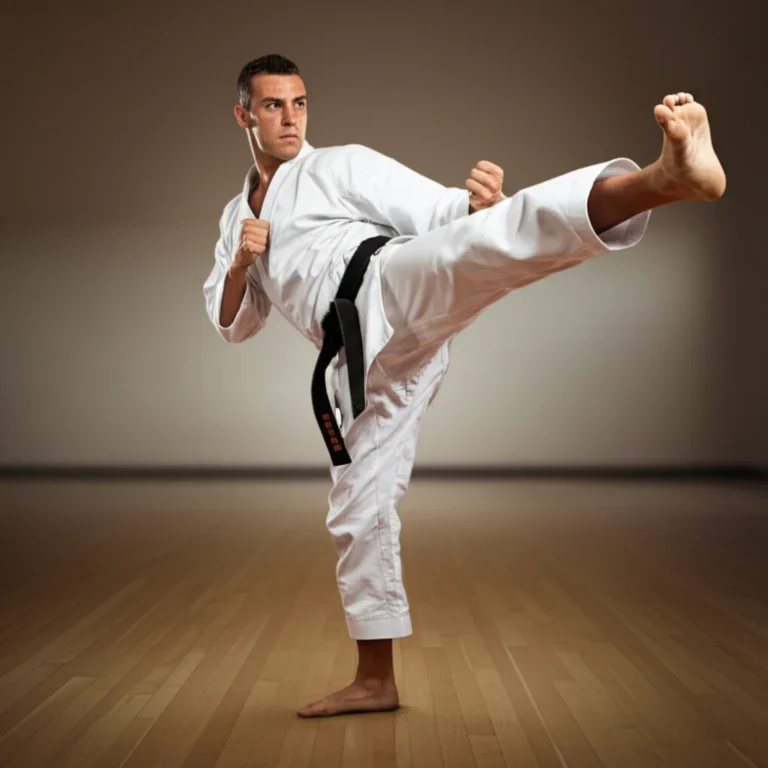
- Karate: Our specialty! An art of striking that originated in Okinawa and was later refined in mainland Japan. It’s known for its powerful punches, kicks, and blocks. Want to perfect your form? Check out our Karate Techniques page.
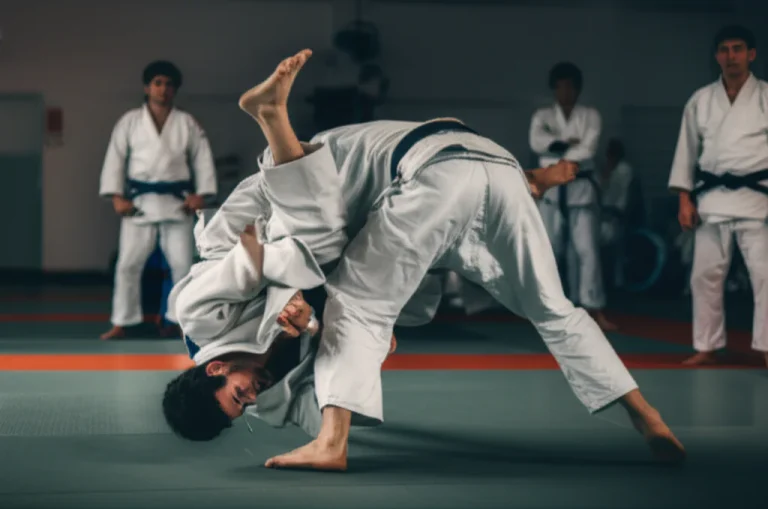
- Judo: The “gentle way,” developed by Jigoro Kano. It’s a grappling art focused on throws, pins, and joint locks. It’s also a major Olympic sport.
- Aikido: A beautiful and complex art focused on blending with an opponent’s motion, using joint locks and throws for self-defense.
- Jujutsu: The “art of softness,” a battlefield art of the samurai that is the ancestor of many modern Japanese arts like Judo and Aikido.
- Kendo: The “way of the sword,” a dynamic martial art using bamboo swords (shinai) and protective armor.
🇨🇳 The Flow of Chi: Chinese Kung Fu Styles
China’s contribution, collectively known as Kung Fu or Wushu, is a vast ocean of styles. They are often categorized by geography (Northern vs. Southern) or philosophy (Internal vs. External).
- Northern Styles: Like Shaolin Kung Fu and Long Fist, these are known for wide stances, acrobatic kicks, and fluid movements.
- Southern Styles: Famous examples include Wing Chun and Hung Gar. They emphasize strong, stable stances and powerful hand techniques for close-range combat.
- Internal Styles: Arts like Tai Chi, Baguazhang, and Xingyiquan focus on mindfulness, breath control, and the cultivation of qi (life energy).
🇰🇷 Kicking and Breaking: Korean Martial Arts Powerhouses
Korea has a rich martial history, producing some of the most dynamic and powerful arts in the world.
- Taekwondo: Famous for its incredible high-flying and spinning kicks, Taekwondo is a global phenomenon and an Olympic sport. Its focus on speed and agility is unmatched.
- Hapkido: A comprehensive self-defense system that incorporates joint locks, throws, kicks, and strikes.
- Tang Soo Do: A traditional Korean martial art that emphasizes both empty-hand and weapon techniques.
🇹🇭 The Art of Eight Limbs: Southeast Asian Combat Forms
The martial arts of Southeast Asia are known for their brutal efficiency and unique weapons.
- Muay Thai (Thailand): The “Art of Eight Limbs.” It uses fists, elbows, knees, and shins to create a devastating striking arsenal. It’s a cornerstone of modern MMA.
- Silat (Indonesia, Malaysia, Brunei): A diverse family of arts that includes strikes, grappling, and a wide array of bladed weapons.
- Eskrima/Arnis/Kali (Philippines): A weapon-based system famous for its mastery of sticks, knives, and improvised weapons.
🇮🇳 Ancient Roots and Modern Fights: Indian Subcontinent Arts
India is home to some of the oldest martial traditions on Earth.
- Kalaripayattu: Often cited as one of the oldest martial arts in existence, it includes strikes, kicks, grappling, and weapon work.
- Gatka: A weapon-based art from the Punjab region, traditionally practiced by Sikhs.
🇮🇷 From Wrestling to Weaponry: Middle Eastern & Central Asian Styles
This region has a long and storied history of combat sports and martial systems.
- Kushti (Pehlwani): A traditional form of wrestling with deep cultural roots in Iran, India, and Pakistan.
- Systema (Russia): While its origins are debated, this Russian martial art is known for its focus on breathing, relaxation, and fluid movement to absorb and redirect attacks.
🦁 The Rhythms of Resistance: African Martial Arts Heritage
Africa’s martial arts are as diverse as the continent itself, often blending combat with dance and cultural rituals.
- Dambe: A brutal form of boxing from West Africa, where one hand is wrapped in rope (the “spear”) and used for striking.
- Laamb Wrestling: A popular form of folk wrestling in Senegal that is a major national sport.
- Engolo (Angola/Brazil): An Angolan ritual combat dance that is considered a direct ancestor of Brazilian Capoeira.
⚔️ European Combat Systems: From Gladiators to Gentlemen
Europe’s martial history didn’t end with knights in shining armor.
- Pankration (Ancient Greece): An ancient Olympic sport that blended boxing and wrestling, essentially the original MMA.
- HEMA (Historical European Martial Arts): A modern revival of historical fighting systems, from German longsword to Italian rapier fencing.
- Savate (France): A graceful yet effective form of kickboxing developed by French sailors and street fighters.
- Glima (Scandinavia): A system of Nordic folk wrestling with Viking roots.
🏝️ Island Warriors: Oceania’s Unique Fighting Forms
The islands of the Pacific developed unique fighting styles suited to their environment.
- Lua (Hawaii): An ancient Hawaiian martial art focused on bone-breaking, joint locks, and pressure points.
- Coreeda (Australia): A form of wrestling based on Aboriginal combat games.
🦅 New World Warriors: Indigenous and Evolved American Martial Arts
From the indigenous peoples to modern innovators, the Americas have a rich combat history.
- Collegiate Wrestling (United States): A highly popular and effective grappling art that forms a key base for many MMA fighters.
- Capoeira (Brazil): A beautiful Afro-Brazilian art that combines elements of dance, acrobatics, and music. Its deceptive movements hide powerful kicks and sweeps.
- Bajan Stick-Licking (Barbados): A stick-fighting art that originated as a form of ritualized combat.
- Marine Corps Martial Arts Program (MCMAP): A modern, eclectic system developed for the U.S. Marine Corps, blending techniques from many different arts.
🥊 Beyond Borders: Modern Hybrid & Sport Martial Arts
The 20th and 21st centuries have seen an explosion of new styles that transcend borders, driven by a desire for practicality and sport.
🥋 The Rise of MMA: Blending Disciplines for Ultimate Combat
Mixed Martial Arts is less a single style and more a ruleset that allows practitioners from different backgrounds to compete. It has become a laboratory for what works in a real fight. The core components usually include:
- Striking: Muay Thai and Boxing.
- Wrestling: Freestyle and Greco-Roman wrestling for takedowns and control.
- Ground Fighting: Brazilian Jiu-Jitsu for submissions and positional dominance.
We love breaking down the techniques used by top fighters. For more, see our Fight Analysis and Breakdowns.
🏅 Olympic Dreams: Martial Arts as Global Sports
Several martial arts have reached the pinnacle of global sport: the Olympic Games. This brings incredible exposure but also requires standardized rules that can sometimes change the art.
- Current Olympic Martial Arts: Boxing, Judo, Taekwondo, Wrestling (Freestyle and Greco-Roman), Fencing, and Karate (which made its debut at Tokyo 2020).
🛡️ Self-Defense Systems: Practicality Over Tradition
Some modern systems strip away the rituals and forms to focus purely on survival in modern-day violent encounters.
- Krav Maga (Israel): Developed for the Israeli Defense Forces, it’s known for its focus on aggressive counter-attacks and real-world scenarios.
- Jeet Kune Do (United States): Bruce Lee’s philosophy of “using no way as way.” It’s not a fixed style but an approach that emphasizes absorbing what is useful from any art. You can see his influence in many top Fighter Profiles.
🧐 Classifying the Chaos: Different Ways to Categorize Martial Arts
Since we can’t count them, let’s try to categorize them. This helps you understand the focus of a style, which is far more important than its name. Akami Mikicks provides a great framework for this.
| Category | Focus – | Examples – | | Striking Arts 👊 | Focus on delivering blows with hands, feet, elbows, and knees. – | Karate, Taekwondo, Boxing, Muay Thai, Kickboxing – | | Grappling Arts 🤼 | Emphasize throws, takedowns, pins, joint locks, and submission holds. – | Judo, Brazilian Jiu-Jitsu (BJJ), Wrestling, Sambo, Aikido – | | Weapon-Based Arts ⚔️ | Focus on the use of weapons like swords, staffs, sticks, and knives. – | Kendo, Eskrima, HEMA, Fencing, Silat – | | Internal vs. External 🧘 ♂️ | This is a more philosophical divide. External arts (like Karate and Muay Thai) focus on physical power and speed. Internal arts (like Tai Chi and Aikido) focus on developing internal energy (qi), mindfulness, and using an opponent’s force against them. – | External: Karate, Muay Thai, Taekwondo. Internal: Tai Chi, Aikido, Baguazhang. – |
💡 Choosing Your Path: Finding the Right Martial Art for You
Okay, so there are a ton of martial arts. How in the world do you choose one? This is where the wisdom of the “martial arts brotherhood” comes in. It’s not about finding the “best” art, because no such thing exists. It’s about finding the best art for you.
As one instructor wisely puts it in the featured video in this article, you have to ask yourself, “what is good for you?” Every art has a specialty, just like a doctor.
🎯 What Are Your Goals? Fitness, Self-Defense, or Competition?
Let’s get personal. What do you want to achieve?
- For Fitness & Discipline: If you want a great workout that also builds focus and character, traditional arts are fantastic.
- ✅ Our Picks: Karate, Taekwondo. They offer structured progression (belt systems), improve flexibility and strength, and instill incredible discipline.
- For Practical Self-Defense: If your main concern is being able to handle a real-world threat, look for a system that prioritizes efficiency.
- ✅ Our Picks: Krav Maga, Systema, or a good MMA gym. These systems are designed for modern urban environments and unpredictable encounters.
- For Competition & Sport: Do you dream of stepping into the ring or onto the Olympic tatami?
- ✅ Our Picks: Brazilian Jiu-Jitsu, Judo, Wrestling, Boxing, or Muay Thai. These arts are battle-tested in high-level competition and will push your athletic limits.
- For a Holistic “Way of Life”: If you’re seeking something deeper that harmonizes mind and body, an internal art might be your path.
- ✅ Our Picks: Tai Chi or Aikido. As one source notes, “Mindfulness plays a vital role in harmonizing the mind and body” in these practices.
🧑 🤝 🧑 Finding the Right Dojo and Instructor
This is the most important step. A great instructor in a “lesser-known” art is a million times better than a bad instructor in a famous one.
- Visit and Watch: Go to a few schools. Watch a class. Do they look professional? Are the students respectful but also enjoying themselves?
- Talk to the Instructor: Ask about their lineage and experience. What is their teaching philosophy?
- Take a Trial Class: Most reputable schools, like ours, offer a free trial class. Get on the mat! See how it feels. Is the atmosphere welcoming? Do you connect with the teaching style?
💰 Understanding the Investment: Time, Effort, and Gear
Martial arts is a journey, not a destination. It requires commitment.
- Time: Plan on training at least twice a week to see real progress.
- Effort: You will be challenged physically and mentally. Embrace it! That’s where the growth happens.
- Gear: The required gear varies wildly.
- Gi/Uniform: For arts like Karate, Judo, and BJJ, you’ll need a Gi. Brands like Fuji and Hayabusa are excellent.
- Protective Gear: For striking arts like Muay Thai or MMA, you’ll need gloves, shin guards, and a mouthguard. We’re big fans of the quality from Venum and Fairtex.
- Weapons: For weapon-based arts, you’ll need training versions of their specific tools, like a bokken (wooden sword) for Kendo or escrima sticks for Kali.
✅ Our Top Picks: Tried and Tested Martial Arts for Beginners
After decades of training and teaching, we have a few recommendations that we believe offer a fantastic foundation for any new martial artist.
- Karate 🥋: Okay, we’re a bit biased, but for good reason! Karate provides a phenomenal base in striking, discipline, and body awareness through its practice of kata (forms) and kumite (sparring). It’s excellent for kids and adults alike.
- Brazilian Jiu-Jitsu (BJJ) 🤼: If you want to understand ground fighting, this is the art. BJJ teaches you how a smaller person can control and submit a larger opponent using leverage and technique. It’s a game of human chess and an incredible workout.
- Judo 🥋: A fantastic grappling art that focuses on powerful throws and pins. It builds incredible core strength and balance. Plus, it’s an Olympic sport, offering a clear competitive path.
- Muay Thai 🥊: For those who want to learn devastating striking, look no further. Muay Thai is straightforward, powerful, and will get you in the best shape of your life. It’s a must-have skill for anyone interested in MMA.
Ultimately, as our friend Bohdi Sanders from The Warrior Lifestyle puts it, the goal is to “use what works for you!” Don’t get bogged down in arguments about which style is “best.” Explore, have fun, and find the path that makes you a stronger, better version of yourself.
🤔 FAQ: Your Burning Questions Answered
1. What is the oldest martial art in the world? This is highly debated, but many historians point to forms of wrestling that existed in ancient Greece (Pankration) and Egypt. For codified systems still practiced today, India’s Kalaripayattu is often considered one of the oldest.
2. How many martial arts are in the Olympics? Currently, there are six: Boxing, Fencing, Judo, Karate, Taekwondo, and Wrestling.
3. Can I really learn martial arts online? Yes and no. Online resources are a fantastic supplement for learning theory, watching techniques, and practicing solo drills. However, you cannot replace in-person training with a qualified instructor. You need a partner to practice with and a coach to correct your mistakes in real-time.
4. What’s the difference between a “style” and a “system”? Generally, a “style” refers to a traditional art with a specific cultural lineage and set curriculum (e.g., Shotokan Karate). A “system” often refers to a modern, eclectic method focused on a specific goal, like the Marine Corps Martial Arts Program (MCMAP) or Krav Maga, which borrow from many styles.
5. Which martial art is best for a smaller person? Grappling arts that emphasize leverage over strength are fantastic choices. Brazilian Jiu-Jitsu and Judo are prime examples, as they were specifically designed to allow a smaller, weaker person to overcome a larger, stronger opponent.
🔚 Conclusion: The Endless Journey of Martial Discovery
Wow, what a journey! From ancient wrestling pits in Greece to the electrifying octagons of modern MMA, the world of martial arts is vast, vibrant, and ever-evolving. We’ve seen that pinning down an exact number of martial arts is like trying to catch smoke with your bare hands—there are simply too many styles, hybrids, and local variations worldwide. But that’s the beauty of it! Martial arts are a living tradition, constantly adapting to new challenges and cultures.
Our team at Karate MMA™ hopes this deep dive has helped you appreciate the incredible diversity and richness of martial arts. Whether you’re drawn to the disciplined strikes of Karate, the fluid grappling of Brazilian Jiu-Jitsu, or the pragmatic efficiency of Krav Maga, the key takeaway is this: choose what works for you and your goals.
Remember the wise words from the Martial Arts Brotherhood: “We are not at war with each other; we are a martial arts brotherhood.” Embrace the journey, learn from every style, and most importantly, enjoy the process of becoming stronger, wiser, and more confident.
Ready to start your own martial arts adventure? Check out our recommended links below for gear, books, and more to get you moving!
🔗 Recommended Links: Dive Deeper!
Here are some of our favorite gear and resources to help you begin or deepen your martial arts journey:
-
Karate Gis:
Fuji Karate Gi on Amazon | Hayabusa Karate Gi Official Website -
Striking Gear (Gloves, Shin Guards):
Venum Striking Gear on Amazon | Fairtex Official Website -
Brazilian Jiu-Jitsu Gis:
Fuji BJJ Gi on Amazon | Hayabusa BJJ Gi Official Website -
Books:
BUSHIDO: The Way of the Warrior by Bohdi Sanders — Amazon Link
The Book of Five Rings by Miyamoto Musashi — Amazon Link
The Tao of Jeet Kune Do by Bruce Lee — Amazon Link -
Martial Arts History & Philosophy:
The Martial Art Brotherhood Since the Earliest Days of Martial Arts
🤔 FAQ: Your Burning Questions Answered
How many martial arts can you learn in your life?
You can learn as many as you have time, passion, and energy for! Most practitioners focus on mastering one or two arts deeply, but cross-training is common, especially in modern MMA gyms. The key is quality over quantity—it’s better to be proficient in a few than a dabbler in many.
How many martial arts can a person master?
Mastery is subjective and lifelong. Some people dedicate decades to a single art, earning high ranks and deep understanding. Others achieve proficiency in multiple arts. True mastery requires dedication, consistent practice, and often mentorship under skilled instructors.
How many martial arts did Bruce Lee know?
Bruce Lee studied several martial arts, including Wing Chun Kung Fu, Boxing, Fencing, Judo, and Wrestling. He synthesized these into his own philosophy and system, Jeet Kune Do, emphasizing practicality and adaptability. So, while he trained in many, his focus was on distilling what worked best.
How many martial arts are there exactly?
No exact number exists. Estimates range from over 170 distinct styles worldwide to countless local folk traditions. The number grows as new hybrid and modern systems emerge. The diversity reflects cultural richness and human creativity.
What are the most popular martial arts styles worldwide?
Some of the most popular include Karate, Taekwondo, Brazilian Jiu-Jitsu, Judo, Muay Thai, Boxing, and Kung Fu. Their popularity is driven by cultural influence, sport status (like Olympics), and effectiveness in self-defense or competition.
How many different types of karate exist?
Karate has dozens of major styles, including Shotokan, Goju-Ryu, Shito-Ryu, and Kyokushin. Each has unique techniques, training methods, and philosophies, yet all share common roots in Okinawan martial traditions.
What is the difference between martial arts and combat sports?
Martial arts are traditional or modern systems of combat that often include philosophy, self-development, and self-defense. Combat sports focus primarily on competition under specific rulesets (e.g., MMA, Boxing, Judo). Many martial arts have evolved into combat sports.
Which martial arts are best for self-defense?
Practical self-defense arts prioritize real-world scenarios and efficiency. Krav Maga, Jeet Kune Do, Brazilian Jiu-Jitsu, and Muay Thai are excellent choices. However, any art practiced seriously with sparring and realistic drills can build effective self-defense skills.
How do traditional martial arts differ from modern martial arts?
Traditional martial arts emphasize cultural heritage, forms (kata), discipline, and often spiritual development. Modern martial arts focus on practicality, sport, and hybridization of techniques from multiple styles to maximize effectiveness.
What are the origins of the main martial arts disciplines?
Most martial arts trace origins to ancient cultural practices:
- Karate from Okinawa/Japan
- Kung Fu from China
- Taekwondo from Korea
- Brazilian Jiu-Jitsu evolved from Japanese Jujutsu and Judo
- Muay Thai from Thailand’s battlefield traditions
How long does it take to master a martial art like karate?
Mastery is a lifelong pursuit. Achieving a black belt typically takes 3-5 years of consistent training, but true mastery involves decades of practice, teaching, and personal growth.
📚 Reference Links: Our Sources
- List of martial arts – Wikipedia
- How Many Different Styles of Martial Arts Are There? – Akamiamikicks
- The Martial Art Brotherhood Since the Earliest Days of Martial Arts – Facebook
- Fuji Sports Official Website
- Hayabusa Fight Official Website
- Venum Official Website
- Fairtex Official Website
- Karate MMA™ Martial Arts History
- Karate MMA™ Karate Techniques
- Karate MMA™ Fighter Profiles
- Karate MMA™ Fight Analysis and Breakdowns
- Karate MMA™ Karate and MMA News
Ready to lace up your gloves or tie your gi? The world of martial arts awaits you! 🥋🔥