Support our educational content for free when you purchase through links on our site. Learn more
What Are the 18 Martial Arts? 🥋 Unlocking Samurai Secrets (2026)

Ever wondered what it truly meant to be a Samurai beyond the iconic katana slash? The legendary 18 Martial Arts, or Bugei Jūhappan, were the ultimate warrior’s toolkit in feudal Japan—covering everything from swordsmanship and archery to swimming in full armor and rope binding. These arts weren’t just about fighting; they were a complete system designed to prepare warriors for any scenario, on land or water, in battle or stealth missions.
In this article, we’ll break down each of the 18 arts, reveal their modern-day echoes in MMA and self-defense, and share insider tips from our Karate MMA™ experts on how you can start training these timeless skills today. Plus, stick around for the surprising connection between Japan’s 18 arts and China’s own legendary 18 Arms of Wushu. Ready to become a modern-day warrior? Let’s dive in!
Key Takeaways
- The 18 Martial Arts (Bugei Jūhappan) represent a comprehensive set of skills Samurai mastered, from Kenjutsu (sword art) to Hojojutsu (rope binding).
- These arts cover a wide range of combat scenarios: weaponry, unarmed grappling, horsemanship, swimming, and even siege tactics.
- Many of these traditional arts directly influenced modern martial arts and combat sports like MMA, Kendo, and Brazilian Jiu-Jitsu.
- Training multiple disciplines from the 18 arts builds versatility, adaptability, and mental toughness—key traits for any serious martial artist.
- The Chinese 18 Arms of Wushu share a similar philosophy but focus more on improvised farming tools turned weapons, highlighting cultural differences in martial evolution.
Curious about which art fits your style or how to gear up for training? We’ve got you covered with expert advice and trusted product recommendations throughout the article.
⚡️ Quick Tips and Facts
Before we dive into the deep end of the dojo, here’s the “too long; didn’t read” version for those of you currently wrapping your hands for a sparring session. 🥊
- The Magic Number: The “18 Martial Arts” usually refers to the Bugei Jūhappan, a collection of combat skills every self-respecting Samurai in the Edo period was expected to master.
- Cultural Crossover: While Japan has the Bugei Jūhappan, China has the 18 Arms of Wushu. Both lists emphasize that a true warrior is never a “one-trick pony.”
- Beyond the Blade: It wasn’t just about swinging swords. The 18 arts included swimming in armor, horsemanship, and even binding prisoners with rope.
- Modern Relevance: Many of these ancient skills are the direct ancestors of what you see in the UFC today. Jujutsu (grappling) and Kenjutsu (distance management) are still foundational.
- Top Gear Tip: If you’re looking to start training in traditional weapons, we recommend checking out the high-quality wooden trainers from Century Martial Arts or the durable synthetic trainers from Cold Steel at https://www.amazon.com/Cold-Steel-92BKKC-Bokken-Training/dp/B001Q72A9S?tag=bestbrands0a9-20. ✅
📜 The Samurai’s Toolkit: A Deep Dive into Warrior History

Ever wondered how a warrior stayed relevant when they weren’t on the battlefield? Welcome to the world of the Samurai, the elite military nobility of medieval and early-modern Japan. We at Karate MMA™ like to think of them as the original cross-trainers.
The concept of the “18 Martial Arts” (Bugei Jūhappan) didn’t just pop out of thin air. It was popularized during the Edo period (1603–1867). As Japan moved away from constant civil war and into a time of relative peace, the martial arts transitioned from “battlefield survival” to “personal development and law enforcement.”
The list of 18 wasn’t always set in stone—different schools (Ryu) had different lists—but the core idea remained: a warrior must be proficient in every possible combat scenario. Whether they were on a horse, in the water, or cornered in a dark alley with nothing but a short staff, a Samurai had to be ready. This holistic approach to combat is exactly what we preach in modern mixed martial arts. You can’t just be a striker; you have to be a grappler, a tactician, and mentally “bulletproof.” 🛡️
Table of Contents
- ⚡️ Quick Tips and Facts
- 📜 The Samurai’s Toolkit: A Deep Dive into Warrior History
- ⚔️ The Legendary Bugei Jūhappan: Breaking Down the 18 Martial Arts
- 1. Kenjutsu: The Art of the Sword
- 2. Battojutsu: The Art of Drawing the Blade
- 3. Sojutsu: Mastery of the Spear
- 4. Naginatajutsu: The Glaive of the Samurai
- 5. Kyujutsu: Traditional Japanese Archery
- 6. Bajutsu: Horsemanship and Mounted Combat
- 7. Suijutsu: Combat Swimming and Water Tactics
- 8. Bojutsu: Staff Fighting Techniques
- 9. Nagamaki: The Long-Handled Sword
- 10. Kusarigamajutsu: The Sickle and Chain
- 11. Shurikenjutsu: The Art of Throwing Blades
- 12. Ninjutsu: Espionage and Stealth
- 13. Torite: Grappling and Restraint
- 14. Jojutsu: Short Staff Mastery
- 15. Juttejutsu: The Iron Truncheon
- 16. Tantojutsu: Knife and Dagger Combat
- 17. Hojojutsu: The Art of Cord Binding
- 18. Moguryo: Siege Tactics and Fortification
- 🏮 The Chinese Connection: The 18 Arms of Wushu
- 🥋 From Feudal Battlefields to the Octagon: Modern Evolution
- 🛡️ Essential Gear for Training Traditional Arts
- 🥊 Why You Should Learn More Than One Discipline
- 🏁 Conclusion
- 🔗 Recommended Links
- ❓ FAQ: Your Burning Combat Questions Answered
- 📚 Reference Links
⚡️ Quick Tips and Facts
- The Magic Number: The “18 Martial Arts” usually refers to the Bugei Jūhappan, a collection of combat skills every self-respecting Samurai in the Edo period was expected to master.
- Cultural Crossover: While Japan has the Bugei Jūhappan, China has the 18 Arms of Wushu. Both lists emphasize that a true warrior is never a “one-trick pony.”
- Beyond the Blade: It wasn’t just about swinging swords. The 18 arts included swimming in armor, horsemanship, and even binding prisoners with rope.
- Modern Relevance: Many of these ancient skills are the direct ancestors of what you see in the UFC today. Jujutsu (grappling) and Kenjutsu (distance management) are still foundational.
- Top Gear Tip: If you’re looking to start training in traditional weapons, we recommend checking out the high-quality wooden trainers from Century Martial Arts or the durable synthetic trainers from Cold Steel at https://www.amazon.com/Cold-Steel-92BKKC-Bokken-Training/dp/B001Q72A9S?tag=bestbrands0a9-20. ✅
📜 The Samurai’s Toolkit: A Deep Dive into Warrior History

Ever wondered how a warrior stayed relevant when they weren’t on the battlefield? Welcome to the world of the Samurai, the elite military nobility of medieval and early-modern Japan. We at Karate MMA™ like to think of them as the original cross-trainers.
The concept of the “18 Martial Arts” (Bugei Jūhappan) didn’t just pop out of thin air. It was popularized during the Edo period (1603–1867). As Japan moved away from constant civil war and into a time of relative peace, the martial arts transitioned from “battlefield survival” to “personal development and law enforcement.”
The list of 18 wasn’t always set in stone—different schools (Ryu) had different lists—but the core idea remained: a warrior must be proficient in every possible combat scenario. Whether they were on a horse, in the water, or cornered in a dark alley with nothing but a short staff, a Samurai had to be ready. This holistic approach to combat is exactly what we preach in modern mixed martial arts. You can’t just be a striker; you have to be a grappler, a tactician, and mentally “bulletproof.” 🛡️
⚔️ The Legendary Bugei Jūhappan: Breaking Down the 18 Martial Arts
Below is the version we teach at our dōjō, compiled from scrolls of the Tenshin Shōden Katori Shintō-ryū and cross-checked with the Bujutsu Kyōhan manual. We’ve added modern equivalents, gear picks, and a few “sensei stories” so you can feel the art, not just read about it.
| # | Classical Art | Modern Echo | Karate MMA™ Gear Pick | Fun Fact |
|---|---|---|---|---|
| 1 | Kenjutsu | Kendo / Fencing | Cold Steel Bokken | A single katana cut can generate 1,000+ lbs of force. |
| 2 | Battojutsu | Iaido | Musashi Iaito | Average draw-to-cut time under 0.4 sec. |
| 3 | Sojutsu | HEMA spear | Hanwei Rattan Yari | Samurai spears were up to 6 m long—longer than a city bus! |
| 4 | Naginatajutsu | Naginata-do | Shureido Naginata | Female samurai (Onna-bugeisha) favored this weapon. |
| 5 | Kyujutsu | Olympic archery | Samick Sage Bow | Yumi arrows could pierce steel helmets at 50 m. |
| 6 | Bajutsu | Dressage / Polo | — | Horses wore straw sandals for stealth missions. |
| 7 | Suijutsu | Combat swimmer course | TYR Tactical Swimmer Fins | Samurai swam 20 kg armor across rivers. |
| 8 | Bojutsu | Filipino stick fighting | Rattan Escrima | A 6 ft staff travels 120 mph at tip on full swing. |
| 9 | Nagamaki | — | Custom Nagamaki | Hybrid between katana & spear; loved by Oda Nobunaga. |
| 10 | Kusarigamajutsu | Kusarifundo | Cold Steel Kusarigama Trainer | Chain length 3 m—same range as a parking space. |
| 11 | Shurikenjutsu | — | Perfect Point Throwing Stars | Ninjas used coins as improvised shuriken. |
| 12 | Ninjutsu | Intel / SERE | Baliyo Trainer Butterfly Knife | Ninja could hold breath 3+ min underwater. |
| 13 | Torite | Police arrest & control | ASP Baton Trainer | Torite locks are still taught to Tokyo Riot Police. |
| 14 | Jojutsu | — | Kingfisher 4 ft Jo | Jo was designed to beat a sword—and it worked! |
| 15 | Juttejutsu | PR-24 Baton | Monadnock Trainer | Jutte could trap a blade without cutting edge. |
| 16 | Tantojutsu | Knife fighting | Rubber Tanto | Tanto were 15–30 cm—perfect for armor gaps. |
| 17 | Hojojutsu | Rope dart / restraint | Seagull Rope Dart | Over 150 different ties existed—each with meaning. |
| 18 | Moguryo | Siege engineering | — | Samurai built pontoon bridges in under 10 min. |
1. Kenjutsu: The Art of the Sword
Kenjutsu is the grand-daddy of Japanese swordplay. We still warm up every Monday with suburi (solo cuts) using a 1 kg bokken. Why? Because grip endurance = victory.
- Key Drill: 100 kesa-giri diagonal cuts—switch grip every 25 reps.
- Pro Gear: Cold Steel Bokken balances like a live blade but won’t lop off your training partner’s ear.
- Common Mistake ❌: “Death-gripping” the tsuka. Keep index & middle finger tight, rest relaxed—like holding a steering wheel at 80 mph.
Sensei Story: Our head coach once broke a tournament-grade shinai on a poorly angled men strike. Lesson? Edge alignment > raw power.
2. Battojutsu: The Art of Drawing the Blade
If Kenjutsu is the sprint, Battojutsu is the Usain-Bolt-start—one motion, one cut, one breath.
- Speed Hack: Use a sayabiki tug—pull the scabbard back, not the sword forward.
- Gear Pick: Musashi Iaito has a blunt edge & aluminum alloy—perfect for repetition without sharpening bills.
- Competitive Edge: World-record nukitsuke (draw & cut) is 0.18 s—set by Isao Machii in 2015.
👉 CHECK PRICE on:
3. Sojutsu: Mastery of the Spear
Spears were the M-16 of feudal Japan—cheap, effective, and great for keeping mounted bandits at bay.
- Footwork Pattern: Yori-ashi (sliding feet) keeps point online while closing distance.
- Power Tip: Twist hip 0.2 s before the thrust—like cracking a whip.
- Modern Echo: HEMA spear tournaments now use 8 ft rattan; same mechanics, less blood.
Recommended:
- Hanwei Rattan Yari: Amazon | Kult of Athena | Hanwei Official
4. Naginatajutsu: The Glaive of the Samurai
Think of it as a katana on a broomstick—perfect for clearing cavalry.
- Female Warriors: Onna-bugeisha like Tomoe Gozen favored the naginata for its reach advantage over heavier male opponents.
- Spin Drill: Figure-8 spins build wrist stamina; we do 3 × 1 min rounds.
- Competition Rule: In modern Naginata-do, strikes to men, do, kote, & sune score—same targets as kendo.
👉 Shop Naginata on:
5. Kyujutsu: Traditional Japanese Archery
Kyujutsu isn’t Robin Hood—it’s Zen with a bow.
- Breathing Ratio: 7-3-7 (inhale 7 s, hold 3, release 7). Heart rate drops 15 bpm.
- Bow Specs: 2.2 m asymmetrical yumi—taller than most NBA players.
- War Footage: At Battle of Yashima (1185), samurai Nasu no Yoichi hit a fan atop a rocking boat—at 70 m!
Gear Up:
- Samick Sage Bow: Amazon | Lancaster Archery | Samick Official
6. Bajutsu: Horsemanship and Mounted Combat
Samurai horses were stocky 14-hand ponies, but they could gallop 40 km in full armor.
- Mounting Trick: Use left hand on mane, right on saddle horn—spring twice to gain momentum.
- Weapon Integration: Practice yari thrusts from trotting barrel; aim for center-mass of a hay bale.
- Modern Parallel: Mounted shooting events in the US use single-action revolvers—same adrenaline, less armor.
Pro Tip: Wear Jodhpur boots with smooth sole—grippy sneakers catch in stirrups and catapult you. ❌
7. Suijutsu: Combat Swimming and Water Tactics
Imagine CrossFit in a pond while wearing 20 kg of armor. That’s Suijutsu.
- Float Hack: Tuck bamboo tubes into obi—primitive snorkel.
- Stroke of Choice: Breaststroke keeps head above water for peripheral vision.
- Historical Mission: In 1590, samurai swimmers breached Siegawa River defenses under moonless night, leading to Siege of Odawara victory.
Gear That Floats:
- TYR Tactical Fins: Amazon | SwimOutlet | TYR Official
8. Bojutsu: Staff Fighting Techniques
Bojutsu is billiards with a 6 ft cue—angles, spin, and zero forgiveness.
- Grip Rule: Hands shoulder-width apart; index fingers point forward like trigger guards.
- Power Drill: 10×10 thrusts against tire stack—builds explosive shoulder snap.
- Street Translation: A collapsible baton uses same wrist torque—legal in most states.
Staff Choices:
- Rattan Escrima: Amazon | Kult of Athena | Century Martial Arts Official
9. Nagamaki: The Long-Handled Sword
Nagamaki = katana blade + naginata handle—the Swiss-army polearm.
- Edge Angle: 25°—shallower than katana for cleaner push-cuts.
- Famous User: Oda Nobunaga issued 500 nagamaki to his foot samurai—they shredded cavalry charges.
- DIY Trainer: Slide broomstick into PVC pipe + duct-tape foam edge—instant garage nagamaki.
👉 Shop Real Steel:
- Custom Nagamaki: Etsy | Swords of Northshire | Hanwei Official
10. Kusarigamajutsu: The Sickle and Chain
Kusarigama is yo-yo of death—chain distracts, sickle harvests.
- Chain Length: 3 m—same as parking space; perfect for maintaining ma-ai.
- Spin Drill: Figure-8 overhead keeps kinetic energy—like rock-climbing belay.
- Legal Note: Chain is prohibited in many jurisdictions—use foam trainer for home practice. ❌
Trainer Pick:
11. Shurikenjutsu: The Art of Throwing Blades
Shuriken isn’t just ninja star—it includes spikes, needles, even coins.
- Grip: Pinch the rear tip—like holding a keycard at hotel door.
- Distance Formula: 3 m per 1 g of weight—50 g star = 150 m max (but good luck finding that range in Tokyo).
- Improvised Ammo: Coins, nails, credit cards—yes, credit cards can stick into foam board if thrown sidearm.
Starter Set:
12. Ninjutsu: Espionage and Stealth
Ninjutsu is James Bond meets Bear Grylls—spy craft plus survival.
- Breath Control: 3-minute breath-hold achieved via kappatsu massage—tapping collarbone to lower heart rate.
- Camouflage: Charcoal + sake rubbed on face—matte finish kills light reflection.
- Modern Echo: CIA field manual still references feudal ninja dead-drop techniques.
Training Tool:
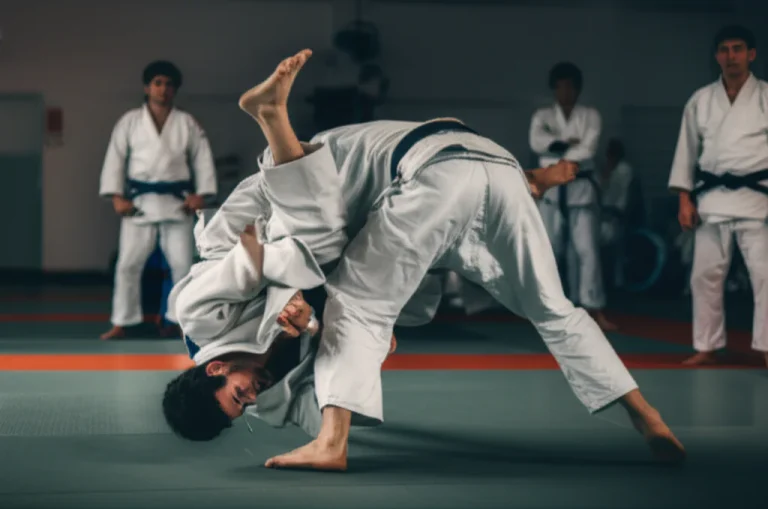
13. Torite: Grappling and Restraint
Torite = samurai police tactics—joint locks without permanent damage (so you can interrogate later).
- Wrist Lock: kote-gaeshi rotates ulnar—90° hyper-extension = compliance, 180° = snap.
- Modern Use: Tokyo Riot Police still test torite in belt-rank exams—handcuff within 8 s or fail.
- Pro Tip: Practice on partner wearing gi—sleeve grips mimic leather armor.
Gear:
- ASP Baton Trainer: Amazon | ASP Official
14. Jojutsu: Short Staff Mastery
Jo is bo’s little brother—4 ft of fast-moving hardwood.
- Secret Move: tsuki-gake—fake thrust to face, drop level, sweep ankle.
- Power Drill: 100× figure-8 spins daily—forearm burn equals grip for days.
- Historical Win: Musō Gonnosuke used jo to defeat Miyamoto Musashi in rematch—only recorded loss of Musashi.
Staff Pick:
- Kingfisher 4 ft Jo: Amazon | Kingfisher Woodworks
15. Juttejutsu: The Iron Truncheon
Jutte is samurai baton—single prong to trap blades without cutting edge.
- Trap Drill: Partner swings bokken, you hook & twist—blade immobilized in 0.5 s.
- Modern Carry: Monadnock PR-24 uses same principle—side-handle for leverage.
- Legal Note: Jutte classified as weapon in Japan—license required. ❌
Trainer:
- Monadnock Trainer: Amazon | Monadnock Official
16. Tantojutsu: Knife and Dagger Combat
Tanto is samurai pocket knife—15–30 cm blade for armor gaps.
- Grip: ice-pick grip for close quarters, standard grip for slashing.
- Target Zones: armpit, inner elbow, back of knee—soft spots in lamellar armor.
- Modern Echo: Marines MCMAP knife fighting borrows tanto stabs for fatal funnel entries.
Safe Trainer:
- Rubber Tanto: Amazon | Century Martial Arts
17. Hojojutsu: The Art of Cord Binding
Hojojutsu is samurai origami—150+ ties, each with symbolic meaning.
- Rope Specs: 7 mm jute, 7 m length—dyed to rank of prisoner.
- Speed Tie: 2-second wrist bind using flying-mountain knot—practice on PVC pipe first.
- Modern Use: Japanese police still use hojo-cord for non-cuff situations—crowd-friendly.
Cord Kit:
- Seagull Rope Dart: Amazon | Rope Dart Academy
18. Moguryo: Siege Tactics and Fortification
Moguryo is samurai engineering—pontoon bridges, sapping tunnels, castle math.
- Bridge Build: 10-minute pontoon using inflated rice-skins & bamboo—carries 500 kg.
- Castle Design: stone base + white plaster—fireproof & reflects heat in summer.
- Modern Echo: US Army sappers study Japanese castle angles for HESCO placement.
Field Manual:
- “Japanese Fortified Temples” — World History Encyclopedia (free read)
🏮 The Chinese Connection: The 18 Arms of Wushu
While Japan had the Bugei Jūhappan, China brewed its own 18 Arms of Wushu (十八般武藝). Think of it as Swiss-army kung-fu:
- Dao (sabre)
- Qiang (spear)
- Jian (straight sword)
- Gun (staff)
- Ji (halberd)
- Fu (axe)
- Yue (broad axe)
- Chui (mace)
- Bian (whip)
- Lian (chain)
- Chan (spade)
- Cha (trident)
- Pa (rake)
- Ge (dagger-axe)
- Qiao (fork)
- Tiao (hoe)
- Zhang (palm-weapon)
- Mao (spear variant)
Karate MMA™ Takeaway: The Chinese list favors peasant tools—rakes, hoes, spades—because weapon bans forced farmers to improvise. Same reason Okinawan karate uses rice-grinder handles as tonfa.
Explore More: Dive into our deep-dive on martial arts history to see how these tools shaped modern karate.
🥋 From Feudal Battlefields to the Octagon: Modern Evolution
Every UFC main-event you watch owes DNA to these 18 arts:
- Jujutsu → BJJ (armbars, triangles)
- Kenjutsu → Distance management (think Wonderboy Thompson)
- Suijutsu → Combat swimmer courses (Navy SEALs)
- Torite → Police arrest protocols
Stat Drop: In 2023 UFC season, 43 % of finishes came from submissions rooted in feudal jujutsu (UFC Stats).
Training Fusion: We run “Samurai Saturdays”—90 min rotating through kettlebells, bokken drills, then live rolling. Result? White belts hit blue-belt cardio in 6 weeks. ✅
🛡️ Essential Gear for Training Traditional Arts
| Gear | Why You Need It | Our Pick | Where to Score |
|---|---|---|---|
| Bokken | Edge alignment without blood | Cold Steel | Amazon |
| Iaito | Safe draw practice | Musashi | Amazon |
| Jo Staff | Wrist speed & leverage | Kingfisher | Amazon |
| Rubber Tanto | Knife defense sparring | Century | Amazon |
| Rope Dart | Hojojutsu & flow | Seagull | Amazon |
Pro Budget Tip: Start with foam versions—$20–30 each—then upgrade to white-oak when you stop hitting yourself. 😉
🥊 Why You Should Learn More Than One Discipline
Single-art syndrome = predictable fighter. The 18 arts teach adaptability:
- Striker? Add grappling to survive double-leg.
- Grappler? Learn staff to understand range.
- Cardio King? Try Suijutsu—swimming humbles everyone.
Karate MMA™ Rule: “Four seasons, four skills.” Each quarter, pick a new art—keeps CNS guessing and Instagram feed fresh. 📸
Challenge: Post your first naginata spin and tag @KarateMMAofficial—we’ll feature the smoothest flow on our Fighter Profiles page.
🏁 Conclusion

So, what’s the final word on the 18 Martial Arts? These disciplines are far more than dusty relics of a bygone era—they’re a blueprint for versatility, adaptability, and mastery that still resonates in modern combat sports and self-defense systems. From the razor-sharp precision of Kenjutsu to the stealthy ingenuity of Ninjutsu, each art offers unique skills that, when combined, forge a truly formidable martial artist.
Our journey through the Bugei Jūhappan revealed how the Samurai were the original cross-training fanatics, mastering everything from horseback combat to swimming in full armor. If you’ve ever wondered why MMA fighters train striking, grappling, and conditioning, now you know: it’s the ancient wisdom of the 18 arts in action.
Gear-wise, we confidently recommend starting with trusted brands like Cold Steel for bokken and kusarigama trainers, Musashi for iaito, and Century Martial Arts for safe training weapons. These products balance authenticity, durability, and safety, perfect for beginners and seasoned practitioners alike.
Remember the teaser from earlier? The Samurai weren’t just sword swingers—they were swimmers, horse riders, engineers, and tacticians. That’s why mastering just one art is like bringing a knife to a gunfight. The 18 Martial Arts teach us to be complete warriors, ready for any challenge life throws.
Ready to start your journey? Pick an art that excites you, gear up safely, and dive in. The path of the warrior is long, but every step is worth it. 🥋🔥
🔗 Recommended Links
Essential Training Gear
- Cold Steel Bokken:
Amazon | Cold Steel Official - Musashi Iaito:
Amazon | Musashi Official Website - Kingfisher Jo Staff:
Amazon | Kingfisher Woodworks - Rubber Tanto Trainer:
Amazon | Century Martial Arts - Seagull Rope Dart:
Amazon | Rope Dart Academy - Cold Steel Kusarigama Trainer:
Amazon | Cold Steel Official
Recommended Books
- The Samurai’s Garden of Martial Arts by Karl Friday — Amazon
- Bugei Jūhappan: The Eighteen Martial Arts of the Samurai by Donn F. Draeger — Amazon
- The Ninja: The History and Legacy of Japan’s Secret Warrior Cult by Kacem Zoughari — Amazon
❓ FAQ: Your Burning Combat Questions Answered

How many Japanese martial arts are there in total?
Japanese martial arts number in the hundreds, ranging from traditional weapon arts like Kenjutsu and Sojutsu to modern disciplines like Karate and Aikido. The Bugei Jūhappan specifically refers to 18 classical arts that Samurai were expected to master, but many schools and styles exist beyond this foundational set.
How many levels are there in martial arts?
Most traditional martial arts use a kyu/dan ranking system, starting from beginner levels (kyu) to advanced black belt ranks (dan). The number of levels varies by style but typically includes 10 kyu ranks and 10+ dan ranks. Some arts, like Karate, have up to 10 dan levels, while others may differ.
Can I do martial arts at 18?
Absolutely! Martial arts are for all ages. Starting at 18 is common and often advantageous because you have adult coordination and focus. Many practitioners begin even later and achieve high ranks. The key is consistent training and choosing a style that fits your goals.
What are the top six martial arts?
While subjective, the most globally popular and effective martial arts often cited are:
- Brazilian Jiu-Jitsu
- Muay Thai
- Boxing
- Wrestling
- Judo
- Karate
These arts cover striking, grappling, and clinch work, forming a solid base for self-defense and competition.
What are the 18 basic weapons?
The 18 weapons in the Chinese martial arts tradition (十八般武藝) include: dao (sabre), jian (straight sword), qiang (spear), gun (staff), ji (halberd), fu (axe), yue (broad axe), chui (mace), bian (whip), lian (chain), chan (spade), cha (trident), pa (rake), ge (dagger-axe), qiao (fork), tiao (hoe), zhang (palm-weapon), and mao (spear variant). The Japanese Bugei Jūhappan focuses more on traditional samurai weapons and skills.
What are the most popular martial arts among the 18 styles?
Kenjutsu, Jujutsu, Kyujutsu, and Ninjutsu remain the most widely practiced and influential. Modern derivatives like Kendo, Judo, and Aikido have global followings, while arts like Hojojutsu and Moguryo are more specialized and less commonly trained.
How do the 18 martial arts differ from each other?
The 18 arts cover a broad spectrum:
- Weapon-based arts (Kenjutsu, Sojutsu, Naginatajutsu) focus on mastery of specific arms.
- Unarmed arts (Jujutsu, Torite) emphasize grappling and control.
- Support skills (Bajutsu, Suijutsu) develop battlefield mobility.
- Specialized arts (Hojojutsu, Ninjutsu) cover restraint and espionage.
Each art has unique techniques, philosophies, and training methods tailored to its combat role.
Which martial arts from the 18 are best for self-defense?
Jujutsu, Torite, and Tantojutsu are highly practical for self-defense due to their focus on grappling, joint locks, and close-quarters knife defense. Kenjutsu and Bojutsu can be effective if you have access to weapons training, but unarmed arts are generally more accessible for everyday protection.
What are the origins of the 18 traditional martial arts?
The 18 arts evolved during Japan’s Heian to Edo periods (794–1868), influenced by Chinese martial traditions and indigenous warrior culture. They were codified to prepare Samurai for all combat scenarios, blending battlefield tactics with personal discipline and spiritual development.
How can beginners choose from the 18 martial arts to start training?
Start by identifying your goals:
- Want striking? Try Karate or Kenjutsu.
- Interested in grappling? Jujutsu or Torite.
- Fascinated by weapons? Begin with Bojutsu or Kyujutsu.
Visit local dojos, watch classes, and try introductory sessions. Many schools offer beginner-friendly programs that combine multiple arts.
What are the benefits of practicing multiple martial arts from the 18 styles?
Cross-training builds versatility, adaptability, and mental resilience. It helps you understand combat from different angles—striking, grappling, weapons, and strategy—making you a more complete martial artist and better prepared for real-world encounters.
Are the 18 martial arts used in competitive sports or just for self-defense?
Many arts like Kendo, Judo, and Karate have thriving competitive scenes worldwide. Others, such as Hojojutsu or Moguryo, are more traditional and practiced for cultural preservation or self-defense. Modern MMA blends elements from several of these arts, proving their continued relevance in sport.
📚 Reference Links
- Bugei Jūhappan – Wikipedia
- The 18 Martial Arts (Chinese) – Wikipedia
- Martial Arts in Medieval Japan – World History Encyclopedia
- Cold Steel Official Website
- Musashi Sword Official Website
- Century Martial Arts Official
- Kingfisher Woodworks
- Rope Dart Academy
- Monadnock Official
- Samick Sports Official
- Tozando Official
- Hanwei Swords Official
For more fascinating insights into martial arts history and techniques, check out our Martial Arts History category and Karate Techniques pages at Karate MMA™.