Support our educational content for free when you purchase through links on our site. Learn more
Is Judo a Good Sport? 15 Surprising Benefits You Need to Know 🥋 (2026)


Ever wondered if judo is just another martial art or a sport that truly transforms your body and mind? At Karate MMA™, we’ve trained countless athletes who swear by judo’s unique blend of explosive power, mental discipline, and life lessons. From toddlers learning their first throws to seasoned competitors mastering Olympic-level techniques, judo offers something special for everyone. But what makes it stand out among other sports? And is it really the right choice for you or your child?
Stick around as we unpack 15 surprising benefits of judo — from building lightning-fast reflexes and core strength to fostering confidence and respect. Plus, we’ll reveal why judo’s philosophy of “maximum efficiency, minimum effort” isn’t just a catchy phrase but a life-changing mindset. Ready to discover if judo is your next great adventure? Let’s dive in!
Key Takeaways
- Judo is a full-body workout that builds strength, endurance, flexibility, and coordination.
- It’s an Olympic sport with a rich history emphasizing technique over brute force.
- Judo develops self-defense skills focused on control and leverage rather than striking.
- The sport fosters mental toughness, discipline, and self-confidence in practitioners of all ages.
- Judo’s inclusive belt ranking system motivates continuous personal growth.
- It promotes gender equity and mutual respect, making it ideal for kids and adults alike.
- Combining judo with striking arts like karate can create a well-rounded martial artist.
Curious about the gear and training essentials? We’ve got you covered with top judo gi recommendations and expert tips later in the article!
Table of Contents
- ⚡️ Quick Tips and Facts About Judo as a Sport
- 🥋 The Origins and Evolution of Judo: From Martial Art to Modern Sport
- 💪 Building Strength and Conditioning Through Judo Training
- 🛡️ Judo for Effective Self-Defense: Techniques and Benefits
- ⚡ Developing Lightning-Fast Reflexes and Core Stability in Judo
- 🌟 Boosting Self-Confidence and Mental Toughness with Judo
- 🏋️♂️ Judo as a Full-Body Workout: Exercise Benefits You Can’t Ignore
- 🎯 Celebrating Personal Progress: How Judo Emphasizes Individual Achievement
- 🥇 Understanding Judo Belts and Ranking Systems: Motivation and Milestones
- 🧘♂️ Discipline and Focus: The Cornerstones of Judo Training
- 🤼♂️ Mastering Control: The Balance Between Power and Restraint in Judo
- 👧👦 Gender Equity in Judo: Equal Opportunities for Kids of All Genders
- 🚫 Judo Philosophy: Why It’s Not About Hurting Others
- 🔥 Cultivating a Strong Work Ethic Through Judo Practice
- 🏆 Judo Competition: What to Expect and How It Shapes Athletes
- 🤔 Common Questions About Judo Answered
- 📝 Conclusion: Is Judo the Right Sport for You?
- 🔗 Recommended Links for Judo Enthusiasts
- ❓ Frequently Asked Questions (FAQ) About Judo
- 📚 Reference Links and Further Reading
⚡️ Quick Tips and Facts About Judo as a Sport
Welcome to the fascinating world of judo! As martial artists at Karate MMA™, we’ve seen firsthand how judo blends physical prowess, mental discipline, and strategic thinking into one dynamic sport. Wondering if judo is a good sport for you or your kids? Let’s kick off with some quick, punchy facts that might surprise you:
- ✅ Judo is an Olympic sport since 1964, governed by the International Judo Federation (IJF).
- ✅ It’s a full-body workout that improves strength, flexibility, balance, and cardiovascular health.
- ✅ Judo emphasizes throws, pins, joint locks, and chokes — but with a strong focus on safety and control.
- ✅ It’s a low-impact sport with a relatively low injury rate compared to other contact sports.
- ✅ Judo teaches discipline, respect, and self-control, making it a fantastic choice for kids and adults alike.
- ✅ The belt ranking system provides clear goals and motivation for continuous improvement.
- ✅ Judo is inclusive: people of all sizes, genders, and ages can participate and excel.
If you want to dive deeper into the 12 Essential Judo Techniques Every Beginner Must Master 🥋, check out our detailed guide here.
But wait — is judo just about physicality? Or does it shape character and life skills too? Stick around as we unravel the layers of this incredible sport.
🥋 The Origins and Evolution of Judo: From Martial Art to Modern Sport
Judo’s roots stretch back to late 19th century Japan, where Jigoro Kano synthesized traditional jujutsu techniques into a safe, educational, and competitive martial art. Kano’s vision was to create a discipline that was not just about fighting, but about personal development and mutual welfare.
- Historical Highlights:
- Founded in 1882 by Jigoro Kano.
- Emphasizes “maximum efficiency, minimum effort” and “mutual benefit.”
- Became an Olympic sport in 1964, boosting global popularity.
- Adapted rules over time to enhance safety and spectator appeal.
The transition from a self-defense system to a sport involved codifying rules that prioritize throws and pins over strikes, making judo a unique blend of art and athleticism. This evolution is why judo is often called the “gentle way” — it’s about using technique and leverage, not brute force.
Want to explore more about martial arts history? Visit our Martial Arts History section.
💪 Building Strength and Conditioning Through Judo Training
Judo isn’t just about flashy throws — it’s a serious strength and conditioning workout that builds functional power. Here’s how:
Key Physical Benefits:
- Explosive power: Throwing an opponent requires fast-twitch muscle activation, especially in the legs, hips, and core.
- Grip strength: Constant gripping of the gi (uniform) develops impressive forearm and hand strength.
- Endurance: Matches and randori (sparring) sessions improve cardiovascular fitness and muscular endurance.
- Flexibility and balance: Judo demands dynamic movement and body control, enhancing joint mobility and proprioception.
| Physical Attribute | Judo Impact | Comparison to Other Martial Arts |
|---|---|---|
| Explosive Strength | ✅ High (throws and takedowns) | Higher than boxing, similar to wrestling |
| Grip Strength | ✅ Very High | Unique to gi-based grappling arts |
| Cardiovascular Endurance | ✅ Moderate to High | Comparable to MMA and BJJ |
| Flexibility | ✅ Moderate | Higher than boxing, lower than capoeira |
Our Experience: At Karate MMA™, we’ve observed that judo practitioners often develop a well-rounded athletic profile that translates well into other martial arts and sports. One of our fighters switched from karate to judo and remarked, “My explosive power and balance skyrocketed!”
🛡️ Judo for Effective Self-Defense: Techniques and Benefits
Is judo practical for real-world self-defense? Absolutely — but with some nuances.
Why Judo Works in Self-Defense:
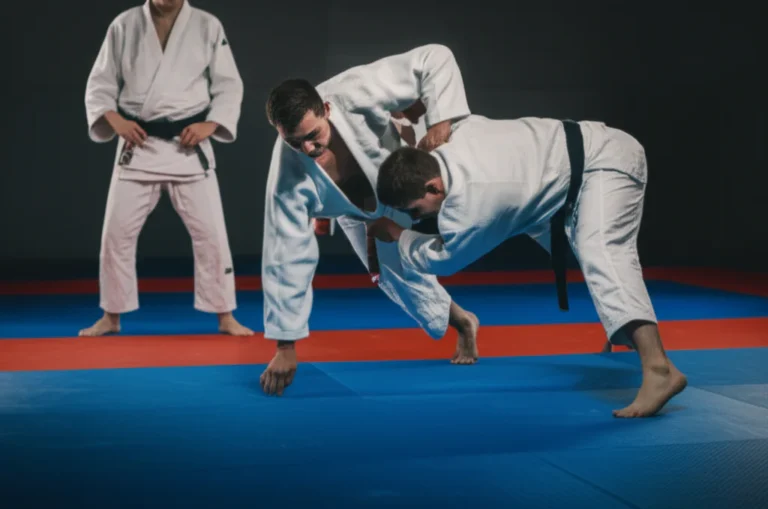
- Close-range control: Judo specializes in controlling and neutralizing opponents through throws and pins.
- Leverage over strength: You don’t need to be bigger or stronger to defend yourself effectively.
- Ground control: Judo teaches how to maintain dominant positions on the ground, crucial in fights.
- Escape techniques: Many judo moves help you break free from grabs or holds.
However, judo does not emphasize striking (punches/kicks), so combining it with striking arts like karate or boxing can create a well-rounded self-defense skill set.
What the Experts Say:
The first YouTube video embedded in this article (#featured-video) highlights grappling arts like judo and wrestling as top choices for self-defense due to their practical control techniques. The speaker humorously dismisses purely striking-based systems like Krav Maga in favor of grappling skills, emphasizing real-world effectiveness.
⚡ Developing Lightning-Fast Reflexes and Core Stability in Judo
Judo demands split-second decision-making and explosive reactions. This is no slow-motion dance — it’s a rapid chess match of body mechanics.
-
Reflex Training:
- Responding to an opponent’s grip or movement requires instant reflexes.
- Drills like uchikomi (repetitive entry practice) sharpen timing and anticipation.
-
Core Strength:
- The core stabilizes your body during throws and counters.
- Exercises like plank holds, medicine ball twists, and judo-specific drills build this foundation.
Karate MMA™ Tip: Incorporate plyometric training and balance exercises to complement judo’s reflex demands. Your core is your “powerhouse” — neglect it, and your throws will falter.
🌟 Boosting Self-Confidence and Mental Toughness with Judo
Judo is as much a mental game as a physical one. The dojo (training hall) is a safe space to challenge yourself, fail, and grow.
-
Confidence Through Progress:
- Mastering techniques and earning belts builds tangible milestones.
- Overcoming tough opponents in randori boosts self-esteem.
-
Mental Resilience:
- Judo teaches you to stay calm under pressure.
- Learning to fall safely (ukemi) reduces fear of injury, encouraging boldness.
-
Respect and Humility:
- Bowing, etiquette, and mutual respect cultivate emotional intelligence.
One of our students shared: “Judo helped me face challenges outside the dojo with more courage and calmness.”
🏋️♂️ Judo as a Full-Body Workout: Exercise Benefits You Can’t Ignore
If you’re looking for a workout that hits every muscle group and keeps boredom at bay, judo’s your sport.
Muscle Groups Engaged:
- Legs: squats, lunges, explosive jumps
- Core: twisting, bracing, stabilizing
- Back and shoulders: gripping, pulling, throwing
- Arms and hands: grip strength and control
Cardiovascular Impact:
- High-intensity intervals during randori simulate HIIT workouts.
- Improves aerobic and anaerobic capacity.
| Workout Aspect | Judo Effectiveness | Comparison |
|---|---|---|
| Strength | ✅ High | Comparable to weight training |
| Endurance | ✅ Moderate to High | Similar to circuit training |
| Flexibility | ✅ Moderate | Better than running, less than yoga |
| Coordination | ✅ Very High | Superior to many gym workouts |
Fun Fact: Judo’s dynamic movement patterns reduce workout monotony, making it easier to stick with long-term fitness goals.
🎯 Celebrating Personal Progress: How Judo Emphasizes Individual Achievement
Unlike team sports where individual contributions can be overshadowed, judo spotlights your personal journey.
- Belt Promotions: Each belt color marks a new level of skill and knowledge.
- Competition Results: Win or lose, every match teaches lessons and builds character.
- Skill Mastery: Progressing from basic throws to advanced combinations is rewarding.
This focus on individual achievement fosters intrinsic motivation — you compete against yourself as much as others.
🥇 Understanding Judo Belts and Ranking Systems: Motivation and Milestones
The belt system in judo is a structured roadmap for growth. Here’s a quick overview:
| Belt Color | Approximate Skill Level | Typical Age Group | Key Milestones |
|---|---|---|---|
| White | Beginner | All ages | Basic falls, grips, and throws |
| Yellow | Novice | Kids and adults | Improved technique, basic randori |
| Orange | Intermediate | Kids and adults | More complex throws, counters |
| Green | Advanced beginner | Mostly kids | Combinations, groundwork |
| Blue | Intermediate | Teens and adults | Competition readiness |
| Brown | Advanced | Teens and adults | Technical refinement |
| Black | Expert | Adults | Mastery, teaching ability |
Note: The IJF recognizes 10 dan levels beyond black belt, but these are rare and require decades of dedication.
🧘♂️ Discipline and Focus: The Cornerstones of Judo Training
Judo demands mental discipline as much as physical skill. Training requires:
- Punctuality and respect for instructors and peers.
- Consistent practice and attention to detail.
- Patience to learn complex techniques over time.
This discipline often translates into other life areas — school, work, relationships — making judo a life-shaping practice.
🤼♂️ Mastering Control: The Balance Between Power and Restraint in Judo
One of judo’s unique philosophies is that power without control is useless. You learn to:
- Use leverage and timing instead of raw strength.
- Apply techniques safely to avoid injuring training partners.
- Respect your opponent’s limits and the rules of engagement.
This balance is why judo is often described as a “gentle” martial art — it’s about precision, not punishment.
👧👦 Gender Equity in Judo: Equal Opportunities for Kids of All Genders
Judo is a truly inclusive sport. Kids of all genders train together, compete fairly, and earn belts by merit.
- Many clubs actively promote girls’ participation, breaking stereotypes.
- International competitions have equal weight classes and prize money for men and women.
- The IJF and national bodies support gender equity initiatives.
This makes judo a great choice for parents seeking a safe, empowering environment for their children.
🚫 Judo Philosophy: Why It’s Not About Hurting Others
At its heart, judo is about mutual respect and self-improvement, not aggression.
- The term “judo” means “gentle way.”
- Techniques are practiced with control to prevent injury.
- The dojo culture emphasizes respect, bowing, and etiquette.
- Winning with honor is valued over brute force.
This philosophy sets judo apart from combat sports that may glorify violence.
🔥 Cultivating a Strong Work Ethic Through Judo Practice
Judo’s structured training and ranking system instill a grind-it-out mentality.
- Regular attendance and effort are rewarded with belt promotions.
- Overcoming plateaus teaches perseverance.
- Coaches at Karate MMA™ stress that “judo builds champions in life, not just on the mat.”
🏆 Judo Competition: What to Expect and How It Shapes Athletes
Competition is a big part of judo’s appeal, but it’s not for everyone.
- Formats: Matches last 4 minutes (men) or 4 minutes (women) with points awarded for throws, pins, and submissions.
- Weight classes: Ensure fair fights.
- Rules: Strict safety regulations minimize injury risk.
- Mental Game: Competitors learn to handle pressure, strategy, and sportsmanship.
Our team’s experience? Competing in judo builds resilience and humility — you win with grace and lose with dignity.
🤔 Common Questions About Judo Answered
Q: Is judo suitable for beginners of all ages?
✅ Yes! Judo schools welcome kids as young as 4 and adults of all ages.
Q: Can judo help me lose weight?
✅ Absolutely. The high-intensity training burns calories and builds lean muscle.
Q: Is judo dangerous?
❌ When practiced under qualified supervision, judo is very safe compared to many contact sports.
Q: Do I need to be strong to start judo?
❌ No. Judo relies on technique and leverage, not brute strength.
Q: What gear do I need?
A judo gi (uniform) is essential. Brands like Mizuno and Adidas offer durable options.
👉 CHECK PRICE on:
- Mizuno Judo Gi: Amazon | Adidas | Mizuno Official Website
- Adidas Judo Gi: Amazon | Adidas | Adidas Official Website
📝 Conclusion: Is Judo the Right Sport for You?
So, is judo a good sport? After exploring its rich history, physical and mental benefits, philosophy, and practical applications, we at Karate MMA™ confidently say: YES, judo is an excellent sport for nearly everyone.
Whether you’re a parent looking for a safe, disciplined activity for your child, an adult seeking a full-body workout, or a martial artist wanting to expand your grappling skills, judo offers a unique blend of physical challenge, mental growth, and community spirit.
Positives:
- Builds explosive strength and endurance
- Develops lightning-fast reflexes and core stability
- Teaches effective self-defense with a focus on control
- Fosters discipline, respect, and confidence
- Inclusive and accessible for all ages and genders
- Low injury risk with proper training and supervision
Considerations:
- Judo does not emphasize striking, so combining it with striking arts like karate or boxing can provide a more complete self-defense skill set.
- Competitive judo requires commitment and mental toughness, which may not suit casual practitioners.
Remember the question we teased earlier — is judo just about physicality? The answer is no. It’s a way of life that teaches you to balance power with restraint, competition with respect, and strength with humility. As one of our students put it, “Judo changed how I see challenges — on and off the mat.”
Ready to throw yourself into judo? Let’s gear up and get started!
🔗 Recommended Links for Judo Enthusiasts
-
Mizuno Judo Gi:
Amazon | Adidas | Mizuno Official Website -
Adidas Judo Gi:
Amazon | Adidas | Adidas Official Website -
Books on Judo Training and Philosophy:
-
Learn More About Judo for Kids:
The Thirteen Best Reasons Why Judo is Great for Children – Tri-City Judo
❓ Frequently Asked Questions (FAQ) About Judo
Is judo growing in popularity compared to karate?
Judo has seen steady global growth, especially since becoming an Olympic sport. While karate enjoys widespread popularity, especially after its Olympic debut in Tokyo 2020, judo’s inclusive nature and emphasis on grappling appeal to many who seek a different martial arts experience. The International Judo Federation reports over 200 national federations worldwide, indicating strong international interest. Both arts have unique draws, but judo’s growth is notable in youth programs and mixed martial arts cross-training.
Can judo be used effectively in real-life combat situations?
Yes, judo’s techniques for controlling and throwing opponents are highly practical in self-defense scenarios. The focus on leverage and balance allows smaller practitioners to neutralize larger attackers. However, since judo does not emphasize striking, combining it with striking arts or situational awareness training enhances real-world effectiveness. Many law enforcement and military personnel incorporate judo principles into their defensive tactics.
How does training in judo enhance coordination and balance?
Judo requires precise body positioning, timing, and weight distribution. Practicing throws, foot sweeps, and breakfalls develops proprioception — the body’s sense of spatial orientation. This improves overall coordination and balance, which benefits other sports and daily activities. Regular judo training also strengthens stabilizing muscles, further enhancing physical control.
What are the differences between judo and other martial arts like karate and taekwondo?
- Judo: Grappling-based, focusing on throws, pins, joint locks, and ground control. No striking.
- Karate: Striking-based, emphasizing punches, kicks, blocks, and kata (forms).
- Taekwondo: Primarily striking with a focus on high, fast kicks and agility.
Judo is more about close-quarters combat and control, while karate and taekwondo emphasize distance striking and speed.
Is judo suitable for children and adults of all ages?
Absolutely! Judo schools welcome practitioners from as young as 4 years old to seniors. The sport’s emphasis on safety, respect, and gradual skill progression makes it ideal for all ages and fitness levels. Many clubs offer age-appropriate classes and training.
Can judo improve physical fitness and mental discipline?
Yes, judo is a comprehensive workout that builds strength, endurance, flexibility, and coordination. Mentally, it cultivates focus, patience, resilience, and respect. The belt ranking system and competitive elements motivate continuous growth and discipline.
How does judo compare to karate in terms of self-defense?
Judo excels in grappling and controlling an opponent, making it effective when physical confrontation is close. Karate provides striking skills useful for keeping distance and delivering quick incapacitating blows. For well-rounded self-defense, many practitioners cross-train in both arts.
What are the benefits of practicing judo for beginners?
Beginners gain:
- Improved fitness and coordination
- Basic self-defense skills
- Confidence and discipline
- Social connections in a supportive environment
- Clear progression through belt ranks
Is Karate or judo better?
Neither is universally “better.” It depends on your goals:
- Want striking and stand-up fighting? Karate.
- Prefer grappling and throws? Judo.
- Want both? Cross-training is ideal!
Is judo a good sport to learn?
Definitely! Judo offers physical, mental, and social benefits, making it a rewarding sport for self-defense, fitness, and personal growth.
How useful is judo in a real fight?
Very useful for controlling or neutralizing an attacker, especially in close quarters. However, real fights are unpredictable, so judo is best combined with awareness and possibly striking skills.
📚 Reference Links and Further Reading
- International Judo Federation (IJF): https://www.ijf.org
- Kodokan Judo Institute: https://kodokanjudoinstitute.org
- Mizuno Official Website: https://www.mizuno.com
- Adidas Official Website: https://www.adidas.com
- The Thirteen Best Reasons Why Judo is Great for Children – Tri-City Judo: https://tricityjudo.com/the-thirteen-best-reasons-why-judo-is-great-for-children/
- U.S. Judo Federation: https://www.usjf.com
For more on martial arts history and techniques, explore our Martial Arts History and Karate Techniques categories at Karate MMA™.
Ready to roll? Whether you’re stepping onto the tatami for the first time or sharpening your throws, judo offers a lifetime of learning and growth. See you on the mat! 🥋🔥